
Lawn
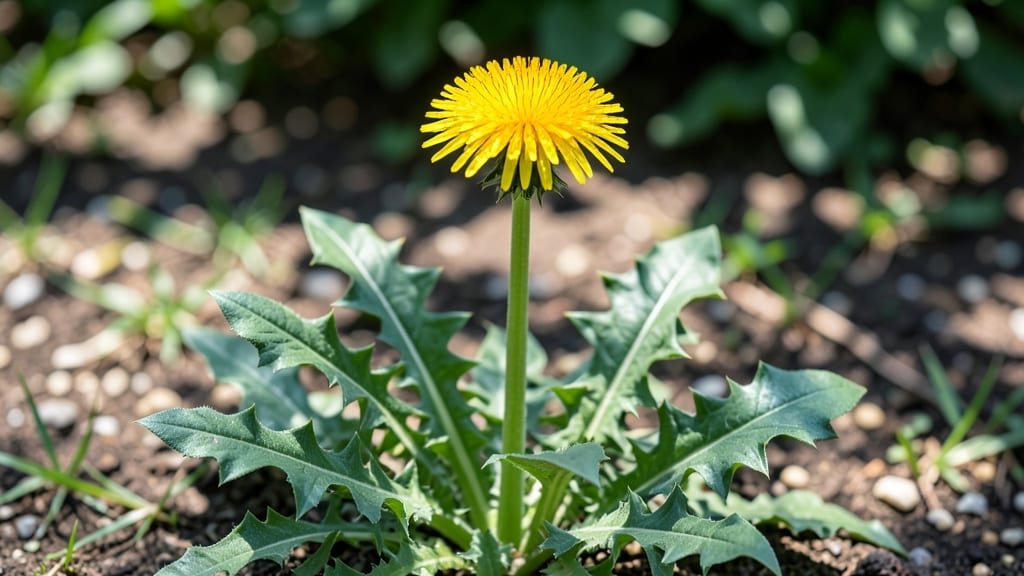
Those bright yellow puffballs popping up in your lawn aren't just weeds—they're lawn weeds with small yellow flowers, and they're telling you your grass needs a reset. 🌱 I've spent years battling these stubborn invaders, and I'm sharing the exact methods that finally gave me a dandelion-free lawn without harming a single blade of grass.
The key starts with proper identification: dandelions have deeply rooted taproots, jagged leaves, and those iconic yellow flowers that turn into white seed puffs. Most store-bought herbicides miss the roots, so they come back stronger.
Instead, I use a combination of manual removal with a dandelion digger and spot treatments of vinegar-based herbicides that target the roots without scorching your lawn. You'll see results within 2-3 weeks of consistent treatment, with fewer new sprouts each season. The secret weapon?
Overseeding with dense grass varieties that crowd out dandelions before they get a foothold—no chemicals needed after the first year. This works for both new lawns struggling to establish and older lawns where dandelions have taken over.
Let's get your grass back to looking like a lush carpet instead of a yellow flower field.
Why Unwanted Blooms Take Root
Seeing those bright yellow flowers popping up in your lawn can be frustrating, especially when they’re lawn weeds with small yellow flowers like dandelions. But why do they keep coming back? The answer lies in a mix of natural behaviors, environmental factors, and even human habits.
Let’s break down the key reasons these weeds thrive in your grass—and how you can understand their persistence to fight back effectively.
Dandelions and similar weeds are masters of survival. A single mature dandelion can produce up to 200 seeds per flower head, and those seeds are lightweight, allowing them to travel miles on the wind.
Even a few stray seeds can find their way into your lawn, germinate, and take hold—especially if your grass is thin or compacted.
💡 Pro Tip: If you notice yellow blooms in neighboring yards or parks, assume seeds are drifting in. Regular mowing (but not too short!) can help prevent seed maturation, while overseeding with grass fills gaps where weeds might sprout.
Weeds like dandelions often outcompete grass because they’re hardier and faster-growing. If your lawn lacks key nutrients—especially nitrogen, phosphorus, and potassium—grass struggles to establish a thick, healthy cover. Dandelions, on the other hand, thrive in poor, compacted, or alkaline soil.
🔍 Test Your Soil: A simple home soil test kit (or lab analysis) can reveal pH and nutrient levels. Amending soil with compost or organic matter improves structure and fertility, making grass more resilient.
Believe it or not, how you water your lawn can directly invite weeds. Dandelions and similar species love moisture and will take advantage of inconsistent or excessive watering.
💧 Best Practice: Water early in the morning (4–6 AM) for 15–20 minutes, 2–3 times per week, encouraging deep grass roots while keeping weeds at bay.
Weeds don’t just appear—they exploit weaknesses in your lawn care routine. Skipping key steps like mowing, fertilizing, or aerating creates the perfect storm for dandelions and their kin.
🔥 Fix It: Mow at 3–4 inches tall, fertilize 2–4 times per year, and aerate once annually to keep grass thick and weeds out.
Stressed grass is weed magnets. If your lawn has been attacked by grubs, chinch bugs, or fungal diseases, the weakened grass creates openings for dandelions to move in. Even animal activity (like raccoons or deer) can disturb soil, exposing fresh seedbeds for weeds.
🛡️ Preventative Action:
- Apply organic pest controls (like neem oil or milky spore) to deter grubs.
- Treat fungal issues with baking soda or copper fungicides.
- Use natural barriers (like fencing) to protect young grass from wildlife.
🌱 Result: A healthier lawn = fewer weed opportunities!
Effective Ways to Remove Yellow-Flowered Lawn Weeds
If your lawn is dotted with cheerful but unwanted yellow-flowered weeds (likely dandelions or similar broadleaf invaders), don’t panic—there are practical, eco-friendly solutions to reclaim your grass.
Below, we break down the best approaches based on the root causes (like poor soil health, overwatering, or compacted turf) and pair them with actionable fixes. Plus, we’ll share prevention tips to keep your lawn lush and weed-free long-term.
Yellow-flowered weeds thrive in soggy or nutrient-poor soil. If your lawn stays too wet or lacks organic matter, weeds will take over. Here’s how to correct it:
💧 Adjust Your Watering Routine
- Water deeply but less often—aim for 1–1.5 inches per week (including rain). Use a rain gauge or tuna can to measure.
- Water early in the morning (between 4–8 AM) to reduce evaporation and fungal risks.
- Check soil moisture before watering: Stick your finger 2–3 inches into the soil. If it’s dry, water; if damp, skip it.
🌿 Improve Soil Health Naturally
- Add compost or topsoil (¼–½ inch layer) to boost organic matter. Spread it evenly with a rake.
- Use a slow-release fertilizer (like a 16-4-8 or 20-5-10 blend) in early spring or fall to strengthen grass roots.
- Aerate compacted soil in late summer/early fall using a core aerator (rent one or hire a pro). This lets water and nutrients reach grass roots, crowding out weeds.
✨ Pro Tip:
Mulch your lawn clippings after mowing—this returns nitrogen to the soil, reducing the need for synthetic fertilizers and weakening weeds over time. 🌱
For small patches of yellow-flowered weeds, hands-on methods work best—especially if you catch them early.
🔥 Pull Weeds at the Right Time
- Best time to pull: Early morning or after rain when soil is soft.
- Use the right tool:
- Hand-pulling: Grasp weeds at the base (including the taproot for dandelions) and wiggle gently. A weed puller or dandelion digger makes this easier.
- For stubborn roots: Use a hula hoe or dandelion pliers to avoid bending over repeatedly.
- Bag or compost weeds (don’t leave roots behind—they’ll regrow!).
👨🍳 Mow High & Often
- Set your mower to 3–4 inches—taller grass shades out weeds and develops deeper roots.
- Never remove more than ⅓ of the grass blade at once to avoid stressing the turf.
- Mow frequently (every 5–7 days in growing season) to prevent weed seeds from establishing.
🎯 Spot-Treat with Vinegar (For Small Areas)
For isolated weeds, a natural herbicide like horticultural vinegar (20–30% acetic acid) can work. Mix equal parts vinegar and water in a spray bottle, apply on a dry, sunny day, and avoid spraying grass. Reapply every 3–5 days until weeds die.
If weeds persist, try targeted, non-toxic solutions that won’t harm your grass.
🌡️ Corn Gluten Meal (Pre-Emergent Barrier)
- When to apply: Early spring (before weeds sprout) or fall.
- How to use: Spread 20 lbs per 1,000 sq ft with a spreader. Water lightly to activate.
- Why it works: Corn gluten disrupts weed seed germination while feeding your lawn.
🍳 Boiling Water for Sidewalks & Cracks
- Pour boiling water directly on weeds growing in cracks or along driveways. Works instantly but requires repeat treatments.
🔪 Salt-Based Solutions (Use Sparingly!)
Warning: Salt can harm grass and soil over time. Only use food-grade salt (like kosher or pickling salt) on non-lawn areas (e.g., driveways, patios). Mix 1 cup salt + 1 gallon water and spray on weeds—reapply as needed.
Stop weeds before they start with these proactive steps:
- 🌿 Overseed bare spots in fall with a high-quality grass seed mix (like Kentucky bluegrass or fescue) to fill gaps weeds exploit.
- 🍂 Leave grass clippings on the lawn (they decompose into natural fertilizer).
- 🌞 Encourage sunlight—trim overhanging branches and thick shrubs to let your lawn get 6+ hours of sun daily.
- 🔍 Test your soil every 2–3 years (use a home kit or send a sample to a local extension office) to adjust pH and nutrients.
With consistent care, your lawn can outcompete yellow-flowered weeds naturally. Start with one or two methods, monitor progress, and adjust as needed. Soon, you’ll have a dense, green carpet—minus the unwanted blooms! 🌿💚
Frequently asked questions
Are all yellow-flowered lawn weeds the same?
No—they vary by structure and growth habits. Dandelions have deeply rooted taproots and jagged leaves, while clover forms low-growing mats with three-leaf clusters. Chickweed has tiny oval leaves and sprawls along the ground. Identifying the type helps choose the right removal method.
Why do dandelions keep coming back after I pull them?
Dandelions have deep taproots that can extend up to 12 inches into the soil. If you don’t remove the entire root, even a tiny fragment can regrow. Use a dandelion digger or hula hoe to ensure complete extraction. For stubborn cases, spot-treat with vinegar or corn gluten meal.
Is it safe to use vinegar on my lawn?
Only use horticultural vinegar (20-30% acetic acid) and apply it carefully—never on grass! Spray directly on weeds on a dry, sunny day and avoid overspray. For large lawns, vinegar is best for spot treatments. For broader coverage, consider corn gluten meal as a pre-emergent barrier.
When is the best time of year to treat yellow-flowered weeds?
Early spring (just as weeds emerge) and fall (before winter dormancy) are ideal. Pre-emergent herbicides like corn gluten meal should be applied in early spring, while post-emergent treatments (like vinegar or pulling) work best when weeds are actively growing. Avoid treating during extreme heat or drought.
Will overseeding my lawn really prevent weeds?
Yes! A dense, healthy lawn crowds out weeds by blocking sunlight and nutrients. Overseed in fall with a high-quality grass mix (like fescue or bluegrass) and maintain proper mowing height (3-4 inches). Combine this with regular fertilization and aeration for best results.