
Lawn
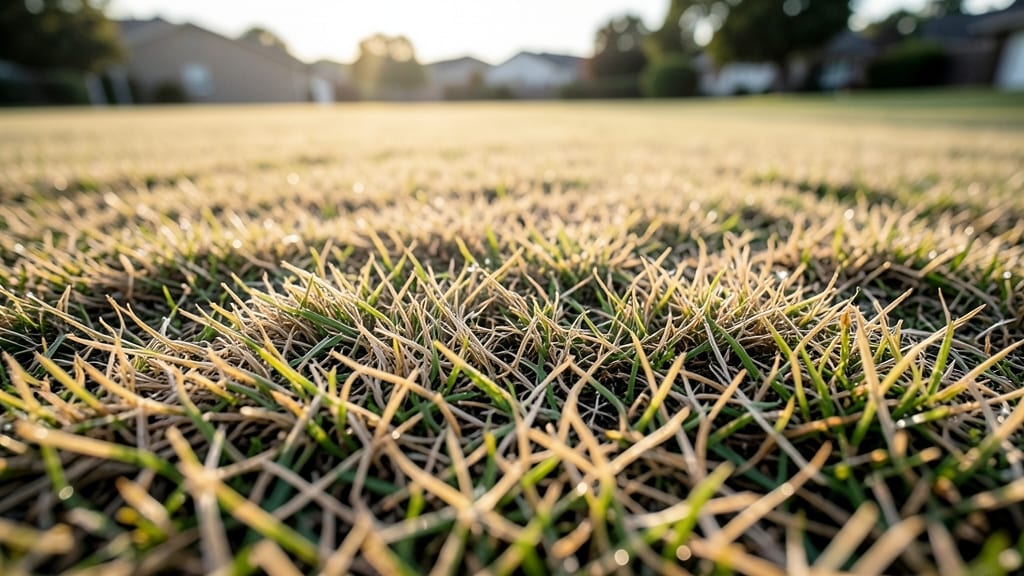
Struggling to identify your lawn type? Knowing whether you have cool-season, warm-season, or specialty grass determines everything from mowing height to fertilization schedules. This visual guide helps you match your grass type in minutes using simple leaf and growth patterns.
Broadleaf Clover Identification Guide

That little green weed with three leaflets isn’t grass—it’s broadleaf clover, a plant that’s either a lawn nuisance or a secret soil superstar. While it may look like a weed, its nitrogen-fixing roots actually boost grass growth, making it a free fertilizer for your lawn.
Look for the three rounded leaflets (like a tiny shamrock) and white or pink flower clusters in spring. If you spot these, decide whether to remove it (for a pure grass lawn) or let it thrive—it’ll reward you with healthier grass and fewer fertilizer needs. Just avoid herbicides that kill clover, as they’ll harm your grass too.
Homeowners with cool-season grasses (like Kentucky Bluegrass) often benefit most from clover’s natural nitrogen boost. Give it a chance before pulling it out! 🌿
Kentucky Bluegrass Leaf Structure
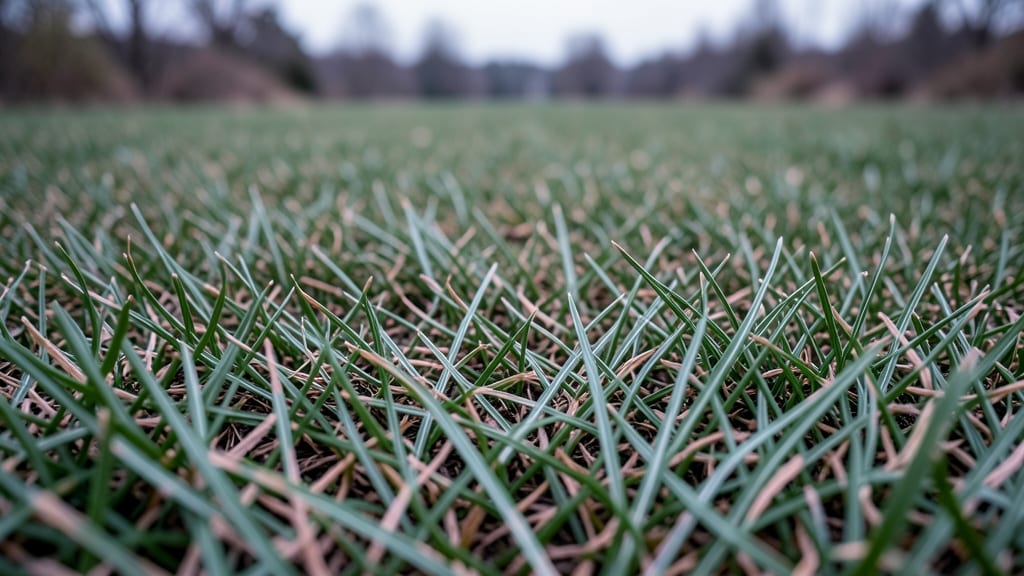
If your lawn thrives in cooler months and turns brownish-purple in winter, you’re likely growing Kentucky Bluegrass. This cool-season grass stands out with its boat-shaped leaf tips and visible parallel veins—key identifiers that set it apart from other grasses.
The leaves grow in a v-shaped pattern when viewed from above, and the blades are medium-width (about 1/8 to 1/4 inch). This grass loves 6 hours of sun daily and stays green longer into fall, making it perfect for northern climates where winters are harsh. Its deep root system also helps it recover from drought.
Homeowners in the Midwest and Northeast often find this grass in their lawns because of its durability and lush appearance. If your grass matches these traits, you’re likely nurturing one of the most popular cool-season grasses! 🌱
Bermuda Grass Growth Pattern

If your lawn thrives under intense summer heat and stays lush even when others brown out, you might have Bermuda grass. This warm-season powerhouse spreads aggressively via stolons—horizontal stems that root at nodes—creating that ultra-dense carpet southern lawns are famous for.
Look for fine, bright green blades that grow in a low, dense mat, often with a slightly rough texture. Unlike clover or Kentucky bluegrass, Bermuda grass goes dormant in winter but springs back with vigor when temperatures rise above 60°F. Its drought tolerance makes it ideal for regions like the Southeast and Southwest, where water conservation is key.
Homeowners in hot climates love Bermuda grass for its low maintenance once established—just mow high (1–1.5 inches) to encourage deeper roots. If your lawn fits this description, you’ve got a heat-proof champion that outshines other grasses in summer. 🌻
Fescue Grass Blade Width
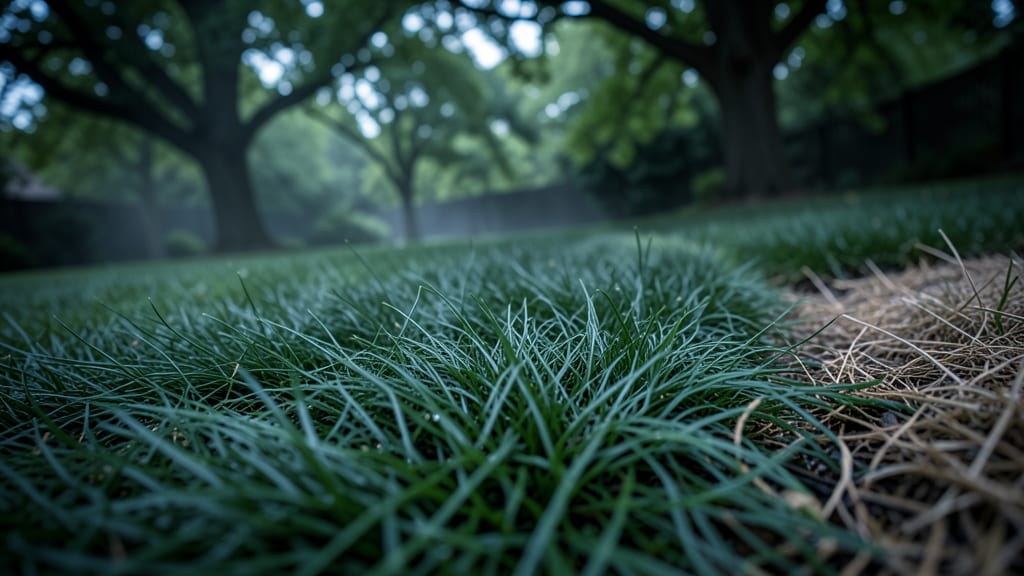
If your lawn stays lush in shady spots while others turn brown, you might have fine fescue—a cool-season grass with blades so narrow they resemble soft, dark green needles. Unlike broader grasses, fescue thrives in low-light conditions and tolerates cooler temperatures, making it a secret weapon for problem areas.
Look for blades measuring 1/16 to 1/8 inch wide, with a velvety texture that feels slightly fuzzy. This grass grows in dense clumps rather than spreading like Bermuda, and its deep roots make it drought-tolerant once established. For best results, mow at 2.5 to 3.5 inches and avoid heavy foot traffic to preserve its fine texture.
Homeowners in northern climates or those with shaded yards will find fescue the most forgiving grass type. Its ability to stay green year-round—even in partial shade—makes it a low-maintenance favorite for busy gardeners. 🌿
St. Augustine Grass Texture
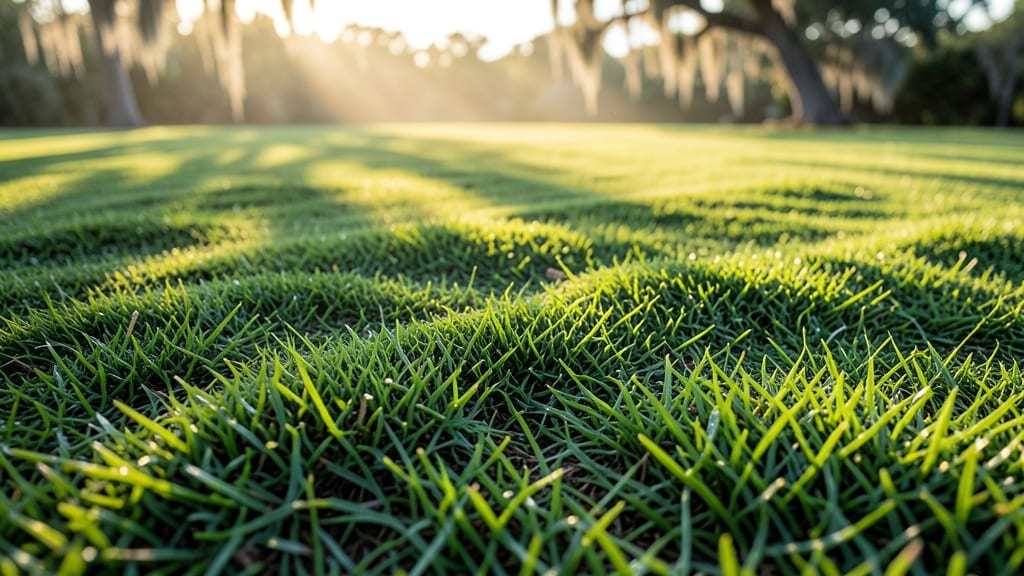
If your lawn feels like a tropical oasis with broad, slightly rough blades that thrive in heat and humidity, you’re likely growing St. Augustine grass. This warm-season favorite dominates lawns in the Deep South and coastal regions, where its dense, lush texture creates a soft, carpet-like surface underfoot.
Look for blades that are 1/4 to 1/2 inch wide with a slightly serrated edge—unlike the finer blades of cool-season grasses. St. Augustine spreads via stolons (horizontal stems), forming thick patches that shade out weeds naturally. It prefers full sun to partial shade and stays green year-round in frost-free zones, making it ideal for Florida, Texas, and California coastal areas.
Homeowners in these regions love it for its low-maintenance appeal—just mow higher (3-4 inches) to encourage shade and reduce stress. If your grass fits this description, you’ve got a drought-tolerant, shade-friendly lawn that’s perfect for high-traffic areas. 🌿
Ryegrass Seed Head Comparison
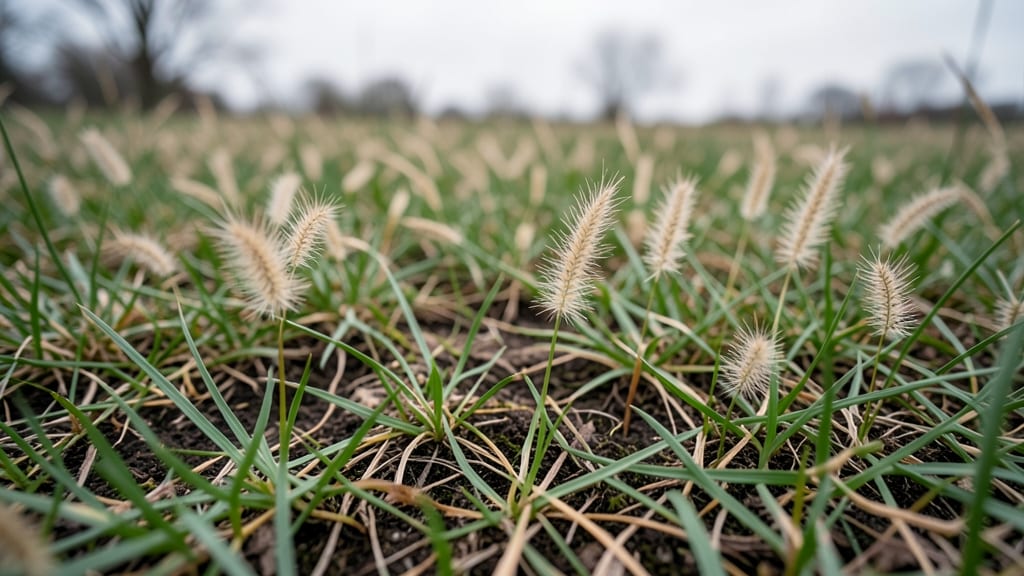
Struggling to distinguish between grass types in early spring? Look closely at those feathery seed heads—they’re your secret weapon for identifying ryegrass before other grasses even sprout.
Ryegrass stands out with its airy, plume-like seed heads that resemble tiny feathers, often appearing in late winter or early spring. Annual ryegrass has softer, less dense seed heads, while perennial varieties develop thicker, more persistent clusters. This visual clue helps you tell it apart from Kentucky Bluegrass or fescue, which lack these distinctive seed structures.
Gardeners in cooler climates will find this trait especially useful—ryegrass often serves as a temporary cover crop or overseeding choice. Just remember: those seed heads disappear once the grass matures, so act fast to spot them! 🌱
Zoysia Grass Winter Color
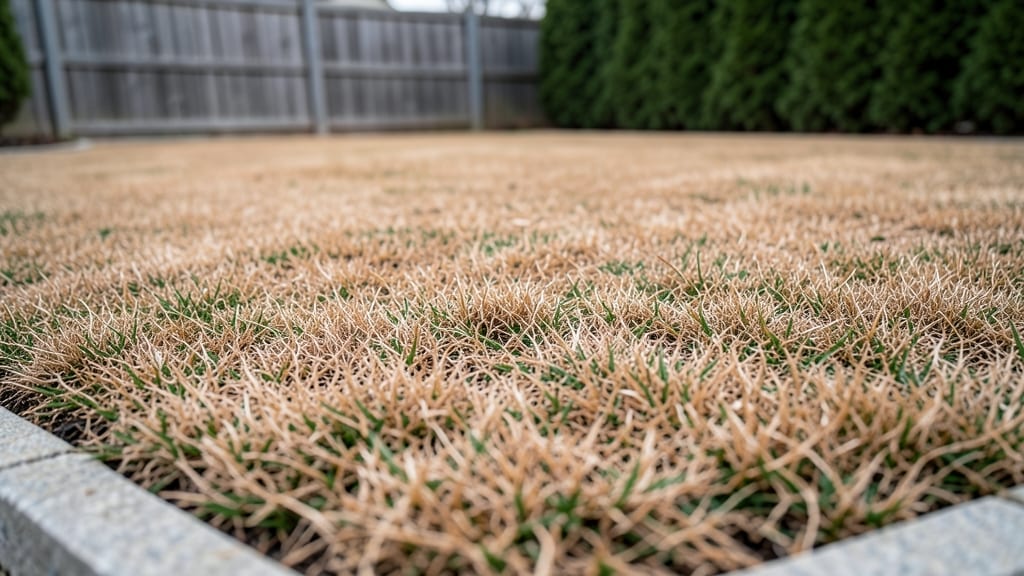
When your lawn turns a straw-like brown in winter, you’re likely looking at Zoysia grass—a warm-season variety with a distinctive dormant look that sets it apart from other types. Unlike cool-season grasses that stay green year-round, Zoysia’s winter color is a key identifier, especially in transition zones where temperatures fluctuate.
This grass enters dormancy when daytime temps drop below 60°F, turning a tan or golden hue that resembles dried wheat. The blades remain upright rather than flattening, and you might spot faint green tips in mild winters. Zoysia’s drought tolerance and slow growth make it a favorite for low-maintenance lawns in USDA zones 5-10.
If you’re in a transition climate (like the Midwest or Southeast), this winter color is your clue—Zoysia thrives in summer heat but needs less water than fescue or Kentucky bluegrass. Perfect for homeowners who want year-round beauty without constant upkeep. 🌟