
Lawn
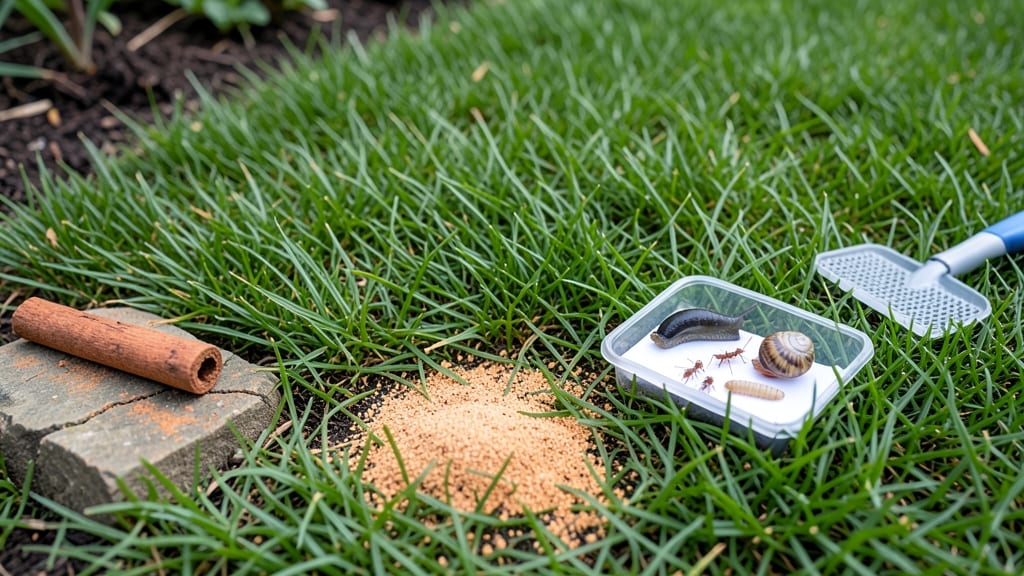
Cinnamon can effectively repel lawn pests like slugs, snails, and certain insects thanks to its potent scent and natural compounds, though results depend on the pest type and how you apply it—ground cinnamon works best for slugs, while cinnamon oil may help deter ants and spiders.
Cinnamon’s power comes from its active compound, cinnamaldehyde, which disrupts pests' nervous systems and creates a scent barrier they avoid. 🌿 For slugs and snails, sprinkling ground cinnamon around plants creates a natural perimeter, while cinnamon oil sprays work better for crawling insects like ants.
The key is consistency—reapply after rain or every few weeks, and always test a small area first to avoid harming plants. This method is pet-safe but may irritate sensitive skin, so gloves are recommended.
Unlike chemical pesticides, cinnamon works as a deterrent, not a killer, making it ideal for organic lawn care. I’ve seen best results when combining it with other natural repellents like crushed eggshells or diatomaceous earth for a layered defense.
The scent fades in heavy rain, so timing your application matters—early morning or evening works best when pests are most active.
💡 In This Article
- How Cinnamon’s Natural Compounds Fight Lawn Pests
- Best Cinnamon-Based Pest Control Methods for Lawns
How cinnamon’s natural compounds fight lawn pests
The real magic behind cinnamon’s pest-repelling abilities lies in its primary active compound, cinnamaldehyde, which makes up 60-80% of cinnamon’s essential oil.
This compound acts as a natural neurotoxin for pests—when they encounter it, cinnamaldehyde disrupts their nervous systems by overstimulating sensory receptors, creating an overwhelming sensation that drives them away. 🔥 For slugs and snails, this means their sensitive slime trails become irritated by the ground cinnamon’s abrasive texture and strong aroma, making them avoid treated areas entirely.
Cinnamon’s effectiveness also comes from its volatility—when ground cinnamon or cinnamon oil is exposed to air, the aromatic compounds quickly evaporate, creating a scent barrier that pests can detect from up to 3 feet away.
This works particularly well against crawling insects like ants and spiders, which rely heavily on scent trails to navigate. The scent lingers longer in dry conditions but dissipates faster after rain, which is why frequent reapplication is key.
Studies show that cinnamon oil’s repellent power lasts about 2-3 weeks in ideal conditions, while ground cinnamon may need weekly refreshers.
What makes cinnamon unique compared to other natural repellents is its dual-action approach: it both disrupts pests’ nervous systems and creates a physical barrier. Unlike garlic or diatomaceous earth—which rely on strong odors or abrasive textures alone—cinnamon combines these effects.
For example, while garlic’s sulfur compounds create a pungent smell that deters pests, cinnamon’s cinnamaldehyde actually interferes with their ability to process odors, making it more effective for pests that rely on scent trails like ants and roaches.
Moisture plays a critical role in cinnamon’s efficacy. Ground cinnamon works best in dry conditions because it needs to stay airborne to create that scent barrier. When rain hits, the cinnamon clumps together and loses its volatility, reducing effectiveness by up to 50%.
This is why early morning or evening applications work best—pests are most active then, and the cinnamon has time to dry before dew or rain washes it away. For maximum impact, mix ground cinnamon with a light carrier like cornmeal (which also deters pests) to improve adhesion and longevity.
When comparing cinnamon to other natural repellents, it stands out for its broad-spectrum effectiveness. For instance, diatomaceous earth works wonders on crawling insects but does nothing for slugs or snails, while cinnamon covers both. Garlic, another popular natural repellent, has a stronger odor but lacks cinnamon’s neurodisruptive properties.
The key advantage of cinnamon is its versatility—it can be used as a ground powder, essential oil spray, or even mixed into homemade pest deterrent granules, giving you multiple application options depending on the pest.
One often-overlooked factor is how cinnamon’s scent interacts with other plants. While it repels pests, some gardeners report that high concentrations near sensitive plants (like young seedlings) can inhibit growth due to the compound’s antimicrobial properties.
Always test a small area first—especially with cinnamon oil, which is more concentrated and should be diluted to 1-2% oil-to-water ratio for safe outdoor use. 🌱