
Lawn
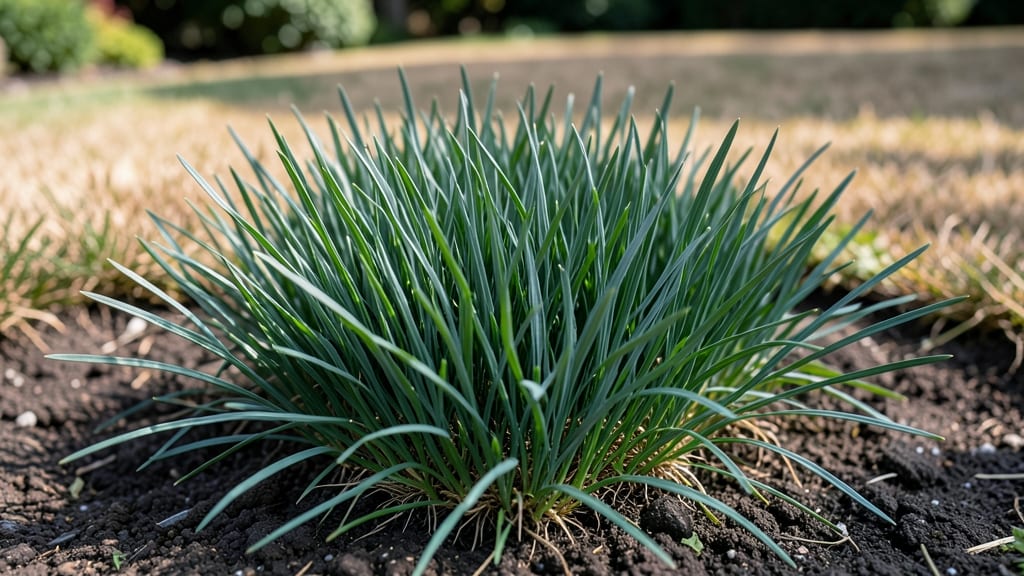
Those stubborn bright green grass patches in your lawn might be trying to tell you something—like needing a cold-stratified seed revival. 🌱 I’ve seen this happen after heavy foot traffic, fungal infections, or even overzealous fertilizing, and the fix isn’t as complicated as it seems.
The key is understanding what’s causing the uneven growth before jumping to solutions.
Most of the time, these patches aren’t a sign of disease but rather a mix of soil compaction, nutrient imbalance, or even dormant seeds finally waking up.
A simple soil test can reveal if your lawn is starving for nitrogen or struggling with pH—both of which can create these uneven spots. The good news? Once you address the root cause, your grass can recover faster than you’d expect.
By the end of this, you’ll have a lawn that’s not just green but uniformly thick and resilient. We’re talking fewer bare spots, better drought resistance, and that envy-worthy carpet of grass your neighbors will notice immediately. The secret? A few targeted steps—no mystery involved.
Whether you’re dealing with dollar spot, red thread, or just patchy growth, this method works for all common lawn issues. Let’s get your grass back to its best in no time—without breaking the bank or the back.
Hidden Causes Behind Uneven Growth
Bright green patches popping up in your lawn can be as puzzling as they are eye-catching. While they might seem like a sign of a thriving lawn, they often indicate deeper issues at play.
Understanding the root causes—whether biological, environmental, or human-induced—can help you address the problem before it spreads. Let’s break down the science behind these mysterious spots.
If your lawn has bright green patches, overwatering or compacted soil may be the culprit. Excess water creates anaerobic conditions, where roots struggle to access oxygen. In these soggy zones, certain grasses or weeds (like Poa annua or creeping bentgrass) thrive because they’re more tolerant of wet conditions.
Meanwhile, your established turfgrass may yellow or thin out due to root suffocation.
Why it happens:
- Waterlogging: Heavy clay soils or poorly sloped lawns trap water, drowning roots and encouraging moisture-loving weeds.
- Fungal growth: Excess moisture invites pathogens like Pyricularia (causing brown patch disease), which can create irregular green-and-brown patterns.
- Root competition: Weeds with shallow roots (like crabgrass) outcompete deeper-rooted grasses for nutrients in waterlogged areas.
🔍 Actionable fix: Test your soil’s drainage by digging a 12-inch hole and filling it with water. If it drains slowly (more than 4 hours), amend with compost or sand to improve aeration. Avoid watering at night to reduce fungal risks.
Bright green patches often signal a localized nutrient boost—whether from over-fertilizing, uneven spreading, or organic matter buildup (like decomposed leaves or pet waste). While nitrogen-rich fertilizers promote rapid growth, they can create "hot spots" where weeds or fast-growing grasses dominate.
Why it happens:
- Nitrogen spikes: Fast-release fertilizers (like urea) can cause sudden green-up in patches if not watered in properly.
- Phosphorus/potassium deficiencies elsewhere: If your soil lacks balance, certain areas may show lush growth while others struggle.
- Organic buildup: Decomposing mulch, grass clippings, or animal urine can create mini "compost piles" that feed weeds like dandelions or clover.
💡 Pro tip: Conduct a soil test to check pH and nutrient levels. If patches are consistently green, you may be overapplying fertilizer—switch to a slow-release, balanced formula (e.g., 16-4-8) and spread evenly.
Lawns aren’t uniform—some areas receive more sun, shade, or wind, creating microclimates that favor certain grasses. Bright green patches often appear in:
- Sunnier spots: Warm-season grasses (like Bermuda or Zoysia) may outcompete cool-season grasses in southern exposures.
- Shadier areas: Cool-season grasses (like Fescue) thrive in low light, while sun-loving weeds (like crabgrass) retreat.
- Windbreaks or edges: Increased airflow can dry out soil unevenly, creating stress zones where hardier grasses take over.
Why it happens:
Grasses have optimal temperature ranges. For example, Kentucky bluegrass stays green in cool weather but may brown in heat, while Tall fescue handles drought better. Weeds like chickweed (green and succulent) flourish in winter when turfgrass dorms.
🌡️ Actionable fix: Mow higher in shady areas (3–4 inches) to retain moisture and reduce weed invasion. If sun exposure is the issue, consider shade-tolerant grasses like Fine fescue for problem spots.
Underground pests (like grubs or chinch bugs) or soil-borne diseases (like take-all root rot) can weaken turfgrass, allowing hardier species to fill the gaps. Bright green patches may indicate:
- Grub damage: White grubs feed on roots, causing thinning turf that weeds (like crabgrass) colonize.
- Fungal dominance: Diseases like dollar spot create dead patches where Poa annua (a weed grass) takes over.
- Nematode stress: Microscopic worms attack roots, leaving areas vulnerable to invasive grasses.
Why it happens:
Weakened turfgrass loses its competitive edge. For example, Poa annua spreads aggressively in compacted or diseased soil because it’s resistant to many lawn stressors.
🔥 Solution: Inspect soil for pests (dig up a sod square—grubs = bright green patches). Treat with beneficial nematodes or milky spore for grubs. For diseases, improve airflow with core aeration and fungicides if needed.
If you’ve recently overseeded or laid sod, bright green patches could mean you mixed grass types with different growth habits. For instance:
- Annual ryegrass germinates quickly and stays green longer than perennial ryegrass.
- Clover (often added to seed mixes) turns vibrant green when nitrogen-fixing bacteria colonize roots.
- Creeping bentgrass (used in sports fields) spreads aggressively in high-traffic or moist areas.
Why it happens:
Some grasses are aggressive spreaders or have faster germination rates. If your original lawn was Kentucky bluegrass and you overseeded with annual ryegrass, the ryegrass may dominate patches until it dies back in summer.
🎯 Fix it: Choose seed mixes with compatible grasses for your climate. If clover or weeds are unwanted, spot-treat with a selective herbicide (like 2,4-D) in early spring.
Fixing Uneven Grass Growth Naturally
Bright green patches popping up in your lawn can be a sign of underlying issues—but the good news is, most are fixable with the right approach. Below, we’ve mapped out practical solutions based on the most common causes, from soil imbalances to overzealous watering.
Each fix includes prevention tips to keep your lawn lush and even long-term.
---
Cause: Excess moisture creates ideal conditions for fast-growing grass (like clover or crabgrass) or fungal issues, leading to those vibrant green spots.
How to Fix: ✅ 🔥 Adjust Your Watering Schedule - Water deeply but infrequently—aim for 1–1.5 inches per week (including rain). Early morning (4–8 AM) is best to reduce evaporation and fungal risk. - Test drainage by digging a 6-inch hole, filling it with water, and timing how long it takes to drain. If it sits for >6 hours, your lawn may need sand or compost amendments to improve aeration.
✅ 👨🍳 Aerate & Overseed - Rent a core aerator (or hire a pro) to pull plugs from compacted soil, then top-dress with compost or sand to boost airflow. - Overseed with a slow-growing, drought-resistant grass (like tall fescue or Kentucky bluegrass) to outcompete weeds.
💡 Pro Tip: If you see mushrooms or spongy grass, you’ve got a drainage and fungal issue. Apply a fungicide (like BioAdvanced Fungus Control) and consider installing French drains for chronic soggy spots.
---
Cause: Patches thrive where soil is rich in nitrogen (from pet waste, old mulch, or synthetic fertilizers) or lacking key nutrients (like potassium or phosphorus).
How to Fix: ✅ 📊 Test Your Soil First - Grab a DIY soil test kit (or send a sample to your local Cooperative Extension office) to check pH (ideal: 6.0–7.0) and nutrient levels. - Quick fixes for imbalances: - Low nitrogen? Use a slow-release organic fertilizer (like milorganite). - High nitrogen? Flush the soil with water and add gypsum to balance salts. - pH too high/low? Adjust with lime (for acidic soil) or sulfur (for alkaline soil).
✅ 🥗 Feed the Whole Lawn, Not Just the Patches - Avoid spot-treating with fertilizer—it’ll just make the problem worse. Instead, top-dress with compost (¼ inch thick) and use a balanced 10-10-10 or 16-4-8 fertilizer in early spring/fall.
💡 Pro Tip: Pet urine patches? Neutralize with garden lime and overseed—dog urine is a nitrogen bomb!
---
Cause: Bright green patches are often broadleaf weeds (dandelions, clover) or fast-growing grasses (like ryegrass) that outcompete your lawn.
How to Fix: ✅ 🌿 Manual Removal (Best for Small Patches) - Pull weeds by hand (including roots!) when soil is moist. - For clover, use a sharp knife to slice just below the soil line—it’ll regrow but weaken over time.
✅ ✨ Pre-Emergent + Overseeding (For Large Areas) - Apply a pre-emergent herbicide (like corn gluten meal) in early spring to block weed seeds. - Overseed with a dense, shade-tolerant mix (if patches are in shady spots).
💡 Pro Tip: Vinegar spray (1 gallon vinegar + 1 oz dish soap) works for spot-treating weeds—but it’ll also kill grass, so use only on bare soil patches before reseeding.
---
Cause: Some grass seeds need a cold snap to germinate properly, leading to patchy, late-season growth.
How to Fix: ✅ 🥘 Simulate Cold Stratification - If you’ve got bare spots after overseeding, cover with a thin layer of straw and lightly water for 2–3 weeks to mimic winter chilling. - For new seed, try pre-chilling seeds in a damp paper towel in the fridge for 7–14 days before planting.
✅ 🌱 Plant at the Right Time - Cool-season grasses (fescue, bluegrass): Seed in early fall (6–8 weeks before first frost). - Warm-season grasses (Bermuda, Zoysia): Seed in late spring (after soil warms to 65°F+).
💡 Pro Tip: Avoid walking on newly seeded areas for 4–6 weeks—let those roots establish!
--- Keep your lawn even and vibrant with these habits: - Mow high (3–4 inches) to shade out weeds. - Sharpen mower blades (dull blades tear grass, inviting disease). - Dethatch if thatch layer exceeds ½ inch. - Mulch clippings (they return nutrients to the soil). - Monitor moisture with a soil moisture meter (don’t guess!).
--- Final Thought: Most bright green patches are fixable—it’s all about balancing water, soil, and competition. Start with one solution (like adjusting watering or testing soil), then build from there. Your lawn will thank you with thick, uniform coverage in no time! 🌿✨
Frequently asked questions
Are bright green patches always a sign of weeds?
Not necessarily! While weeds like clover or crabgrass can create vibrant green spots, these patches often come from nutrient imbalances, overwatering, or fast-growing grass varieties like annual ryegrass. Always check for soil moisture and perform a simple soil test before assuming weeds are the culprit.
How do I tell if my bright green patches are from over-fertilizing?
Look for these clues: uneven color where fertilizer was applied, yellowing in other areas, or burn marks on grass blades. If you suspect over-fertilization, flush the soil with water and switch to a slow-release, balanced fertilizer (like 16-4-8) to avoid hot spots.
Can bright green patches be caused by fungal diseases?
Yes! Fungal issues like dollar spot or red thread often create irregular green-and-brown patterns. Check for thin, stringy grass or small brown circles (dollar spot). Improve airflow with aeration and apply a fungicide if needed.
What’s the best time of year to fix bright green patches?
Early spring (March–April) or fall (September–October) are ideal for overseeding and soil amendments. Avoid summer heat or winter dormancy periods. Cool temperatures and consistent moisture help new grass establish better.
Will vinegar kill the grass in bright green patches?
Yes, but use it carefully! A vinegar spray (1 gallon vinegar + 1 oz dish soap) kills weeds and grass alike—only apply to bare soil patches before reseeding. For existing grass, spot-treat with a selective herbicide like 2,4-D instead.