
Lawn
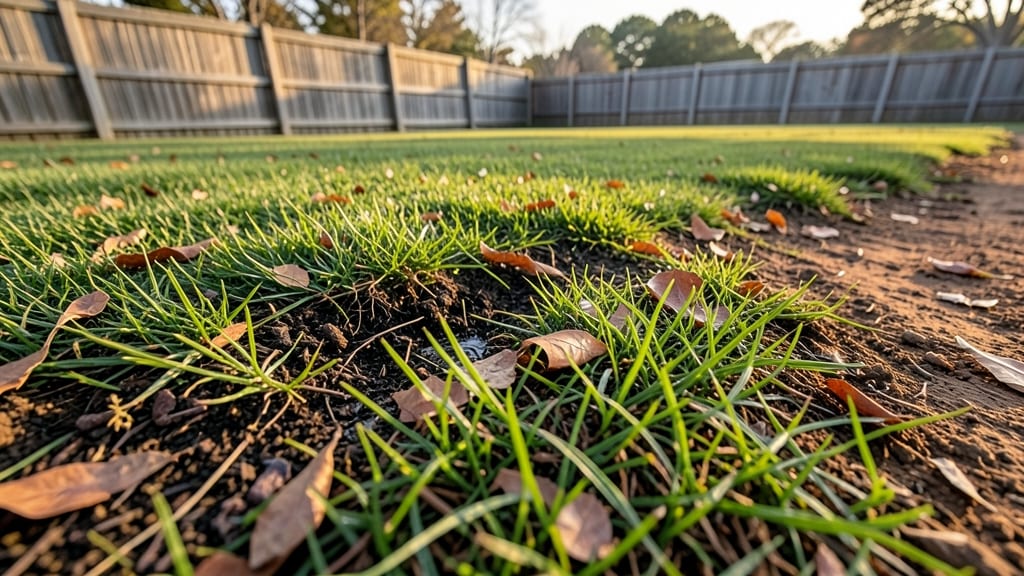
Mulching leaves into your lawn can save time and reduce waste—but is it actually good for your grass? Discover science-backed methods to turn fallen leaves into lawn fertilizer while avoiding common pitfalls that damage your yard.
Thin Layer Leaf Mulching for Spring Growth
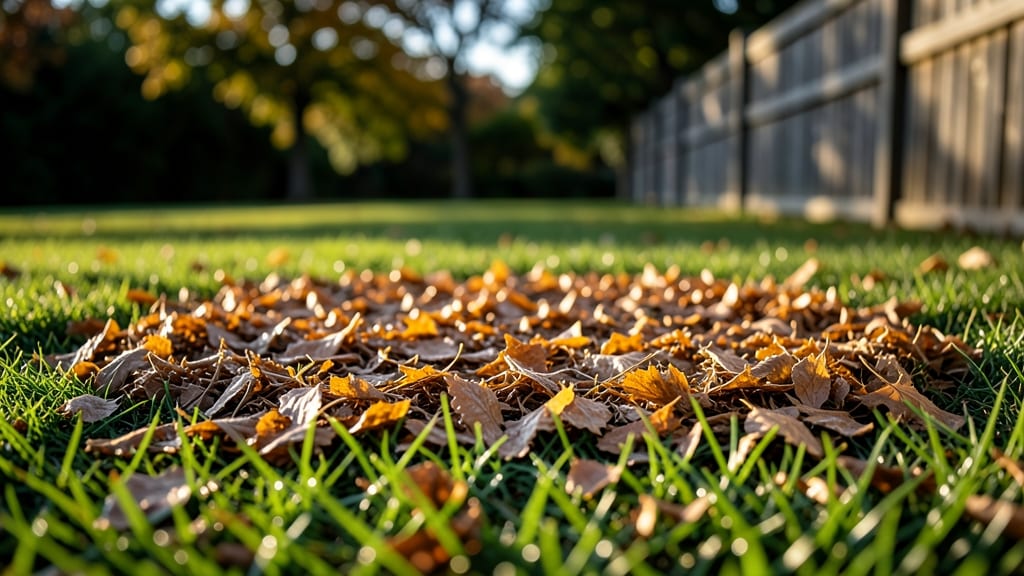
Want a lush, green lawn next spring without the hassle of spring fertilization? Thin layer leaf mulching in early fall is your secret weapon. A ¼-inch layer of shredded leaves acts like a slow-release fertilizer, feeding soil microbes and providing nitrogen for grass revival—just in time for spring growth.
Here’s the key: shred leaves first (use a mulching mower or shredder) to prevent matting and ensure even distribution. Apply the mulch in early fall (September-October) when leaves are dry but before freezing temperatures. This method works best for cool-season grasses like fescue or bluegrass, giving them a nutrient boost while protecting roots over winter.
Perfect for homeowners who want to skip spring fertilizers or reduce yard waste. Just remember: thin layers are the magic trick for healthy grass without smothering it. 🌱
Leaf Mulching in Fall for Winter Protection
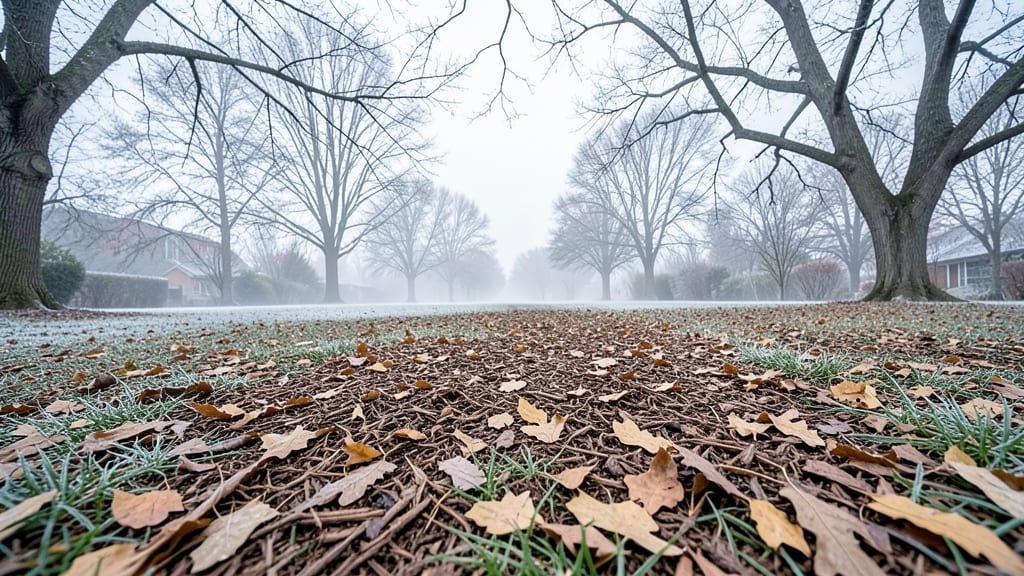
If you live in a cool climate where winter winds and freezing temperatures stress your lawn, leaf mulching in late fall could be your secret weapon against winter browning. Unlike spring mulching, this thick layer (2-3 inches) acts as an insulating blanket, protecting grass roots from temperature swings that cause dormancy damage.
Spread the leaves after your grass enters dormancy but before hard frosts—typically October to early November in most northern regions. Shredding isn’t required for this application, but avoid whole leaves if they’re thick, as they may mat. The key is maintaining even coverage without compacting the layer, which could suffocate the grass underneath.
This method is especially valuable for homeowners in areas with minimal snow cover, where exposed lawns suffer from freeze-thaw cycles. By spring, you’ll notice healthier grass recovery and fewer brown patches. 🌿
Avoiding Leaf Mat Thickness Hazards
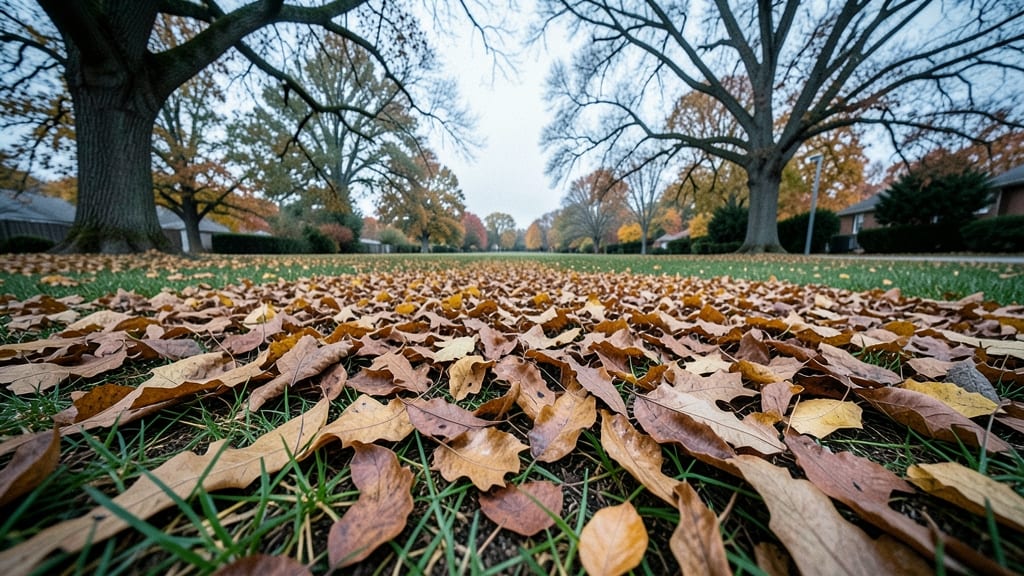
If your yard is buried under a thick blanket of leaves from towering oaks or maples, you might be unintentionally suffocating your grass. When leaf piles exceed ½ inch, they block sunlight, trap moisture, and create anaerobic zones—where oxygen is depleted, leading to fungal growth and dead patches.
This is especially critical for homeowners with large trees that drop heavy leaf cover. Instead of letting leaves accumulate, break them into smaller piles or spread them thinly (no thicker than ¼ inch) to allow air and water to reach the soil. For stubborn thick mats, use a rake to redistribute leaves evenly or shred them first for faster decomposition.
Homeowners with fine turfgrass or clay-heavy lawns should pay extra attention—thick leaf layers can worsen drainage issues and invite pests like slugs. A little prevention now saves hours of lawn repair later. 💪
Shredded vs. Whole Leaf Mulching
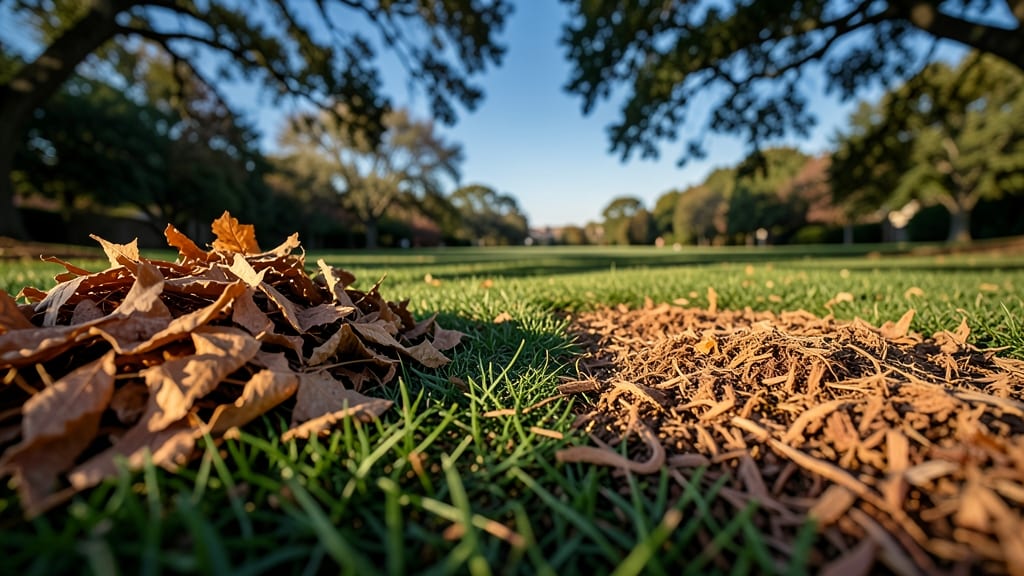
Tired of raking leaves only to end up with unsightly piles that ruin your lawn’s appearance? The difference between shredded and whole leaves can transform your yard from a leafy mess to a nutrient-rich haven—without the eyesore.
Shredded leaves decompose three times faster, blending invisibly into fine turf while feeding soil microbes. A mulching mower or leaf shredder turns them into a soft, crumbly layer that grass roots love. Meanwhile, whole leaves clump together, blocking sunlight and smothering grass—especially problematic on fine lawns where aesthetics matter.
Homeowners with manicured lawns or drought-prone grass benefit most from shredding, as it prevents thatch buildup while adding organic matter. For a quick fix, run your mower over dry leaves twice—once to chop, once to distribute evenly. 🌱
Mulching Leaves with Compost for Extra Nutrition
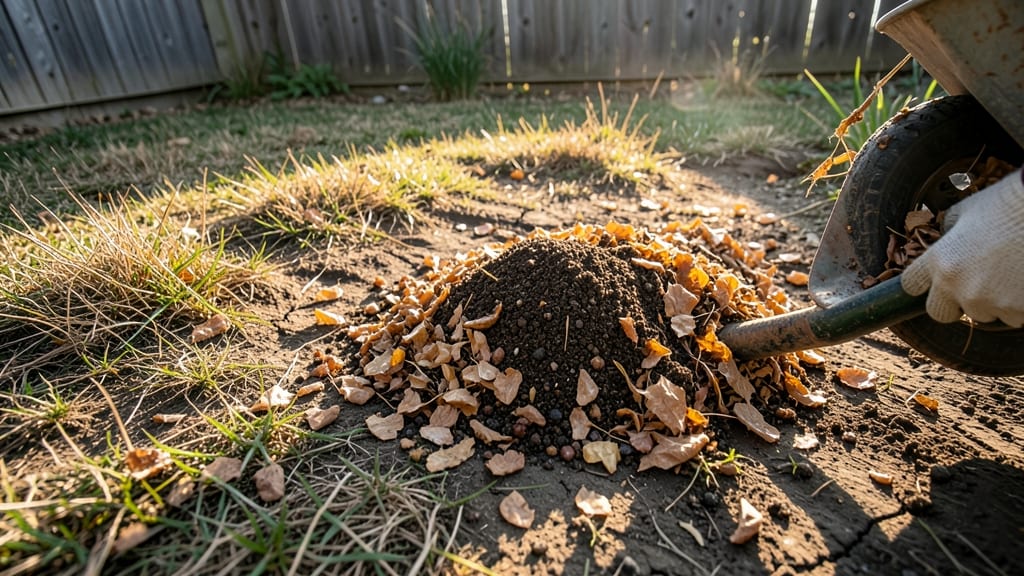
Struggling with a lawn that’s still recovering from drought or heavy foot traffic? A simple compost-leaf mix could be your secret weapon. By blending shredded leaves with just 10% compost, you’re not just speeding up decomposition—you’re adding critical phosphorus that lawns crave after stress. This nutrient boost helps roots establish faster and improves resilience against future wear.
The key is the ratio: 90% leaves to 10% compost (by volume) creates the perfect balance. Spread this mix thinly—about ¼-inch thick—over the lawn in early fall or spring. The compost introduces beneficial microbes that break down leaves faster, while the phosphorus supports root growth. For best results, water lightly after application to help the mix settle and activate.
This method is especially valuable for homeowners with high-traffic lawns or those in drought-prone areas, as it replenishes nutrients without the need for chemical fertilizers. It’s also beginner-friendly—no special tools required beyond a rake and a compost source. 💚
Leaf Mulching for Weed Prevention
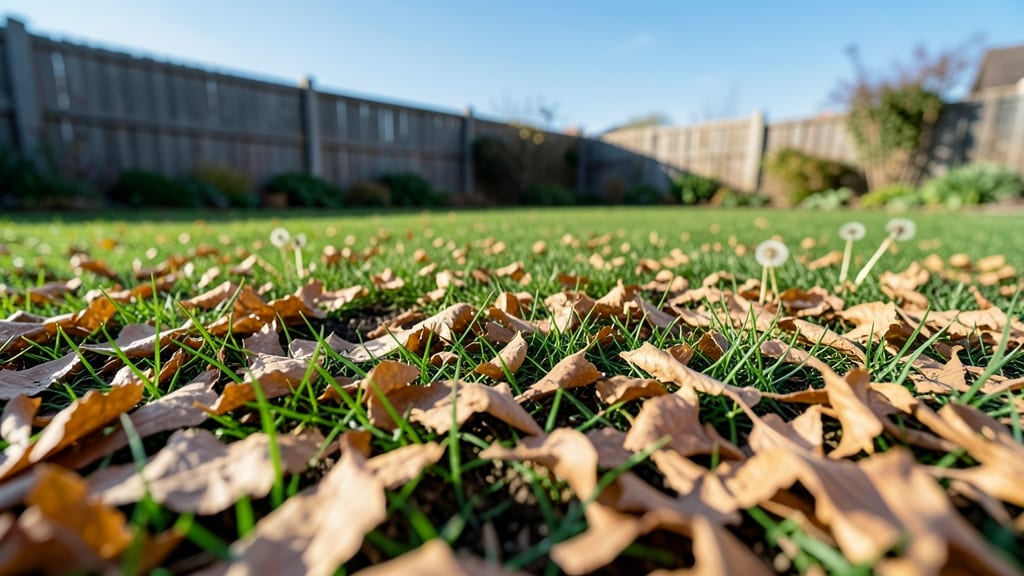
Tired of battling weeds every spring? A dense layer of shredded leaves acts as a natural weed barrier by blocking sunlight—preventing seeds from germinating before they start. This early spring strategy saves hours of manual removal while keeping your lawn looking tidy.
Apply leaves in early spring (before weeds sprout) using a ¼-inch layer—thick enough to block light but thin enough to allow grass to breathe. Focus on areas prone to weeds like driveways or high-traffic zones. For best results, shred leaves first to speed up decomposition and avoid smothering your grass.
This method is perfect for busy homeowners or those with weed-prone lawns, cutting down on herbicide use while maintaining a lush, green yard. 🌿
Mulching Leaves in Clay Soil Improvement
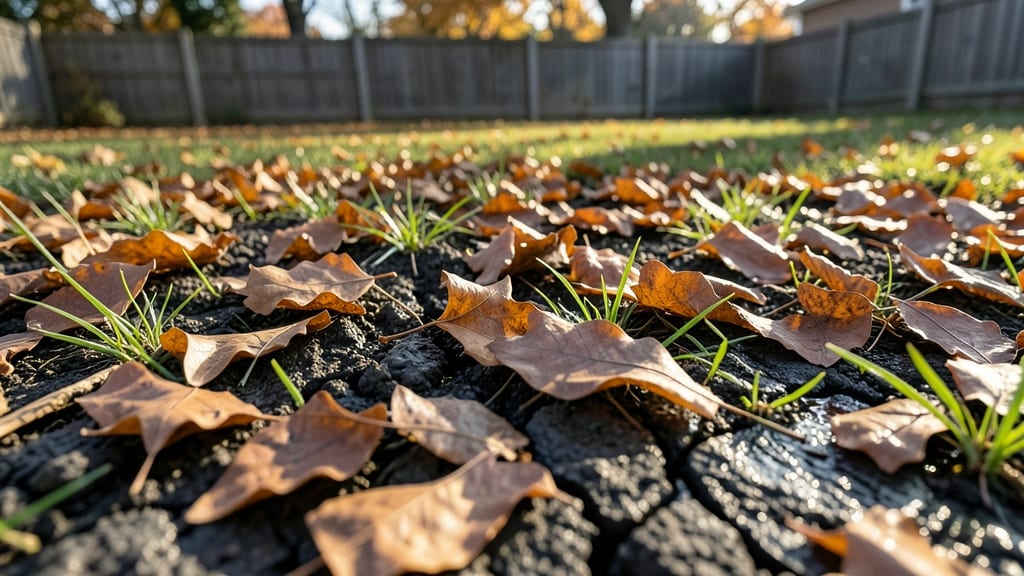
If your lawn sits in a region with heavy clay soil, mulching leaves isn’t just helpful—it’s a game-changer. Clay soil compacts easily, trapping water and suffocating grass roots, but leaves break down into humus, a sponge-like substance that improves drainage and aeration over time.
Spread a ¼-inch layer of shredded leaves in early fall before the ground freezes. As they decompose, they create air pockets in the clay, allowing water to drain instead of pooling. For best results, mix in a thin layer of sand (about 10%) to further boost drainage. This method works best in USDA zones 5-8, where clay soil is most common, and can transform a waterlogged lawn into a thriving one within a season.
Homeowners in clay-heavy areas like the Midwest or Southeast will see the most dramatic improvements, but even urban gardeners with compacted soil can benefit. Just avoid piling leaves thicker than ½ inch to prevent smothering grass. 💚
Timing Leaf Mulching for Optimal Results
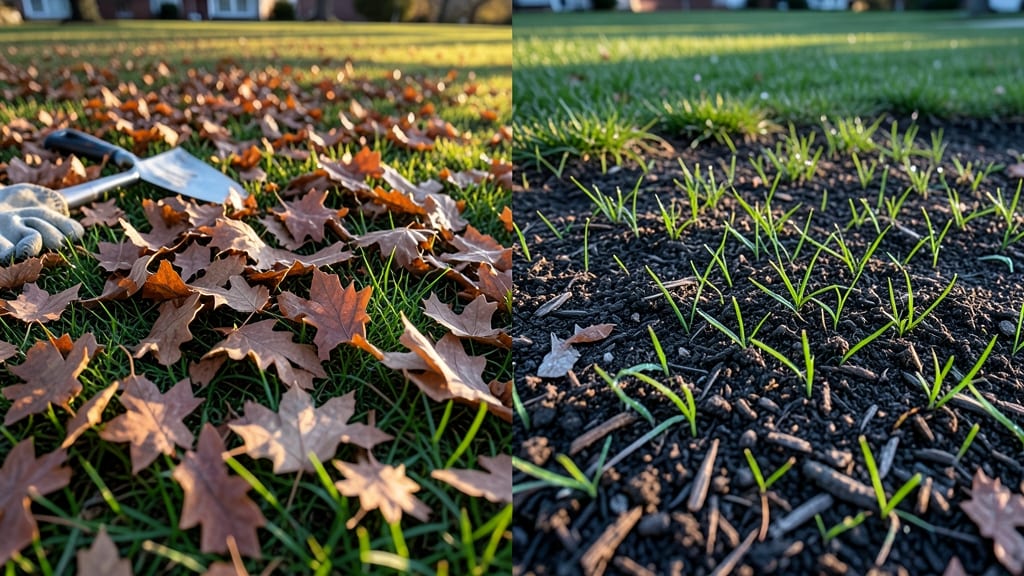
Timing your leaf mulching can transform it from a seasonal chore into a year-round lawn care strategy. The key lies in two critical windows: October-November for winter protection and March-April to kickstart spring growth—both moments when your grass needs it most.
In fall, apply a 2-3 inch layer of shredded leaves to insulate grass roots against freezing temperatures, preventing winter browning. For spring, use a thinner ¼-inch layer to warm the soil and provide slow-release nitrogen as grass wakes up. This seasonal timing ensures your lawn stays healthy without smothering it during active growing periods.
This approach is ideal for homeowners in temperate climates where seasonal shifts dramatically affect grass health. By matching mulching to your lawn's natural cycles, you create a low-effort system that works with nature. 🌱
Leaf Mulching with Fertilizer for Faster Results
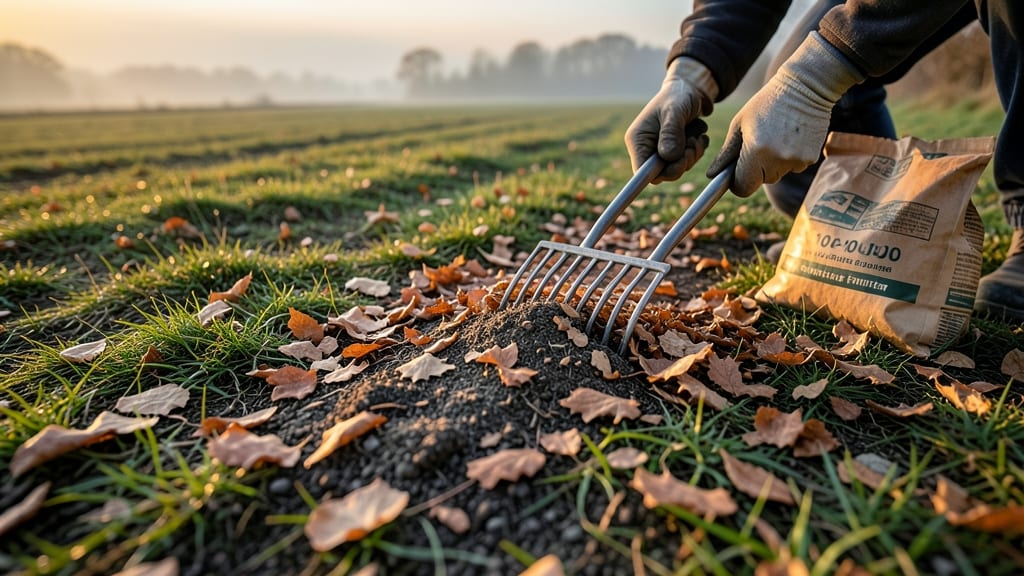
If your lawn looks tired after summer’s heat, combining leaf mulch with a slow-release fertilizer like 10-10-10 can give it a turbocharge. This dynamic duo works together to provide double the nitrogen—boosting recovery without overwhelming your grass.
Start by spreading a thin layer of shredded leaves (¼-inch thick) over your lawn, then lightly top-dress with fertilizer granules. Water gently to activate the nutrients and encourage root growth. This method is especially effective in late summer or early fall, when grass needs a nutrient boost before winter dormancy. The fertilizer jumpstarts growth, while the leaves slowly release additional nutrients as they break down.
Homeowners dealing with drought-stressed lawns or those recovering from pests will see the fastest results. Just avoid overdoing it—stick to a light application to prevent thatch buildup. Your lawn will bounce back stronger than ever. ✨
When NOT to Mulch Leaves into Lawn

Your lawn is a living ecosystem, and just like any living thing, it needs the right conditions to thrive—not just the right ones, but the wrong ones to avoid. While mulching leaves can be a game-changer for soil health, there are times when doing so could do more harm than good, especially if your lawn is already under stress.
Skip mulching leaves if your area is experiencing a drought—moisture trapped under thick leaf layers can suffocate roots and worsen dry conditions. Also, avoid mulching if your lawn is battling fungal diseases like brown patch or dollar spot, as damp leaves create the perfect breeding ground for spores. And if the leaves themselves are diseased or treated with pesticides, mulching them risks spreading pathogens or chemicals to your grass.
This advice is especially critical for homeowners with vulnerable lawns—those recovering from damage, struggling with poor drainage, or located in hot, dry climates. When in doubt, rake up the leaves and compost them instead. 💚