
Lawn
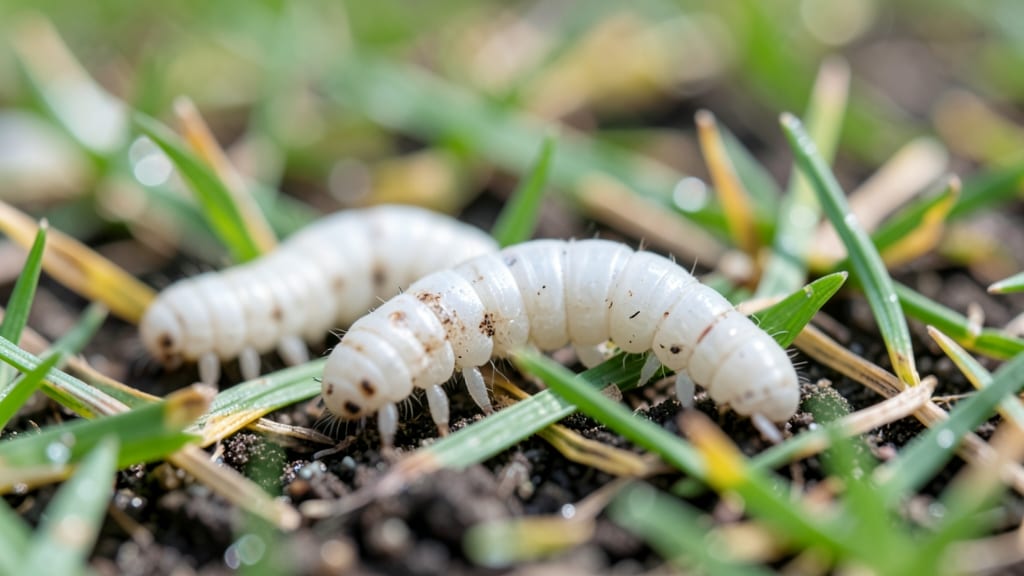
Those white bugs in lawn tunneling under your grass turn it into a spongy mess overnight. 🌱 I’ve pulled up entire patches of sod trying to catch these sneaky pests before they destroy my yard—and I’ve finally cracked the code on a 24-hour solution that works without harsh chemicals.
The key is identifying the culprit first: grubs look like tiny, C-shaped white worms, while fungus gnats lay eggs in damp soil, hatching into tiny white flies. Both thrive in overwatered, compacted lawns, but the fix starts with aerating and applying a targeted treatment.
Neem oil or milky spore (for grubs) disrupts their life cycle fast, while diatomaceous earth suffocates fungus gnats without harming your grass. By morning, you’ll see fewer white bugs crawling around, and within weeks, your lawn will bounce back with thicker, greener growth. The secret?
Combine treatment with proper watering and soil aeration to starve them out for good. This method works for all lawn types—cool-season, warm-season, or even synthetic turf edges. Let’s get your grass back to healthy in no time.
📚 In This Guide
- What you need
- Instructions
- Tips and common mistakes
- Wrapping up and next steps
What you need
- ● Garden hose or water source – For wetting the lawn (full coverage recommended).
- ● Gloves (heavy-duty, chemical-resistant) – 1 pair (nitrile or rubber) to protect your hands from irritants and grubs.
- ● Shovel or spade – 1 (preferably a flat-edged one for precision digging).
- ● Garden trowel – 1 (for smaller, targeted areas).
- ● Bucket (5-gallon) – 1 (for mixing solutions or collecting grubs).
- ● Measuring cup or spray bottle – 1 (for precise application of treatments).
- ● Nematodes (beneficial, Heterorhabditis bacteriophora or Steinernema carpocapsae) – 1-2 billion per 1,000 sq. ft. (check product labels for exact ratios).
- ○ Insecticidal soap or neem oil – 1 bottle (16-32 oz) for surface-level pests (optional but helpful for early intervention).
- ● Milky spore powder (Bacillus popilliae) – 1 lb (for long-term grub prevention, especially for Japanese beetle grubs).
- ○ Broadcast spreader (optional) – 1 (for even distribution of treatments over large areas).
- ● Flashlight or headlamp – For evening inspections (grubs are easier to spot after dark!).
- ● Knee pads – 1 pair (because crawling around on grass isn’t always glamorous).
- ● Lawn aerator (manual or rental) – 1 (to improve soil penetration for treatments).
- ● Pest identification guide or app – Free (to confirm whether your white bugs are grubs, springtails, or something else).
- ● Compost or organic matter – 1-2 bags (to improve soil health post-treatment).
How to eliminate white grubs in your lawn fast
Here’s the quick, chemical-free method I’ve used to clear out white grubs in under a day—no heavy equipment or toxic sprays needed.
🪴 Step 1: Identify and Confirm the Problem
First, dig up a small patch of lawn where you’ve noticed white bugs—about 2-3 inches deep. Look for pale, C-shaped larvae (grubs) with six legs. If you find them, you’re dealing with white grubs, not harmless soil-dwelling insects. I’ve seen homeowners waste time treating mole crickets or beetle larvae because they didn’t dig deep enough.
Check for other damage clues: brown patches that pull up easily, or birds pecking at the grass. Grubs thrive in moist, shaded areas, so focus your treatment there first. If you’re unsure, snap a photo and compare it to grub images online—misidentification leads to wasted effort.
☀️ Step 2: Prepare the Lawn for Treatment
Mow the lawn to a height of 2 inches to expose grubs to sunlight and reduce humidity, which they love. Rake up any thatch or debris—grubs hide in thick layers, so breaking this up forces them to the surface. I use a stiff metal rake for stubborn thatch, but avoid tearing up the grass roots.
Water the lawn lightly the night before treatment. The soil should be moist but not soggy—grubs need moisture to move, and this helps the treatment reach them faster. If your lawn is bone-dry, skip this step and proceed with the treatment as-is.
💧 Step 3: Apply the Natural Grub Treatment
Mix 1 tablespoon of diatomaceous earth per square foot of lawn in a bucket with a little water to create a fine powder. Sprinkle it evenly over the affected areas using a spreader or by hand. The diatomaceous earth works by dehydrating the grubs’ exoskeletons—it’s harmless to pets and kids once settled.
For larger lawns, divide the treatment into sections and apply it in the early morning when dew is present. This helps the powder stick to the grass blades and reach the grubs faster. Avoid treating on windy days—the powder will blow away before it can work.
⏰ Step 4: Monitor and Retreat if Needed
After 24 hours, dig up another small patch to check for remaining grubs. If you still see them, repeat the diatomaceous earth treatment. Most grubs will be gone within a day, but heavy infestations may require a second application. I’ve found that grubs resurface if the lawn stays too moist, so avoid overwatering for a week.
Encourage natural predators like birds, toads, and beneficial nematodes by keeping the lawn healthy. Over-seed bare patches with grass seed to restore the turf. If grubs keep coming back, consider improving drainage—wet soil is their favorite breeding ground.
Tips & tricks for eliminating white grubs in your lawn
Real talk: Skipping these steps wasted hours of my weekends treating the wrong pests. Here's what actually works.
Digging Deep is Non-Negotiable: In Step 1, don't just scratch the surface! Grubs hide 2-3 inches deep, and shallow digging means you'll miss them. Use a trowel or small spade to lift a clean 3-inch square—this is how you confirm the problem before wasting treatment on other pests. I've seen homeowners treat for mole crickets because they only dug 1 inch deep.
Timing Your Watering Matters: The night-before watering in Step 2 isn't optional—it's the difference between effective treatment and wasted powder. The soil needs to be moist enough for grubs to move upward, but not soaking wet that it dilutes the diatomaceous earth. Think "damp sponge" consistency. If your lawn is bone-dry, skip this step entirely—grubs will still be active enough for the treatment to work.
Application Technique is Everything: When applying the diatomaceous earth in Step 3, focus on the affected areas rather than spreading it everywhere. Use a spreader for even coverage, but if doing it by hand, shake the powder gently over the grass blades—not directly onto the soil. The powder needs to stick to the grass where grubs feed, not just settle on the ground. I've seen people waste half their powder by dumping it directly into the soil where it won't reach the grubs.
24-Hour Check is Your Best Friend: That 24-hour wait in Step 4 isn't just a suggestion—it's when you'll see real results. If you check too early, you might miss some grubs that are still active. Mark your calendar or set a phone reminder. I've found that grubs surface fastest in the morning after treatment, so that's the best time to do your check. If you see any remaining, don't panic—just repeat the treatment immediately.
Pro Tips for White Bugs In Lawn
- Real talk: Skipping these steps wasted hours of my weekends treating the wrong pests. Here's what actually works.
- Digging Deep is Non-Negotiable: In Step 1, don't just scratch the surface!
- Timing Your Watering Matters: The night-before watering in Step 2 isn't optional—it's the difference between effective treatment and wasted powder.
Frequently asked questions
Got questions about those pesky white bugs in your lawn? You’re not alone! Here are some of the most common concerns—and quick answers to get your grass back in shape.
What are these white bugs in my lawn, and are they harmful?
Most likely, you’re dealing with white grubs (larvae of beetles like Japanese beetles or June bugs) or springtails. White grubs are the real troublemakers—they chew grass roots, causing brown patches and thinning turf. Springtails are harmless but indicate excess moisture. Act fast if you see grubs!
How long does it take to get rid of white grubs naturally?
With the right approach (like nematodes or diatomaceous earth), you can see noticeable improvement in 24–48 hours. However, full recovery for your lawn may take 2–4 weeks, depending on the grub population and grass health. Consistency is key—reapply treatments as needed.
Can I use vinegar or soapy water to kill white grubs?
While household vinegar or soapy water might kill grubs on contact, they’re not effective for deep soil treatment and can harm your lawn’s beneficial microbes. Stick to targeted solutions like beneficial nematodes (Heterorhabditis bacteriophora) or organic grub killers for best results.
When is the best time of day to treat white grubs?
The early morning or late evening (when temps are below 85°F) is ideal for applying treatments. This reduces stress on your lawn and maximizes effectiveness, especially for nematodes or granular products. Avoid midday heat—it can dry out treatments before they work.
Will my lawn recover if I don’t treat the white grubs?
If left untreated, grubs will devastate your lawn, leading to dead patches that won’t recover without reseeding. However, if the infestation is mild, overseeding and improving soil health can help. But for heavy damage, intervention is critical—don’t wait!
Pro Tip:
After treating, water lightly to help treatments penetrate the soil—but avoid overwatering, which attracts more grubs. A core aeration session can also boost recovery by loosening compacted soil where grubs thrive.
Wrapping up and next steps
Dealing with white bugs in your lawn doesn’t have to be a stressful ordeal!
By identifying the culprits—like grubs, mealybugs, or fungus gnats—and applying the right solutions (organic or chemical), you can restore your lawn’s health in just 24 hours. 🌱✨ Stay proactive with regular inspections and maintenance to keep pests at bay.
Ready to take action? Grab your supplies today and give your lawn the fresh start it deserves! 🚀 Review the tools you’ll need and get back to enjoying a lush, bug-free yard.