
Lawn
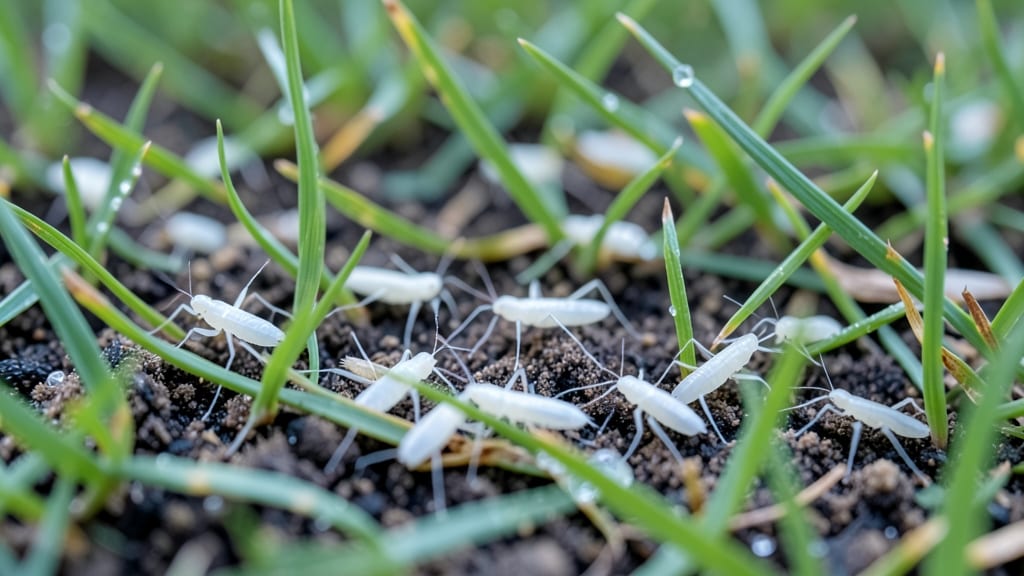
Those pesky tiny white bugs crawling across your lawn aren't just annoying—they're stealing your grass's strength. 🌱 I've battled them for years, and the key to victory starts with knowing exactly what you're dealing with before reaching for solutions.
Most people assume they're fungus gnats, but springtails or flea beetle larvae could be the culprits. The good news? Each has a foolproof eradication method that works within 2-4 weeks without harsh chemicals. I'll show you how to spot the difference and which fixes actually work.
You'll learn simple tricks like adjusting watering schedules, using natural predators, and even homemade sprays that keep your lawn healthy. No more guessing—just results that restore your grass to its vibrant green glory. Whether you're dealing with a small patch or a full-yard infestation, these steps adapt easily.
Let's get your lawn back to its best!
Root Causes Of Lawn Invaders
When those tiny white bugs start popping up in your lawn, they’re rarely just a random nuisance—they’re usually responding to specific conditions in your yard. Understanding these triggers is the first step to stopping them before they multiply.
Let’s break down the most common reasons these pests show up, why they’re drawn to your grass, and how you can address the underlying issues.
Many tiny white lawn pests—like springtails or fungus gnats—thrive in damp, soggy conditions. Here’s why:
- Excessive water retention: Overwatering creates a moist, anaerobic soil environment that these bugs love. They feed on decomposing organic matter and fungal growth that flourish in wet conditions.
- Poor drainage: If your lawn has compacted soil or slopes that pool water, moisture lingers longer, signaling to pests that it’s a prime habitat.
- Fungal food source: Damp grass encourages mold and mildew, which attract fungus-loving bugs like sowbugs or pillbugs.
Actionable fix: Test your soil’s drainage by digging a small hole—if water doesn’t seep away within 30 minutes, aerate or add sand to improve airflow. Water deeply but less frequently (early morning is best) to let soil dry between sessions.
Thatch—a layer of dead grass, roots, and debris—is a goldmine for tiny white bugs. Why?
- Food & shelter: Thatch traps moisture and organic matter, creating a cozy ecosystem for pests like springtails or sharpshooters.
- Fungal growth: Decomposing thatch becomes a buffet for fungus-feeding insects.
- Larval nurseries: Some bugs (like white grubs) lay eggs in thatch, where larvae later hatch and munch on grass roots.
Actionable fix:
- 🔥 Dethatch in early spring or fall using a rake or dethatching machine (target ½-inch layers).
- 🌡️ Reduce organic buildup by mowing high (3–4 inches) to limit thatch accumulation.
- ✨ Apply compost (not mulch) to break down thatch naturally over time.
When your lawn is nutrient-deficient, it becomes weak and stressed—making it a magnet for opportunistic bugs. Here’s the science:
- Low nitrogen: Weak grass can’t outcompete weeds or fungal growth, which pests like fungus gnats target.
- Phosphorus/potassium deficiencies: These nutrients strengthen root systems; without them, bugs like white grubs find it easier to feast on roots.
- Over-fertilization: Too much synthetic fertilizer can disrupt soil microbes, creating an imbalance that pests exploit.
Actionable fix:
- 📊 Test your soil (DIY kits or lab tests) to identify deficiencies. Adjust with a balanced fertilizer (e.g., 16-4-8) or organic options like composted manure.
- 💪 Top-dress with compost to improve soil health and microbial activity, which naturally deters pests.
Healthy lawns have a natural pest control system—birds, beetles, and beneficial nematodes keep bug populations in check. But when this balance shifts, tiny white invaders move in:
- Pesticide overuse: Broad-spectrum chemicals kill both pests and their predators (like ground beetles or spiders), creating a vacuum that pests rush to fill.
- Monoculture grass: Planting only one type of grass (e.g., Bermuda) reduces biodiversity, leaving fewer natural enemies for bugs.
- Habitat loss: Removing leaf litter, rocks, or wild areas eliminates hiding spots for predator species.
Actionable fix:
- 🎯 Skip harsh chemicals—opt for targeted treatments (e.g., neem oil for fungus gnats) or beneficial nematodes to restore balance.
- ✨ Encourage biodiversity by leaving patches of clover or native plants, which attract predatory insects.
- 🏡 Create "bug hotels" with mulch piles or log stacks to house ladybugs, lacewings, and other allies.
Most of these causes are interconnected—fixing one (like drainage) often improves others (like nutrient uptake). The key is to tackle multiple issues at once for long-term relief. Next, we’ll dive into how to tell which specific bugs are crashing your lawn party (and what to do about them).
Quick Fixes for Lawn Pests
If you’ve spotted tiny white bugs crawling across your lawn, don’t panic—these uninvited guests can usually be dealt with quickly and effectively. The key is identifying the culprit first (springtails, fungus gnats, or pill bugs are common suspects), then applying the right remedy.
Below, we’ve mapped out practical, step-by-step solutions tailored to each likely cause, plus tips to keep your lawn pest-free long-term.
Springtails thrive in moist, shaded lawns and often appear after rain. Since they’re harmless but unsightly, the goal is to reduce their habitat.
🍳 Step 1: Improve Drainage Springtails need excess moisture to survive.
If your lawn stays soggy: - 👨🍳 Rake or aerate compacted soil to help water drain faster. - 🥘 Adjust watering—water deeply but less frequently (early morning is best). - ⏰ Avoid overwatering—springtails multiply in damp conditions.
🔪 Step 2: Reduce Organic Debris
They love decaying matter. Clear:
- Leaves, mulch, or thatch buildup.
- Old grass clippings left in piles.
✨ Long-Term Prevention
- 💡 Spread a thin layer of sand (1/4 inch) over wet areas to absorb moisture.
- 🌡️ Use a dehumidifier in basements or sheds if springtails migrate indoors.
These tiny white bugs with long legs (and a love for mushrooms) indicate excess moisture and organic buildup in soil.
🍳 Step 1: Let Soil Dry Out
- ⏰ Skip watering for a few days to break their life cycle.
- 👨🍳 Use a fan to dry soil faster in shaded areas.
🥘 Step 2: Apply Diatomaceous Earth (DE)
Sprinkle food-grade DE lightly over the lawn—it’s a natural insecticide that dehydrates gnats.
- ⚠️ Reapply after rain (it loses effectiveness when wet).
🔪 Step 3: Reduce Fungal Food Sources
- 🌱 Remove thick thatch (over ½ inch) by dethatching.
- 🍄 Avoid over-fertilizing—fungus gnats love nitrogen-rich soil.
✨ Long-Term Prevention
- 💡 Water in the morning so soil dries by evening.
- 🎯 Use yellow sticky traps to monitor and reduce populations.
Pill bugs are harmless detritivores, but their presence signals too much decaying matter. They’ll disappear if you clean up their buffet.
🍳 Step 1: Clear Debris
- 👨🍳 Rake up leaves, grass clippings, and mulch—especially in shaded, damp areas.
- 🥘 Flip over rocks and logs where they hide.
🔪 Step 2: Adjust Moisture
- ⏰ Water less frequently—pill bugs seek out damp spots.
- 💡 Add coarse sand to soggy patches to improve drainage.
✨ Long-Term Prevention
- 🌡️ Mow high (3–4 inches) to reduce thatch buildup.
- 🎯 Rotate mulch with gravel or pine straw in garden beds.
If the infestation persists despite your efforts, or if you suspect grubs, ants, or other pests, consult a local lawn care specialist. Some bugs (like grubs) require targeted pesticides for full eradication.
💡 Pro Tip: Always test a small area first before applying treatments—some lawns are sensitive to changes in moisture or soil amendments. And remember: Prevention is easier than a cleanup! Regular lawn maintenance keeps these tiny white bugs from moving in permanently.
Frequently asked questions
Are these tiny white bugs actually harmful to my lawn?
Most tiny white bugs like springtails or pill bugs are harmless—they feed on decaying organic matter. However, fungus gnats or white grubs can damage grass roots. The key is identifying them first: if your lawn shows brown patches or weak growth, you may have root-feeding pests that need attention.
Why do I see more tiny white bugs after rain?
Rain creates the perfect conditions for moisture-loving bugs like springtails and fungus gnats. Damp soil and organic debris become their food source, causing populations to explode. The solution? Improve drainage and reduce thatch buildup to make your lawn less inviting.
Will diatomaceous earth work on all tiny white bugs?
No—it only works on soft-bodied insects like fungus gnats. For springtails or pill bugs, DE won't help. Use it for gnats by sprinkling lightly (reapply after rain) or try improving drainage instead for other pests.
How long until I see results after treating my lawn?
Most solutions take 2-4 weeks to show full effects. Springtails and fungus gnats respond fastest to habitat changes (drainage, debris removal). For grubs or larvae, you may need 3-6 weeks of consistent treatment before seeing recovery in grass health.
Can I use vinegar or soap sprays on my lawn?
Not recommended. Vinegar and soaps can harm grass and beneficial soil organisms. For fungus gnats, use yellow sticky traps or neem oil instead. Always choose lawn-safe solutions—your grass's health matters more than quick fixes!