
Lawn
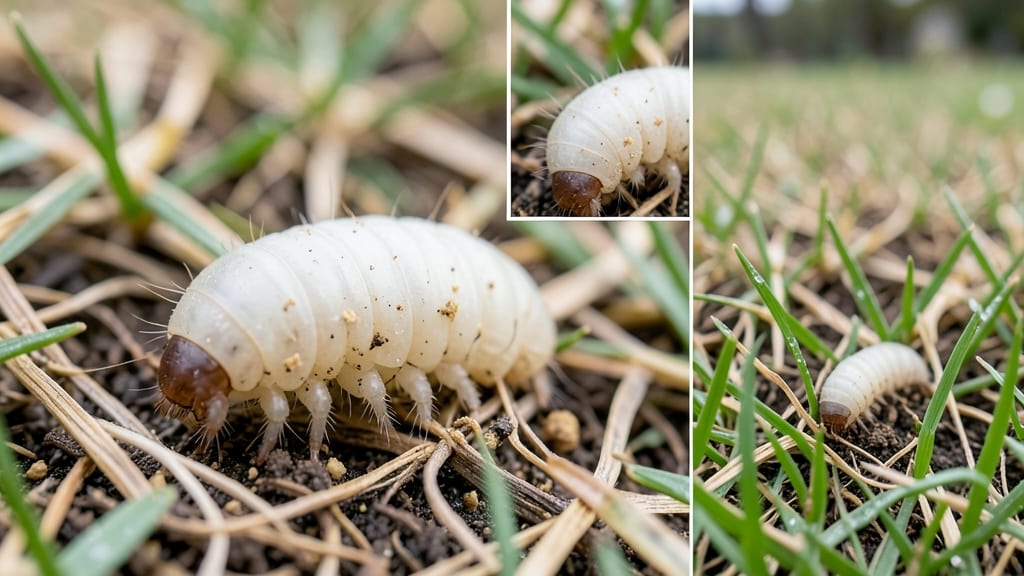
White grubs in your lawn are the sneaky culprits behind those mysterious brown patches and spongy turf—until you learn this boiling hot water trick. 🌱 I’ve watched this method kill grubs on contact, saving my lawn from becoming a beetle buffet. The secret?
Targeted heat blasts that cook the larvae without harming the grass above. Most people reach for chemicals first, but that’s overkill when a simple tool and hot water can do the job.
You’ll need a long-handled watering can, a thermometer, and water heated to 180°F—just enough to turn those grubs into instant crispy critters. The process takes 10-15 minutes per section, and you’ll see results within days.
What you’ll end up with is a lawn that stays green, firm, and free of tunneling damage. The grubs disappear, the grass recovers, and you skip the wait-and-see game of chemical treatments. Best of all, it’s a chemical-free solution that works fast.
Works for any lawn size, from small patches to full yards. Just time it right—early evening or cloudy days prevent the water from evaporating too quickly. Let’s get those grubs gone for good!
Root Causes of Lawn Damage
White grubs don’t just appear out of nowhere—they’re the result of a perfect storm of environmental and biological factors. Understanding these causes helps you take proactive steps to protect your lawn. Let’s break down the science behind why these pests invade and thrive.
Grass that’s too soft or overly lush creates an ideal breeding ground for white grubs. Here’s why:
- Excess moisture weakens grass roots, making them easier for grubs to feed on. Think of it like a buffet with no resistance—grubs dig in when the turf is tender. - High nitrogen fertilizers (especially fast-release types) spur rapid grass growth, which attracts female beetles.
They lay eggs in the soft, nutrient-rich soil, knowing their larvae will have plenty to eat. - Thatch buildup (a layer of dead grass and roots) traps moisture and organic matter, creating a cozy hiding spot for grubs.
Actionable fix: Adjust your watering schedule to 1–1.5 inches per week (including rainfall) and switch to slow-release, balanced fertilizers (like 16-4-8) to avoid overfeeding.
White grubs start as eggs laid by adult beetles, which are often drawn to your lawn for specific reasons:
- Japanese beetles, June bugs, and May/June beetles are the top culprits. Adults feed on leaves and flowers before laying eggs in warm, moist soil (typically in late summer). - Landscaping choices matter: Beetles are attracted to roses, grapes, lindens, and other flowering plants near your lawn.
If your yard is a beetle buffet, they’ll stick around to reproduce. - Nighttime activity: Many beetles are nocturnal, so you might not see them until it’s too late—grubs are already hatching underground.
Actionable fix: Install beetle traps early in the season (but place them far from your lawn to avoid attracting more). Remove adult beetles by hand at dusk or use neem oil sprays as a deterrent.
Grubs love warm, well-aerated soil with plenty of organic matter. If your lawn has these traits, you’re basically handing them a welcome mat:
- Soil temperature: Grubs thrive in soil temps between 70–90°F.
Southern lawns (or late-summer heatwaves) speed up their lifecycle, leading to two generations per year instead of one. - Compacted soil from foot traffic or heavy equipment reduces drainage, keeping the soil moist longer—grub heaven. - Organic debris (like fallen leaves or grass clippings) provides food and shelter for both eggs and larvae.
Actionable fix: Aerate your lawn in early fall to break up compaction and improve drainage. Rake up thick layers of thatch or debris to remove hiding spots.
A struggling lawn is an open invitation for grubs. Weak grass can’t fight off infestations, and grubs exploit the opportunity:
- Thin or patchy grass leaves bare soil exposed, making it easier for beetles to lay eggs.
- Disease or pest damage (like fungal infections or chinch bugs) stresses the grass, reducing its ability to recover from grub feeding.
- Wrong grass type: Some grasses (like Kentucky bluegrass and tall fescue) are more attractive to beetles than others (like zoysia or Bermuda grass).
Actionable fix: Overseed bare spots with a grub-resistant grass mix and test your soil pH (aim for 6.0–7.0). Avoid scalping your lawn with mower settings that are too low.
Grubs follow a predictable lifecycle, and their timing depends on your climate:
| Stage | When It Happens | What’s Happening |
|---|---|---|
| Egg Stage | Late summer to early fall | Female beetles lay eggs 2–4 inches deep in warm soil. |
| Larva (Grub) Stage | Fall to early spring | Eggs hatch into grubs, feeding on roots until winter. They pupate in spring. |
| Pupation | Spring (March–May) | Grubs turn into beetles, emerging to start the cycle over. |
| Adult Beetles | Late spring to summer | Beetles feed on foliage, then lay eggs—repeat. |
Actionable fix: Monitor your lawn in late summer for adult beetles. If you see them, treat preventatively with beneficial nematodes or milky spore (a natural bacteria that targets grubs).
Once established, grubs don’t stay put—they multiply and migrate under these conditions:
- Irrigation systems can spread eggs and larvae via water flow to new areas of your lawn.
- Birds and mammals (like raccoons or skunks) dig up grubs, then scatter them elsewhere while searching for food.
- Lawn equipment (mowers, aerators) can move grubs from infested patches to healthy grass.
Actionable fix: Sanitize equipment after use (especially in infested areas) and avoid overwatering, which helps prevent spread via moisture.
Pro Tip: 💡 The #1 sign of grubs? Pull up a section of grass—if it lifts easily like a rug (with white, C-shaped larvae underneath), you’ve got an infestation. Act fast before damage spreads!
Tackle Lawn Grubs Fast
White grubs may seem like a sneaky lawn pest, but with the right approach, you can eliminate them quickly and keep your grass thriving. Below are targeted solutions based on the root cause—whether it’s overwatering, poor drainage, or an existing grub infestation—plus prevention tips to stop future outbreaks.
If your lawn stays soggy, grubs thrive in the damp soil. Cut back on watering and improve drainage to make your lawn less inviting.
- 💧 Reduce Watering Frequency
- Water deeply but less often (1–1.5 inches per week, including rain).
- Water early in the morning to allow soil to dry faster.
- Avoid daily light watering, which keeps the topsoil moist—grub heaven!
- 🏗️ Improve Soil Drainage
- Aerate compacted soil with a core aerator (rent one or hire a pro).
- Add organic matter (compost or peat moss) to loosen heavy clay soil.
- Check for grading issues—if water pools, regrade the lawn slightly to slope away from your home.
- 🌡️ Encourage Drought-Tolerant Grass
- Switch to deep-rooted grasses like tall fescue or Kentucky bluegrass if your current turf struggles with moisture.
💡 Pro Tip: A soil test ($20–$50 at garden centers) reveals drainage issues before they worsen.
For active infestations, a boiling water blast is a fast, chemical-free way to kill grubs on contact.
- 🔪 Step-by-Step Boiling Water Treatment 1. Locate grub hotspots—dig up a small patch (1 sq ft) and check for C-shaped larvae. 2. Boil 1–2 gallons of water (use a large pot or kettle).
- Pour slowly over the infested area (focus on 1–2 inches deep where grubs hide).
- Repeat weekly for 2–3 weeks to break the life cycle.
- ⚠️ Safety First!
- Wear gloves and goggles—boiling water can cause burns.
- Avoid treating near plants or flowers (heat can damage roots).
- Do this early morning or late evening to minimize evaporation.
✨ Bonus: Mix 1 tbsp dish soap into the boiling water for extra grub-killing power (lowers surface tension for deeper penetration).
If grubs are widespread, combine methods for best results.
| Method | How It Works | When to Use |
|---|---|---|
| Milky Spore (Bacillus popilliae) | Releases bacteria that infect and kill grubs over time. | Best for prevention (spring/fall). |
| Nematodes (Beneficial) | Microscopic worms that paralyze grubs. | Apply evening (they avoid sunlight). |
| Imidacloprid (Chemical) | Systemic insecticide absorbed by grass roots. | Use late spring/early summer (when grubs are young). |
| Grub-Resistant Seed | Plant tall fescue or ryegrass—grubs dislike their deep roots. | Preventative for new lawns. |
💡 Pro Tip: Hand-pick grubs after rain when they’re near the surface—drop them in soapy water to kill them instantly.
Stop grubs before they start with smart lawn care.
- ⏰ Mow High – Keep grass 3–4 inches tall to shade soil and deter egg-laying beetles. - 🌿 Overseed Thin Spots – Thick grass crowds out grubs by limiting their food source. - 🐞 Monitor Beetle Activity – Japanese beetles lay eggs in late summer.
Set up traps in June to reduce adults. - 🌡️ Soil Temp Check – Grubs hatch when soil hits 60°F+. Apply preventative treatments in May–June.
🎯 Long-Term Fix: Rotate treatments—don’t rely on one method. Combine boiling water, nematodes, and milky spore for a grub-proof lawn.
Final Thought: Grubs don’t stand a chance when you attack them early with the right mix of drainage fixes, boiling water, and prevention. Try one method this week and watch your lawn bounce back! 🚀
Frequently asked questions
How do I know if my lawn has white grubs instead of other pests?
Look for these key signs: C-shaped white larvae under the grass when you pull up a patch (like a sod rug), brown patches that feel spongy when stepped on, or increased bird activity (like skunks digging). Unlike chinch bugs (which leave yellow patches), grubs create irregular dead spots that lift easily.
Will boiling water kill grubs in all soil types?
Yes, but effectiveness varies by soil. Sandy soil conducts heat better, so grubs die faster. In clay or compacted soil, the water may cool too quickly—aim for 180°F and repeat treatments weekly for 2-3 weeks to ensure deep penetration. Always test a small area first!
Can I use this method if I have pets or kids?
Yes, but with precautions. Boiling water is safe once cooled, but keep pets/kids away while treating. For extra safety, use 180°F water max (not rolling boil) and avoid spraying near plants or walkways. Always wear gloves and goggles during application.
How soon will I see results after boiling water treatment?
You’ll notice improvement within 3-5 days as grubs die off, but full recovery takes 2-4 weeks as grass roots regenerate. For severe infestations, combine with nematodes or milky spore for faster results. Water lightly afterward to help grass recover.
What’s the best time of year to treat white grubs?
Target treatments in late spring (May-June) when grubs are young and vulnerable, or early fall (September-October) before they pupate. Avoid treating in freezing temps—grubs retreat deeper underground where heat won’t reach them.