
Neem Oil
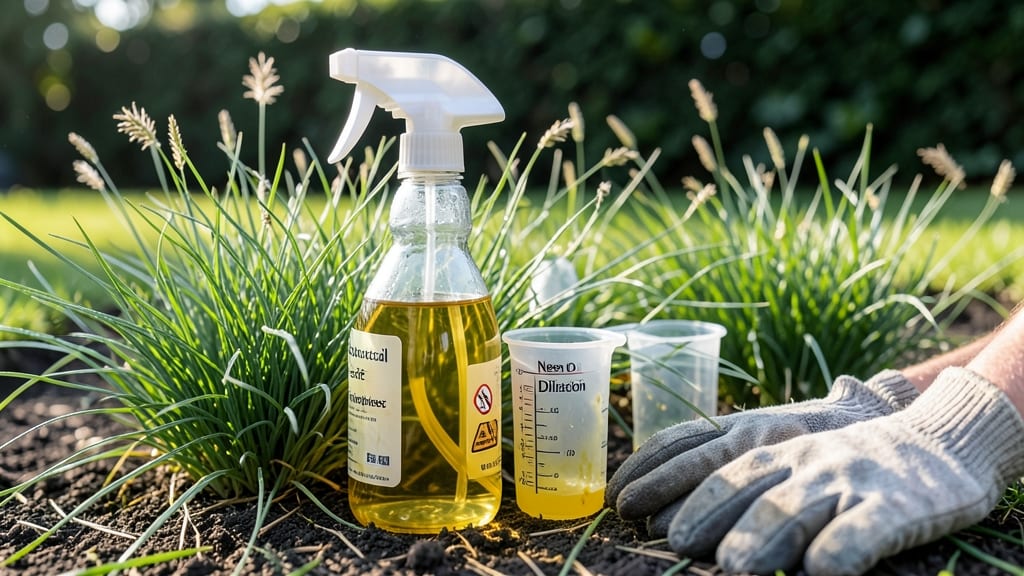
Using neem oil for lawn control disrupts grub feeding and growth cycles through its natural azadirachtin compound, while protecting grass roots with its non-toxic formula. Apply during grub-active seasons with proper dilution for optimal results.
Neem oil works as a natural grub killer by targeting their biological processes—specifically interfering with molting and feeding behaviors. 🌱 Unlike chemical pesticides that can harm grass roots, neem oil's systemic action provides protection without damaging your lawn's foundation.
The key is timing: spring and fall applications during peak grub activity maximize effectiveness while minimizing environmental impact.
For best results, I recommend mixing 2 tablespoons of neem oil per gallon of water with a few drops of dish soap as an emulsifier. Apply in the early morning or late evening to avoid UV degradation and ensure proper absorption into the soil.
Always keep pets and children off treated areas until fully dry—typically 24 hours—though neem oil's safety profile makes it a top choice for organic lawn care.
What sets neem oil apart is its dual-action approach: it kills grubs while nourishing grass roots, creating a healthier lawn ecosystem. Many gardeners swear by it as a long-term solution because it breaks the grub life cycle rather than just masking symptoms.
💡 In This Article
- How Neem Oil Disrupts Grub Life Cycles
- Step-by-Step Application Guide for Lawn Grub Control
How neem oil disrupts grub life cycles
Neem oil's grub-killing power comes from its active compound, azadirachtin, a natural insect growth regulator that interferes with the biological processes of white grubs.
This compound mimics juvenile hormones in grubs, causing their molting cycles to fail and preventing them from reaching maturity. 🌱 Unlike chemical pesticides that rely on neurotoxins to kill grubs outright, neem oil disrupts their life cycle at multiple stages—feeding, molting, and reproduction—making it a more sustainable solution.
The azadirachtin in neem oil works by binding to specific receptors in grub nervous systems, which disrupts their ability to feed properly. This leads to starvation over time as grubs lose their appetite and become less active.
Studies show that neem oil can reduce grub populations by up to 80% when applied correctly during their active growth phases, typically in spring and fall.
The oil also has a systemic effect, meaning it moves through plant tissues and protects grass roots from grub damage while the treatment remains effective.
What makes neem oil unique is its selective action—it targets grubs without harming beneficial insects like bees or earthworms. Unlike synthetic pesticides that can leave harmful residues in the soil, neem oil breaks down naturally within 3-7 days, making it safer for pets and children once fully absorbed.
This biological approach creates a healthier lawn ecosystem by addressing the root cause of grub infestations rather than just providing temporary relief.
For comparison, chemical grub killers like imidacloprid work by paralyzing the nervous system of grubs, but they often require multiple applications and can harm beneficial soil organisms. Neem oil's multi-faceted mechanism makes it a more holistic solution, especially for organic lawn care enthusiasts who prioritize long-term soil health.
The oil's ability to penetrate the exoskeleton of grubs also means it remains effective even when applied to dry soil conditions.
When applied properly, neem oil creates a protective barrier around grass roots that grubs can't penetrate easily. This is particularly valuable in preventing future infestations, as healthy grass roots establish stronger resistance against grub attacks.
The oil's natural properties also help improve soil microbial activity, which contributes to overall lawn vitality—something chemical treatments simply can't match.
What most people don't realize is that neem oil's effectiveness increases when combined with proper application timing. The compound works best when grubs are in their larval stages, which is why spring treatments (when grubs are most active) yield the best results.
The oil's natural breakdown process also means it won't linger in the environment, making it an eco-friendly alternative to persistent chemical pesticides.