
Lawn
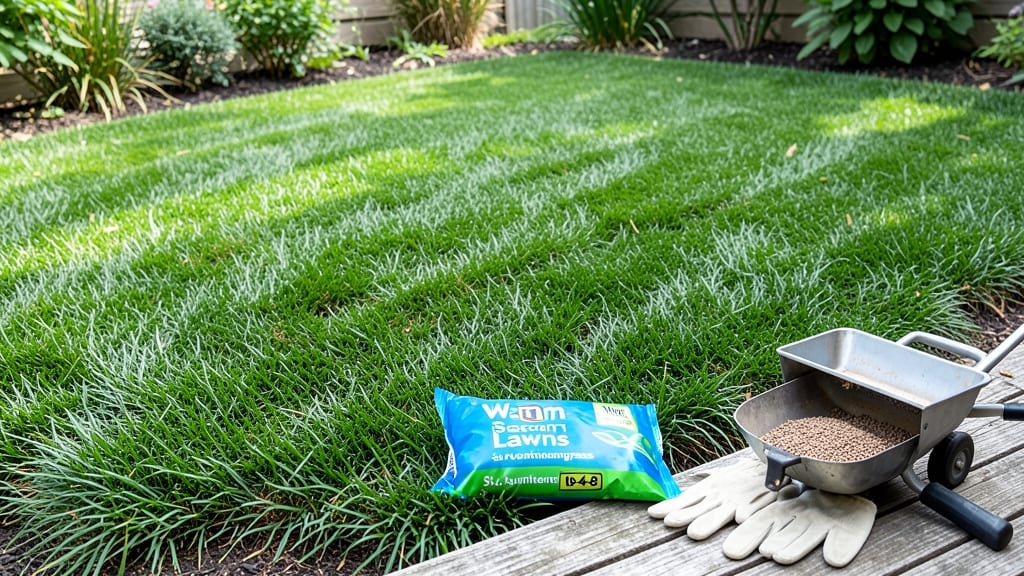
Fertilizing your East Texas lawn at the right time is the key to a thick, green carpet that survives the heat and humidity—most homeowners get it wrong by feeding too late in spring or overdoing it in summer.
East Texas’ 8a climate and humid summers mean your lawn’s growth cycle is different from northern regions. Skip the wrong timing, and you’ll either burn your grass or watch weeds take over while your wallet empties.
But nail the schedule, and you’ll have a lawn that stays ahead of the heat.
The secret lies in three critical months: early spring to kickstart growth, late summer to prep for fall, and avoiding summer entirely. I’ll break down the exact dates, the best fertilizer types for your grass, and how to spot when your lawn is actually hungry—no guesswork.
Ready to stop wasting money and grow a lawn that’s the envy of your neighborhood? Let’s get started with the science-backed schedule that works for East Texas’ tough conditions.

The 3 best months to fertilize your East Texas lawn for maximum growth
Timing your lawn fertilization in East Texas isn’t just about following a calendar—it’s about understanding how your grass responds to the region’s humidity, heat, and soil conditions.
The Piney Woods and Gulf Coast zones have distinct microclimates where a single misstep can mean wasted fertilizer or stressed grass. Science shows that fertilizing at the wrong time—like mid-summer—can actually burn your grass or invite pests.
But get the timing right, and you’ll see faster root growth, disease resistance, and a lawn that stays vibrant even during East Texas’ brutal summers.
Most homeowners make the mistake of fertilizing too late in spring or too early in fall, missing the optimal growth windows when grass is actively absorbing nutrients.
For example, Bermuda grass and St. Augustine—two of East Texas’ most popular choices—thrive when fertilized during early spring and late summer, but the exact timing shifts slightly between the cooler Piney Woods and the hotter Gulf Coast.
The key is aligning fertilization with your grass’s natural growth cycles and the soil’s moisture levels. Let’s break down the three critical months and why they work best for your East Texas lawn.
🌱 Numbered Highlights: The 3 Best Months to Fertilize in East Texas
Apply pre-emergence herbicide and light fertilizer (16-4-8 NPK) to prevent weeds and jumpstart growth before summer heat arrives.
Use a high-nitrogen fertilizer (30-0-4 NPK) when soil temps reach 65°F to encourage rapid blade growth before dormancy in summer.
Apply a slow-release fertilizer (16-4-8 NPK) to strengthen roots before winter, avoiding late-season growth that weakens grass.
Let’s start with February, often overlooked but critical for setting up your lawn’s success. This month marks the pre-emergence window—the perfect time to apply a pre-emergence herbicide alongside a light fertilizer. Why?
Because East Texas’ warm-season grasses like Bermuda and Zoysia begin their growth cycle in late winter, while cool-season weeds (like crabgrass) are just waking up. A 16-4-8 NPK fertilizer in February provides just enough nutrients to stimulate early root development without overloading the soil as temperatures rise.
In the Piney Woods, where winters are milder, February’s soil temps often hit the ideal 60-65°F range for nutrient uptake, while the Gulf Coast may see slightly warmer soils—so monitor your local weather to adjust timing.
By March, your lawn is ready for its first major feeding of the year. This is when you switch to a high-nitrogen fertilizer (like 30-0-4 NPK) to fuel blade growth before the summer heat sets in.
The USDA Zone 8a climate of East Texas means March’s average soil temps are perfect for grass to absorb nutrients aggressively. However, avoid fertilizing if your area experiences a late frost—wait until soil temps consistently stay above 65°F to prevent fertilizer burn.
Pro tip: Water your lawn deeply the day after fertilizing to help nutrients penetrate the soil and reach the roots where they’re needed most.
Skipping fertilization in summer is non-negotiable in East Texas. The intense heat and drought stress make grass vulnerable to fertilizer burn and pest infestations. Instead, focus on deep watering (1-1.5 inches per week) and mowing high (3-4 inches) to shade the soil.
But as summer winds down, September becomes your second critical month. This is when you apply a slow-release fertilizer to strengthen roots and prepare your lawn for winter.
The cooler temps and higher humidity of East Texas’ fall create ideal conditions for root growth without encouraging late-season top growth, which can weaken grass before dormancy.
One common mistake I see in East Texas is over-fertilizing in fall to “green up” the lawn before winter. This can lead to fungal issues like brown patch, especially in the humid Gulf Coast regions.
Instead, aim for a balanced approach: use a low-nitrogen fertilizer (like 16-4-8) in September and avoid any late-season applications after October.
Another tip for St. Augustine grass, which is popular in East Texas, is to reduce mowing height slightly in fall to encourage denser growth and better nutrient absorption.
To maximize your fertilization efforts, always test your soil in late winter (January-February) to check pH and nutrient levels. East Texas soils often lack organic matter due to heavy rainfall, so consider adding compost or peat moss before fertilizing.
If your soil pH is below 6.0, a lime application in early spring can improve nutrient availability. Remember, the goal isn’t just a green lawn—it’s a healthy lawn that can withstand East Texas’ challenges.
By sticking to these three key months, you’ll give your grass the best chance to thrive year-round.
Finally, keep an eye on your local weather forecasts—East Texas’
How to adjust fertilization based on your East Texas grass type (Bermuda, St. augustine, Zoysia, OR Centipede)
East Texas’ heat and humidity demand a tailored fertilization plan for each grass type. Bermuda and Zoysia thrive in summer, while St. Augustine and Centipede need gentler care. One wrong move—like fertilizing Bermuda in winter—can burn your lawn.
Let’s break down the nutrient needs and seasonal timing for each type to keep your lawn lush without wasting resources.
Your grass type dictates when and how much to fertilize. Warm-season grasses like Bermuda and Zoysia grow aggressively in summer, while St. Augustine and Centipede prefer cooler seasons. Skipping soil tests before fertilizing can lead to over-application or nutrient imbalances, both of which harm East Texas lawns.
Start by testing your soil’s pH and nutrient levels—most East Texas lawns benefit from a pH between 6.0 and 7.0.
For Bermuda grass, focus on high-nitrogen fertilizers in late spring to fuel its rapid growth. Apply a slow-release fertilizer in early fall to strengthen roots before winter. Zoysia, another warm-season grass, benefits from less frequent but higher-nitrogen feeds in summer.
Avoid fertilizing Zoysia in winter—it goes dormant and won’t use nutrients.
St. Augustine grass loves moderate nitrogen but struggles in East Texas’ heat. Fertilize in early spring and late summer to prevent stress. If your St. Augustine turns yellow, it’s often a sign of iron deficiency, not nitrogen. Centipede grass, the low-maintenance choice, thrives on low-nitrogen fertilizers. Overdoing it will burn its blades, so stick to light applications every 3 months.
One of the biggest mistakes in East Texas is fertilizing during droughts. When soil is dry, nutrients burn grass roots instead of nourishing them. Always water deeply for 24 hours before and after fertilizing.
For Bermuda and Zoysia, this means 1-1.5 inches of water per week. For St. Augustine and Centipede, reduce to 0.75 inches to avoid fungal issues.
Adjust your mowing height alongside fertilization. Keep Bermuda at 1-1.5 inches and Zoysia at 1.5-2 inches in summer to reduce stress. For St. Augustine, raise the blade to 3-4 inches in heat. Centipede should never be mowed below 2 inches.
These adjustments help your lawn retain moisture and utilize nutrients efficiently.