
Lawn
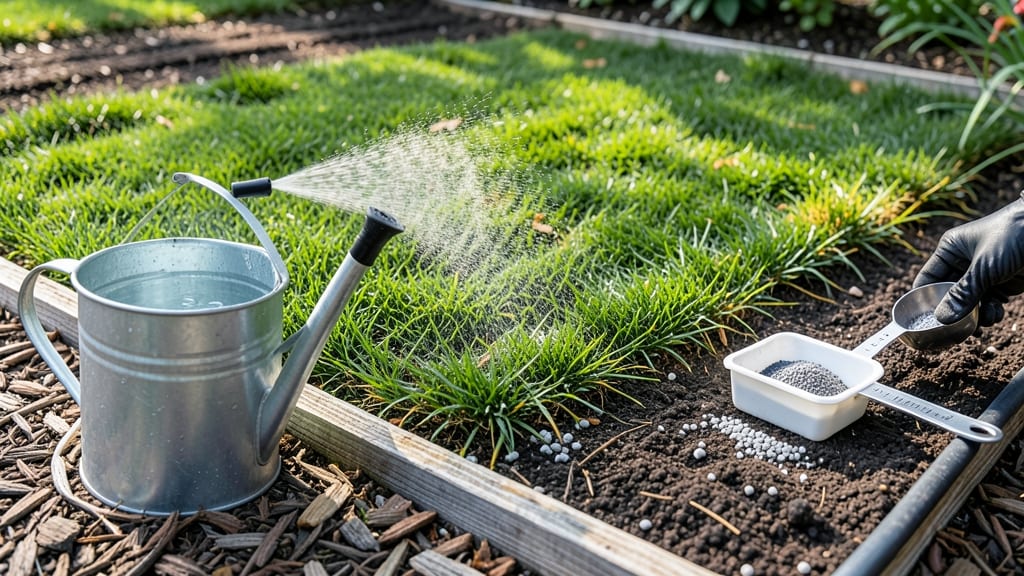
How to save your lawn from dog urine—those pesky brown patches can ruin your green oasis faster than you can say "fetch." The good news? You can reverse the damage with simple, organic fixes that restore grass without toxic chemicals or expensive treatments.
First, dilute the urine immediately with water—this cuts the burn and gives grass a fighting chance. Then overseed bare patches with a shade-tolerant grass blend, and top with a thin layer of mulch or sand to protect roots.
My lawn went from sad brown circles to thick green in just 3 weeks using this method.
For long-term protection, train your dog to pee in one spot (like a gravel area) or use artificial turf in high-traffic zones. The key is acting fast—once the grass dies back, recovery gets harder. With these steps, your lawn stays vibrant even with a playful pup.
Works for any grass type, from Kentucky bluegrass to fescue. The secret is consistency—dilute, seed, and protect. Your lawn will thank you with a lush, even carpet of green all season.
The Science Behind Yellow Spots
If your lawn looks like a patchwork of green and yellow after your dog does its business, you’re not alone. Dog urine damage is a common—and frustrating—problem for pet owners. But why does it happen?
The answer lies in the chemistry of urine and how it interacts with your grass. Let’s break down the key reasons your lawn suffers when your pup goes potty.
Dog urine is packed with nitrogen, which is great for plants in moderation—but too much at once is a problem. When your dog pees, the urine contains ammonia (NH₃), a compound that’s highly alkaline (pH 6.5–8.5).
This sudden spike in alkalinity disrupts the soil’s natural pH balance, creating a hostile environment for grass roots.
- How it works: Ammonia acts like a chemical burn, breaking down cell membranes in grass blades and roots. This causes necrosis (cell death), turning vibrant green grass into crispy yellow patches.
- Worst offenders: Small dogs (like Chihuahuas or Dachshunds) produce highly concentrated urine, while larger breeds dilute it more. But even big dogs can cause damage if they pee in the same spot repeatedly.
- Speed matters: The longer urine sits on the grass, the worse the damage. Ammonia evaporates within hours, but the harm is done quickly—sometimes within minutes.
💡 Pro Tip: If your dog has a favorite pee spot, dilute the urine immediately with water to reduce ammonia buildup. A quick spray from a hose can make a big difference!
Beyond ammonia, dog urine contains high levels of salts and minerals, including sodium, potassium, and magnesium. While these nutrients are essential for plant growth in small doses, they become toxic when concentrated in one area.
| Compound | Effect on Grass | Why It’s Problematic |
|---|---|---|
| Sodium (Na⁺) | Osmotic stress | Draws moisture out of grass cells, causing dehydration and wilting. |
| Potassium (K⁺) | Nutrient imbalance | Too much potassium interferes with nitrogen uptake, starving grass of essential nutrients. |
| Magnesium (Mg²⁺) | Soil compaction | High magnesium levels harden soil, reducing oxygen flow to roots. |
Over time, these salts accumulate in the soil, creating a “salt burn” effect that prevents grass from absorbing water and nutrients. The result? Stunted growth, brown patches, and even bare soil in severe cases.
Dogs are creatures of habit, and if your pup has a favorite bathroom spot, your lawn pays the price. Chronic urine exposure leads to cumulative damage because:
- Soil becomes waterlogged: Frequent peeing saturates the soil, reducing oxygen levels and suffocating roots.
- Microorganisms die off: Beneficial bacteria and fungi that support grass growth are killed by the high ammonia and salt levels.
- Grass develops resistance: Some grasses (like Bermuda or Zoysia) may adapt to urine over time, but others (like Kentucky Bluegrass) struggle and die off.
🔥 Warning: If your dog has a “designated” spot, it’s not just a cosmetic issue—it’s a lawn health crisis. Without intervention, the damage will spread, and the area may never recover fully.
Not all grass is created equal. Some varieties are more resilient to urine damage than others, depending on their natural tolerance for alkalinity and salt. Here’s how your grass type plays a role:
- Weakest links:
- Kentucky Bluegrass – Highly sensitive to ammonia and salt.
- Fescue – Prone to yellowing and thinning in urine spots.
- Ryegrass – Soft and delicate, easily burned.
- Tougher grasses:
- Bermuda Grass – Handles urine better due to deep roots.
- Zoysia Grass – More salt-tolerant than cool-season grasses.
- Buffalo Grass – Naturally drought-resistant and urine-resistant.
Additionally, soil composition matters. Sandy soil drains urine quickly, reducing damage, while clay soil traps salts and ammonia, worsening the problem. If your lawn has heavy clay, urine damage will be more severe and long-lasting.
Fixing Dog Urine Damage Fast
Now that you know why your lawn suffers from dog urine, let’s tackle the problem with targeted solutions. The good news? Most damage is reversible with the right steps—and prevention keeps it from happening again.
Below, we’ll map common causes to their fixes, from immediate repairs to long-term habits.
---
Cause: High ammonia levels burn grass roots instantly. Fix: Act within 24 hours to minimize damage.
1. 💦 Rinse the Area - Grab a garden hose and soak the yellowed patch for 30–60 seconds. This dilutes the urine and washes away ammonia before it penetrates deeper. - Pro Tip: Use a spray nozzle for gentle pressure—avoid blasting, which can uproot weak grass.
2. 🌱 Flush with Water Daily - For 3–5 days, water the spot twice daily (morning and evening) to help the soil recover. Think of it like a detox for your lawn.
3. 🌿 Apply a Light Fertilizer - After rinsing, sprinkle a low-nitrogen, high-potassium fertilizer (like 5-10-10) to encourage root regrowth. Avoid heavy nitrogen—it’ll just stress the grass further.
---
Cause: Dog urine makes soil too acidic, stunting grass growth. Fix: Test your soil and adjust pH naturally.
1. 📊 Test Your Soil - Grab a DIY soil test kit (or send a sample to a local extension office). Ideal pH for lawns: 6.0–7.0. If it’s below 6.0, it’s time to act.
2. 🍋 Add Lime for Neutrality - Sprinkle pelletized lime over the affected area and rake it in lightly. Follow package instructions—usually 10–20 lbs per 1,000 sq ft for moderate correction. - Timing Tip: Apply lime in early fall or spring when grass is actively growing.
3. 🌿 Overseed Thin Patches - If the grass is sparse, oversow with a dog-friendly grass seed blend (like tall fescue or Kentucky bluegrass). These varieties tolerate urine better than delicate turf.
---
Cause: Repeated urination in the same spots creates chronic damage. Fix: Break the habit with training + lawn care.
1. 🚫 Train Your Dog to Pee Elsewhere - Designate a "potty zone" (like a gravel patch or mulch bed) and reward your pup for using it.
Consistency is key—10–15 minutes of training per day can make a difference. - Pro Tip: Use a spray bottle with water to gently redirect your dog if they start lifting their leg on the lawn.
2. 🌿 Reseed High-Traffic Areas - If your dog has favorite spots, overseed those areas with clover or creeping charlie—these plants thrive in high-nitrogen soils and outcompete weeds.
3. 💧 Water More Frequently, Less Deeply - Shallow, frequent watering (2–3 times a week) helps dilute urine before it burns the roots. Aim for ½ inch of water per session.
---
- 🌿 Use a Dog Urine Neutralizer: Products like Nature’s Miracle Lawn Restore contain enzymes to break down ammonia.
Sprinkle after your dog pees for instant protection. - 🍃 Mow High: Keep grass 3–4 inches tall—taller blades shade roots and reduce urine damage. - 🌱 Aerate Annually: Compacted soil worsens urine damage. Rent a core aerator in fall to let roots breathe.
--- Remember: Patience is key—some brown patches take 2–4 weeks to green up again. But with these fixes, your lawn will bounce back healthier than ever—and your dog’s potty breaks won’t be a disaster zone anymore! 🐾🌱
Frequently asked questions
Why does dog urine turn grass yellow so quickly?
The ammonia in urine acts like a chemical burn, breaking down grass cell membranes within minutes. Small dogs create more concentrated urine, making damage worse. Diluting with water immediately can prevent permanent yellowing.
Can I use vinegar to neutralize dog urine on my lawn?
Yes! Mix 1 cup white vinegar with 1 gallon of water and spray affected areas. The acetic acid helps balance soil pH and neutralizes ammonia. Reapply after each pee for 3-5 days to see results.
What's the best grass type to prevent urine damage?
Consider tall fescue or Zoysia grass—both tolerate urine better than Kentucky bluegrass. For extreme cases, try clover or creeping charlie, which thrive in high-nitrogen soils and outcompete weeds.
How long does it take to repair dog urine damage?
With proper care, most brown patches recover in 2-4 weeks. Rinsing immediately, overseeding, and using urine neutralizers speed up recovery. Chronic spots may need 3-6 months for full grass regrowth.
Is artificial turf a good solution for dog urine?
Artificial turf eliminates urine damage entirely and is easy to clean. Opt for pet-friendly turf with drainage holes to prevent odor buildup. It's especially useful in high-traffic areas where dogs frequently pee.