
Lawn
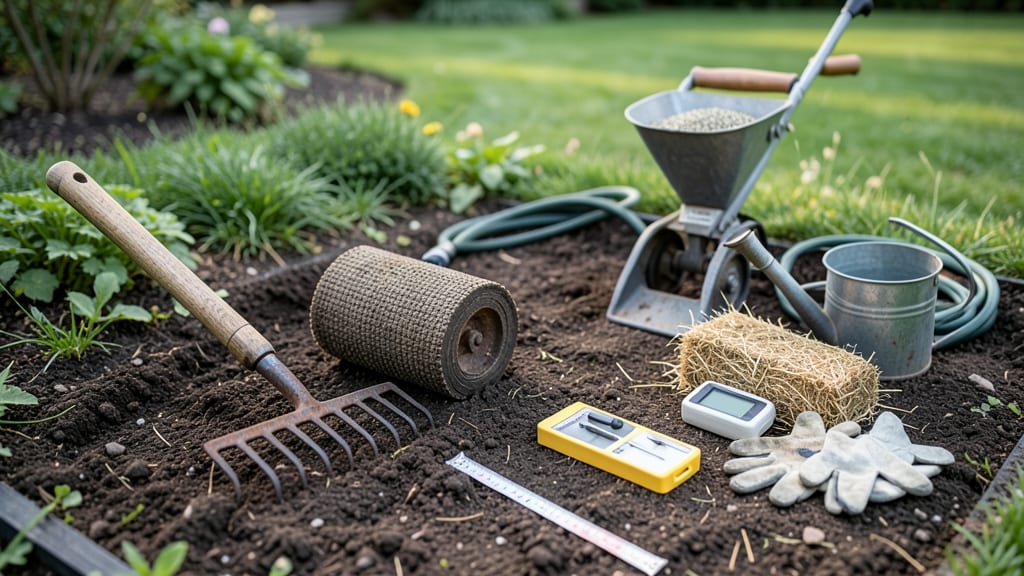
Laying a lawn with grass seed transforms bare soil into a soft, green carpet—if you follow the right steps. 🌱 The secret isn’t just spreading seed; it’s preparing the ground, choosing the right variety, and keeping moisture consistent until those first blades appear.
I’ve learned the hard way that skipping prep means patchy growth and weeds taking over. Start with a clean, level base—no rocks or clumps—then loosen the top 4 inches of soil to help roots establish.
Cool-season grasses like fescue or ryegrass thrive in early fall or spring, while warm-season types like Bermuda need summer planting. A light raking after sowing ensures even coverage, and a thin layer of straw protects seeds from drying out.
Within 2-3 weeks, you’ll see sprouts emerge, but the real payoff comes in 6-8 weeks when the lawn fills in. Water deeply twice daily (morning and evening) for the first two weeks, then taper to once daily. Avoid walking on new growth—it’s delicate until roots run deep.
This method works for small patches or full yards, and the results last years with proper care. Let’s get that seed in the ground right!
📚 In This Guide
- What you need
- Instructions
- Tips and common mistakes
- Wrapping up and next steps
What you need
- ● Grass seed: Quantity: 8–12 lbs per 100 sq ft (varies by seed type—check the label for coverage rates).
- ● Type: Choose cool-season (e.g., Kentucky bluegrass, fescue) or warm-season (e.g., Bermuda, Zoysia) based on your climate.
- ● Soil amendment: Compost or peat moss (1–2 inches, spread evenly).
- ● Starter fertilizer (high in phosphorus, e.g., 10-20-10 ratio).
- ● Tools: Rake (bow or leaf rake, medium-tooth for soil prep).
- ● Garden hose with sprayer nozzle (for watering).
- ● Broadcast spreader (for even seed distribution).
- ○ Handheld spreader (optional, for edges or small areas).
- ○ Lawn roller (optional, 100–200 lb weight for firming soil).
- ● Weather: Seed in spring or early fall (avoid extreme heat or frost). Aim for 50–70°F soil temps and predictable rain for 1–2 weeks post-seeding.
- ● Site prep: Clear debris, mark sprinkler heads, and test soil pH (ideal: 6.0–7.0). Adjust with lime or sulfur if needed.
- ● Time commitment: Plan for 1–2 days of active work + 4–6 weeks of maintenance (watering, mowing).
- ● Erosion control: Straw or netting (to protect seed from wind/washout).
- ● Mulch: Compost or peat-based mulch (¼ inch thick) to retain moisture.
- ● Seed tape: Pre-spaced seed strips for precision planting (great for slopes or high-traffic areas).
- ● Soil tester kit: DIY pH/fertility test to fine-tune amendments.
Step-by-Step instructions for laying a lawn with grass seed
Here's the foolproof method I use to create a thick, even lawn every time—no patchy spots or wasted seed.
🪴 Step 1: Prepare the Soil for Optimal Seed Contact
Start by removing all existing vegetation, rocks, and debris from your yard. I rent a sod cutter or use a sharp spade to dig up grass and weeds, then rake everything into piles for disposal. The goal is bare, level soil—anything left behind will compete with your new grass for nutrients and water.
Next, loosen the top 4-6 inches of soil using a garden tiller. This breaks up compacted layers so roots can penetrate easily. After tilling, rake the area smooth with a leveling rake, working in one direction first, then perpendicular to catch any remaining bumps. You'll know you're ready when the surface feels soft and crumbly like cake batter.
🌱 Step 2: Spread a Thin Layer of Starter Fertilizer
Apply a ½-pound of starter fertilizer per 100 square feet using a broadcast spreader. This gives your new grass an immediate nutrient boost. I like to use a slow-release formula that won't burn tender seedlings. Work the fertilizer into the top ½ inch of soil with a rake, being careful not to create clumps.
For larger areas, divide the yard into sections and mark your progress with stakes. This prevents overlap and ensures even coverage. A light dusting of fertilizer on the soil surface is perfect—you shouldn't see any granules remaining after raking.
💧 Step 3: Distribute Grass Seed Evenly for Full Coverage
Set your spreader to the recommended setting for your seed type (usually ½-pound per 100 square feet for cool-season grasses). Walk in a crisscross pattern—first lengthwise, then widthwise—to prevent streaks. I like to overlap my passes by about 6 inches to ensure no bare spots.
After spreading, lightly rake the area with a stiff-bristled rake to work the seed into the soil. This ensures good seed-to-soil contact, which is crucial for germination. You'll see seed scattered evenly but not piled up—think of it like snowfall, not a snowdrift.
☀️ Step 4: Apply a Thin Layer of Straw Mulch
Spread ¼-inch of straw mulch over the seeded area using a drop spreader. This protects the seed from drying out and washing away while allowing sunlight to reach it. Avoid using hay—it contains weed seeds that will sprout alongside your grass.
The mulch should look like a light blanket, not a thick quilt. Gently press it down with your hands or a rake to secure it, but don't compact it. This layer will help maintain moisture and regulate soil temperature during germination.
🌿 Step 5: Water Gently and Consistently for Germination
Water immediately after seeding, applying enough to moisten the soil 1-2 inches deep. Use a gentle sprinkler or soaker hose to avoid dislodging seed. I water twice daily for 10-15 minutes during the first week, keeping the soil evenly moist but never soggy.
Once germination begins (you'll see tiny green sprouts in 7-21 days), reduce watering to once daily. The key is consistency—let the top ½ inch of soil dry slightly between waterings to prevent disease. You'll know you're doing it right when the lawn feels damp like a wrung-out sponge.
Tips & tricks for perfect grass seed laying
Here's what nobody tells you about getting that flawless, even lawn—lessons I learned after patchy results my first three attempts.
The Soil Prep Secret: In Step 1, don't just till—the test is key. After tilling those 4-6 inches, press your foot into the soil. If it springs back easily, you're good. If it stays indented, till deeper or add compost to improve drainage. I once skipped this and ended up with water pooling in low spots, drowning half my seed.
Fertilizer Application Tip: When spreading that ½-pound starter fertilizer per 100 square feet in Step 2, work it into the top ½ inch by raking in small sections. The goal is to create a "sandwich" where seed sits between soil and fertilizer—this prevents burning tender roots. I learned this after seeing brown patches where fertilizer concentrated.
Seed Distribution Hack: For Step 3, mark your yard with stakes every 10 feet to create a grid. This ensures your crisscross passes stay consistent. I used to eyeball it and ended up with thick stripes and thin gaps. The 6-inch overlap is crucial—measure it with a tape measure to avoid guessing.
Watering Wisdom: Those 10-15 minutes twice daily in Step 5 should feel like a gentle rain, not a downpour. I used to blast the hose for 20 minutes, which washed away half my seed. Instead, use a rain gauge or measure the water output—you want 1-2 inches of moisture, not flooding. A soaker hose works best for even distribution.
Pro Tips for Lay A Lawn With Grass Seed
- Here's what nobody tells you about getting that flawless, even lawn—lessons I learned after patchy results my first t...
- The Soil Prep Secret: In Step 1, don't just till—the test is key. After tilling those 4-6 inches, press your foot int...
- Fertilizer Application Tip: When spreading that ½-pound starter fertilizer per 100 square feet in Step 2, work it int...
Frequently asked questions
Got questions about laying grass seed?
You’re not alone! Here are answers to the most common concerns—from timing to troubleshooting—to help you grow a thriving lawn with confidence.
What’s the best time of year to plant grass seed?
The ideal window depends on your climate and grass type. In most regions, early fall (September–October) is best—cooler temps reduce stress, and rain is often more reliable. For warm-season grasses (like Bermuda or Zoysia), plant in late spring or early summer. Avoid extreme heat or frost, which can hinder germination.
How long does it take for grass seed to grow?
Germination time varies by grass type and conditions. Most cool-season grasses sprout in 7–21 days, while warm-season varieties take 10–30 days. Keep soil moist (not soggy) and patient—full coverage may take 4–8 weeks. Thin patches might need overseeding later.
How often should I water newly seeded grass?
Water lightly 2–3 times daily (about 5–10 minutes per session) to keep the top inch of soil moist until germination. Once sprouts appear, switch to 1 inch of water per week (including rain). Overwatering can wash away seed or cause disease. A sprinkler with gentle mist works best.
What if birds or pests eat my grass seed?
Use seed covers (like straw or netting) to protect seed from birds and squirrels. For insects, apply a light layer of compost or peat moss—it deters pests without harming the seed. Avoid chemical repellents until after germination. If damage is severe, re-seed affected areas.
Can I lay grass seed over existing grass?
Yes! This is called overseeding, and it’s great for thinning lawns. Mow the old grass short, dethatch if needed, and spread seed evenly. For best results, use a high-quality blend and follow the same watering and care steps as a new lawn. Just be patient—results may take longer.
What do I do if my grass seed isn’t germinating?
Check these first: Soil temperature (too hot/cold?), moisture levels (dry or waterlogged?), and seed viability (test with a damp paper towel—seeds should sprout in 3–5 days). If issues persist, re-seed and adjust care. Sometimes, soil pH or compaction is the culprit—test your soil for clues.
Wrapping up and next steps
Laying a lawn with grass seed is a rewarding project that transforms your outdoor space into a vibrant, green retreat—and you’ve got this! By following the right steps—preparing the soil, choosing quality seed, and maintaining consistency—you’ll soon enjoy a lush, even lawn that’s the envy of the neighborhood. 🌱
Now that you’re armed with the know-how, take the next step: grab your tools, pick a sunny day, and roll up your sleeves. Your dream lawn is just a few hours (and a little patience) away!