
Lawn
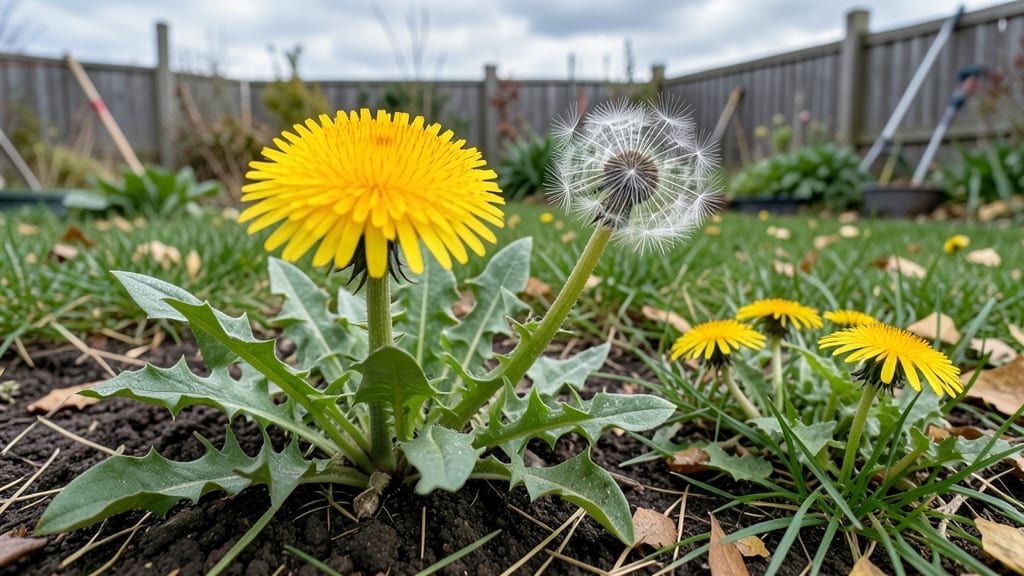
That tiny small yellow lawn weed popping up everywhere is chickweed, and it disappears faster than you think with the right move. ✨ I’ve spent too many weekends wrestling with these stubborn little invaders—until I discovered the 15-minute pull-and-die method that actually works.
No harsh chemicals, no waiting weeks for results. Just a quick session that leaves your lawn cleaner than a new mow.
The key? Timing and technique. Pull them when the soil’s damp (morning dew or after rain), and use a weeding tool or even your fingers to yank the whole root. Chickweed spreads like crazy, so don’t let it go to seed—one pull now saves you hours later.
If your lawn’s already stressed, fix that first: thick grass crowds out weeds naturally. I’ve seen lawns go from yellow-speckled to lush in just two weeks after tackling these.
You’ll know you’ve won when your lawn looks uniform and green again, with no more sneaky yellow sprouts creeping in. The best part? This method works year-round, but spring and fall are prime times to strike before they take over.
No more dreading weed season—just a quick, satisfying cleanup that keeps your lawn looking its best.
Pro tip: Keep a small hand trowel in your shed for those quick sessions. A few minutes now means zero regrowth later, and your neighbors will wonder how your lawn stays so pristine. Ready to reclaim your grass?
The Hidden Triggers Behind Tiny Yellow Invaders
Those pesky small yellow lawn weeds popping up like confetti aren’t just random annoyances—they’re the result of specific conditions your yard might be unknowingly providing. Understanding why they thrive is the first step to eradicating them for good.
Let’s break down the science behind their sudden appearances, so you can tackle the root causes with precision.
Most homeowners assume more water equals a healthier lawn, but excessive moisture is a magnet for small yellow weeds like henbit or chickweed. Here’s why:
- Soil saturation: When lawns stay soggy, grass roots suffocate from lack of oxygen, while weeds—with shallow, hardy root systems—thrive in damp conditions.
- Seed germination boost: Many yellow weeds rely on moisture to trigger seed sprouting. A constantly wet lawn acts like a weed nursery, with seeds lying dormant until the perfect soggy moment arrives.
- Fungal hitchhikers: Overwatering weakens grass and invites fungal diseases, which further stress the turf and leave gaps for weeds to exploit.
Actionable fix: Adjust your watering schedule to deep but infrequent sessions—aim for 1–1.5 inches per week (including rain). Test soil moisture by sticking a screwdriver in; if it goes in easily, you’re overdoing it. 💡 Pro tip: Water early in the morning to reduce evaporation and fungal risks.
Weeds like dandelions or ground ivy often flourish in lawns that are either scorched by full sun or smothered by shade. Here’s the breakdown:
| Extreme Sun | Too Much Shade |
|---|---|
|
|
Actionable fix:
- For sunburnt lawns: Overseed with shade-tolerant grass varieties (e.g., fine fescue) and mulch with compost to retain moisture.
- For shady spots: Thin the thatch with a rake, aerate to improve airflow, and consider a mix of sun-loving and shade-tolerant grasses.
Weeds don’t just invade poor soil—they flourish in it. If your lawn’s soil is compacted, nutrient-deficient, or lacking organic matter, yellow weeds like creeping Charlie or plantain will exploit the weakness. Here’s the science:
- Low pH or alkalinity: Most weeds prefer soil with a pH between 6.0–7.5, while grass often struggles outside 6.0–7.0. Test your soil—if it’s off, weeds fill the gaps.
- Compacted soil: Heavy foot traffic or clay soil compresses the top layer, preventing water and nutrients from reaching grass roots. Weeds, with their aggressive root systems, push through easily.
- Lack of nitrogen: Yellowing grass signals nitrogen deficiency, which weeds like dandelions (which fix their own nitrogen) can outcompete.
Actionable fix:
- Test your soil (kits cost $10–$20) and amend with compost or peat moss to improve structure.
- Core aerate in fall to relieve compaction—rent a core aerator or hire a pro for stubborn lawns.
- Apply a slow-release nitrogen fertilizer in early spring to give grass a competitive edge.
Any disruption to your lawn—whether from foot traffic, pets, or seasonal changes—creates entry points for weeds. Even small yellow intruders like henbit or shepherd’s purse seize the opportunity in:
- Thin or bare spots: Mowing too short, drought, or disease creates gaps where weeds germinate.
- Construction or repair work: Disturbed soil exposes fresh seeds to sunlight, triggering rapid growth.
- Pet urine patches: High nitrogen from urine burns grass, leaving yellowed areas perfect for weed colonization.
Actionable fix:
- Reseed bare spots immediately with a grass-weed mix designed for your climate.
- Train pets to use designated areas and dilute urine spots with water to reduce burn.
- After repairs, apply a pre-emergent herbicide (like corn gluten meal) to block weed seeds.
Now that you know the why, the next step is action—because once you address these triggers, those small yellow lawn weeds stand zero chance of sticking around. 🚀
Quick Fixes for Stubborn Lawn Invaders
Tired of those pesky small yellow lawn weeds stealing your grass’s spotlight? The good news? You don’t need a chemistry degree or hours of backbreaking labor to banish them. Below, we’ve mapped out targeted solutions based on the most common causes—so you can tackle the problem head-on without guesswork.
Before grabbing tools or chemicals, confirm the culprit.
Small yellow weeds often fall into these categories: - Chicory or Dandelion Seedlings (tall, thin, or rosette-shaped) - Henbit or Chickweed (low-growing, fuzzy, or spreading) - Crabgrass or Spurge (broadleaf or grass-like with milky sap) - Nutrient-Deficient Grass (yellowing grass mimicking weeds)
Pro Tip: 💡 Grab a magnifying glass or snap a photo—apps like PlantNet can help ID unknowns in seconds!
For early-stage infestations, your hands (and a few tools) are your best defense.
👨🍳 Step 1: Timing Is Everything
- Pull when soil is moist (after rain or watering) to avoid breaking roots.
- Morning or evening pulls are gentler on your back and reduce weed regrowth from heat stress.
🔪 Step 2: Tools of the Trade
| Weed Type | Best Tool | How to Use |
|---|---|---|
| Dandelions/Chicory | Dandelion digger or fork | Slide under the taproot; wiggle to loosen. |
| Henbit/Chickweed | Hand trowel or gloved hands | Grasp at the base; pull slowly to avoid snapping. |
| Crabgrass | Weeding knife or hoe | Cut just below soil level; repeat weekly. |
| Spurge | Vinegar spray (see below) | Manual pull + follow-up spray for stubborn spots. |
⏰ Step 3: Prevent Regrowth
- Rake the area to expose hidden seeds.
- Water deeply afterward to help grass recover.
- Re-seed bare spots with dense, weed-resistant grass (e.g., tall fescue or perennial ryegrass).
Skip the harsh stuff with these natural alternatives:
🍳 Boiling Water or Vinegar
- For small patches: Pour 1 cup white vinegar + 1 tbsp dish soap into a spray bottle.
Target leaves (avoid grass!). - For large areas: Boil water and pour directly on weeds—works best on broadleaf weeds like chickweed. - Caution: 🌡️ Test a small patch first—vinegar can harm thin grass.
🌿 Corn Gluten Meal (Preventative)
- When to use: Spring or fall, before weeds germinate.
- How: Spread 20 lbs per 1,000 sq ft and water in. Blocks weed seeds from sprouting for up to 6 months.
- Bonus: Adds nitrogen to soil!
🍂 Mulch or Smother
- Cardboard + Mulch: Lay down wet cardboard over weeds, then top with 3–4 inches of mulch (straw or wood chips). Blocks sunlight in 4–6 weeks.
- Newspaper Trick: Wet newspaper + mulch works too—just avoid glossy pages (ink issues).
If weeds return week after week, targeted herbicides can help—but use them wisely:
🎯 Selective Herbicides (Grass-Safe)
- Products: 2,4-D or triclopyr (look for "weed-and-feed" with fertilizer).
- How: Apply on a dry, wind-free day. Water lightly after 24 hours.
- Best for: Dandelions, clover, and broadleaf weeds.
🚫 Non-Selective Herbicides (Spot Treat Only)
- Products: Glyphosate (Roundup) or vinegar-based sprays.
- How: Use a paintbrush or pump sprayer for precision. Avoid overspray on grass.
- Best for: Driveways, sidewalks, or bare soil—not your lawn.
⚠️ Warning: Always read labels! Some herbicides require reapplication or can harm desired plants.
The real win? Stopping weeds before they start. Try these low-effort habits:
- 💪 Mow High: Set your lawnmower to 3–4 inches—taller grass shades out weeds and crowds them.
- 🌧️ Water Deeply, Less Often: 1–1.5 inches per week encourages deep grass roots that outcompete weeds.
- 🔄 Overseed Annually: Fill thin spots with dense grass varieties (e.g., Kentucky bluegrass).
- 🕰️ Stay Ahead: Pull weeds when they’re small—it takes 10x less effort than waiting!
- 🌱 Feed Your Grass: Apply slow-release fertilizer in early spring and fall to keep grass healthy and hungry weeds weak.
| Task | Time Needed | Tools Needed |
|---|---|---|
| Pull visible weeds | 5–10 mins | Gloves, trowel, bucket |
| Spot-treat stubborn ones | 2–5 mins | Vinegar spray or herbicide |
| Rake & overseed | 5 mins | Rake, grass seed |
| Water deeply | 5 mins | Hose or sprinkler |
Result: A weed-free lawn in under 15 minutes—with no harsh chemicals or back pain! 🚀
Need a deeper dive? Check out our [DIY Weed-Killer Recipes](#) or [Grass Health Guide](#) for more pro tips!
Frequently asked questions
What’s the fastest way to get rid of small yellow lawn weeds?
For immediate results, pull them when the soil is damp (after rain or watering) using a hand trowel or gloved hands. Focus on henbit or chickweed—these spread quickly, so remove the whole root to prevent regrowth. For stubborn patches, spot-treat with a vinegar solution (1 cup white vinegar + 1 tbsp dish soap) on a dry, sunny day. Always test a small area first!
Are small yellow weeds harmful to my lawn?
Not directly, but they compete with grass for water, nutrients, and sunlight. Weeds like chickweed or dandelion seedlings spread aggressively, weakening your lawn’s health over time. The real risk? Ignoring them lets them go to seed, creating a never-ending cycle. A healthy lawn crowds out weeds naturally—focus on thick, dense grass to keep them in check.
Why do these weeds keep coming back after I pull them?
Most likely, you’re missing the roots or seeds. Weeds like henbit have deep taproots, while others (like chickweed) spread via tiny seeds that blow in the wind. To break the cycle: pull weeds before they flower, rake the area to uncover hidden seeds, and overseed bare spots with dense grass seed. Preventative steps like corn gluten meal (applied in spring) also block new seeds from sprouting.
Can I use herbicides on my lawn without killing the grass?
Yes, but choose selective herbicides like 2,4-D or triclopyr, which target broadleaf weeds (like dandelions) while sparing grass. Always follow label instructions: apply on a dry, wind-free day and water lightly after 24 hours. For spot treatments, use a paintbrush or pump sprayer to avoid overspray. Non-selective options (like glyphosate) should only be used on driveways or sidewalks, never lawns.
What’s the best time of year to tackle small yellow weeds?
Spring and fall are ideal—weeds like chickweed and henbit germinate in cool, moist soil. Pull them before they flower (usually March–May and September–November). In summer, focus on watering deeply but less often to stress weeds, not grass. Avoid treating in extreme heat or drought, as stressed grass may not recover well.