
Lawn
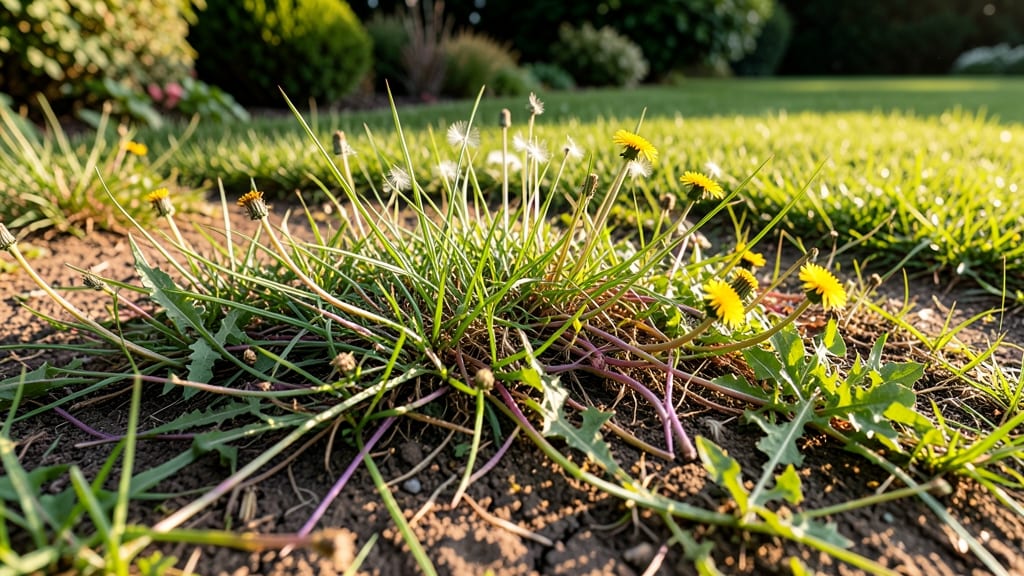
Your lawn looks like a battleground of wiry invaders. 🌱 Problem grasses like crabgrass, nutsedge, and creeping Charlie don’t just ruin the look—they steal nutrients from your grass, leaving it thin and patchy.
I’ve fought them for years, and I’ve found the fastest way to reclaim your lawn in just 7 days without harsh chemicals or endless pulling.
The real issue starts with soil—compacted, poor, or uneven. Problem grasses thrive where your lawn grass struggles, and most store-bought solutions only mask the problem. Instead, we’ll tackle the root cause: smothering the weeds, feeding the good grass, and fixing the conditions that let them take over.
No more wasting weekends on futile battles with a weeder.
By day 7, you’ll see thick, green grass pushing back against those stubborn weeds. The secret? A mix of targeted removal, smart watering, and a little elbow grease. You’ll also learn how to keep them from coming back—so next summer, your lawn stays lush and weed-free without constant effort.
Works for any yard, from small suburban patches to large backyards. Let’s get your lawn back—and keep it that way.
The Hidden Triggers Behind Grass Takeovers
If your lawn is slowly becoming a patchwork of unwanted grasses, the culprits are likely lurking in plain sight—or even hidden beneath the surface. Understanding why these problem grasses invade and thrive is the first step to reclaiming your yard. Let’s break down the science behind their persistence.
Unwanted grasses often seize control when your lawn’s foundation is weak. Soil health directly impacts grass resilience, and when conditions favor weeds over your desired turf, they’ll move in fast. Here’s why:
- Compacted Soil: Heavy foot traffic, machinery, or clay-heavy soil compresses the root zone, restricting oxygen and water flow. This weakens desirable grasses while leaving gaps for aggressive invaders like crabgrass or nutgrass to exploit.
- Low Organic Matter: Soil lacking compost, mulch, or decomposed plant material struggles to retain moisture and nutrients. Problem grasses, such as dallisgrass, thrive in nutrient-poor conditions because they grow quickly and shallowly, outcompeting deeper-rooted turf.
- Imbalanced pH: Most lawn grasses prefer a pH between 6.0 and 7.0. If your soil is too acidic (<6.0) or alkaline (>7.5), it disrupts nutrient uptake, making your lawn vulnerable. Bermudagrass, for example, tolerates a wider pH range but still struggles in extreme conditions.
💡 Pro Tip: Test your soil’s pH and compaction levels with a simple kit (available at garden centers). Amending with gypsum (for compaction) or lime/sulfur (for pH) can restore balance before reseeding.
Grasses like goosegrass and chickweed exploit stress signals from your lawn. When environmental factors create weak spots, they pounce. Key stressors include:
| Factor | How It Helps Weeds | Solution |
|---|---|---|
| ✅ Drought | Desirable grasses go dormant, leaving bare soil for fast-growing weeds like crabgrass (which germinates in hot, dry conditions). | Water deeply 1–2 times per week (1 inch total) to encourage deep roots. |
| ❄️ Freeze-Thaw Cycles | Winter damage creates gaps where annual bluegrass or henbit sprout early in spring. | Apply a thin layer of mulch or straw in late fall to protect soil. |
| 🌞 Excess Sun or Shade | Too much sun stresses grasses, while too little shade encourages nutsedges (which thrive in moist, shady areas). | Choose shade-tolerant grasses (e.g., fine fescue) or prune trees to balance light. |
🔥 Key Insight: Problem grasses often target lawns that are either overwatered or underwatered. Aim for consistency—most weeds can’t handle steady moisture like turfgrass can.
Even the best-intentioned lawn care can backfire if timing, technique, or products are off. Here’s how common errors pave the way for invaders:
- Skipping Overseeding: Thin lawns (from wear, disease, or poor seeding) leave open spaces. Dallisgrass and barnyardgrass fill these gaps aggressively, especially in warm seasons.
- Over-Fertilizing: Excess nitrogen promotes rapid (but weak) growth in turf, while weeds like chickweed thrive on low-nutrient conditions. A slow-release, balanced fertilizer (e.g., 16-4-8) supports healthy competition.
- Improper Mowing: Cutting grass too short (<2 inches) stresses roots, while leaving clippings too long can smother soil. Crabgrass loves short turf, while tall clippings create a damp microclimate for nutgrass.
- Ignoring Thatch: A thatch layer >0.5 inches thick blocks water and air, suffocating roots. Weeds like goosegrass exploit this barrier to germinate.
🎯 Action Step: Adjust your mowing height to 3–4 inches for cool-season grasses or 2–3 inches for warm-season types. Use a dethatching rake in spring to break up compacted layers.
When your lawn’s health declines due to hidden threats, problem grasses move in like opportunistic tenants. Common biological culprits include:
- Grubs and Insects: White grubs (larvae of beetles) chew roots, creating dead patches where crabgrass or clover take hold. Even fungal diseases like brown patch or dollar spot weaken turf, leaving gaps.
- Fungal Pathogens: Diseases like snow mold (winter) or powdery mildew (summer) stress grass, making it susceptible to weed invasion. Chickweed, for example, thrives in disturbed, disease-ridden soil.
- Animal Damage: Rabbits, deer, or even pets can create bare spots. Annual bluegrass often invades these areas due to its fast germination.
🌡️ Prevention Tip: Treat grubs with beneficial nematodes in early summer and apply fungicides (like propiconazole) if diseases appear. Repair animal-damaged areas with sod patches or seed immediately.
Now that you know why problem grasses take over, the next step is to address these root causes—starting with a 7-day action plan to crowd out weeds and revive your turf.
How to Fix Stubborn Lawn Invaders
Now that you know why those pesky grasses and weeds are crashing your lawn party, it’s time to kick them to the curb—for good. The key is a targeted, multi-step approach that tackles each type of invader with the right tools and techniques.
Below, we’ve mapped out practical solutions for the most common causes, from overgrown weeds to aggressive grass spread, plus prevention tips to keep your lawn lush and weed-free long-term.
Cause: Germinate in warm soil, spread quickly, and steal nutrients from your grass. Solution: Smother, pull, and prevent—no chemicals needed (but they work too!).
🍳 Step 1: Pre-Emergent Barrier (Best for Prevention)
- When: Apply pre-emergent herbicide (like pendimethalin) 4-6 weeks before crabgrass season (usually late spring).
- How: Spread evenly over your lawn with a broadcast spreader—follow label rates!
- Pro Tip: 💡 Water lightly after to help it activate in the soil.
👨🍳 Step 2: Manual Removal (For Existing Patches)
- Pull early: Crabgrass is easiest to remove when young and small (before it goes to seed).
- Tool up: Use a weed puller or digging fork to get the entire root.
- Post-pull: Fill holes with compost or topsoil to prevent bare spots.
🥘 Step 3: Post-Emergent Spray (For Stubborn Patches)
- Best for: Mature crabgrass or weeds like chickweed.
- Products: Glyphosate (Roundup) or 2,4-D (for broadleaf weeds).
- Safety First: Spray only on target weeds, avoid desirable grass, and water in after 24 hours.
⏰ Prevention for Next Year
✅ Mow high (3–4 inches) to shade out weeds. ✅ Fix bare spots with overseeding in fall. ✅ Improve soil health with compost or organic matter—healthy grass = fewer weeds!
Cause: These grasses spread via rhizomes and stolons, choking out your lawn. Solution: Cut off their food supply, smother, and replace.
🔪 Step 1: Hand-Pull or Dig (Small Patches)
- Best time: After rain (soil is soft).
- Tool: Use a dandelion digger or hand trowel to remove roots + rhizomes.
- Warning: Bermuda grass is tough—you may need to repeat weekly until gone.
🌡️ Step 2: Solarization (For Large Areas)
- How: Cover the area with clear plastic sheeting for 4–6 weeks in hot sun (kills weeds via heat).
- When: Late spring/early summer (temps >85°F).
- Pro Tip: 🔥 Water the soil first to help heat penetrate deeper.
🎯 Step 3: Herbicide Treatment (For Stubborn Cases)
- For nutsedge: Sedgehammer (contains halosulfuron).
- For Bermuda grass: Glyphosate (Roundup) or triclopyr (for broadleaf control).
- Apply carefully: Avoid drift onto desired grass—spot-treat instead of full lawn spray.
✨ Prevention: Block Their Spread
🔹 Mow frequently to weaken rhizomes. 🔹 Edge your lawn to prevent spread into flower beds. 🔹 Plant ground covers (like clover) in high-traffic areas to compete with weeds.
Cause: Poor soil, over/under-watering, or lack of proper grass species. Solution: Rebuild your lawn’s defenses with these steps.
💪 Step 1: Soil Test & Amend
- Test first: Get a soil pH test (ideal: 6.0–7.0).
- Fix issues:
- Low pH? Add lime.
- Compacted soil? Aerate with a core aerator.
- Poor nutrients? Add compost or slow-release fertilizer.
🍎 Step 2: Overseed for Thickness
- Best time: Late summer/early fall (cool-season grasses) or late spring (warm-season).
- Grass choice:
- Cool climates: Tall fescue, Kentucky bluegrass.
- Warm climates: Zoysia, Bermuda, St. Augustine.
- How to seed: 1. Rake to loosen soil.
- Spread seed evenly (use a drop spreader).
- Lightly cover with straw or topsoil (¼ inch).
- Water gently daily for 2–3 weeks.
📊 Step 3: Water & Fertilize Smartly
- Watering:
- Deep & infrequent (1–1.5 inches per week).
- Early morning to reduce fungus risk.
- Fertilizing:
- Spring & fall for cool-season grasses.
- Late spring & summer for warm-season.
🌱 Prevention: Keep Grass Healthy
✅ Mow at the right height (never remove >⅓ of the blade). ✅ Leave grass clippings (they return nutrients!). ✅ Monitor for pests/disease and treat early.
If you’re desperate for quick results, combine these fastest methods:
- Pull visible weeds (hand-pull or smother with cardboard + mulch).
- Spot-treat stubborn weeds with vinegar + dish soap (natural) or glyphosate.
- Seed bare spots with fast-germinating grass (like annual ryegrass).
- Water deeply to help new grass establish.
- Apply pre-emergent to block future weeds.
⚠️ Reality Check: True lawn revival takes 4–6 weeks, but this 7-day sprint stops the worst of the damage!
Final Pro Tip: 🌡️ Consistency is key—weeds come back if you stop mid-treatment. Stick with your plan, and your lawn will stay lush and weed-free!
Frequently asked questions
How can I tell if my lawn has problem grasses instead of regular grass?
Look for these key differences: problem grasses like crabgrass have wider blades (1/8" vs. 1/16" for turfgrass) and grow in clumps. Creeping Charlie has purple stems and spreads via runners, while nutsedge produces triangular stems that look like tiny bamboo. Run your hand over the lawn—if it feels coarse or spongy, you likely have weeds.
What’s the fastest way to remove problem grasses without chemicals?
For small areas, smothering works best: cover patches with cardboard + mulch for 4-6 weeks to block sunlight. Hand-pull weeds when soil is moist, and fill gaps with compost before reseeding. For stubborn rhizomes (like Bermuda), dig 2-3 inches deep to remove all roots. Consistency is key—repeat weekly until gone.
Will mowing higher help prevent problem grasses?
Mowing at 3-4 inches for cool-season grasses or 2-3 inches for warm-season varieties shades out weeds by blocking sunlight. Tall grass also develops deeper roots, making it more competitive. Just avoid cutting more than 1/3 of the blade at once to prevent stress.
Can I use vinegar to kill problem grasses in my lawn?
Yes, but with caution: mix 1 gallon vinegar + 1 oz dish soap in a spray bottle and apply only to weeds (avoid desirable grass). It works best on young weeds and may require 2-3 applications. For large areas, vinegar is less effective than targeted herbicides—save it for spot treatments along sidewalks or driveways.
How often should I aerate my lawn to prevent problem grasses?
Aerate once a year in spring (for cool-season grasses) or fall (for warm-season types). Use a core aerator to pull 3-4 inch plugs from the soil, which helps relieve compaction and allows nutrients to reach roots. Follow up with compost or fertilizer to strengthen your turf against weeds.