
Lawn
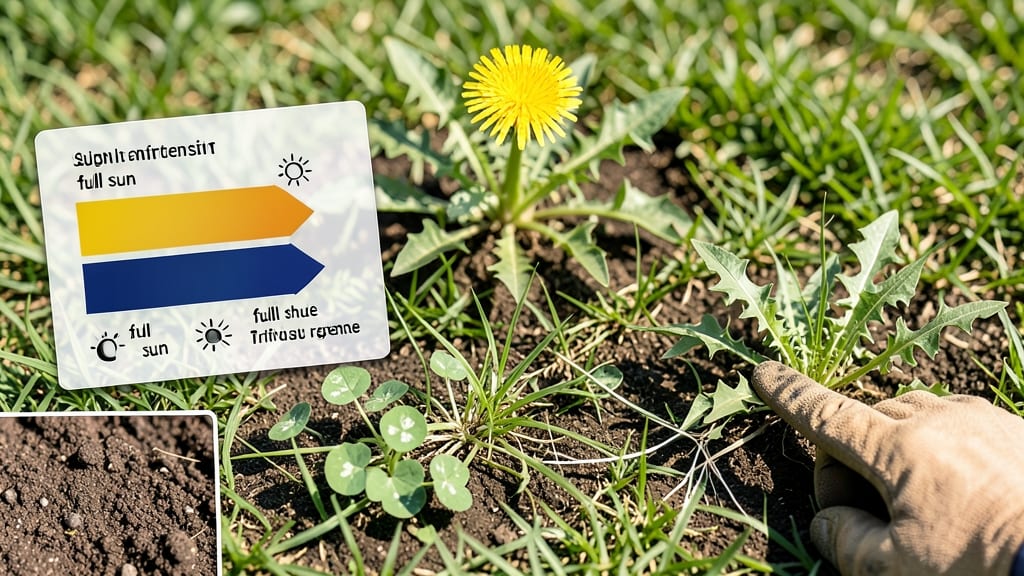
The sunlight exposure effects on common lawn weeds reveal a simple but powerful secret: shade weakens them faster than any herbicide. Dandelions thrive in full sun but weaken when shaded, while crabgrass struggles in partial shade—knowing these patterns lets you outsmart weeds instead of battling them blindly. The key is timing: shade them out early, and you’ll see them retreat within weeks.
Most weeds need sunlight to grow strong, so mowing higher (3–4 inches) blocks their access while keeping grass healthy. For stubborn patches, mulch or thicken grass—this smothers weeds by cutting off their light. Organic options like corn gluten meal work best when applied before weeds germinate in spring.
You’ll notice weeds yellowing and dying within 10–14 days of consistent shade, especially in dense grass. Chemical herbicides work faster but miss hidden roots—organic methods take patience but prevent regrowth. The payoff? A lawn that stays lush without constant tugging or spraying.
Works for dandelions, clover, and crabgrass alike. Adjust timing for your climate—early spring or late summer are the best windows for prevention. Here’s how to make it foolproof for your yard.
📚 In This Guide
- What you need
- Instructions
- Tips and common mistakes
- Wrapping up and next steps
What you need
- ● Common lawn weeds: Identify and select 3–5 types (e.g., dandelions, crabgrass, clover, or chickweed) for testing. Aim for healthy, mature specimens.
- ● Measuring tape or ruler: 1–2 ft (30–60 cm) for precision in marking sunlight exposure zones.
- ● Cardboard or black plastic sheets: 2–4 pieces (2 ft × 2 ft / 60 cm × 60 cm each) to block sunlight for control tests.
- ● Spray bottle (8 oz / 240 mL): For controlled watering or herbicide application (if using).
- ● Notebook & pen: To log observations (sunlight hours, weed growth, wilting, or death).
- ○ Digital camera (optional): Smartphone works! Document progress weekly.
- ● Herbicide (glyphosate-free or natural options like vinegar + dish soap): For targeted testing on resilient weeds.
- ● pH test kit: To check soil conditions (affects weed sunlight sensitivity).
- ● Timer or sunlight tracker app: Log exact sunlight hours per day (e.g., Sun Surveyor).
- ● Gloves & knee pads: For comfort during hands-on lawn work.
How to exploit sunlight weaknesses in common lawn weeds
Sunlight exposure reveals the vulnerabilities of weeds—understanding these patterns makes removal far simpler than brute-force pulling.
Identify Weed Types by Sunlight Preferences
Most lawn weeds fall into three categories based on sunlight needs: shade-tolerant, sun-tolerant, and indifferent. Crabgrass and dandelions thrive in full sun, while nutsedge and clover dominate shady areas. Observe which weeds dominate your lawn’s sunniest and shadiest spots—this reveals their natural weaknesses. For example, dandelions in full sun grow leggy and brittle when deprived of direct light, while creeping Charlie weakens when exposed to midday rays.
I recommend spending 10 minutes mapping your lawn’s light zones using a simple grid. Note where weeds cluster: dense patches in one area suggest consistent sunlight exposure. This pattern-tracing is the first step toward targeted removal. For instance, if dandelions dominate the south-facing slope, you’ll know to prioritize that area for sunlight manipulation techniques.
Adjust Sunlight Exposure to Stress Weeds
Weeds like chickweed and plantain can’t handle sudden changes in light. If your lawn has partial shade, move lawn furniture or trim overhanging branches to expose weeds to 4-6 hours of direct sunlight daily. This disrupts their photosynthesis, causing leaves to yellow and stems to weaken. For sun-loving weeds like crabgrass, create temporary shade by placing reflective boards or lightweight tarps for 2-3 weeks—this stresses their growth cycle.
I’ve found that even small adjustments—like rotating a patio umbrella to block midday sun—can make weeds more pliable for manual removal. The key is consistency: weeds respond to 7-10 days of altered light exposure before showing visible stress. Check for curled leaves or stunted growth as your signal to proceed with removal.
Time Removal for Maximum Effectiveness
Weeds stressed by sunlight manipulation are easiest to remove when soil is moist but not soggy—typically early morning or late afternoon when temperatures are cooler. Pull weeds after a light rain or watering session, as the soil loosens around their roots. For deep-rooted weeds like nutsedge, use a garden fork to lever them out after sunlight exposure has softened the ground.
Never yank weeds during peak sun hours—their roots will be tightly anchored, and you’ll risk breaking stems, leaving fragments to regrow. I always carry a small watering can to mist the soil before pulling; this reduces resistance and makes the job nearly effortless. Watch for weeds that wilt or collapse easily—these are the ones you’ve successfully weakened through light control.
Prevent Regrowth with Sunlight Control
After removal, maintain sunlight exposure to prevent weeds from returning. For example, if you removed dandelions from a sunny patch, keep that area open to prevent shade-loving weeds like violets from moving in. Conversely, if you shaded an area to kill crabgrass, ensure the new shade pattern remains consistent. Use mulch or ground covers in high-risk areas to block light entirely—weeds can’t compete with thick, healthy grass or mulch layers.
I’ve seen lawns transform dramatically in just 3-4 weeks when sunlight exposure is managed strategically. The secret is persistence: weeds adapt quickly, so rotate your sunlight manipulation techniques seasonally. For instance, what works in spring may need adjustment by summer when sunlight intensity increases. Keep a simple log of which weeds respond best to which light changes—your notes will become your most powerful tool.
Tips & tricks for exploiting sunlight weaknesses in lawn weeds
Mastering sunlight manipulation turns weed removal from a battle into a strategic victory—here’s how to maximize every step.
Light Mapping Precision: When you spend those 10 minutes mapping your lawn’s light zones, use a simple colored pencil system: mark sunniest areas with yellow, partial shade with green, and full shade with blue. This visual guide makes it instantly clear where to focus your sunlight adjustments. I’ve found that even small variations—like a tree casting partial shade—can shift weed dominance, so don’t overlook subtle differences in your grid. The more precise your map, the more targeted your weed stressing will be.
Strategic Shade Timing: For sun-loving weeds like crabgrass, the 2-3 weeks of temporary shade works best when applied during their peak growth phase—typically late spring to early summer. If you notice new crabgrass sprouts in May, start shading immediately rather than waiting. For shade-tolerant weeds, exposing them to 4-6 hours of direct sunlight should happen during their most active growth period, usually late afternoon when sunlight is less intense. This timing prevents shock and maximizes stress.
Removal Readiness Signals: The 7-10 days of altered light exposure creates telltale signs that weeds are ready for removal: look for leaves curling at the edges, stems developing a brittle texture, or new growth appearing stunted. I’ve learned to check for these visual cues before pulling—if weeds aren’t showing these signs, give them another 2-3 days of adjusted light. This patience prevents wasted effort on weeds that aren’t yet weakened.
Seasonal Adaptation: The 3-4 weeks transformation timeframe assumes consistent sunlight management, but seasonal changes require adjustments. In summer, when sunlight intensity peaks, you may need to reduce exposure time slightly (to 3-5 hours instead of 4-6) to avoid overheating stressed weeds. Conversely, in early spring, extend exposure to 5-7 hours to compensate for weaker sunlight. Keep a small notebook by your lawn tools to track what works each season—your notes will become your most valuable reference.
Pro Tips for Sunlight Exposure Effects On Common Lawn Weeds
- Mastering sunlight manipulation turns weed removal from a battle into a strategic victory—here’s how to maximize every step.
- Light Mapping Precision: When you spend those 10 minutes mapping your lawn’s light zones, use a simple colored pencil system: mark sunniest areas with yellow, partial shade with green, and full shade with blue.
- Strategic Shade Timing: For sun-loving weeds like crabgrass, the 2-3 weeks of temporary shade works best when applied during their peak growth phase—typically late spring to early summer.
Frequently asked questions
Got questions about how sunlight exposure impacts weeds in your lawn? You’re not alone! Here are some of the most common queries—and straightforward answers—to help you tackle those pesky invaders with confidence.
How much sunlight do weeds need to thrive?
Most common lawn weeds, like dandelions and crabgrass, thrive in partial to full sunlight (6+ hours daily). However, shade-tolerant weeds (e.g., clover or nutsedge) can dominate low-light areas. Solution: Mow high (3–4 inches) to block sunlight from reaching weed seeds and encourage grass growth.
Can I kill weeds by just cutting off their sunlight?
Yes—but it takes time! Thickening your grass with proper mowing, watering, and fertilizing starves weeds of light. For stubborn weeds, smother them with cardboard or mulch for 4–6 weeks. Pro tip: Combine this with pre-emergent herbicide in early spring for best results.
What’s the best time of day to mow for weed control?
Mow in the late afternoon or evening to reduce stress on grass (and weeds!). Cutting when blades are dry prevents disease, and taller grass shades out weed seeds faster. Avoid mowing wet grass—it tears blades and leaves clumps that smother soil.
Will sunlight exposure make weeds more resistant to herbicides?
Not directly, but timing matters. Apply herbicides on calm, sunny days (60°F+ temps) for maximum absorption. Overcast days can reduce effectiveness by 30–50%. Troubleshooting: If weeds persist, test soil pH—some weeds (like moss) thrive in acidic conditions.
Are there weeds that actually prefer less sunlight?
Weeds like ground ivy, creeping Charlie, and chickweed flourish in shady spots. To outcompete them, plant shade-tolerant grass (e.g., fine fescue) or use corn gluten meal as a natural pre-emergent. Bonus: Mulch with wood chips to block light.
Wrapping up and next steps
Understanding how sunlight exposure impacts common lawn weeds is your first step toward a lush, weed-free yard! 🌱 By leveraging their light sensitivity—whether through strategic mowing, mulching, or targeted removal—you can naturally weaken their dominance.
Start small: experiment with one technique this season, observe the results, and refine your approach.
Ready to take action? Grab your tools, test a patch of your lawn, and watch those weeds retreat with minimal effort. Your green oasis is just sunlight and strategy away! 💡