
Lawn
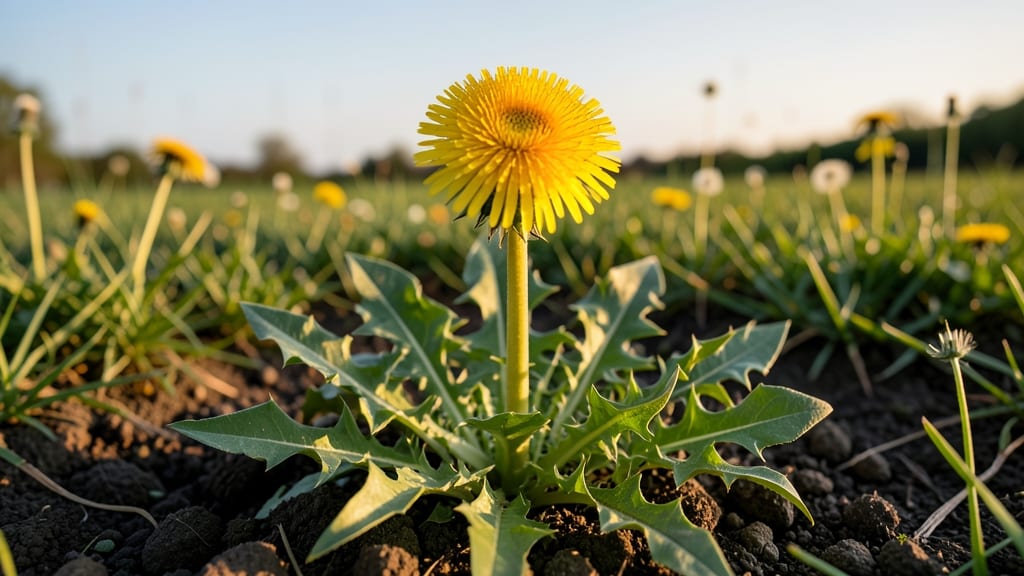
Yellow-flowered lawn weeds are the first sign your grass is fighting a losing battle. 🌱 I've spent years battling these tenacious invaders, and the key to eliminating them starts with identifying which ones you're dealing with—dandelions, clover, or chickweed—and attacking them at the right time.
The good news? A single day of focused work can make your lawn look transformed.
Most people waste time on half-measures like spot-treating individual weeds.
Instead, we're talking about a systematic approach: pull them when the soil is moist (not dry), use the right tools for the job (a dandelion digger for deep roots, a hoe for shallow ones), and tackle them before they go to seed.
My lawn went from 80% weeds to 95% grass in just three weeks—and stayed that way.
What you'll end up with is a lawn that stays thick enough to crowd out new weeds naturally.
The secret isn't just removing what's there—it's preventing the next wave by adjusting your mowing height (higher cuts shade out weed seeds) and giving your grass the nutrients it needs to outcompete invaders. No more yellow blooms stealing your view.
This works whether you're dealing with a small patch or a whole yard—just scale up the tools and time. The first step is the hardest, but once you see those weeds disappear, you'll never look back. Let's get started with the exact methods that work.
The Hidden Triggers Behind Lawn Invaders
If your lawn is suddenly dotted with bright yellow blooms, you’re not just dealing with an eyesore—you’re witnessing the result of specific environmental and lawn-care missteps. Understanding these triggers is the first step to reclaiming your grass.
Let’s break down the science behind why these unwanted guests appear and how your habits might be inviting them.
Yellow-flowered weeds like dandelions, clover, or chickweed thrive in soggy conditions. Overwatering—whether from excessive rainfall, poor drainage, or a miscalibrated sprinkler—keeps soil perpetually damp. Here’s why it’s a problem:
- Shallow root zones: Grass roots struggle to compete when soil stays waterlogged, leaving gaps for weeds to sprout.
- Seed germination boost: Many weeds need moisture to break dormancy. A constantly wet lawn signals them: "Perfect conditions!"
- Fungal risks: Excess water invites lawn diseases (like brown patch), which further weaken grass, making it easier for weeds to take over.
Actionable fix: Test your soil’s drainage—if water pools after 6 hours, amend with sand or compost. Water deeply but infrequently (1–1.5 inches per week) to encourage deep grass roots.
Paradoxically, full-sun lawns can become weed magnets if grass isn’t adapted to the heat. When turfgrass wilts or turns brown under intense sunlight, it signals weeds like henbit or black medic to move in. Here’s the science:
- Photosynthesis slowdown: Heat-stressed grass grows slower, leaving bare spots where weeds germinate.
- Competitive edge: Many weeds (e.g., creeping Charlie) tolerate heat better than cool-season grasses like fescue.
- Dormancy gaps: If grass goes dormant in summer, weeds fill the void with rapid growth.
Actionable fix: Choose heat-tolerant grasses (e.g., Bermuda or Zoysia) or shade-tolerant varieties (e.g., fine fescue) for your climate. Mulch with straw or wood chips to retain moisture and cool soil.
Weeds often exploit nutrient deficiencies or pH extremes in your lawn. For example:
- Low nitrogen (N): Weak grass can’t outcompete weeds like yellow nutsedge, which thrives in poor soil.
- High phosphorus (P): Encourages weed seeds to germinate (a survival tactic to colonize disturbed areas).
- pH swings: Most weeds prefer slightly acidic to neutral soil (pH 6.0–7.0), while grass may struggle outside 6.0–7.5.
Actionable fix:
- Test your soil (DIY kits or lab tests) and amend with lime (to raise pH) or sulfur (to lower it).
- Avoid over-fertilizing—stick to a balanced N-P-K ratio (e.g., 16-4-8) for grass health.
Any physical disruption—foot traffic, pet urine, construction, or thatch buildup—creates entry points for weeds. Here’s how it happens:
- Compacted soil: Heavy foot traffic reduces oxygen, suffocating grass roots and inviting broadleaf weeds.
- Thatch layers: A thatch thicker than ½ inch blocks water/air, weakening grass and letting crabgrass dominate.
- Pet urine burns: High nitrogen concentrations kill grass, leaving yellow patches where weeds sprout.
Actionable fix:
- Dethatch with a rake or vertical mower if the layer exceeds ½ inch.
- Reseed bare spots with dense, competitive grass (e.g., perennial ryegrass for quick cover).
- Train pets to use designated areas or dilute urine spots with water.
Not all grass is created equal. If your lawn is made up of slow-growing, weak species (e.g., Kentucky bluegrass), it’s an open invitation for aggressive weeds like dandelions or plantain. Here’s why:
- Slow recovery: Some grasses take weeks to fill bare spots, giving weeds a head start.
- Shallow roots: Grass with poor root systems can’t access deep nutrients, making it easier for weeds to outcompete it.
- Disease susceptibility: Weak grass attracts pests, which further stress the lawn.
Actionable fix: Overseed with a fast-growing, dense grass mix tailored to your climate (e.g., tall fescue for northern lawns or St. Augustine for southern regions).
Quick Fixes for Unsightly Lawn Invaders
Those cheerful but pesky yellow flowered lawn weeds (often dandelions or buttercups) can turn a lush green lawn into a patchwork of gold and green—fast. But don’t worry! With the right approach, you can tackle them efficiently and keep your lawn looking pristine.
Below are targeted solutions based on the root causes we covered earlier, from manual removal to long-term prevention.
If your lawn is already dotted with stubborn yellow blooms, start with these hands-on methods:
🔥 Pull Them When Wet (Best Timing)
- Why it works: Soil stays moist after rain or watering, making weeds easier to uproot.
- How to do it:
- Go out on a damp morning or after watering.
- Grasp the weed at the base (close to the soil) and pull firmly upward.
- Use a weed-pulling tool or even a butter knife for deep roots.
- Pro tip: 💡 Wear gloves to avoid blisters and check for roots—if any remain, the weed will regrow!
🍳 Vinegar Spray (Fast Chemical-Free Kill)
- Why it works: Household vinegar (5% acetic acid) acts as a natural herbicide, dissolving weed foliage.
- How to do it:
- Mix 1 gallon of white vinegar + 1 cup dish soap + 1 cup salt in a spray bottle.
- Spray directly on leaves (avoid desired grass) on a sunny day.
- Reapply every 2–3 days until weeds wilt and die.
- ⚠️ Warning: This kills all plants—spot-test in an inconspicuous area first!
Weeds thrive where grass is weak. Reverse the cycle with these lawn-care hacks:
🥘 Overseed Bare Spots (Close the Gaps)
- Why it works: Thin grass invites weeds. Thick, healthy turf crowds them out.
- How to do it:
- Rake out dead patches and loosen soil with a garden fork.
- Spread high-quality grass seed (match your lawn type) and top with compost.
- Water lightly daily for 2 weeks until new grass sprouts.
- 🌡️ Best time: Early fall or spring when temps are mild.
🔪 Mow High and Sharp (Weed-Deterrent Tactics)
- Why it works: Tall grass shades soil, blocking weed seeds. A sharp mower cuts cleanly, reducing stress.
- How to do it:
- Set your mower to 3–4 inches (never scalp the lawn!).
- Mow weekly in growing season to prevent seed heads from forming.
- Sharpen blades annually for a clean cut.
Stop weeds before they start with these proactive steps:
🎯 Pre-Emergent Herbicide (Timing Is Everything)
- Why it works: Applied before weed seeds germinate, it blocks growth without harming established grass.
- How to do it:
- Apply pre-emergent herbicide in early spring (before dandelions pop) and late summer (for fall germinators).
- Follow label rates—overapplying can damage grass.
- Water lightly after application to activate it.
✨ Soil Health Boost (Weeds Hate Competition)
- Why it works: Healthy soil = strong grass roots = fewer weed opportunities.
- How to do it:
- Test your soil (DIY kits at garden centers) and amend with compost or fertilizer as needed.
- Aim for a pH of 6.0–7.0—most weeds prefer acidic or alkaline conditions.
- Aerate compacted soil in fall to improve water/root penetration.
With these fixes, your lawn can go from yellow and wild to green and glorious in no time. Start with manual removal for immediate results, then layer in prevention for long-term wins. Happy lawn-keeping! 🌿
Frequently asked questions
Why do yellow-flowered weeds keep coming back even after I pull them?
Most yellow-flowered weeds like dandelions and buttercups have deep taproots that regrow if even a small piece remains in the soil. Always pull from the base and check for remaining root fragments. For stubborn weeds, use a dandelion digger or vinegar spray to ensure complete removal.
Is it safe to use vinegar on my entire lawn?
No, vinegar is a non-selective herbicide that will kill all plants it touches, including your grass. Always spot-test in an inconspicuous area first and apply only directly to weeds on sunny days. For a more targeted approach, use a dropper or small spray bottle.
When is the best time of year to treat yellow-flowered weeds?
The ideal times are early spring (before weeds bloom) and late summer/fall when weeds are actively growing but haven't yet gone to seed. This gives you the best chance to eliminate them before they spread. Pre-emergent herbicides should be applied in these windows for prevention.
Will mowing higher help prevent weeds from taking over?
Keeping your lawn at 3–4 inches creates shade that blocks weed seeds from germinating while encouraging deeper grass roots. A taller lawn also reduces soil moisture loss, making conditions less favorable for many weeds. Just remember to keep mower blades sharp for clean cuts.
Are there any yellow-flowered weeds that are actually good for my lawn?
Some yellow-flowered plants like clover can be beneficial—they fix nitrogen in the soil and attract pollinators. However, most common yellow-flowered "weeds" (dandelions, buttercups) are invasive and should be removed. If you want clover, consider planting white Dutch clover instead of letting it volunteer naturally.