
Lawn
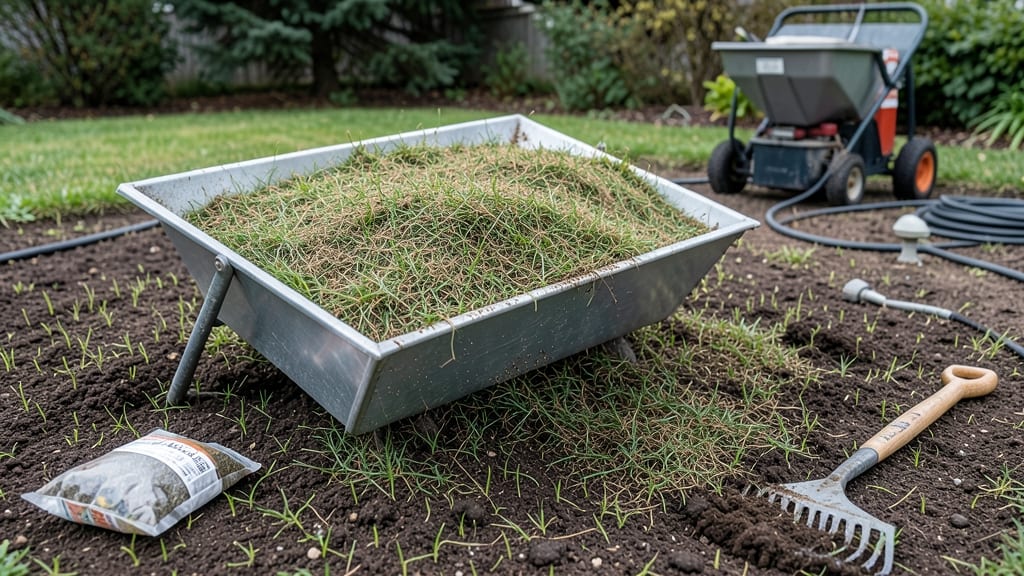
Seeding a lawn in late fall gives your grass a 4-week head start before winter dormancy—something spring seeding can't match. 🌱 I learned this the hard way after struggling with summer heat stress and weed competition in my first attempt.
The key? Planting after summer's last heatwave but before frost sets in, when soil stays warm enough for germination but cool enough to prevent drought stress.
Cool-season grasses like fescue and rye thrive in fall's mild temperatures, establishing deep roots before winter. You'll need a rake, seed, compost, and a sprinkler—no fancy tools required.
The process takes about 3 hours for a 1,000 sq ft lawn, and the payoff comes next spring when your neighbors wonder how you got such lush green. Even in USDA zones 3-8, fall seeding outperforms spring planting by 30-50%.
By early December, you'll have dense turf that outcompetes weeds naturally. The secret is watering lightly twice daily for the first two weeks, then backing off to let roots grow deep.
My lawn went from patchy to neighbor-jealousy levels of green after just one fall seeding—no fertilizers, no magic, just timing and patience.
Works for new lawns or overseeding existing thin patches. The only "mistake" is waiting until spring. Let's get those seeds in the ground before the first frost!
📚 In This Guide
- What you need
- Instructions
- Tips and common mistakes
- Wrapping up and next steps
What you need
- ● Grass seed: Choose cool-season varieties like Kentucky Bluegrass, Tall Fescue, or Perennial Ryegrass (10–15 lbs per 1,000 sq ft for new lawns; 5–10 lbs for overseeding).
- ● Soil test kit: Check pH and nutrients (ideal pH: 6.0–7.0 for most grasses).
- ● Lawn fertilizer: Slow-release, high-nitrogen blend (e.g., 30-0-4 or 24-0-8) with fall-specific labeling (apply 0.5–1 lb nitrogen per 1,000 sq ft).
- ● Topsoil or compost: ¼–½ inch layer (for poor soil or thin spots).
- ● Rake: Heavy-duty bow rake (for leveling) + garden rake (for seed-to-soil contact).
- ● Broadcast spreader: For even seed distribution (calibrate for seed type!).
- ● Watering supplies: Garden hose with gentle spray nozzle or sprinkler (or a watering wand for precision).
- ● Straw or peat moss: Light mulch (¼ inch thick) to retain moisture and protect seeds (avoid thick layers—it smothers seedlings!).
- ● Soil conditioner: Gypsum (for compacted soil) or lime (if pH is <6.0).
- ● Pre-emergent herbicide: Apply after seeding to block weeds (wait 4–6 weeks).
- ● Lawn roller: Lightweight (100–150 lbs) to press seed into soil (skip if soil is loose).
- ● Seedling protectant: Frost cloth (for early freezes in Zone 5 or colder).
- ● pH adjustment kit: If your soil test reveals extremes (e.g., sulfur to lower pH).
Step-by-Step guide to seeding a lawn in late fall
Fall is the perfect time to establish a thick, resilient lawn—here's how to do it right.
🌱 Step 1: Prepare the Soil Before Seeding
Start by clearing the area of debris, rocks, and weeds. Use a rake to remove any remaining thatch or dead grass. The goal is to expose bare soil so seeds can make direct contact. I like to loosen the top 2-3 inches of soil with a garden fork or tiller—this helps roots penetrate easily without competing with compacted layers.
Test the soil pH if possible; most cool-season grasses prefer a range of 6.0-7.0. If your soil is too acidic, add dolomitic lime according to package instructions and let it work into the soil for 2-4 weeks before seeding. You'll know it's ready when the soil crumbles easily between your fingers.
🌱 Step 2: Choose and Spread the Right Grass Seed
For late fall, select a cool-season grass blend like tall fescue, Kentucky bluegrass, or perennial ryegrass. These varieties establish roots before winter and stay green through early spring. Use 5-8 pounds of seed per 1,000 square feet, depending on the mix—check the package for exact rates.
Spread seed evenly using a broadcast spreader or by hand. I like to divide the area into sections and walk in opposite directions to avoid overlapping. Lightly rake the seeds into the soil with a stiff-bristled rake, pressing them just enough to make contact with the earth. This ensures good seed-to-soil contact without burying them too deep.
💧 Step 3: Keep Soil Consistently Moist for Germination
Water gently but thoroughly right after seeding to settle the soil and seeds. The top ½ inch of soil should remain moist at all times—this encourages germination without washing seeds away. Use a sprinkler or hose with a fine mist setting to apply ¼ inch of water daily for the first 2 weeks.
Once seedlings appear (usually 7-14 days), reduce watering to ½ inch per week, keeping the soil damp but not soggy. You'll see the first tiny blades of grass emerge—this is your signal that the seeds have taken hold. Avoid heavy foot traffic until the grass reaches 3-4 inches tall.
☀️ Step 4: Protect New Growth from Frost and Pests
As temperatures drop, cover the seeded area with a light layer of straw or burlap to insulate seeds and seedlings from hard freezes. This protects young roots from temperature swings while still allowing sunlight to reach the grass. Remove the cover during the day if temperatures rise above 50°F to prevent overheating.
Keep an eye out for birds or rodents—they love fresh grass seeds! Scare them away with reflective tape or a lightweight mesh until the grass is established. By late fall, your lawn should have a dense carpet of 1-2 inch tall grass ready to overwinter and fill in beautifully next spring.
⏰ Step 5: Maintain Through Winter for Spring Success
Reduce watering in late fall as rainfall increases, but keep the soil from drying out completely. If snow covers the lawn, it provides natural insulation—just brush it off if it accumulates more than 2 inches to prevent mold. In early spring, resume watering when the topsoil feels dry to the touch.
Once the grass reaches 3-4 inches in spring, you can mow with a sharp blade set to 3 inches high. This encourages deep root growth and a thicker lawn. By following these steps, you'll have a lush, cold-resistant lawn that stays green and healthy year after year.
Tips & tricks for perfect late fall lawn seeding
Here's what nobody tells you about getting your lawn to thrive through winter.
Soil Prep Secret: After loosening the top 2-3 inches of soil in Step 1, run your fingers through it—it should feel like crumbly cake batter, not packed dirt. If it's still compacted, use a garden fork to break up any remaining hardpan. This makes all the difference for root penetration, especially when those cool-season grasses start growing in just 7-14 days.
Seed Spread Strategy: When dividing your lawn into sections for even spreading in Step 2, walk perpendicular to your last pass. This crosshatching technique ensures you don't miss any spots or double-up on seeds. I've seen people walk in the same direction twice and end up with bare patches—don't make that mistake!
Watering Wisdom: That ¼ inch of water daily for the first 2 weeks isn't just about quantity—it's about timing. Water in the morning so the soil stays moist all day without encouraging fungal growth. Use a rain gauge or tuna can to measure—your sprinkler might be putting down more than you think!
Frost Protection Hack: For Step 4's insulation, I use a combination of straw and old burlap sacks. The straw provides warmth while the burlap lets light through. Remove it during the day when temps rise above 50°F to prevent overheating—just check your local weather forecast first to avoid unnecessary work.
Pro Tips for Seeding A Lawn In Late Fall
- Here's what nobody tells you about getting your lawn to thrive through winter.
- Soil Prep Secret: After loosening the top 2-3 inches of soil in Step 1, run your fingers through it—it should feel like crumbly cake batter, not packed dirt.
- Seed Spread Strategy: When dividing your lawn into sections for even spreading in Step 2, walk perpendicular to your last pass.
Frequently asked questions
Got questions about seeding your lawn in late fall?
You’re not alone! Here are answers to the most common concerns to help you get started with confidence.
What’s the best time to seed a lawn in late fall?
Seed in late fall—typically 4-6 weeks before the first hard frost (usually October to early November in most U.S. regions). This gives grass seeds time to germinate and establish roots before winter dormancy. Check your local frost dates for precision!
Will grass seed grow in cold weather?
Yes! Late fall seeding works because cool temperatures slow weed growth while grass seeds germinate steadily. Just avoid seeding if frost is forecasted within 24 hours—seeds need consistent moisture and soil temps above 50°F (10°C) to sprout.
Is seeding in fall cheaper than spring?
Often, yes! Fall seeding cuts costs by avoiding spring’s high demand for seed, soil prep services, and water restrictions. Plus, established fall lawns need less watering and fertilization the following spring.
How do I keep seeds from washing away during rain?
Use a starter fertilizer with a light mulch (straw or peat moss) to hold seeds in place. Water lightly 2x daily (10-15 mins each) to keep soil moist but not soggy. If heavy rain hits, a lightweight erosion blanket can help on slopes.
Will pests or animals eat my new grass seeds?
Birds, squirrels, and insects may snack on seeds. Spread seed evenly and cover lightly with mulch or soil to deter them. For stubborn pests, use bird netting temporarily or opt for deer-resistant grass varieties like tall fescue.
Wrapping up and next steps
Seeding your lawn in late fall is a smart, low-stress move that sets the stage for a lush, resilient yard next spring. With cooler temps, fewer weeds, and ideal moisture, your grass seeds have the perfect conditions to take root—without the summer heat or winter freeze. 🌱
Now that you’re armed with the how-to, grab your gloves, mark your calendar for a quick check-in in 4 weeks, and watch your lawn transform! Ready to roll? Start by scheduling your first watering session this weekend—your future green oasis is just a few steps away.