
Lawn
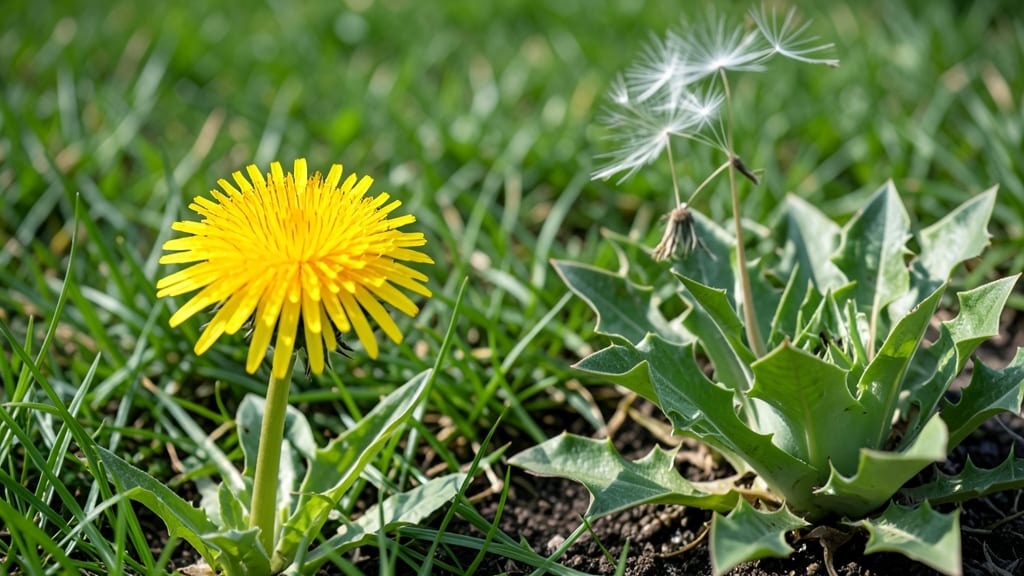
Those bright yellow flowers popping up in your lawn weeds with yellow flowers aren't just unsightly—they're dandelions, clover, or chickweed stealing nutrients from your grass. 🌱 I've battled these stubborn invaders for years, and I've learned which natural methods actually work without killing your lawn in the process.
The key is timing and persistence: pull weeds when soil is moist, use vinegar sprays for dandelions, or smother them with thick mulch. Most chemical sprays harm grass too—my go-to is a targeted spot treatment that works within 2-3 weeks of consistent application.
You'll end up with a lawn that stays green and healthy while those yellow blooms become a distant memory. The secret is catching them early and treating them before they spread. Works for any grass type, from cool-season fescue to warm-season Bermuda. Let's reclaim your lawn naturally!
Root Causes Of Yellow-Flowered Weeds
If your lawn is suddenly dotted with bright yellow blooms, you’re not just dealing with an aesthetic nuisance—you’re facing a competitive battle between weeds and grass.
Understanding why these weeds thrive helps you outsmart them naturally. Here’s a breakdown of the key factors driving their growth, backed by science and actionable insights.
Weeds with yellow flowers—like dandelions, clover, or goldenrod—often exploit weak soil. Here’s how:
- Low Nutrient Availability: Grass needs nitrogen (N), phosphorus (P), and potassium (K) to outcompete weeds. When soil tests reveal deficiencies (especially low organic matter or high pH >7.0), weeds like dandelions thrive because they extract nutrients from deeper soil layers that grass can’t access.
- Compacted Soil: Heavy foot traffic or machinery crushes soil particles, reducing oxygen and water infiltration. Weeds adapt by sending shallow, aggressive roots to snatch resources, while grass roots suffocate.
- Imbalanced pH: Most lawn grasses prefer pH 6.0–7.0. If your soil is too acidic (<6.0) or alkaline (>7.5), weeds like yellow oxalis dominate because their root systems acidify micro-zones to break down tough organic matter.
Actionable Fix: Test your soil (DIY kits cost ~$20) and amend with compost (for nutrients) or sulfur (for pH adjustment). Core aeration in spring/fall physically breaks compaction.
Watering habits directly influence weed growth. Yellow-flowered weeds often love moisture—but not always in the way you’d expect:
- Excessive or Shallow Watering: Weeds like creeping buttercup germinate when soil stays damp for >48 hours. Overwatering washes away nutrients and creates a thin, weak grass mat that weeds invade.
- Inconsistent Watering: Drought stress weakens grass, while sudden deep watering triggers weed seeds to germinate en masse. This is why lawns often see yellow flower explosions after summer rains.
- Poor Drainage: Areas with standing water (e.g., near sprinkler heads or low spots) become hotspots for yellow nutsedge, a perennial weed that reproduces via underground tubers in soggy conditions.
Actionable Fix:
- Water deeply 1–2x/week (1–1.5 inches total) to encourage deep grass roots.
- Fix drainage with sand topdressing or French drains in problem areas.
- Avoid watering after 6 PM to reduce fungal diseases that weaken grass.
Yellow-flowered weeds seize opportunities where grass is absent. Here’s how light triggers their takeover:
- Thin Grass Canopy: Grass blocks ~90% of sunlight, smothering weeds. When grass thins (due to disease, pests, or poor mowing), weeds like henbit or prostrate spurge germinate in bare patches.
- Edge Effects: Weeds often invade along sidewalks, driveways, or tree lines because these areas receive more sunlight and less competition.
- Mowing Too Short: Cutting grass below 2.5 inches stresses it, reducing shade and exposing soil. Weeds exploit this by growing taller to capture sunlight.
Actionable Fix:
- Mow at 3–4 inches to shade soil and crowd out weeds.
- Seed bare spots immediately with dense grass varieties (e.g., tall fescue for shade, bermudagrass for sun).
- Apply pre-emergent herbicide in early spring (before weed seeds sprout) if seeding isn’t an option.
Many yellow-flowered weeds lie dormant for years before erupting under perfect conditions. Here’s the science:
- Seed Banks in Soil: A single dandelion can produce 15,000 seeds, which stay viable for 5–10 years in soil. Disturbances (tilling, aerating, or even digging) trigger mass germination.
- Temperature Triggers: Weeds like yellow wood sorrel germinate when soil temps hit 55–65°F. This is why they explode in spring after winter.
- Lack of Competition: If your lawn is mostly weeds, new seeds have no grass to compete with, leading to rapid spread.
Actionable Fix:
- Prevent disturbances—avoid tilling unless necessary, and use sharp mower blades to reduce soil exposure.
- Apply corn gluten meal (a natural pre-emergent) in early spring to inhibit weed seed germination.
- Hand-pull weeds before they flower to stop seed production.
By addressing these root causes—soil health, watering, light, and seed cycles—you’ll starve out yellow-flowered weeds without harming your grass. The key? Consistency. Weeds exploit weakness, so a thick, well-fed lawn is your best defense.
Natural Ways To Eradicate Yellow-Flowered Weeds
Now that you know why those pesky yellow-flowered weeds are crashing your lawn party, let’s roll up our sleeves and tackle them the right way—without harming your grass or the planet. 🌱 The key is to match the cause with the solution, then lock in prevention so you don’t repeat the cycle.
Here’s your battle plan, broken down by the most common culprits and how to outsmart them.
If your soil is soggy or compacted, weeds like dandelions or creeping buttercups thrive because they love moisture and weak grass roots.
How to Fix It: 👨🍳 Step 1: Test Your Soil’s Drainage
- Dig a small hole (6 inches deep) and fill it with water. If it drains in less than 6 hours, you’re golden. If it sits like a swamp for hours or longer, you’ve got poor drainage.
- Pro tip: 💡 Use a soil moisture meter ($10–$15) to check before watering—overwatering is a weed magnet!
🥘 Step 2: Aerate Like a Pro
- Rent a core aerator (or hire a pro) to poke holes in your lawn. This lets air, water, and roots breathe.
- Best time: Early fall or spring when grass is actively growing.
⏰ Step 3: Adjust Your Watering Habits
- Water deeply but infrequently—aim for 1–1.5 inches per week (including rain). Use a rain gauge or tuna can to measure!
- Water early morning (4–8 AM) to reduce evaporation and fungal risks.
🌡️ Step 4: Improve Soil with Organic Matter
- Spread 2–3 inches of compost or well-rotted manure over your lawn, then top-dress with a thin layer of sand (if your soil is clay-heavy).
- Bonus: This feeds your grass, making it tougher to compete with weeds.
If your lawn is sparse or trampled, weeds like clover or plantain sneak in because they don’t need much to survive.
How to Fix It: 🔪 Step 1: Overseed Bare Spots
- Rake thin or bare patches gently, then sprinkle high-quality grass seed (choose a type that matches your climate—cool-season like Kentucky bluegrass or warm-season like Bermuda).
- Pro tip: 🌱 Use a starter fertilizer (low nitrogen, high phosphorus) to help seeds germinate faster.
👨🍳 Step 2: Mow Higher (But Keep It Sharp!) - Set your mower to 3–4 inches in summer, 2–3 inches in cooler months.
Taller grass shades out weeds and grows deeper roots. - Warning: ⚠️ Never remove more than 1/3 of the grass blade in one mowing—this stresses the plant and invites weeds.
🥘 Step 3: Feed Your Grass, Starve the Weeds
- Apply a slow-release organic fertilizer (like milorganite or fish emulsion) in early spring and fall.
- Avoid: 🚫 Synthetic fertilizers high in nitrogen—they can burn grass and make weed problems worse.
Some yellow-flowered weeds (like black-eyed Susans or goldenrod) love full sun, while others (like ground ivy) thrive in shade.
How to Fix It: 🌿 Step 1: Identify the Problem Areas
- Walk your lawn at different times of day—note where weeds dominate (sunny south side vs. shady north side).
- Quick test: 💡 Drop a white board or piece of paper on the lawn. If it casts sharp shadows, it’s full sun. If it’s fuzzy-edged, it’s partial shade.
🔥 Step 2: Adjust Your Grass Type
- Sunny spots? Plant Zoysia, Bermuda, or tall fescue.
- Shady spots? Try fine fescue, creeping red fescue, or St. Augustine.
- Pro tip: ✨ If you’re re-sodding, buy shade-tolerant sod for dark areas.
🍳 Step 3: Mulch Strategically
- In shady areas, add a 2–3 inch layer of wood chips or pine straw to retain moisture and block weed seeds from sprouting.
- Avoid: 🚫 Thick mulch piles—this can suffocate grass roots.
Once you’ve kicked the weeds out, lock in your wins with these long-term strategies:
- 🌱 Hand-Pull Early & Often – Grab weeds before they seed (especially dandelions—they spread like wildfire!).
- 🚜 Stay on Top of Thatch – If your lawn has more than ½ inch of thatch, dethatch to prevent weed seeds from nesting.
- 🍂 Leaf Litter & Debris? – Rake up fallen leaves and grass clippings—they trap moisture and weed seeds.
- 🌿 Natural Weed Barriers – Plant clover or creeping thyme in high-traffic areas—they suppress weeds while adding beauty!
Final Thought: 🎯 The secret to a weed-free lawn isn’t just attacking the problem—it’s strengthening your grass so it outcompetes invaders naturally. Start with one fix (like aerating or overseeding), then build from there. Your lawn will thank you!
Frequently asked questions
Why do yellow-flowered weeds appear suddenly in my lawn?
Yellow-flowered weeds often erupt when your grass is weak from poor soil health, overwatering, or thin coverage. They exploit bare spots and compacted soil where grass roots can't compete. Think of them as nature's way of filling gaps—once your lawn is thick and healthy, these weeds struggle to take hold.
Are all yellow-flowered weeds harmful to my lawn?
Not all! Some like clover actually improve soil nitrogen, while others like dandelions or plantain compete aggressively. The key is identifying them—most yellow-flowered weeds steal nutrients and shade out grass. Focus on removing the aggressive ones first while keeping beneficial varieties if present.
How can I tell if a yellow-flowered plant is a weed or a wildflower?
Check the root structure and growth habit: weeds like dandelions have deep taproots while wildflowers often have shallow, fibrous roots. Also note where they grow—if they're crowding out grass or appearing in patches, they're likely weeds. A quick Google image search with "yellow flower [your location]" can help with identification.
Will vinegar kill yellow-flowered weeds without harming my grass?
Vinegar can work for spot treatment but may damage grass if applied carelessly. Use a 1:1 vinegar-water mix with 1 tbsp dish soap on weeds only, avoiding grass blades. For best results, apply on sunny days when weeds are actively growing. Repeat every 3-5 days until they brown. Test a small area first!
Why do yellow-flowered weeds come back every year even after treatment?
Most yellow-flowered weeds have deep roots or extensive seed banks—dandelions can produce 15,000 seeds that stay dormant for years! Consistent removal (especially before flowering) plus improving soil health is key. Focus on preventing new seeds from forming while strengthening your grass to outcompete them naturally.