
Lawn
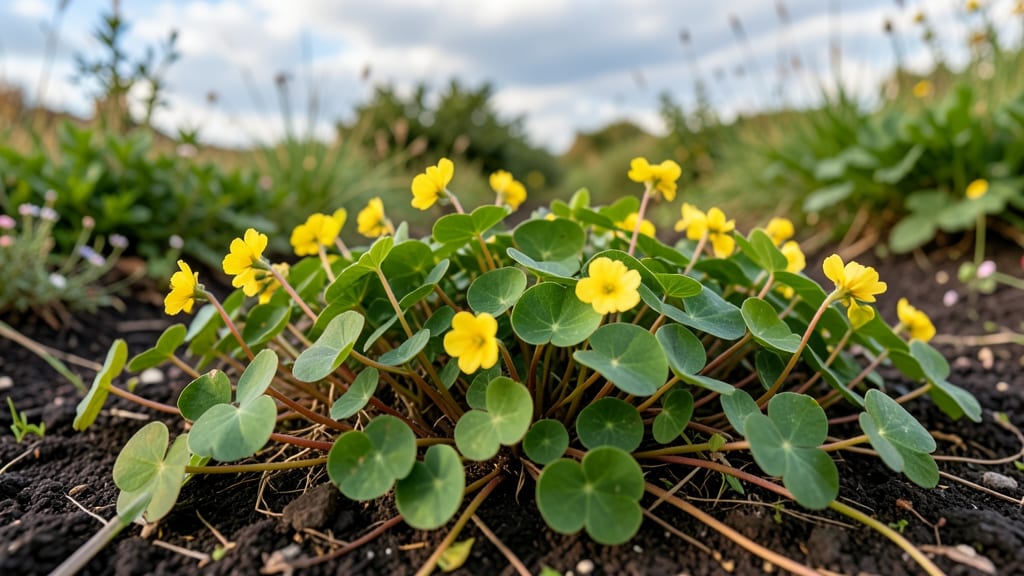
That creeping lawn weed with yellow flowers popping up everywhere? 🌼 Dandelions are the sneakiest invaders, spreading roots before you even notice—but I’ve got fast methods to stop them dead in their tracks before they take over. The problem isn’t just the flowers (though they’re pretty in a salad).
It’s the deep taproot that sends up new shoots from even the tiniest piece left behind. Most people pull them too late or miss the roots entirely—here’s how to do it right the first time.
You’ll learn three removal techniques that work in minutes, from manual extraction to vinegar sprays (yes, it’s that simple). The key is consistency—once your lawn thickens, dandelions won’t stand a chance. Prevention starts with stronger grass and smarter watering. Let’s reclaim your lawn before next spring’s bloom season.
Root Causes Of Lawn Weeds
If your lawn is battling a creeping yellow-flowered invader—likely Taraxacum officinale (common dandelion)—understanding the why behind its persistence is half the battle. These hardy weeds don’t just pop up by chance; they thrive due to specific conditions in your lawn’s ecosystem.
Let’s break down the science and environmental triggers that make your grass the perfect playground for dandelions.
Dandelions are nature’s soil detectives—they flourish in weak spots where grass struggles. Here’s why:
- Compacted Soil: Heavy foot traffic, machinery, or clay-heavy soil compresses the root zone, reducing oxygen and water availability. Dandelions, with their deep taproots, thrive in these low-oxygen zones while shallow grass roots suffocate. 🌡️ Pro Tip: Test your soil’s compaction—if a shovel feels like pushing through wet cement, aeration is your first step.
- Low Organic Matter: Dandelions love mineral-rich but nutrient-poor soil. Grass needs a balanced diet of nitrogen (N), phosphorus (P), and potassium (K), but dandelions excel in phosphorus-heavy environments. Over-fertilizing with high-P lawn foods (common in new construction areas) signals weeds: “This soil is perfect for me!”
- pH Imbalances: Dandelions prefer slightly acidic to neutral soil (pH 6.0–7.5). If your lawn’s pH is <6.0 (too acidic) or >7.5 (too alkaline), grass growth slows, leaving gaps for weeds. A simple soil test reveals the pH puzzle.
Stress weakens grass, and dandelions capitalize on that weakness. Common culprits:
- Drought or Overwatering:
- Drought: Grass roots shallow out to conserve water, while dandelion taproots dive deep for moisture. A dry spell = weed buffet.
- Overwatering: Soggy soil suffocates grass roots and creates the perfect anaerobic (low-oxygen) conditions dandelions adore. 💡 Fix: Water deeply 1–2 times/week (early morning) and let the top 2–3 inches dry between sessions.
- Sunlight Gaps: Dandelions are opportunistic sun-seekers. They sprout in thin spots where grass can’t compete—think:
- Under tree canopies (where shade blocks grass growth).
- Along sidewalks or driveways (where grass is trampled).
- After new sod installation (if grass struggles to establish).
- Extreme Heat or Cold: Grass goes dormant in prolonged heatwaves (>90°F) or freeze-thaw cycles, creating temporary “safe zones” for dandelion seeds to germinate.
Even the best-intentioned lawn care can accidentally create a dandelion paradise. Here’s how:
| Mistake | Why It Helps Weeds | How to Fix It |
|---|---|---|
| Mowing Too Short | Grass blades <6 inches tall block sunlight and crowd out weeds—but scalping (cutting <2 inches) stresses grass, exposing bare soil for dandelion seeds. | Set mower blades to 3–4 inches in summer, 2.5–3 inches in cooler months. |
| Skipping Fertilizer | Grass needs nitrogen (N) to outcompete weeds. Without it, dandelions steal the show. | Apply a slow-release N fertilizer (e.g., 24-0-4) in early spring/fall. No fertilizer? Use compost or a corn gluten meal pre-emergent (also feeds grass). |
| Ignoring Thatch Buildup | Thatch (>0.5 inches thick) blocks water/fertilizer from reaching roots, creating micro-habitats for weed seeds. | Dethatch in early spring with a rake or vertical mower if thatch exceeds ½ inch. |
| Using Herbicides Incorrectly | Post-emergent herbicides (e.g., 2,4-D) can kill grass if applied in heat or drought, leaving bare patches for weeds. | Apply pre-emergent in early spring (before dandelions sprout) and water-in treatments to avoid stress. |
Dandelions aren’t just surviving—they’re conquering. Their secret weapons:
- Wind-Dispersed Seeds: One dandelion produces 100–200 seeds, each equipped with a parachute that carries them up to 5 miles on the wind. 🌪️ Action: Mow before seeds form (when flowers are still green) to interrupt the cycle.
- Deep Taproots: Their roots grow 12–18 inches deep, accessing water/nutrients grass can’t reach. Even if you pull them, root fragments regrow.
- Perennial Lifecycle: Unlike annual weeds, dandelions come back every year from the same root. One missed flower = next year’s infestation.
Key Takeaway: Dandelions exploit lawn weaknesses—whether it’s compacted soil, stressed grass, or poor maintenance. The good news? Fix the conditions, and the weeds lose their edge. Start with soil testing, adjust your watering/mowing habits, and give your grass the nutrients it craves. 💪
How to Eliminate Creeping Invaders
Got that stubborn creeping lawn weed with yellow flowers (dandelions!) taking over your green space? Don’t panic—you can reclaim your lawn with the right approach. Below, we’ve mapped out targeted solutions based on the root cause of your dandelion dilemma, from quick fixes to long-term prevention.
Let’s tackle this step by step!
Best for: Small patches, eco-friendly control, or when you’re up for a little elbow grease.Dandelions are tough, but they’re not invincible. If your lawn is only lightly infested, grabbing a few tools and getting down to business can work wonders.
🍳 Step 1: Pull at the Right Time
- Timing is everything: Early morning or late afternoon (when the soil is moist) makes dandelions easier to extract. Avoid pulling after rain—muddy soil can make the job messy and less effective.
- Target young weeds: The younger the dandelion, the easier it is to pull by hand. Mature plants with deep taproots are trickier but still doable with the right technique.
👨🍳 Step 2: Use the Right Tools
- Hand-pulling: Wear gloves and grip the dandelion as close to the base as possible. Twist gently to loosen the taproot before pulling upward. Pro tip: A dandelion fork or weeding tool can help pry out stubborn roots without damaging your lawn.
- Dandelion digger: This specialized tool looks like a long, narrow fork. Plunge it into the soil beside the weed, then wiggle it to sever the taproot before pulling.
🥘 Step 3: Dispose Properly
- Bag and bin it: Never leave pulled dandelions on your lawn—they’ll just regrow! Toss them in the trash or compost (if you’re sure no seeds remain).
- Check for roots: Even a tiny root fragment can sprout a new dandelion. Inspect your haul before disposal.
⏰ How Often?
- Weekly checks: For small lawns, a 10-15 minute session once a week can keep dandelions in check.
- Seasonal focus: Spring and fall (when dandelions are most active) require the most attention.
Best for: Large lawns, severe invasions, or when time is limited.
If your lawn is overrun, chemical herbicides can provide a faster solution. But use them strategically to avoid harming your grass.
💡 Step 1: Choose the Right Herbicide
- Selective herbicides: Look for products containing 2,4-D or dicamba, which target broadleaf weeds (like dandelions) while sparing grass.
- Spot treatment: For isolated patches, use a dandelion-specific herbicide like Ortho Weed B Gon or Spectracide Weed & Grass Killer. Apply directly to the leaves (avoid spraying grass).
- Systemic options: Products like Roundup for Lawns (glyphosate-based) kill dandelions but also harm grass—use only if you’re planning to reseed or overseed afterward.
🌡️ Step 2: Apply Correctly
- Follow label instructions: Dosage and timing matter! Most herbicides work best on actively growing dandelions (spring or fall).
- Weather matters: Apply on a calm, dry day. Avoid watering for 24-48 hours post-application to let the herbicide absorb.
- Reapply if needed: Some dandelions may regrow—repeat treatment every 2-3 weeks until the area is clear.
⚠️ Safety First
- Wear gloves and eye protection: Herbicides can irritate skin and eyes.
- Keep pets/kids away: Wait until the product dries completely before allowing foot traffic.
Best for: Maintaining a dandelion-free lawn year-round.
The key to beating dandelions is stopping them before they start. A healthy lawn is the best defense!
💪 Step 1: Strengthen Your Grass
- Mow high: Set your mower to 3-4 inches. Taller grass shades the soil, preventing dandelion seeds from germinating.
- Fertilize regularly: A balanced fertilizer (high in nitrogen, phosphorus, and potassium) promotes thick, competitive grass.
- Overseed bare spots: Fill thin or bare areas with grass seed to eliminate gaps where dandelions can take root.
🎯 Step 2: Improve Soil Health
- Aerate compacted soil: Use a core aerator to loosen soil, allowing grass roots to grow deeper and outcompete weeds.
- Top-dress with compost: A thin layer of compost improves soil fertility and encourages lush grass growth.
✨ Step 3: Natural Deterrents
- Corn gluten meal: Apply in early spring as a pre-emergent herbicide. It blocks dandelion seeds from sprouting while feeding your lawn.
- Vinegar spray (for small areas): Mix 1 gallon of white vinegar, 1 oz of dish soap, and 2 tbsp of salt. Spray directly on dandelions (avoid grass—this will kill it too!).
📅 Seasonal Maintenance Schedule
| Season | Task | Why It Works |
|---|---|---|
| Early Spring | Apply corn gluten meal | Prevents seed germination |
| Spring/Fall | Overseed bare spots | Fills gaps before dandelions spread |
| Summer | Mow high + water deeply | Stresses dandelions, strengthens grass |
| Fall | Aerate + fertilize | Boosts root growth for winter resilience |
With a mix of manual effort, targeted treatments, and preventive care, you’ll send those creeping lawn weeds with yellow flowers packing for good. Start with one or two methods, monitor progress, and adjust as needed. A little persistence goes a long way!
Frequently asked questions
Why do dandelions spread so aggressively in my lawn?
Dandelions thrive because of their deep taproots (12-18 inches) and wind-dispersed seeds that travel up to 5 miles. They exploit weak spots in your lawn caused by compacted soil, poor grass health, or thin areas where sunlight reaches bare soil. Their perennial lifecycle means they return yearly from the same root system, making them persistent invaders.
How can I tell if I'm pulling out the whole root?
Look for a clean break at the base - if you see white root tissue, you've got the whole thing. For stubborn roots, use a dandelion fork or digger to loosen soil around the root before pulling. Pro tip: Twist gently while pulling upward to help detach the taproot completely. Even a small fragment can regrow!
Will vinegar really kill dandelions without harming my grass?
Vinegar works best for spot treatments on small areas, but it's not grass-safe - it will kill any plant it touches. For targeted use, mix 1 gallon vinegar + 1 oz dish soap + 2 tbsp salt and apply only to dandelion leaves. For larger lawns, consider corn gluten meal (natural pre-emergent) or selective herbicides that target broadleaf weeds while sparing grass.
When is the best time of year to treat dandelions?
Focus on early spring (before seeds form) and fall (when weeds are actively growing). Apply pre-emergent treatments like corn gluten meal in early spring, and spot-treat visible dandelions in fall. Avoid treating during summer drought or winter dormancy - these are the least effective times for any control method.
Can I still use my lawn after applying herbicide?
Wait until the herbicide is completely dry (usually 24-48 hours) before walking on treated areas. For safety, keep pets and children off treated lawns for at least 48 hours or until the product label specifies it's safe. Always follow label instructions precisely to avoid accidental exposure.