
Lawn
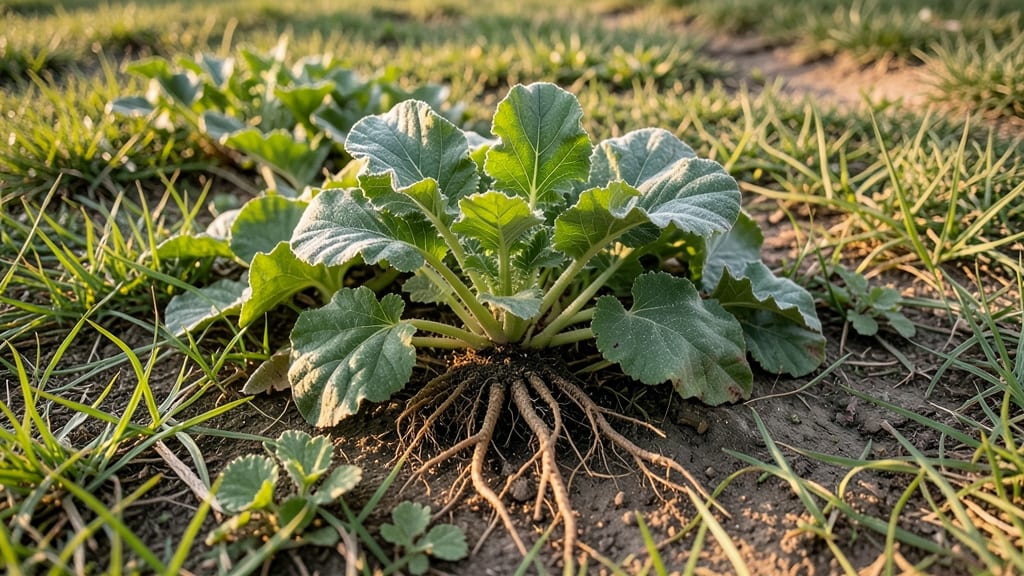
Struggling with stubborn creeping weeds that ruin your lawn’s appearance? These 10 relentless invaders spread aggressively, but with the right strategies, you can reclaim your yard for good—no more temporary fixes.
Nutsedge: The Fastest-Spreading Grass-Like Weed
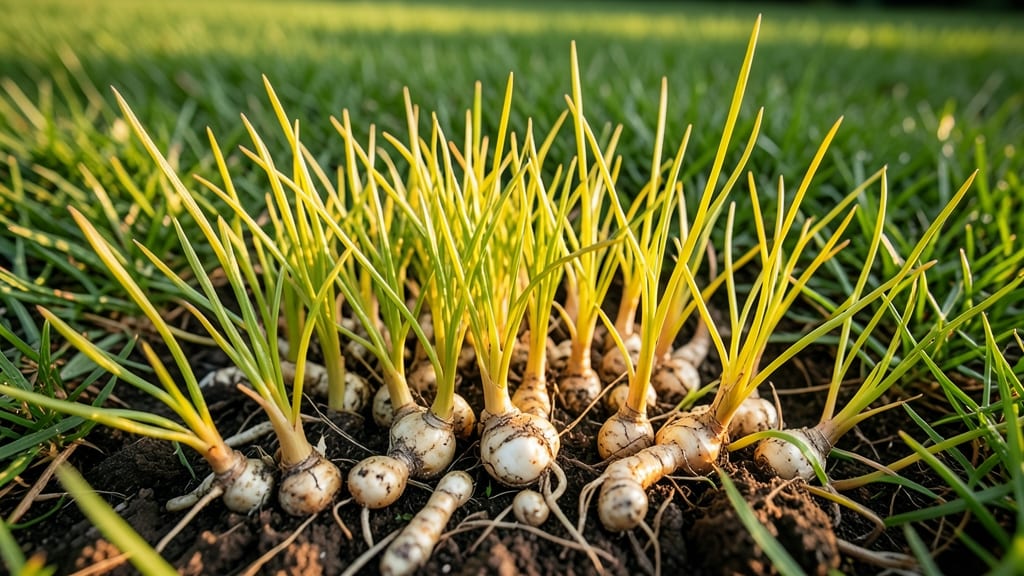
If your lawn has suddenly developed patches of yellowish, grass-like shoots that multiply faster than you can pull them, you’re likely battling nutsedge—the lawn’s most aggressive spreader. Unlike ordinary grass, nutsedge grows from tough, underground tubers that can produce new shoots in just days, making it nearly impossible to eradicate with a single treatment.
This weed thrives in moist, poorly drained soil and is particularly stubborn in humid climates, where it outcompetes grass by spreading 10 times faster than most weeds. Unlike grass, nutsedge resists common herbicides, so manual removal or targeted treatments like sulfentrazone or halosulfuron are your best bets. Dig out tubers by hand or apply treatments in early summer when growth is most active.
Homeowners in Southern states, Pacific Northwest regions, or areas with heavy rainfall will recognize nutsedge as a persistent nuisance. If ignored, it can take over entire lawn sections—so act fast with a combination of physical removal and herbicide applications for long-term control. 💪
Crabgrass: The Classic Summer Invader
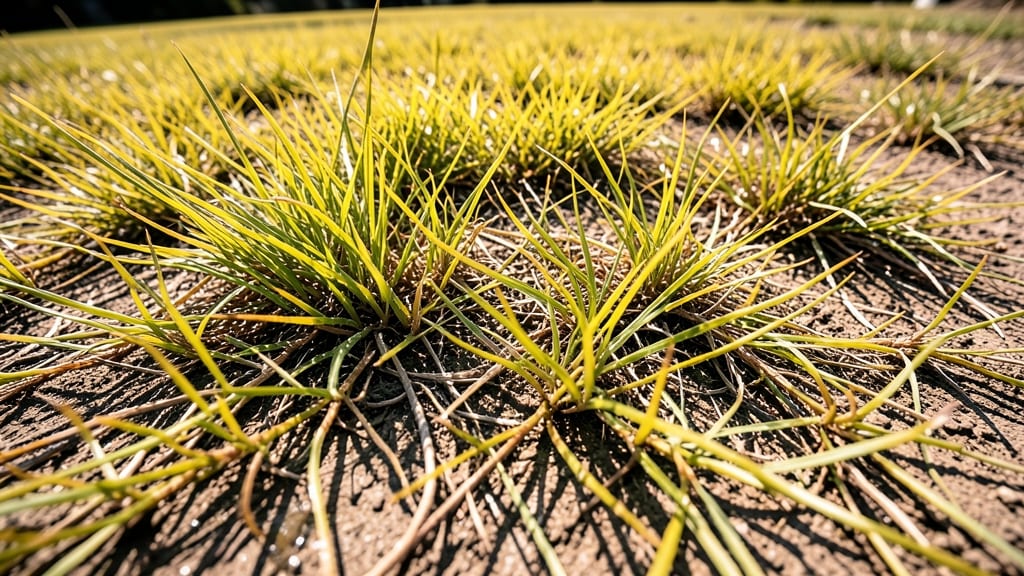
If your lawn looks patchy and weak by summer, crabgrass is likely the culprit—this coarse, yellow-green weed thrives in thin grass and forms dense mats that strangle your lawn from the roots up.
Unlike other weeds, crabgrass spreads aggressively in warm weather, making it the most common summer invader. The key to control is prevention: apply a pre-emergent herbicide in early spring (before seeds germinate) for long-term suppression. If it’s already taken hold, post-emergent treatments like 2,4-D or dicamba require multiple applications, as new seeds can sprout year after year.
Homeowners with high-traffic lawns or sandy soil are especially vulnerable—this weed exploits bare spots left by foot traffic or poor grass growth. A thick, healthy lawn is your best defense. 💪
Creeping Charlie: The Purple-Stemmed Lawn Killer
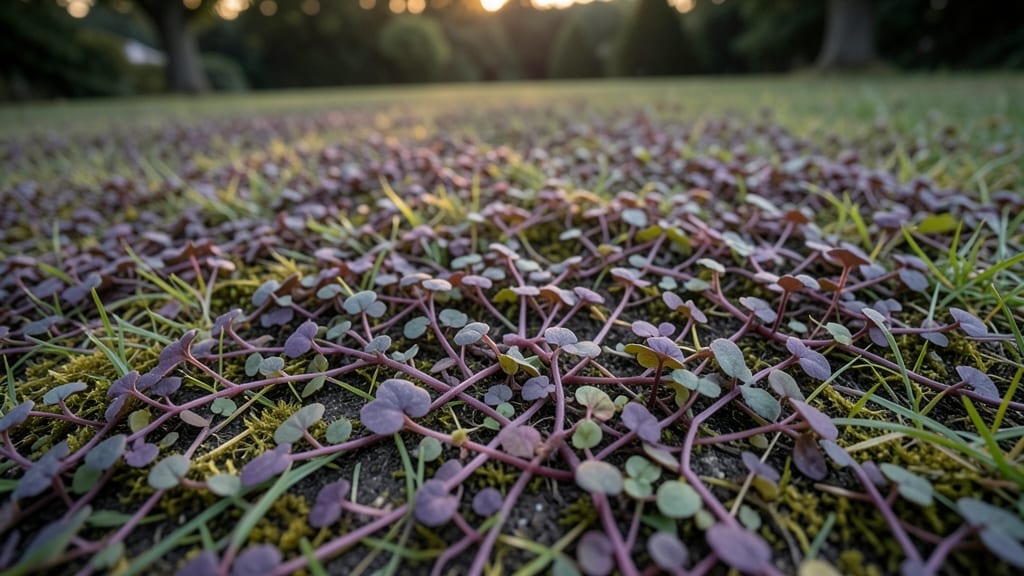
If your lawn looks like a purple-stemmed carpet in shady spots, you’re likely battling Creeping Charlie—a weed that thrives where grass gives up. This tenacious invader forms dense mats that choke out grass roots, and its resistance to many herbicides makes it a homeowner’s nightmare.
The key to controlling it lies in timing and persistence. Early spring or fall applications of 2,4-D-based herbicides (like those in Trimec or Weed-B-Gon) work best, but you’ll need multiple treatments—Creeping Charlie sends out runners that regrow from tiny fragments. For organic approaches, try a corn gluten meal pre-emergent in early spring to starve existing roots, combined with manual removal of visible stems.
This weed targets moist, shady lawns where grass struggles, so improving drainage and overseeding with shade-tolerant grass varieties can help prevent its return. Lawn care pros recommend spot-treating affected areas first to avoid harming nearby plants. 💚
Dandelion: The Persistent Seed Spreader
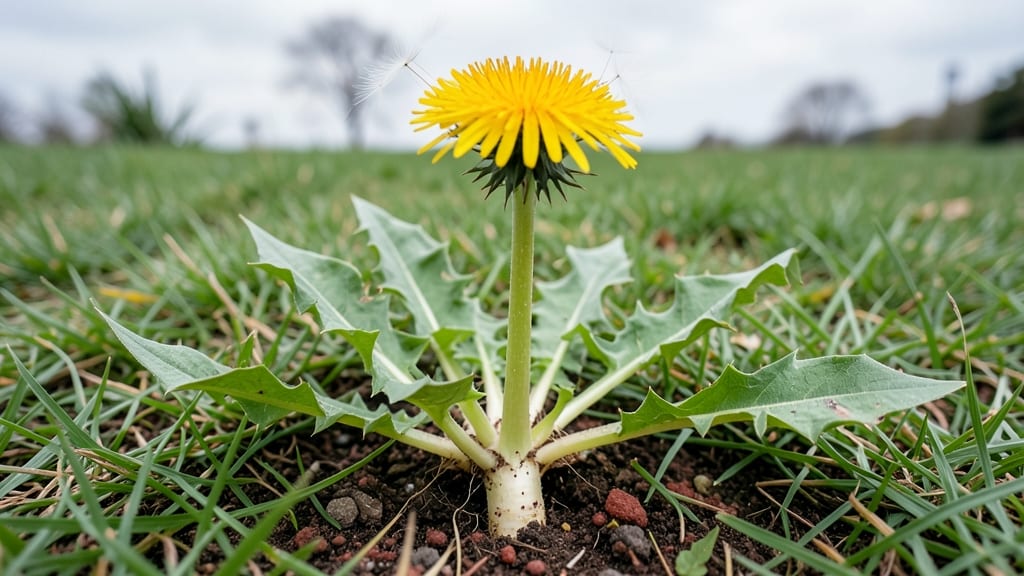
That bright yellow dandelion popping up in your lawn isn’t just a pretty face—it’s a survival machine. With a deep taproot that can extend up to 15 inches into the soil, pulling it out is like playing tug-of-war with a stubborn child. Worse yet, each plant releases thousands of seeds that can lie dormant for years, ready to sprout when conditions are right.
Dandelions thrive in compacted or poor soil, where grass struggles to grow, making them the ultimate opportunist. They also love weak lawns, often appearing first in thin or patchy areas before spreading aggressively. The key to controlling them? Preventing seed production by removing flowers before they go to seed, and improving soil health to give grass a fighting chance.
For homeowners with urban lawns or compacted soil, dandelions are a sign your lawn needs better care—not just another pesky weed. 🌱
Clover: The Tough Ground Cover
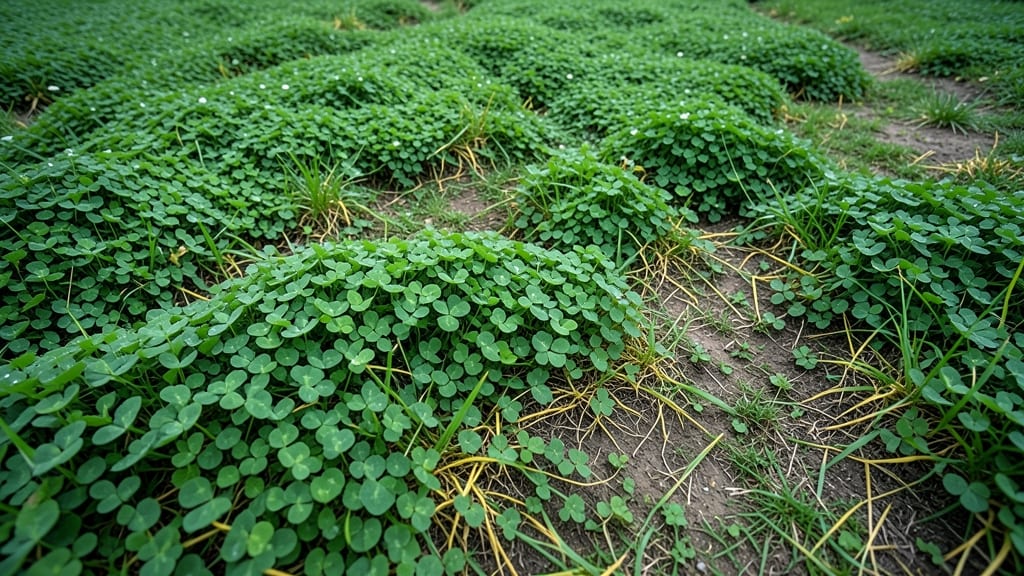
That soft, green carpet of white clover might look harmless, but it’s actually one of the most aggressive lawn invaders—forming dense mats that strangle grass roots while fixing nitrogen in the soil. Unlike other weeds, clover doesn’t just spread; it dominates, leaving behind an uneven, patchy lawn that’s hard to reseed.
To tackle it, use selective herbicides like 2,4-D or triclopyr in late spring when clover is actively growing, or pull it manually before it sets seed. For organic control, smother patches with thick mulch or overseed with dense grass varieties like tall fescue, which outcompetes clover over time. Timing is key—don’t let it flower!
Homeowners with thin lawns or those transitioning to organic lawn care will find clover particularly stubborn. But with persistence, you can reclaim your yard—and prevent it from becoming a nitrogen-fixing nightmare. 🌿
Henbit: The Winter-Spring Weed
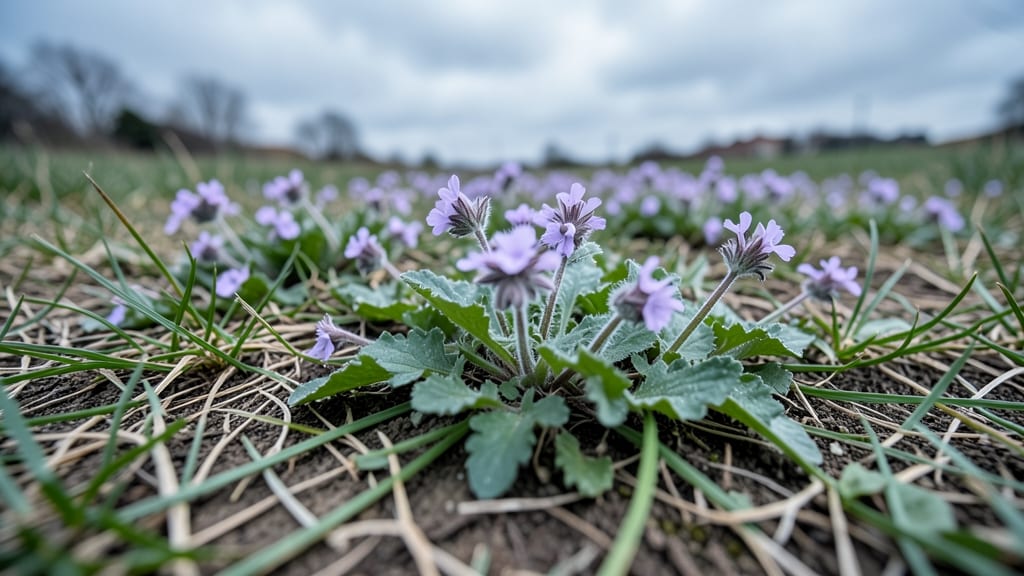
That purple-blooming weed creeping through your lawn isn’t just an eyesore—it’s henbit, a winter-spring aggressor that spreads faster than you can say "lawn care." Its square stems and delicate flowers make it easy to miss until it’s too late, smothering grass and leaving bare patches behind.
Henbit thrives in cool-season lawns and loves thin, weak grass, making early spring the perfect time to strike before it dominates. Pull young plants by hand (roots are shallow) or spot-treat with a selective herbicide like 2,4-D for larger patches. Avoid over-seeding until it’s fully eradicated—otherwise, you’ll just be feeding it.
This weed is especially tricky for gardeners in northern climates where winter lawns struggle. Catch it early, and you’ll save hours of backbreaking work later. 💚
Wild Violet: The Pretty but Problematic Ground Cover
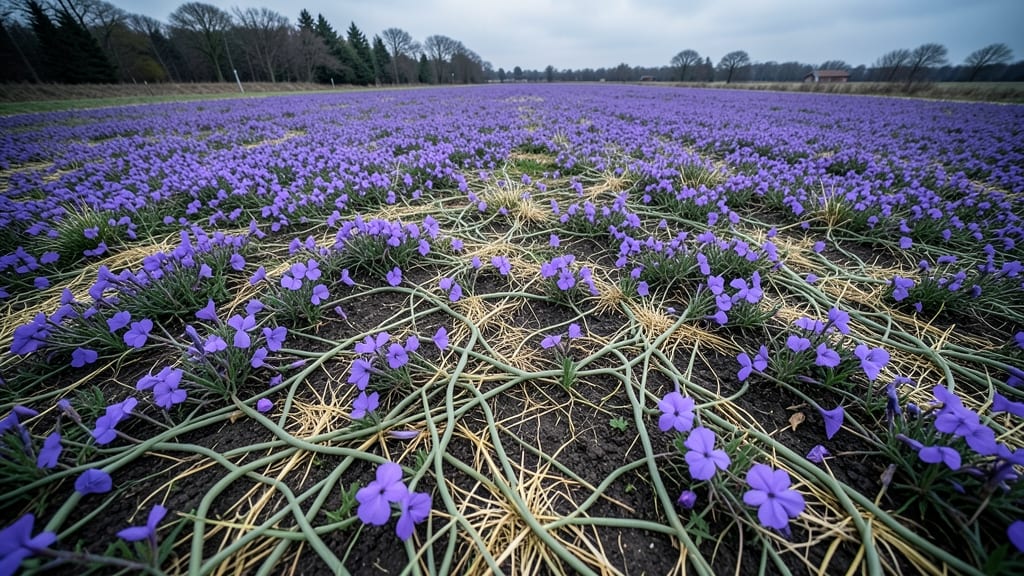
That delicate purple bloom might look charming, but wild violet is one of the most aggressive lawn invaders, spreading rapidly through underground runners to form dense, suffocating mats that choke out grass. What starts as a few scattered flowers can quickly become an unmanageable ground cover if left unchecked.
This weed thrives in partial shade to full sun and spreads best in moist, well-drained soil—common in lawns with thin grass or bare patches. While its heart-shaped leaves and spring blooms are pretty, they signal a persistent problem. The best control methods include targeted herbicides (like 2,4-D) applied in early spring before flowering, or vinegar solutions (3:1 vinegar-to-water ratio with dish soap) for spot treatment. Hand-pulling works temporarily but rarely eliminates the entire root system.
Lawn owners in cooler climates or shaded yards often battle wild violet year after year, making it a perennial challenge. If you love the look but hate the spread, consider planting competitive ground covers like creeping thyme or clover to outcompete it naturally. 💚
Kyllinga: The Tropical Grass-Like Weed
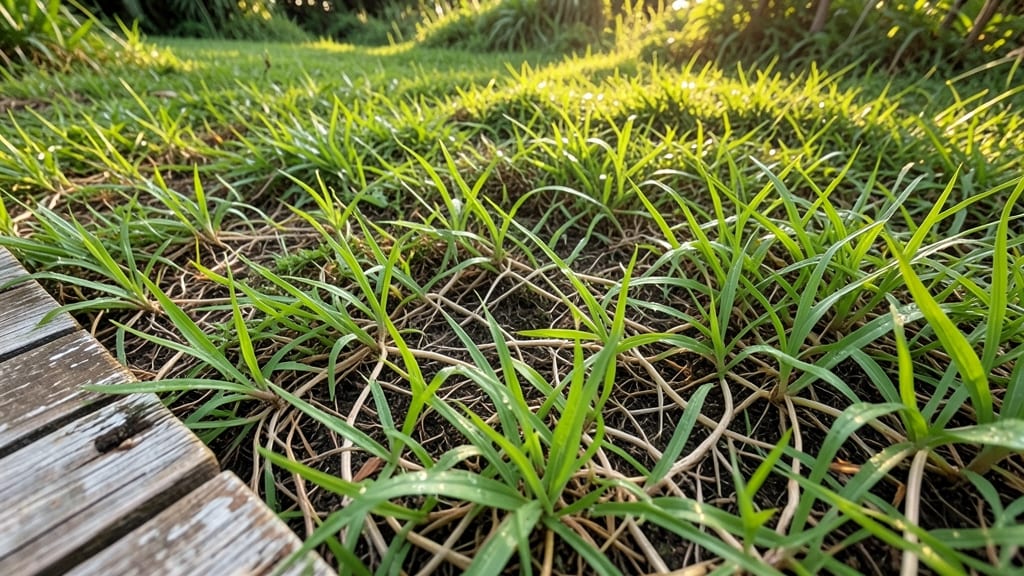
If your lawn looks like a tropical jungle instead of a well-manicured space, kyllinga might be the culprit. This sneaky weed mimics grass with its thin, blade-like leaves but spreads aggressively through underground stems called rhizomes, making it a nightmare in warm, humid climates.
Kyllinga thrives in poorly drained soil and thrives year-round in zones 8-11, often appearing in lawns, garden beds, and even cracks in pavement. Unlike other weeds, it resists many herbicides, so manual removal with a weeding tool or repeated applications of glyphosate-based herbicides are your best bets. For long-term control, improve drainage and overseed bare spots to crowd it out.
This weed is especially problematic for gardeners in southern states or those with tropical lawns. Without intervention, it can take over quickly, so stay vigilant—especially after rain when it grows most aggressively. 🌱
Ground Ivy: The Creeping Vine Weed
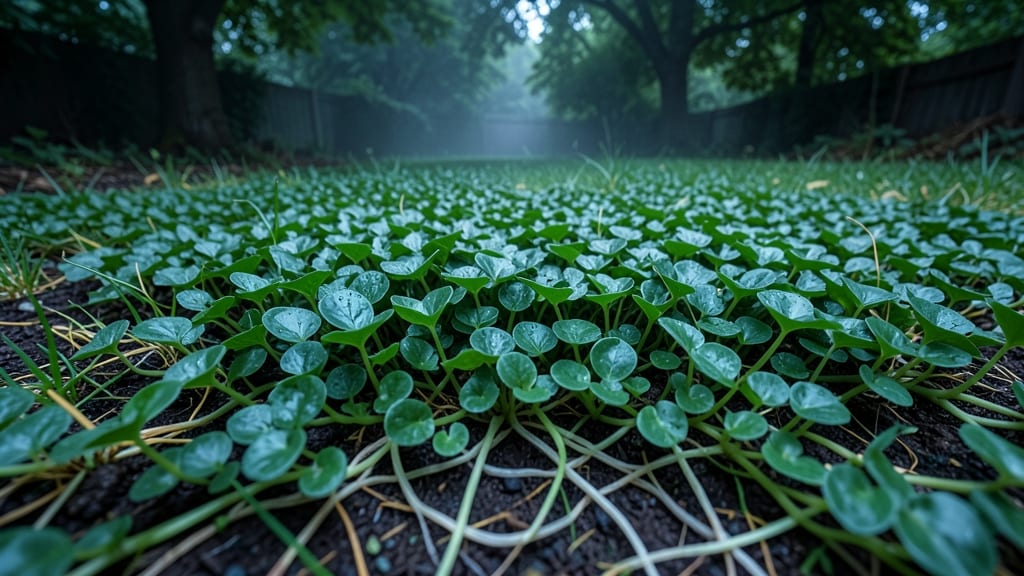
If your lawn has stubborn patches where grass refuses to grow—especially in shady, damp corners—you’re likely battling ground ivy. This creeping vine forms dense, carpet-like mats with distinctive square stems, smothering grass and spreading relentlessly via underground runners.
Unlike other weeds, ground ivy thrives in low-light conditions and moist soil, making it a persistent problem in lawns with poor drainage or heavy shade. Its square stems (a key ID feature) and kidney-shaped leaves help it outcompete grass, creating bare spots that seem impossible to recover. For removal, focus on manual pulling (including roots) or spot-treating with selective herbicides in early spring before new growth emerges.
This weed is especially frustrating for homeowners with shady lawns or those who’ve struggled with other creeping invaders. While it’s tough to eradicate, consistent effort in spring and fall can help reclaim your yard—one stubborn patch at a time. 💪
Mallow: The Tough Broadleaf Weed

That fuzzy, broadleaf weed you can’t seem to pull up? Meet mallow, the lawn’s stealthy survivor with deep roots and a knack for thriving where grass won’t. Unlike other weeds, it doesn’t just pop up—it establishes itself in disturbed soil, whether that’s from foot traffic, construction, or even your last failed garden project.
Its large, velvety leaves and deep taproots make it nearly impossible to yank out by hand, and it handles both full sun and shade with ease. The key to removal? Target young plants before they mature, or use a broadleaf herbicide labeled for tough weeds like this one. For organic gardeners, smothering with thick mulch or repeated vinegar applications (directly on leaves) can weaken it over time.
Lawn care beginners and urban gardeners with compacted soil will recognize mallow as the weed that just won’t quit—until you know its tricks. 🌻