
Lawn
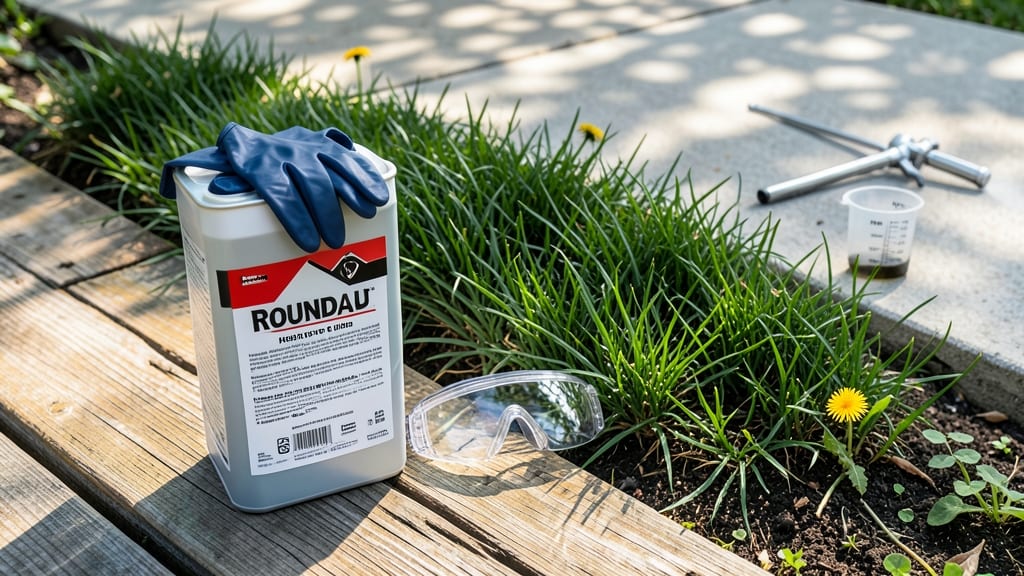
How to use Roundup for lawns without wrecking your grass? It’s all about precision—spot-treating weeds while protecting your lawn requires the right timing, tools, and technique. I’ve learned the hard way that blanket spraying turns green lawns into brown patches overnight.
You’ll need a selective applicator (like a foam or brush-on formula), safety gear (gloves, goggles), and a calm day when temps are below 85°F. The best time to apply is early morning or late afternoon—when weeds are actively growing but grass isn’t stressed.
Always test a small patch first to check for sensitivity.
Once applied, weeds typically die within 3-7 days, turning crispy before collapsing. Grass recovers faster than you’d expect, but never let Roundup drift onto blades. For stubborn weeds, repeat the process—just wait 7-10 days between applications to avoid overkill.
If you’re worried about chemicals, consider organic alternatives like vinegar mixes (for small areas) or pre-emergent treatments. But if Roundup is your go-to, clean up leftover product immediately—never let it sit in containers or runoff into storm drains. Safety first, always.
📚 In This Guide
- What you need
- Instructions
- Tips and common mistakes
- Wrapping up and next steps
What you need
- ● Roundup Concentrate or Ready-to-Use Spray: Roundup Concentrate (glyphosate-based) – 1 gallon per 500 sq. ft. (for spot treatment)
- ● OR Roundup Ready-to-Use (pre-mixed) – 1 gallon per 1,000 sq. ft.
- ● Spray Bottle or Pump Sprayer: Handheld spray bottle (for small, precise areas)
- ● OR Pump sprayer (for larger lawn sections, 1–2 gallon capacity)
- ● Protective Gear: Nitrile gloves (waterproof, chemical-resistant)
- ● Long sleeves & pants (to avoid skin contact)
- ○ Safety goggles (optional but recommended)
- ● Water Source: Hose with a fine mist nozzle (for rinsing tools/sprayers afterward)
- ● Measuring Cup or Scale: For precise herbicide dilution (if using concentrate)
- ● Weatherproof marker (to label treated areas)
- ● Knee pads (for comfort during spot treatments)
- ● Lawn edging tool (to define treatment zones)
- ● Plastic sheeting (to protect nearby plants or driveways)
- ● Timer or weather app (to check for wind/rain delays)
Step-by-step guide for targeted weed control with glyphosate
Precision weed removal protects your lawn while keeping grass healthy—here's how to apply it safely and effectively.
Identify and Prepare Target Areas
Examine your lawn for isolated weeds, focusing on those growing away from grass edges where overspray won't drift onto healthy turf. Glyphosate kills all green plant material, so avoid treating areas where desirable plants grow nearby. Mark the perimeter of each treatment zone with small flags or chalk lines to prevent accidental drift onto grass.
Choose a calm, dry day with no wind to minimize spray drift. The ideal conditions are temperatures between 50-85°F and no rain forecasted for 24 hours before or after application. This ensures the herbicide has time to absorb without being washed away or causing runoff.
Select the Right Application Method
For spot treatment, use a pump sprayer with a narrow nozzle or a foam applicator wand designed for precise control. The foam applicator is ideal because it clings to weeds, reducing overspray and drift. Fill your sprayer with Roundup Concentrate mixed at a 2% solution (2.5 oz per gallon of water) for broadleaf weeds, or follow label instructions for your specific formulation.
Test your sprayer first on a small weed patch to adjust pressure and coverage. You want a fine mist that coats the leaves thoroughly but doesn't create droplets that could drift onto grass. If you see droplets forming on the nozzle, increase the spray pressure slightly to create a finer mist.
Apply Herbicide Directly to Weeds
Hold the sprayer 6-12 inches away from the weed foliage and apply until the leaves are fully wet but not dripping. Focus on the upper and lower leaf surfaces, as glyphosate is absorbed through the leaves and translocated to the roots. Avoid spraying the soil directly unless you're treating a bare spot—grass roots can absorb residual herbicide.
For stubborn weeds like dandelions or clover, apply a second coat 24 hours later to ensure full coverage. You'll know you've applied enough when the leaves look uniformly damp and slightly glossy. Reapply only if the weeds remain green and healthy after 7-10 days, indicating the initial dose wasn't fully absorbed.
Monitor and Retreat as Needed
Weeds typically show signs of dying within 3-7 days—leaves will yellow, then brown and crisp. If any weeds remain green after 10-14 days, they may be resistant or the application was incomplete. In this case, repeat the process, but never apply more than two treatments in a single growing season to the same area.
After treatment, avoid mowing the area for at least 24 hours to prevent spreading residual herbicide to grass blades. Water the treated area lightly 48 hours after application to help the glyphosate move into the soil and reduce volatility. Keep children and pets away until the weeds have fully decomposed, typically 7-10 days after treatment.
Prevent Future Weed Growth
Once weeds are eliminated, improve lawn health to discourage regrowth. Overseed bare spots with grasses suited to your climate, and apply a slow-release nitrogen fertilizer to strengthen grass roots. Regular mowing at 3-4 inches creates a dense turf that outcompetes weeds for sunlight and nutrients.
For persistent weed problems, consider a pre-emergent herbicide in early spring to prevent weed seeds from germinating. Apply pre-emergent before crabgrass and other annual weeds sprout, typically in late winter to early spring, and follow up with post-emergent treatments for any weeds that slip through.
Tips & tricks for Precision weed control with glyphosate
Here's what I've learned from years of targeted weed control—these details make all the difference between spotless lawns and accidental damage.
Weather Window Matters: The 24-hour rain-free window before and after application is non-negotiable. I've seen glyphosate wash away during unexpected showers, making the whole process ineffective. Check the forecast for the full 48-hour period—even light rain can reduce effectiveness by up to 50%. If you're unsure, wait for the next dry stretch rather than risking partial treatment.
Equipment Precision: That foam applicator wand isn't just a convenience—it's your best defense against overspray. I've ruined grass patches by using regular sprayers that create fine droplets. Test your equipment on a small weed first: if you see droplets forming on the nozzle, increase pressure until you get a fine, even mist. The goal is complete leaf coverage without creating airborne particles that can drift onto grass.
Application Technique: When you're 6-12 inches away from the weeds, focus on the upper and lower leaf surfaces. I've found that many people forget the undersides, which can leave the weed partially resistant. For particularly stubborn weeds like dandelions, that second coat 24 hours later makes all the difference—it's the only way to ensure full absorption through those thick leaves.
Post-Treatment Care: The 48-hour watering window is crucial for two reasons: it helps the glyphosate move into the soil while preventing volatility. I've seen cases where people watered immediately after application, causing the herbicide to run off rather than being absorbed. After 48 hours, a light watering helps complete the process without risking runoff.
Pro Tips for Use Roundup For Lawns
- Here's what I've learned from years of targeted weed control—these details make all the difference between spotless l...
- Weather Window Matters: The 24-hour rain-free window before and after application is non-negotiable. I've seen glypho...
- Equipment Precision: That foam applicator wand isn't just a convenience—it's your best defense against overspray. I'v...
Frequently asked questions
Got questions about using Roundup on your lawn? You’re not alone! Here are some of the most common concerns—and clear, straightforward answers to help you tackle weeds like a pro.
Can I use Roundup on my lawn if I have pets or kids?
Roundup (glyphosate-based) is generally safe once fully dry, but it’s best to keep pets and kids off treated areas for at least 24–48 hours. Opt for spot treatments instead of full lawn spraying to minimize exposure. Always follow label instructions and consider pet-safe alternatives like vinegar or corn gluten meal for high-traffic areas.
How long does Roundup take to kill weeds?
Most weeds show signs of damage within 3–7 days, but complete death can take 1–3 weeks, depending on weed type and weather. Warm, sunny days speed up the process, while rain or cold may delay results. For stubborn weeds, a second application after 7–10 days often works best.
Will Roundup harm my grass if I use it correctly?
When used as directed, Roundup targets broadleaf weeds and grasses without damaging your lawn—but only if applied precisely. Avoid overspray by using a shield or drop-spreader and never apply when windy. For extra safety, test a small, hidden patch first. If you accidentally spray grass, rinse with water immediately.
How often can I use Roundup on my lawn?
Roundup can be used every 7–14 days for persistent weeds, but don’t overdo it. Overapplication can harm soil microbes and lead to resistance. For best results, combine with cultural controls like mowing high, watering deeply, and pulling weeds by hand. Rotate with pre-emergent herbicides in spring for long-term weed prevention.
What’s a natural alternative if I don’t want to use Roundup?
For eco-friendly weed control, try these non-toxic options:
For stubborn weeds, repeat treatments may be needed, but these methods are safer for kids, pets, and the planet.
Wrapping up and next steps
Mastering how to use Roundup for lawns effectively means reclaiming your outdoor space without sacrificing your grass. By following the right techniques—like spot-treating weeds, choosing the right product, and timing applications—you can keep your lawn lush while controlling unwanted growth. Your green oasis is just a few steps away!
Ready to take action? Grab your Roundup, gear up, and tackle those weeds with confidence. For extra tips, check out our lawn care guide to keep your yard thriving all season long! 🌱