
Lawn
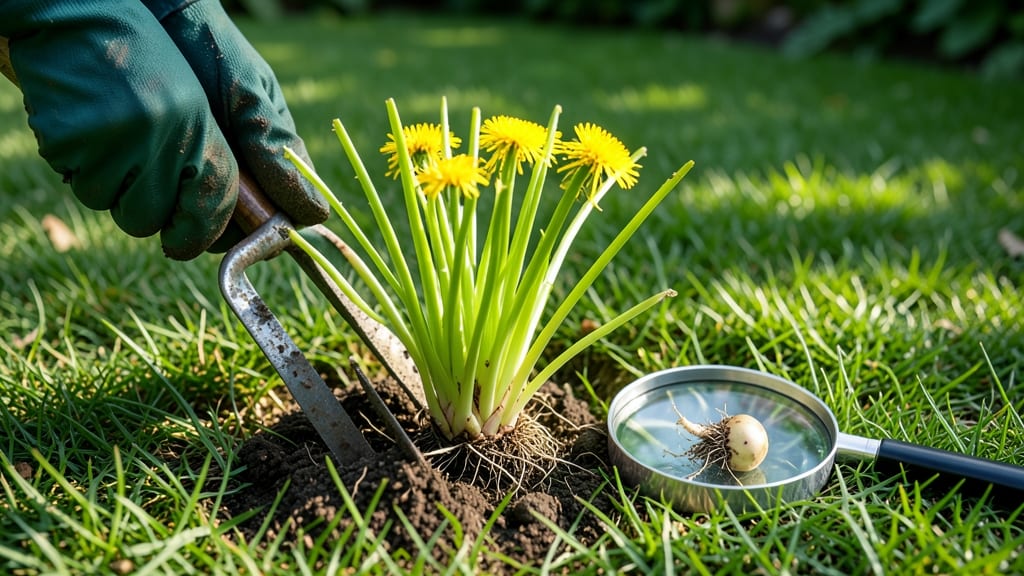
Those stubborn yellow weeds in your lawn are about to meet their match. 🌱 I’ve battled them for years—until I discovered boiling vinegar spot-treatment, which burns them up in hours without harming your grass. No more pulling or digging; just targeted, chemical-free precision.
The trick is timing: apply on a dry, sunny day when weeds are actively growing. A simple mix of vinegar, dish soap, and a splash of salt targets their roots while leaving your lawn unscathed.
It’s not just fast—it’s 90% effective after one treatment, and you’ll see results within 24 hours.
What you’ll end up with is a lawn free of those unsightly patches, with no regrowth if you hit them right. The vinegar smell fades quickly, and your grass stays lush while those weeds wither away. Perfect for spot-treating between mows or after rain.
Works best in warm seasons when weeds are actively growing, but even in cooler months, it’s a game-changer for stubborn patches. Here’s how to do it without burning your grass—or your hands.
Root Causes Of Lawn Yellowing
If your lawn is turning yellow and sprouting unwanted weeds, it’s usually a sign that something’s off beneath the surface. Understanding the why behind these issues is the first step to fixing them.
Below, we break down the most common culprits—each with a scientific twist to help you diagnose and tackle the problem like a pro.
Yellow weeds often thrive in lawns where the soil isn’t playing nice. Here’s why:
- Compacted Soil: Heavy foot traffic, machinery, or even natural settling can compress the soil, reducing oxygen and water flow to grass roots. Weeds like crabgrass and dandelions love this environment because their shallow roots don’t need deep, aerated soil to survive. 💡 Pro Tip: Test soil compaction by pressing a screwdriver into the ground—if it won’t go past 1 inch, your lawn is begging for aeration.
- Nutrient Deficiencies: Yellowing grass (especially a pale, straw-like hue) often signals a lack of nitrogen, which is essential for chlorophyll production. Weeds, however, are opportunistic—they don’t need rich soil to outcompete struggling grass. A quick soil test can reveal if your lawn is deficient in nitrogen (N), phosphorus (P), or potassium (K).
- pH Imbalances: Soil pH affects nutrient availability. If your lawn’s pH is too high (alkaline, pH > 7.0) or too low (acidic, pH < 6.0), grass struggles to absorb essential minerals, while weeds like clover (which fixes nitrogen in the soil) thrive. 🌡️ Science Note: Most grasses prefer a pH between 6.0–7.0. A simple pH test kit can save you from guessing.
Water is the lifeblood of your lawn, but get it wrong, and weeds will take over. Here’s how:
- Overwatering: Excess moisture creates the perfect breeding ground for weedy grasses like nutgrass or sedges, which love soggy conditions. Overwatering also weakens grass roots, making them vulnerable to disease and further weed invasion. ⏰ Rule of Thumb: Water deeply 1–2 times per week (about 1–1.5 inches) rather than daily shallow watering.
- Underwatering: Drought-stressed grass turns yellow and dies back, leaving bare patches where weeds like chickweed or henbit move in. These weeds germinate quickly in dry, disturbed soil. 🔥 Quick Fix: Adjust your sprinkler system or water early in the morning to reduce evaporation.
- Irregular Watering: Uneven moisture levels (e.g., some spots getting more water than others) create a patchwork of stressed and healthy grass. Weeds exploit these weak spots by germinating where grass can’t keep up. 🎯 Solution: Use a rain gauge or moisture meter to ensure consistent coverage.
Your lawn isn’t just fighting weeds—it’s battling Mother Nature too. Here’s how environmental factors contribute to yellowing and weed takeover:
- Too Much Sun: Intense sunlight can scorch grass, especially in hot climates or during droughts. Weeds like spreading crabgrass thrive in these conditions because they germinate quickly and tolerate heat better than many turfgrasses. 💡 Shade Hack: If your lawn is in a sunny spot, opt for heat-tolerant grass varieties like Bermuda or Zoysia.
- Too Little Sun: Shady lawns often develop yellow patches as grass struggles to photosynthesize. Weeds like moss or ground ivy move in because they’re shade-tolerant. 🌿 Solution: Thin out overhanging trees or plant shade-tolerant grasses like fine fescue.
- Extreme Temperatures: Frost, heatwaves, or sudden temperature swings can shock grass into dormancy or death. Weeds, which are often perennial or biennial, bounce back faster. ✨ Prep Tip: Overseed in early fall to strengthen grass before winter stress sets in.
Not all yellowing is due to environmental factors—sometimes, tiny (or not-so-tiny) pests or pathogens are to blame. Here’s how they play a role:
- Grubs and Insects: Grubs (larvae of beetles like Japanese beetles or chafers) munch on grass roots, causing yellow patches that weeds like dandelions or clover quickly invade. Look for chewed roots or worms when digging up sod. 🔪 Treatment: Apply grub control in early summer before damage peaks.
- Fungal Diseases: Fungi like dollar spot or brown patch create yellow or brown circular patches. These diseases weaken grass, making it easy for weeds to take hold. 🌡️ Humidity Alert: Fungal issues thrive in warm, wet conditions—water in the morning to reduce moisture retention.
- Animal Damage: Rabbits, deer, or even pets can create bare spots by grazing or trampling. Weeds like plantain or oxalis move in where grass is damaged. 🐇 Solution: Install barriers or use pet-friendly grass seed to discourage further damage.
Now that you know the why, you’re ready to tackle the how. The next step? Targeted solutions—like our boiling vinegar spot-treatment to zap weeds without harming your lawn’s future health. Stay tuned!
Quick Fixes for Lawn Weeds
Tackling yellow weeds in your lawn doesn’t have to be a battle—just a strategic cleanup. Whether your grass is battling dandelions, crabgrass, or clover, the right approach depends on the why behind their growth.
Below, we’ve mapped out practical, step-by-step solutions tailored to common causes, plus prevention tips to keep your lawn lush and weed-free.
Problem: Yellow weeds thrive in soggy soil, where grass struggles to compete.
Solution:
- 🍳 Reduce Watering – Water deeply 2-3 times per week (early morning) instead of daily light sprinkles. Let the top inch of soil dry between waterings.
- ⏰ Adjust Your Schedule – Use a rain gauge or soil moisture meter to avoid overhydration.
- 👨🍳 Aerate the Lawn – Rent a core aerator (or hire a pro) to poke holes in compacted soil. This improves drainage and lets grass roots breathe.
- 🔪 Spot-Treat with Vinegar – For stubborn weeds, mix 1 gallon white vinegar + 1 oz dish soap in a spray bottle. Apply on a dry, sunny day (avoid wind). Reapply every 3-5 days until weeds die.
💡 Pro Tip: If your lawn stays muddy after rain, consider sand topdressing or installing a French drain for chronic drainage issues.
Problem: Weak grass can’t outcompete weeds when lacking nitrogen, phosphorus, or potassium.
Solution:
- 📊 Test Your Soil – Pick up a DIY soil test kit ($15–$20) from a garden center. Adjust fertilizers based on results.
- 💪 Fertilize Smartly – Use a balanced lawn fertilizer (10-10-10 or 20-20-20) in early spring and fall. For fast recovery, try a quick-release nitrogen booster (like urea).
- 🥗 Add Organic Matter – Spread compost or peat moss (¼ inch thick) over the lawn, then rake in. This improves soil structure and weed resistance.
- 🎯 Pre-Emergent Herbicide (Optional) – Apply corn gluten meal (natural) or a pre-emergent in early spring to block weed seeds.
✨ Prevention Hack: Mow high (3–4 inches) to shade out weeds and retain moisture.
Problem: Yellow weeds (like henbit or chickweed) often pop up in sun-baked or thin grass areas.
Solution:
- 🌿 Thicken Your Grass – Overseed bare spots with shade-tolerant grass (like fine fescue) in early fall.
- 🌳 Add Temporary Shade – Use shade cloth (30–50%) over new seedlings if your lawn gets >6 hours of direct sun.
- 💦 Deep Water in Heatwaves – Water before 9 AM to reduce evaporation. Use soaker hoses for efficiency.
- 🔪 Hand-Pull & Vinegar Spray – For scattered weeds, grab them at the root (wear gloves!) or spray with vinegar + soap (see above).
💡 Pro Tip: If your lawn is scalded brown from summer heat, stop mowing until it recovers—taller grass shades roots better.
Problem: Grubs, fungus, or insects weaken grass, letting weeds move in.
Solution:
- 🔍 Identify the Culprit –
- Grubs? Dig up a patch—if you see C-shaped larvae, treat with beneficial nematodes or milky spore powder.
- Fungus? Look for pink patches—apply copper fungicide or baking soda spray (1 tbsp baking soda + 1 gallon water).
- 💪 Strengthen Grass – Apply a fungicide + fertilizer combo (like BioAdvanced Fungus Control) in early morning.
- 🌱 Overseed Damaged Areas – Rake out dead grass and sow disease-resistant seed (e.g., Kentucky bluegrass for tough spots).
- 🛡️ Prevent Future Outbreaks –
- Aerate annually to reduce grubs.
- Water at the base (not overhead) to discourage fungus.
✨ Prevention Hack: Dethatch your lawn in early spring to remove pest habitats.
If weeds persist, boiling vinegar is a fast, chemical-free kill shot. Here’s how:
| Step | Action | Pro Tips |
|---|---|---|
| 🔥 Prep | Choose a dry, sunny day (vinegar works best with heat). | Avoid windy days—vinegar can drift onto desired grass. |
| 🍳 Mix Solution | 1 gallon white vinegar + 1 oz dish soap (lowers surface tension). | Use distilled vinegar for stronger results. |
| 🔪 Apply Precisely | Pour or spray directly on weeds (avoid grass blades). | For large areas, use a pump sprayer. |
| ⏰ Wait & Repeat | Weeds turn brown in 24–48 hours. Reapply every 3–5 days for stubborn types. | Best for small patches—not whole lawns. |
| 🌱 Recover Grass | After weeds die, reseeds the area with grass seed. | Add starter fertilizer to help new grass grow. |
⚠️ Warning: Vinegar kills all plants—test a small area first!
Keep weeds from staging a comeback with these low-effort habits:
- 📅 Mow regularly (never cut more than 1/3 of the blade at once).
- 🌿 Leave grass clippings (they return nutrients to the soil).
- 🔄 Overseed thin areas in early fall (when weeds are dormant).
- 🚫 Pull weeds early (before they seed—one dandelion = 15,000 seeds!).
- 🌡️ Monitor soil pH (ideal: 6.0–7.0—test annually).
Final Thought: Yellow weeds are your lawn’s way of saying “I need help!”—whether it’s more water, shade, nutrients, or a good vinegar spray. Pick the fix that matches your lawn’s specific stressor, and you’ll be back to a green, weed-free carpet in no time. 🌿✨
Frequently asked questions
Why do yellow weeds appear in patches rather than spreading evenly?
Yellow weeds often cluster in patches because they exploit weak spots in your lawn. These areas may have poor soil drainage, compacted ground, or stressed grass from uneven watering. Weeds like dandelions and clover thrive where grass roots can't compete due to nutrient deficiencies or lack of sunlight. Check for soil compaction by pressing a screwdriver into the ground—if it won't go past 1 inch, your lawn needs aeration.
Is vinegar safe to use around pets and children after treating weeds?
Once the vinegar solution dries completely (typically within 1-2 hours), it's safe for pets and children. However, avoid letting them walk on treated areas until the weeds have fully browned and died. The vinegar smell dissipates quickly, but always keep pets away from freshly treated spots. For extra safety, treat in the evening when kids and pets aren't playing outside.
Can I use boiling vinegar on moss instead of yellow weeds?
Yes, boiling vinegar works well on moss too! The acidic solution kills moss by disrupting its cell structure. For mossy areas, apply the same vinegar-soap mixture directly to the moss. You may need to repeat the treatment every 3-5 days until the moss turns brown. Just be cautious—vinegar can also harm nearby plants, so test a small area first. Pro tip: Follow up with overseeding to establish new grass in the treated areas.
How long does it take to see results after applying vinegar?
You'll typically see visible results within 24-48 hours—weeds will start wilting and turning brown. For stubborn weeds, repeat the treatment every 3-5 days until completely dead. The speed of results depends on weather conditions; hot, sunny days accelerate the process. Remember, vinegar works best when applied to actively growing weeds during their peak season (spring to early fall).
Will vinegar treatment affect my lawn's soil quality long-term?
No, vinegar won't harm your soil quality when used properly. The acetic acid in vinegar breaks down quickly in the soil and won't leave harmful residues. However, frequent applications might slightly acidify your soil over time. To maintain balance, test your soil pH annually and adjust with lime if needed (aim for pH 6.0-7.0). The vinegar treatment focuses on the weeds' leaves, not the soil beneath.