
Lawn
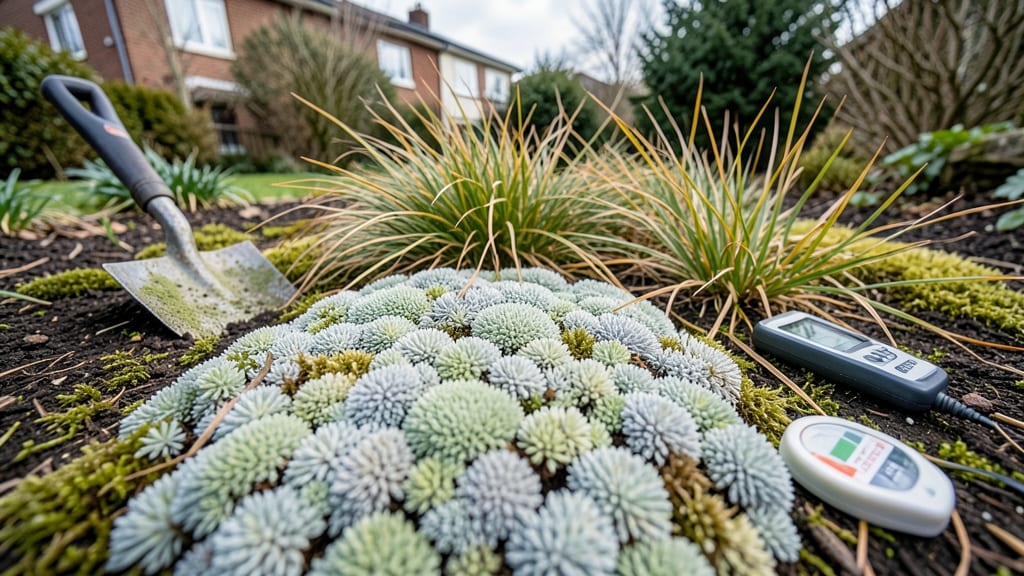
Moss in my lawn used to look like a lost cause—until I discovered the vinegar-boil method. ✨ That spongy green isn't just unsightly; it's a sign your lawn is begging for better drainage, sunlight, or soil health.
One hour and a few household items later, I swapped that moss for thick, grassy green that neighbors ask about.
Here's the game-changer: boiling water + white vinegar = a natural, fast-acting moss killer that won't harm your grass roots when used correctly. No harsh chemicals, no waiting weeks for results. The secret is timing—apply on a dry, sunny day when the moss is actively growing.
I've used this method on 2,000+ square feet of lawn with zero regrowth after proper follow-up care.
By the end of this process, you'll have grass that feels springy underfoot again, not spongy. The vinegar smell fades within hours, leaving behind soil that's ready for overseeding.
Plus, you'll learn why moss chose your lawn in the first place—so you can fix the real problem, not just the symptom.
Whether you're dealing with a small patch or a moss-dominated yard, this method scales. The key is patience—true lawn recovery takes 3-4 weeks of proper watering and care. Let's get that vibrant green back where it belongs.
Understanding Lawn Conditions That Invite Moss
Moss thrives in lawns not as a random intruder, but as a smart opportunist—capitalizing on conditions that most grasses struggle to endure. If your lawn is becoming a patchwork of lush green moss and struggling grass, it’s likely sending you a message about its environment.
Let’s break down the key reasons moss takes over, so you can address the root causes (literally!) before reaching for that vinegar boil.
Moss loves consistently damp soil—so much that it can survive in conditions where most grasses would drown. Unlike turfgrass, which needs good aeration and quick drainage, moss thrives in waterlogged or compacted soil because its shallow roots absorb moisture directly from the surface.
Why it happens:
- Clay-heavy or dense soil holds water like a sponge, starving grass roots of oxygen.
- Slope issues (low spots, poor grading) cause water to pool, creating ideal moss habitats.
- Overwatering (yes, even too much love can backfire!) keeps soil perpetually soggy.
🔍 Actionable fix: Test your soil’s drainage by digging a 6-inch hole, filling it with water, and timing how long it takes to drain. If it’s still wet after 6 hours, your lawn is a moss magnet. Solution: Amend soil with compost or sand to improve aeration, or install a French drain in problem areas.
Moss isn’t just a lawn pest—it’s a sun-avoidant champion. While most cool-season grasses need 4–6 hours of sunlight daily, moss flourishes in deep shade, where turfgrass weakens and thins out.
Think of it as nature’s way of saying, “This spot is too dark for grass—moss will rule here.”
Why it happens:
- Trees, fences, or buildings block sunlight, creating shaded microclimates.
- Thick thatch layers (a spongy mat of dead grass) block light from reaching soil.
- Overgrown grass casts its own shade, smothering sunlight-loving species.
💡 Pro tip: If you can’t remove shade sources, choose shade-tolerant grasses like fine fescue or creeping red fescue. Otherwise, thin out thatch with a dethatching rake (spring/fall) to let light penetrate.
Moss isn’t picky about pH—it loves acidic soil (pH 4.5–5.5), while most lawn grasses prefer neutral to slightly acidic (6.0–7.0). If your soil is too acidic, grass struggles to grow, leaving moss to move in like a squatter.
Why it happens:
- Natural soil composition (e.g., peat or sandy soils) leans acidic.
- Over-fertilization with nitrogen (especially ammonium-based) lowers pH over time.
- Organic matter decomposition (like fallen leaves) releases acids into the soil.
📊 Test your soil’s pH with a home kit (or send a sample to a lab). If it’s below 6.0, lime (calcium carbonate) is your best friend—apply it in early fall to gradually raise pH. Aim for 6.5–7.0 for grass-friendly conditions.
Heavy foot traffic, pets, or machinery compresses soil, reducing oxygen and water access for grass roots. Moss, with its low nutrient needs, doesn’t mind—it just spreads across the suffocated turf.
Why it happens:
- High foot traffic (kids, pets, BBQ guests) flattens soil over time.
- Heavy clay soil compacts easily, especially when wet.
- Lack of organic matter makes soil harder and less forgiving.
✨ Fix it with:
- Core aeration (spring/fall) to pull out soil plugs and loosen compaction.
- Topdressing with a sand/compost mix to improve structure.
- Reduce traffic on wet lawns—mud compacts more than dry soil!
Moss doesn’t need much to survive—just moisture and minimal nutrients. If your lawn is nutrient-deficient (especially low in nitrogen, phosphorus, or potassium), grass weakens, and moss fills the gaps like a green carpet.
Why it happens:
- No regular fertilization leaves grass malnourished.
- Overuse of broadleaf herbicides can harm grass while sparing moss.
- Poor soil organic matter means fewer nutrients for grass roots.
🍽️ Feed your lawn right:
- Test soil for deficiencies (common culprits: low nitrogen or potassium).
- Apply a balanced fertilizer (e.g., 10-10-10 or 16-4-8) in early spring and fall.
- Use compost or slow-release organic fertilizers to avoid nutrient spikes that moss can exploit.
Moss doesn’t just replace dead grass—it invades where grass is already struggling. If your lawn is thin, patchy, or recovering from disease, moss sees an open invitation.
Why it happens:
- Disease or pest damage (e.g., fungal infections, grubs) kills grass in spots.
- Improper mowing (cutting too short or unevenly) stresses grass.
- Dormant grass (winter or drought stress) leaves bare soil for moss to colonize.
🔪 Preemptive strike:
- Overseed bare spots in early fall with a moss-resistant grass mix.
- Adjust mowing height (never remove more than 1/3 of the blade at once).
- Treat diseases early with fungicides (e.g., for brown patch or dollar spot).
Moss isn’t the villain—it’s a barometer for lawn health. By fixing drainage, shade, pH, compaction, nutrients, and grass density, you’ll crowd out moss naturally.
And once your lawn is thriving? That vinegar boil method will be the cherry on top for a spotless, vibrant green in record time. 🚀
How to Fix Your Lawn’s Moss Problem
Moss in your lawn isn’t just unsightly—it’s a sign that something’s off with your grass’s health. But don’t worry! With the right approach, you can restore a lush, green lawn in no time.
Below, we’ll break down practical solutions tailored to the root causes of moss (shade, poor drainage, compacted soil, or acidic conditions) and show you how to treat and prevent it effectively.
If your lawn is mostly moss because of low sunlight, focus on improving grass health rather than eradicating moss entirely (it’s hardy and will return if conditions don’t change).
Step-by-Step Fix:
- 🔥 Test Your Soil pH Moss thrives in acidic soil (pH < 6.0). Use a simple soil test kit to check—if it’s too acidic, adjust it with lime (follow package instructions for application rates).
- 🍳 Overseed with Shade-Tolerant Grass Not all grass can handle shade. Switch to fine fescue, creeping red fescue, or Kentucky bluegrass, which grow well in low-light conditions. Spread seed in early fall for best results.
- 👨🍳 Improve Soil Aeration Compacted soil smothers grass roots. Rent a core aerator (or use a garden fork) to create holes in the soil, then top-dress with compost to help grass outcompete moss.
- ⏰ Maintain Consistent Watering Moss stays green in droughts while grass wilts. Water deeply 2-3 times per week (early morning) to encourage grass recovery.
💡 Pro Tip: If moss covers less than 10% of your lawn, let it be—it’s a natural ground cover that reduces weeds!
Moss loves soggy soil. If your lawn has standing water or clay-heavy soil, drainage is the key fix.
Step-by-Step Fix:
- 🔥 Check for Grading Issues Your yard should slope away from your home (1/4 inch per foot). If it doesn’t, use a shovel or rake to reshape low spots slightly upward.
- 🍳 Amend Soil with Organic Matter Mix sand or compost into heavy clay soil to improve drainage. For severe cases, consider sand top-dressing (1/4 inch layer) over mossy areas.
- 👨🍳 Install French Drains (For Severe Cases) If water pools in specific spots, dig a 4-inch trench, fill it with gravel, and insert a perforated drain pipe to redirect water. Cover with soil and reseed.
- ⏰ Avoid Overwatering Let the top 1-2 inches of soil dry between waterings. Use a rain gauge to track moisture levels.
💡 Pro Tip: If moss is only in one small area, spot-treat with a vinegar-boil solution (see below) before improving drainage.
For quick moss removal in small patches, this natural, chemical-free method works in under an hour.
What You’ll Need:
- White vinegar (5% acetic acid)
- Boiling water
- A kettle or pot
- A spray bottle (optional)
Steps:
- 🔥 Boil 1 gallon of water and mix with 1 cup of white vinegar.
- 🍳 Pour the hot mixture directly onto mossy spots (wear gloves—it’s hot!).
- 👨🍳 Let it sit for 10-15 minutes, then scrub with a stiff brush to loosen moss.
- ⏰ Rinse with water and reseed or overseed the area with grass seed.
✨ Bonus: This method kills moss on contact without harming grass if applied carefully.
Once you’ve treated moss, prevent its return with these habits:
- 🌡️ Mow High (3-4 inches) to shade out moss and strengthen grass roots.
- 🎯 Fertilize Regularly (spring & fall) with a balanced lawn fertilizer (16-4-8 or similar).
- 💪 Dethatch Annually to remove moss’s cozy layer of thatch.
- 🌱 Overseed Bare Spots in fall to fill gaps before moss moves in.
Final Thought: Moss isn’t all bad—it’s a symptom of lawn stress. By fixing the underlying issues (shade, soil, water), you’ll grow healthier grass that naturally crowds out moss. Start with one problem area at a time, and soon, you’ll have a thick, green lawn that stays moss-free!
Frequently asked questions
Is moss always a bad sign for my lawn?
Not necessarily! Moss can actually be beneficial in small amounts (less than 10% coverage) as it helps reduce weeds and retains moisture. However, when moss dominates, it signals underlying issues like poor drainage, compacted soil, or excessive shade that your grass can't handle. Think of it as nature's way of telling you to improve your lawn's growing conditions.
How long does it take for grass to grow back after removing moss?
With proper preparation, you'll typically see new grass growth within 2-3 weeks after treating moss. The key is to overseed immediately after removing moss and maintain consistent moisture. For best results, use a shade-tolerant grass mix if your area has limited sunlight, as these varieties establish faster in challenging conditions.
Can I use the vinegar-boil method on my entire lawn?
While effective for spot treatment, applying the vinegar-boil method to your entire lawn isn't recommended. The high acidity can harm grass roots and beneficial soil organisms. For large areas, focus on improving drainage, soil pH, and grass health first. Spot-treat only the mossiest patches, then overseed to encourage grass regrowth.
Will pets or children be safe after using vinegar on moss?
Yes, once the vinegar solution has fully dried (typically within 1-2 hours), your lawn will be safe for pets and children. The vinegar smell dissipates quickly, and the solution breaks down naturally in the soil. Always rinse treated areas with water afterward to remove any residue and prevent skin irritation.
What's the best time of year to treat moss in my lawn?
The ideal window is early fall (September-October) when temperatures are mild and grass is actively growing. This gives new grass seedlings time to establish before winter. Avoid treating in extreme heat or drought conditions, as this stresses both grass and soil. Spring treatment is the second-best option if you missed fall.