
Lawn
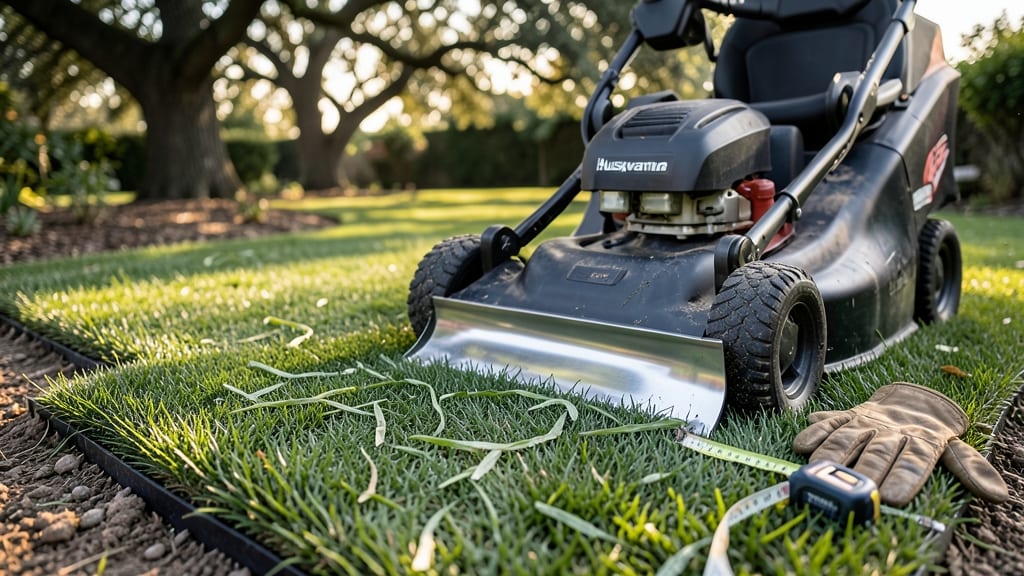
Cutting your lawn too short can turn that lush green carpet into a stressed, weed-prone battleground. ✂️ I’ve seen firsthand how scalping grass weakens roots, invites weeds, and leaves soil exposed to erosion—yet most people still mow too low for a "neat" look.
The secret isn’t just the height setting; it’s understanding how your grass type and season dictate the right cut.
Start by adjusting your mower blade to the highest recommended setting for your grass type—usually 3 to 4 inches for most cool-season grasses. Never remove more than one-third of the blade height in a single mowing, and always sharpen your mower blade first (dull blades tear grass, stressing it further).
Seasonal tweaks matter too: leave grass slightly taller in summer heat to retain moisture and switch to a shorter cut in fall for a cleaner look before winter.
If you’ve already over-mowed, don’t panic. Water deeply to help roots recover, and avoid foot traffic on the weakened grass. Within 2-3 weeks, you’ll see blades bounce back if the soil stays moist and you stop scalping.
The payoff? A lawn that stays green, resilient, and weed-resistant—not a patchy, struggling mess.
This approach works for any yard size, from small suburban plots to large properties. The key is consistency: stick to the one-third rule, and your grass will thank you with thick, healthy growth all season long.
📚 In This Guide
- What you need
- Instructions
- Tips and common mistakes
- Wrapping up and next steps
What you need
- ○ Lawn mower: A sharp, well-maintained walk-behind or riding mower (gasoline or electric). For precision, a self-propelled or zero-turn model (optional but recommended) helps with control.
- ● Mowing height guide: Adjustable to 1.5–2.5 inches (shorter cuts need caution—see tips below!).
- ● Sharp mower blades: New or professionally sharpened for clean cuts and healthy grass.
- ● Safety gear: Closed-toe shoes or lawn mower boots
- ● Sunglasses (UV-protective)
- ● Gloves (cut-resistant for handling debris)
- ● Hearing protection (earplugs or muffs if using loud equipment)
- ● Water source: Garden hose or watering can (for post-mow hydration of thirsty grass).
- ● Trash bags: Heavy-duty, 30–50 gallon (for clippings and debris).
- ● String trimmer: For edging and tight spots (electric or battery-powered for ease).
- ● Lawn cart: To haul clippings or tools across large yards.
- ● Knee pads: If you’re hand-trimming or adjusting settings.
- ● Weather app: To check for rain forecasts—mow when grass is dry!
- ● Fertilizer spreader: For post-mow nourishment (slow-release, high-nitrogen for recovery).
Step-by-step instructions for precision mowing
Here’s how I keep my lawn looking sharp and thriving—without scalping it.
🪴 Step 1: Choose the Right Mowing Height
Never cut more than one-third of the grass blade at a time—this prevents shock and keeps roots strong. For most cool-season grasses like fescue or bluegrass, 2.5 to 3.5 inches is ideal. Warm-season grasses like Bermuda or Zoysia can handle 1.5 to 2.5 inches, but never go below 1 inch unless you’re prepping for overseeding.
Adjust your mower’s height setting before you start. I always check the manufacturer’s guide to confirm the exact blade positions—some mowers have subtle notches that make a big difference. If your lawn looks stressed after mowing, you’ve gone too short. Healthy grass should bounce back within a week.
☀️ Step 2: Mow in the Right Conditions
Timing matters more than you’d think. Mow when grass is dry to avoid clumping and uneven cuts, but never when it’s wilted from heat—that stresses the plants. Early morning or late afternoon is best, especially in hot climates. I’ve learned the hard way that midday mowing can leave brown patches from sunburn.
Also, keep your mower blades sharp—dull blades tear grass instead of cleanly cutting it, which invites disease. Test sharpness by mowing a strip of paper: if it rips, your blades need attention. A fine-tooth file or professional sharpening service works wonders.
✂️ Step 3: Use Proper Mowing Patterns
Alternate your mowing direction every other cut to prevent soil compaction and train grass to grow upright. If you always mow in straight lines, grass will lean in that direction, creating a "grain" that’s harder to manage. I mark my lawn with stakes to visualize the pattern—it looks silly, but it keeps me consistent.
For tight turns, slow down and lift the mower slightly to avoid scalping corners. Overlap passes by 2-3 inches to catch missed spots without leaving stripes. If you notice bare patches after mowing, you’ve gone too low or missed an area—adjust your speed and overlap next time.
💧 Step 4: Clean Up and Maintain
Leave grass clippings on the lawn—they decompose quickly and return nutrients to the soil (unless you’re dealing with thick thatch). If clippings pile up, raise your mower’s deck slightly to mulch them finer. I never bag clippings unless my lawn is diseased, which happens if you mow when grass is wet or stressed.
After mowing, run a leaf rake over the lawn to catch any missed clippings or debris. This also helps aerate the surface slightly. Water deeply 1-2 inches within 24 hours if the weather’s dry—short grass needs consistent moisture to recover. Watch for yellowing or wilting, which means you’ve over-stressed the grass.
⏰ Step 5: Adjust for Seasonal Needs
In spring and fall, keep grass taller (3-4 inches) to shade out weeds and retain moisture. During summer droughts, raise the mower another notch to protect roots. I set reminders to check my mower height every 4-6 weeks—grass grows faster in warm weather, and you’ll scalp it if you’re not paying attention.
Sharpen blades every 10-15 hours of use in peak season. Dull blades don’t just create ragged cuts—they force you to mow more frequently, which stresses the lawn. Store your mower in a dry place with a drop of oil in the gas tank to prevent rust. A well-maintained mower makes all the difference in a healthy, short-cut lawn.
Tips & tricks for perfect lawn mowing
Here's what nobody tells you about keeping your lawn looking sharp without stressing the grass.
Height Adjustment: The 2.5 to 3.5 inches range for cool-season grasses isn't arbitrary—it's based on the grass's growth cycle. If your lawn looks dull after mowing, you've likely cut too much. I test height by holding a ruler against the grass after mowing; if it's consistently below the recommended range, I adjust immediately. For warm-season grasses, that 1.5 to 2.5 inches minimum is crucial—going lower weakens the roots and invites weeds.
Timing Secret: That 24-hour watering window after mowing is non-negotiable for recovery. I set phone reminders for this because grass needs that moisture to bounce back from the stress. Also, never mow when grass is wet—it clumps and creates uneven cuts that look messy. Wait until dew has evaporated, usually by mid-morning in most climates.
Equipment Check: The 10-15 hours blade sharpening interval might seem frequent, but dull blades do more harm than good. I keep a small file in my mower's toolbox and sharpen blades mid-season when I notice the grass looks ragged. A quick test: if your mower struggles to cut cleanly through a strip of paper, it's time to sharpen. This simple maintenance prevents disease and makes mowing faster.
Seasonal Strategy: The 3-4 inches spring/fall height isn't just about aesthetics—it's about protecting your lawn's health. Taller grass shades out weeds and retains moisture better. I use colored stakes to mark my height settings for each season, so I don't accidentally switch back to summer settings when fall arrives. This small habit has saved me from brown patches during transitions.
Pro Tips for Cutting Lawn Short
- Here's what nobody tells you about keeping your lawn looking sharp without stressing the grass.
- Height Adjustment: The 2.5 to 3.5 inches range for cool-season grasses isn't arbitrary—it's based on the grass's growth cycle.
- Timing Secret: That 24-hour watering window after mowing is non-negotiable for recovery.
Frequently asked questions
Got questions about cutting your lawn short?
You’re not alone! Here are some of the most common concerns—and straightforward answers—to help you mow with confidence.
How short is too short when cutting my lawn?
For most grasses, never cut more than 1/3 of the blade at once. Cool-season grasses (like fescue or bluegrass) thrive at 2.5–3.5 inches, while warm-season grasses (like Bermuda or Zoysia) do best at 1–2 inches. Shaving it too short stresses the grass and invites weeds.
When’s the best time of day to cut the lawn short?
Mow in the early morning or late afternoon to avoid stressing the grass in peak heat. If you must mow midday, water deeply beforehand to reduce shock. Also, sharpen your mower blades weekly—dull blades tear grass instead of cleanly cutting it.
Can I cut my lawn short in summer without killing it?
Yes, but adjust your approach. Raise your mower 1 inch higher during droughts to protect roots. Water deeply 1–2 times per week (early morning) and avoid mowing if grass is wet—this prevents disease. If your lawn turns brown, it’s likely dormant, not dead!
What if my lawn looks patchy after cutting it short?
Patchiness often signals uneven growth or soil issues. Test your soil for nutrients (like nitrogen or potassium) and overseed bare spots in fall. If fungus is the culprit, apply a fungicide and improve drainage. For stubborn patches, consider topdressing with compost.
Is there a faster way to cut a large lawn short without sacrificing quality?
Yes! Use a mulching mower to recycle clippings (they return nutrients to the soil). For steep slopes, a self-propelled mower saves time and effort. Break mowing into sections—start at the back of the yard and work forward to avoid missing spots.
Wrapping up and next steps
Cutting your lawn short isn’t just about looks—it’s about health, control, and confidence. With the right tools, techniques, and timing, you’ll achieve that sharp, manicured look while keeping your grass thriving. Remember, consistency is key, so stick to your mowing schedule and adjust as needed.
Ready to take your lawn to the next level? Grab your mower, set a reminder, and start small—your yard will thank you! For extra flair, experiment with patterns or invest in a high-quality trimmer for those finishing touches. Happy mowing! 🌱✂️