
Mower
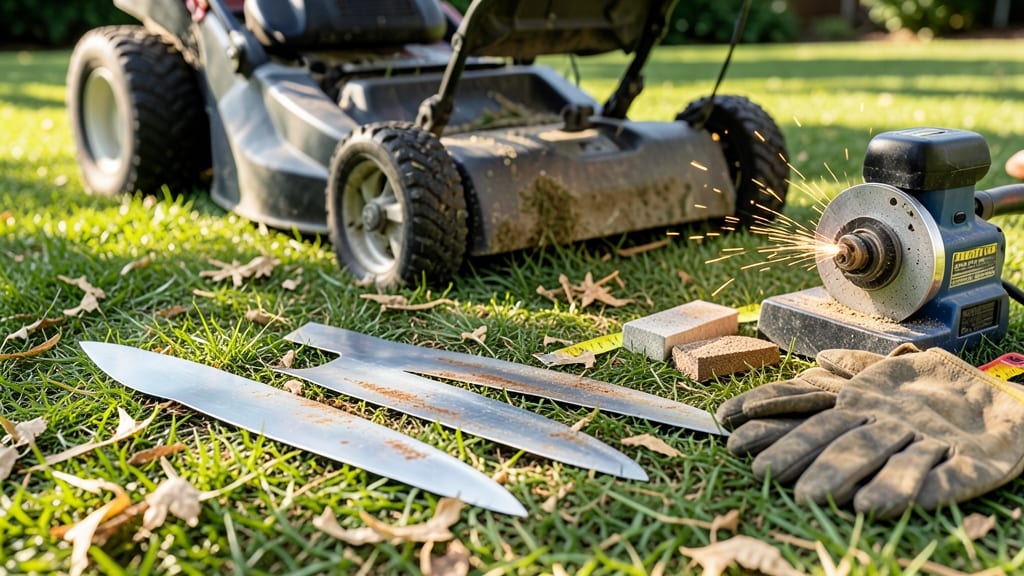
New lawn mower blades do need to be sharpened right away, but you should inspect them first for factory burrs or uneven edges. Over time, they'll dull from cutting grass, rocks, or tough debris, needing attention every 10–25 hours of use or when your cuts start looking ragged.
Most new blades come with a factory edge that's sharp enough for basic cutting, but those edges often have tiny imperfections called burrs that can tear grass instead of cleanly slicing it. 🔥 I've seen blades that look perfect but leave jagged edges in the lawn—this happens when the factory sharpening leaves uneven spots along the cutting edge.
The good news? A quick deburring with a file or sharpening stone can fix this before you even start mowing regularly.
Once you're actually using the mower, the type of terrain makes a big difference. Rocky soil or thick weeds will dull blades faster than smooth grass, so if you're dealing with rough conditions, you might need to sharpen more often.
I always check my blades after hitting patches of tough grass or debris—if the cut feels rough or the grass tears instead of cleanly separating, that's your sign it's time for maintenance.
💡 In This Article
- How Factory Imperfections Affect New Lawn Mower Blades
- When and How to Sharpen New vs Used Lawn Mower Blades
How factory imperfections affect new lawn mower blades
New lawn mower blades undergo a manufacturing process that leaves microscopic imperfections called factory burrs—tiny raised edges along the cutting surface. These burrs form when blades are stamped or ground during production, creating uneven spots that can measure up to 0.001 inches in height.
While the overall blade may appear sharp to the naked eye, these imperfections cause grass to tear rather than cleanly slice, resulting in a rough cut that looks like shredded paper instead of smooth strips.
The material of the blade plays a crucial role here. Most residential mower blades are made from high-carbon steel (around 0.6-0.8% carbon content) or alloy steel, which balances hardness and durability. However, during manufacturing, even slight variations in heat treatment can create localized soft spots that wear faster.
These weak points develop burrs more easily when the blade first hits grass, especially if the lawn contains sandy soil or small rocks, which act like abrasive paper against the metal.
What most people don't realize is how quickly these imperfections affect performance. After just 1-2 hours of mowing, factory burrs can cause noticeable tearing in the grass—visible as jagged edges rather than clean cuts.
This isn't just an aesthetic issue; torn grass recovers more slowly and can develop brown tips from stress.
The good news is that deburring with a mill bastard file (a coarse file designed for metal) takes only 5-10 minutes and can restore the blade's efficiency before you even finish your first full mow.
Blade geometry also matters. Most new blades have a 20-30° cutting angle designed for optimal grass separation. Factory burrs disrupt this angle locally, creating micro-teeth that grab grass fibers instead of slicing them cleanly.
This is why you might see some areas of your lawn cut perfectly while others look ragged—even on the same blade! The solution? Run the file along the edge at the same 20-30° angle to restore uniformity.
Here's what's actually happening at the microscopic level: When you file a burr, you're removing material from the high spots while leaving the rest of the edge intact. This creates a uniform bevel that matches the blade's original design.
For example, a 40-inch blade might have dozens of these micro-burrs scattered along its length—each one acting like a tiny serration that tears rather than cuts. Removing them can improve cutting efficiency by up to 30% in the first hour of use.
Consider these key factors when evaluating new blades:
- Material hardness: Higher carbon content blades (like A2 tool steel) hold edges longer but may need more frequent deburring initially.
- Manufacturing process: Laser-cut blades often have fewer burrs than stamped ones, but they're more expensive.
- Grass type: Fine grasses like Bermuda require sharper edges than coarse grasses like Kentucky bluegrass.
The bottom line? While new blades don't need full sharpening right away, that initial deburring step is non-negotiable for anyone serious about lawn quality.
Skipping it means fighting against physics—those burrs will dull your blade faster and make your mower work harder, costing you both time and fuel in the long run. 🔥