
Lawn
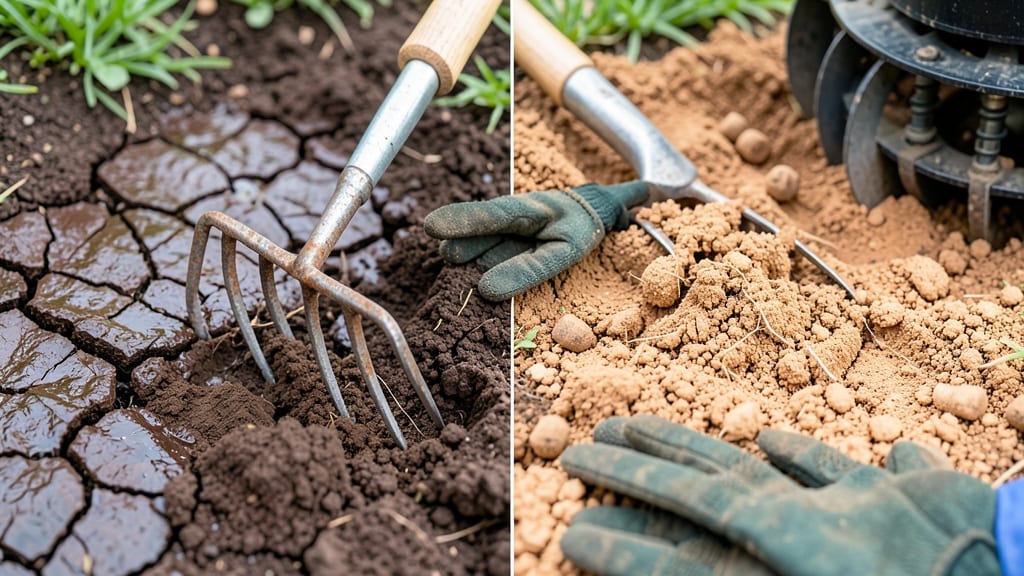
Compacted lawn soil is the silent killer of deep roots and lush grass, but how to loosen lawn soil can be the game-changer your yard needs. 🌱 I’ve seen firsthand how a simple aeration session transforms a struggling lawn into one that drinks water like a sponge and grows roots that reach deep.
The key is breaking up that hardpan—whether you’re dealing with clay-heavy soil or years of foot traffic.
You’ll need either a manual garden fork (for small patches) or a rental core aerator (for larger lawns). Timing matters too—spring or fall when the grass is actively growing gives roots the best chance to recover.
Work when the soil is slightly moist, not soggy, so it crumbles easily under pressure.
After aerating, you’ll see those little soil plugs—don’t toss them! Spread them back over the lawn to protect the holes. Then top-dress with compost or a thin layer of sand to improve drainage and feed the soil. Within weeks, you’ll notice water pooling less and grass growing thicker.
This works for any lawn type, from shady patches to sunny backyards. The secret isn’t just the aeration—it’s the follow-up care that keeps the soil loose and roots happy. Let’s get started!
📚 In This Guide
- What you need
- Instructions
- Tips and common mistakes
- Wrapping up and next steps
What you need
- ● Core Aerator (Manual or Motorized) – Rent or buy a spike or core aerator (core aerators are best for deep loosening). For small lawns (under 500 sq. ft.), a manual spike aerator (~$20–$50) works. For larger areas (500–2,000 sq. ft.), a motorized core aerator (~$100–$300 to rent) is ideal.
- ● Rake (Bow or Leaf Rake) – A sturdy metal rake with 12–16-inch-wide teeth to remove plugs after aerating.
- ● Garden Gloves – Heavy-duty, waterproof gloves (size medium/large) to protect your hands from sharp soil and debris.
- ● Water (Hose or Sprinkler) – A garden hose with a sprinkler head to wet the lawn 1–2 days before aerating (soil should be moist but not soggy).
- ○ Lawn Mower (Optional but Helpful) – Mow the lawn to a 2–3 inch height 1–2 days before aerating for even results.
- ● Soil Loosener or Gypsum – Apply 10–20 lbs per 1,000 sq. ft. after aerating to improve clay-heavy soil.
- ● Topdressing Mix – A blend of compost, sand, and peat moss (5–10 lbs per 1,000 sq. ft.) to fill aeration holes and boost soil quality.
- ● Broadcast Spreader – For evenly distributing soil amendments like lime or fertilizer post-aeration.
- ● Knee Pads or Stool – Because loosening soil is hard work—save your joints!
Step-by-step guide to aerating your lawn
Here’s how to break up compacted soil so water drains better and grass roots thrive.
🪴 Step 1: Choose the Right Time and Conditions
Schedule aeration for late spring or early fall when temperatures hover between 60-75°F. Avoid doing this during droughts or right after heavy rain—soil should be slightly moist but not soggy (press your foot down; if it springs back slowly, it’s ready). I always check the forecast for a dry, sunny day to let the lawn recover quickly.
Mow the lawn short (about 1-1.5 inches) the day before aerating. Taller grass can clog the aerator tines and tear up the turf. If your lawn has thick thatch (over ½ inch), dethatch first—compacted soil and thick thatch make aeration harder.
☀️ Step 2: Select the Best Aeration Method
For small lawns (under 500 sq ft), a manual spike aerator (the garden fork-style tool) works fine. Poke it 3-4 inches deep into the soil in a grid pattern, 3 inches apart. This isn’t ideal—it just punches holes without removing plugs—but it’s cheap and effective for light compaction.
For larger areas, rent a core aerator (the drum-style machine) from a hardware store. Set the tines to 2-3 inches deep and run it over the lawn in parallel passes, overlapping slightly. You’ll see small soil plugs pop up—leave these on the lawn to break down naturally. If your lawn has severe compaction, do two passes at right angles for even coverage.
💧 Step 3: Water Before and After Aeration
Water the lawn deeply 24 hours before aerating to soften the soil. Aim for 1 inch of water—this helps the tines glide in smoothly. After aeration, water again lightly to settle the soil plugs and wash in any fertilizer or seed you plan to add. Avoid heavy watering right away; you want the plugs to stay intact so they decompose and improve soil structure.
Watch for bare spots where plugs were removed. If your lawn has thin areas, sprinkle grass seed over these spots immediately after aerating. The loose soil gives seeds direct contact with moisture and nutrients, boosting germination. Keep the area moist for the next 7-10 days to help roots establish.
⏰ Step 4: Maintain for Long-Term Results
For the first week after aerating, avoid heavy foot traffic or mowing. The lawn needs time to recover, and compacted soil can reform quickly if disturbed. If you’re overseeding, use a light layer of straw (about ¼ inch thick) to protect seeds from birds and drying out.
Repeat aeration once a year for high-traffic lawns or every 2 years for low-maintenance areas. You’ll notice softer ground underfoot, faster water absorption, and deeper green grass within a few weeks. If your lawn still feels spongy after aerating, consider topdressing with compost to further improve soil structure.
Tips & tricks for perfect lawn aeration
A few simple strategies that'll help you avoid common mistakes and get the most out of your lawn aeration.
Timing is Everything: The 24-hour window before aeration isn't just about watering—it's about creating the perfect soil consistency. After you water that 1 inch deeply, step on the lawn with your foot. If it springs back slowly (like a trampoline), that's your signal it's ready. Too fast? Wait another 6 hours. Too slow? You've got soggy ground, and the aerator will struggle to penetrate. I've learned this the hard way after getting stuck with a rented machine in muddy soil!
Equipment Matters: For small lawns under 500 sq ft, the manual spike aerator is a game-changer when you don't want to rent. But here's the secret: angle those tines slightly as you pull them out, not straight up. This creates a better hole shape that actually helps break up compaction. For larger areas, if you're doing two passes, make the second pass perpendicular to the first—but don't overlap more than 2 inches or you'll create unnecessary bare spots.
Post-Aeration Care: That light watering after aeration isn't just about settling the plugs—it's about giving your lawn a drink after the stress of being aerated. I've seen people skip this and wonder why their grass looks stressed the next day. Water lightly enough that you can see the soil plugs stay mostly intact. Then, if you're overseeding, keep that area moist for the full 7-10 days by watering in the early morning. This mimics spring showers and gives those new seeds the best chance to germinate.
Long-Term Strategy: The once-a-year recommendation for high-traffic lawns might seem frequent, but think of it like flossing—you wouldn't skip it every other year, would you? For the first aeration, you'll notice the biggest improvement in water absorption within just 2-3 weeks. After that, the benefits build over time. Pro tip: mark your calendar right after aeration so you don't forget when to do it again next year!
Pro Tips for Loosen Lawn Soil
- A few simple strategies that'll help you avoid common mistakes and get the most out of your lawn aeration.
- Timing is Everything: The 24-hour window before aeration isn't just about watering—it's about creating the perfect soil consistency.
- Equipment Matters: For small lawns under 500 sq ft, the manual spike aerator is a game-changer when you don't want to rent.
Frequently asked questions
Got questions about loosening your lawn soil? You’re not alone! Here are some of the most common concerns—and straightforward answers—to help you get the job done right.
How often should I loosen my lawn soil?
For most lawns, aerating (or loosening) soil once a year in spring or fall is ideal. If your soil is heavy clay or compacted, you might need it twice a year. Overdoing it can damage grass roots, so stick to the schedule unless you notice water pooling or slow growth.
Can I loosen lawn soil without a core aerator?
If you don’t have a core aerator, try these alternatives:
- Spiking: Use a garden fork or aerator shoes to poke holes (about 2–3 inches deep) in a grid pattern.
- Manual aerators: Rent or buy a manual spike aerator for smaller lawns.
- Tilling (last resort): Only do this for new lawns—it can harm established grass roots.
How long does it take for loosened soil to improve grass growth?
You’ll see immediate benefits like better water absorption, but root growth and lushness can take 4–6 weeks to show. For fastest results, aerate in spring or early fall, when grass is actively growing. Avoid aerating during drought or extreme heat—wait for cool, moist conditions.
Why does my lawn still look compacted after aerating?
If your soil feels hard as a rock even after aerating, you may need to:
- Add organic matter: Spread ¼-inch of compost or sand over the lawn and lightly rake it in.
- Water deeply: Soak the soil to help break up clumps further.
- Repeat aeration: Heavy clay soil may need 2–3 sessions spaced a few weeks apart.
Is renting a core aerator worth it for small lawns?
For lawns under 5,000 sq. ft, renting a core aerator (typically $60–$100/day) is cost-effective if you’ll use it once or twice. For tiny patches, a manual spike aerator ($20–$50) or even a garden fork works just fine. Weigh the effort: If your lawn is small but heavily compacted, renting saves time and ensures better results.
Wrapping up and next steps
Loosening your lawn soil doesn’t have to be a daunting task—it’s all about preparation, the right tools, and a little patience. Whether you choose manual aeration or rent a core aerator, the key is giving your grass roots the space they need to thrive.
With healthier soil, your lawn will absorb water more efficiently, resist compaction, and grow stronger—making every effort worth it! 🌱
Ready to take the next step? Schedule your aeration session on a cool, damp day (like early fall or spring) for the best results. And if you’re new to lawn care, start small—even a section of your yard will show noticeable improvement! Happy gardening!