
Lawn
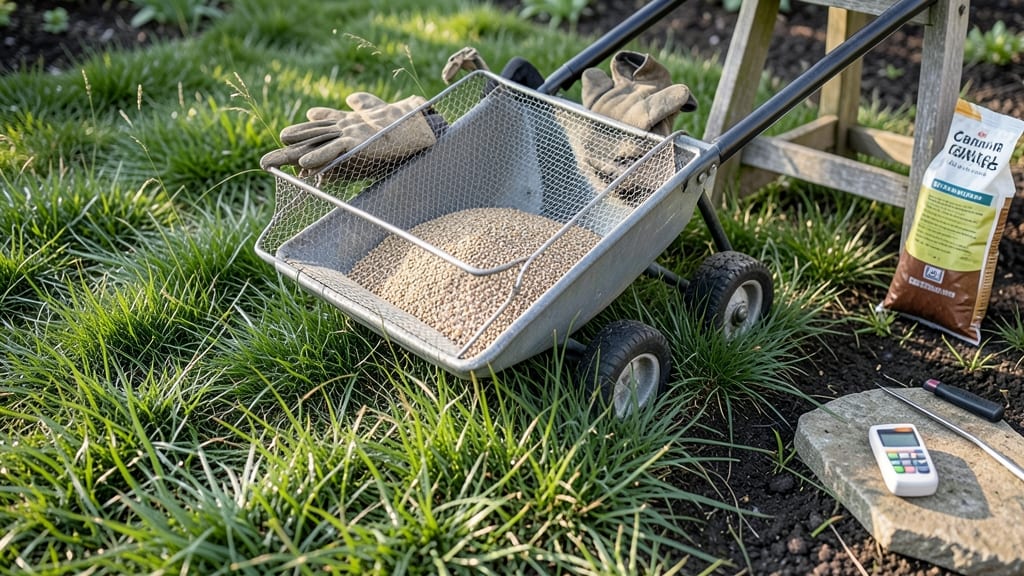
Fertilizing your lawn in the spring should happen when soil temperatures hit 50°F and grass shows active green growth—not before, or you risk wasting nutrients on dormant turf.
Spring lawn care is your golden opportunity to give grass roots a powerful growth boost—but timing it wrong can waste fertilizer or even harm your yard. The right moment depends on your climate zone, grass type, and local weather patterns, not guesswork.
Too early, and the nutrients sit unused in the soil; too late, and your lawn misses the early-season surge. In USDA Zone 6a, that means aiming for late March to early April, but cooler regions may need to wait until May.
Below, I’ll break down the exact window for your area, how to test if your lawn is ready, and the best fertilizer types for spring—plus what to do right after application to lock in those results.

Best spring fertilization timeline by USDA climate Zones: exact months for optimal root growth
Timing your spring lawn fertilization correctly means the difference between a lush, green yard and wasted fertilizer.
Since grass growth patterns vary dramatically by USDA climate zone, I’ve broken down the exact months to apply fertilizer based on your region—plus how to adjust for early or late frosts that can throw off your schedule.
For cool-season grasses (like Kentucky bluegrass and fescue), the best time is early spring when soil temperatures hit 50°F (10°C)—typically March in Zones 5-7 and February in Zones 8-10. Warm-season grasses (like Bermuda or Zoysia) need to wait until after the last frost, usually April-May in colder zones and March in warmer ones.
Here’s the key: Fertilizing too early can burn tender new growth, while waiting too long means missing the window for deep root establishment. Let’s dive into the zone-by-zone breakdown to help you pinpoint the perfect timing for your lawn.
| USDA Zone | Cool-Season Grasses | Warm-Season Grasses | Soil Temp Trigger | Adjust for Frost |
|---|---|---|---|---|
| Zones 3-4 (Cold) | Late April - Early May | Late May - Early June | 50°F (10°C) | Wait until soil thaws completely |
| Zones 5-6 (Temperate) | March - Early April | April - Early May | 50°F (10°C) | Avoid if frost is forecasted |
| Zones 7-8 (Mild) | February - March | March - April | 55°F (13°C) | Can fertilize earlier if no frost risk |
| Zones 9-10 (Warm) | January - February | February - March | 60°F (16°C) | No adjustment needed |
If you’re in a transition zone (like Zone 7b), pay attention to your local last frost date. For example, if your area typically sees frost in early April but you’re itching to fertilize in March, wait until the soil temperature consistently stays above 50°F for at least a week.
Another pro tip: Test your soil first. If your lawn is already nutrient-rich, you might only need a light application. Use a DIY soil test kit (available at garden centers) to check pH and nutrient levels before applying fertilizer.
Most grasses thrive in pH 6.0-7.0, but adjustments may be needed.
For cool-season grasses, aim to fertilize again in early fall (late August to September) to promote root growth before winter. Warm-season grasses, on the other hand, should get their second feeding in late spring to early summer (May-June) to support summer vigor.
One common mistake I see is fertilizing right after overseeding in fall. If you overseeded last year, wait until the new grass is established (usually 6-8 weeks) before applying spring fertilizer. This ensures the tender seedlings aren’t burned by excess nutrients.
Finally, always fertilize in the early morning to avoid burning the grass blades. Water your lawn lightly before and after applying fertilizer to help it absorb into the soil. This simple step can make a huge difference in how effectively your lawn uses the nutrients.
By following this zone-specific timeline, you’ll give your grass the perfect head start for the growing season—no guesswork, just science-backed results. 🌱
3 Key signs your lawn is ready for spring fertilizer (beyond just the calendar)
Spring lawn care is your golden opportunity to give grass roots a powerful growth boost—but timing it wrong can waste fertilizer or even harm your yard. The right moment depends on your climate zone, grass type, and local weather patterns, not guesswork.
Instead of following a calendar, I focus on three critical signs that tell me my lawn is truly ready for spring fertilizer.
First, the soil temperature must reach at least 55°F (13°C) consistently for 5-7 days. This threshold ensures grass roots are actively growing and can absorb nutrients. Use a simple soil thermometer to check—if it’s colder, wait.
Second, look for new grass growth after mowing. If blades bounce back within 7-10 days, your lawn is signaling it’s hungry for nutrients.
Here’s how to spot these signs—and when to act—without guessing:
Don’t skip the DIY soil test—it’s the easiest way to confirm nutrient needs. Mix equal parts white vinegar and water in a spray bottle, then lightly mist your lawn. If bubbles form within 30 seconds, your soil is acidic and needs lime before fertilizing.
For a deeper check, grab a handful of soil and squeeze it—if it crumbles easily, it’s dry and ready for fertilizer. If it sticks together like clay, wait until it dries out.
Once you’ve confirmed all three signs, apply a slow-release fertilizer in early morning to avoid burning grass blades. Water deeply afterward to help nutrients penetrate the soil. Pro tip: Avoid fertilizing if rain is forecasted within 24 hours—nutrients will wash away.
Timing matters more than the product. I’ve seen homeowners rush fertilizer in early spring only to watch it wash away before roots could use it. By waiting for these three signs, you’ll maximize growth and skip the guesswork—your lawn will thank you with a lush, green carpet by summer.