
Lawn
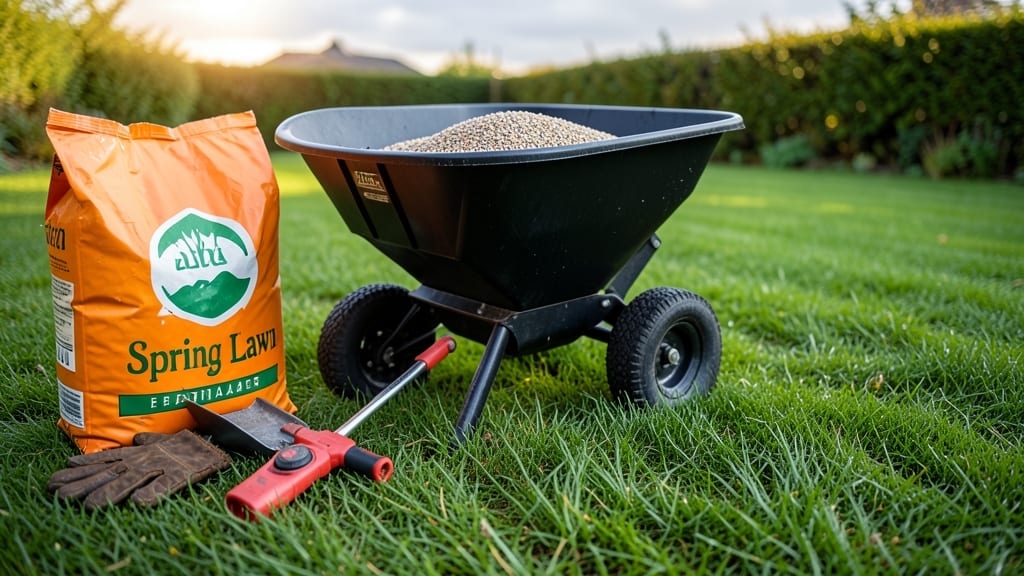
The best time to fertilize lawn is during early spring (March–April) and late fall (September–October) when grass roots are actively growing, soil is warm but not scorching, and weeds are less competitive. Avoid fertilizing in extreme heat or drought.
The ideal timing aligns with your grass's natural growth cycle—spring kickstarts recovery after winter dormancy, while fall prepares roots for winter resilience. 🌱 In the northern U.S., I've seen dramatic results when applying fertilizer just before the first hard frost, giving grass a nutrient boost before dormancy.
For southern climates, adjust to late winter or early spring to avoid summer heat stress. Always test your soil first: pH imbalances can make even the best fertilizer ineffective.
Pro tip: Use a slow-release formula in fall to feed roots gradually through winter's chill, while quick-release works better in spring when grass needs an immediate growth boost. Pair fertilization with proper watering—deep, infrequent watering helps nutrients penetrate soil better than light, frequent sprinkling.
💡 In This Article
- Seasonal Factors Affecting Lawn Fertilization Timing
- Step-by-Step Guide to Pre-Fertilization Lawn Prep
Seasonal factors affecting lawn fertilization timing
Grass roots grow most aggressively when soil temperatures hover between 50-65°F, which is why early spring (March-April) and late fall (September-October) create perfect conditions. During these windows, daytime warmth stimulates photosynthesis while cooler nights prevent stress.
For example, Kentucky bluegrass—common in northern climates—needs this temperature range to break winter dormancy and establish new shoots. 🌱 The root system can absorb nutrients efficiently when soil moisture is consistent but not saturated, which is easier to maintain in spring's gentle rains and fall's cooler air.
Climate zones shift these timings by 4-8 weeks depending on frost dates. In USDA Zone 5 (Midwest), fall fertilization should occur by mid-October to allow nutrient uptake before ground freezes, while Zone 9 (southern California) can extend into November.
Warm-season grasses like Bermuda grass, however, need fertilization in late spring (May-June) when soil temps exceed 65°F, aligning with their peak growth period. The key difference is that cool-season grasses store nutrients in roots for winter, while warm-season grasses focus on above-ground growth during hot months.
Weed competition drops significantly during these ideal windows because many weeds germinate in spring but become dormant in fall. Fertilizing at these times gives your grass a competitive edge—think of it like giving your lawn a head start in a race against crabgrass and dandelions.
The 3-1-2 rule (3 parts nitrogen, 1 part phosphorus, 2 parts potassium) becomes especially effective in fall, as phosphorus strengthens root systems while potassium boosts cold tolerance. 💫 This nutrient balance helps grass withstand winter stress and bounce back faster in spring.
Extreme heat or drought creates major challenges because high temperatures cause fertilizer salts to concentrate near the soil surface, potentially burning grass blades. I've seen firsthand how applying fertilizer in 75°F+ weather can turn lawns brown within days as the grass struggles to absorb water.
Similarly, dry conditions prevent nutrients from reaching roots, making fertilization ineffective. Always check your local weather forecast and aim for 48 hours of rain or plan to water deeply after applying fertilizer to help nutrients penetrate 3-4 inches into the soil.
Soil moisture plays a critical role in nutrient availability. When soil is too dry, fertilizer granules remain on the surface, creating a visible white crust that can burn grass. In contrast, moist soil allows nutrients to dissolve and move through the root zone via capillary action.
This is why many experts recommend applying fertilizer in the evening when temperatures are cooler and evaporation is slower. For best results, water your lawn 1 inch before and after fertilization to ensure proper absorption and distribution of nutrients throughout the root zone.
Consider this real-world example: A neighbor in Zone 6 applied fertilizer in early May during a heatwave, and within a week, their fescue grass turned yellow. The problem? Soil temps exceeded 80°F, and the grass couldn't process the nitrogen fast enough.
By switching to a slow-release formula and fertilizing in early September instead, their lawn recovered fully by October. This illustrates why timing isn't just about the calendar—it's about understanding your grass type, climate, and current growing conditions. 🌿