
Lawn
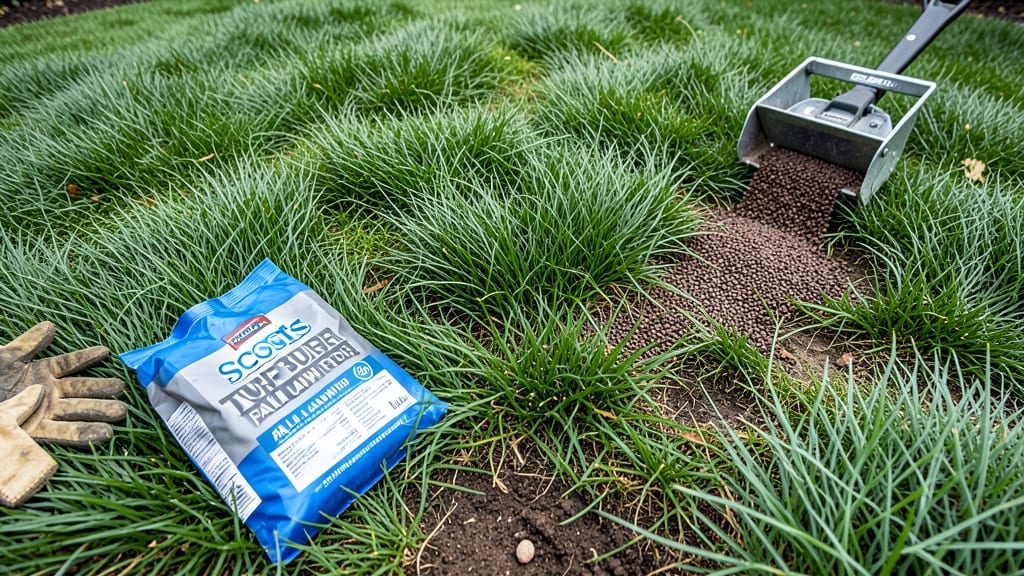
To fertilize lawn in fall, aim for late September through early November, as this timing maximizes root development before winter dormancy. Cool-season grasses thrive with late-season feedings, while warm-season varieties often need earlier applications.
Timing matters because fall fertilization helps grass roots store nutrients for winter survival. 🌱 In cooler climates like USDA Zone 5, wait until after your first frost to apply fertilizer—this prevents winter burn. Meanwhile, southern regions (Zone 9+) can fertilize as early as August, since warm temperatures encourage nutrient uptake.
The key is aligning your schedule with your grass type's natural growth cycle rather than a fixed calendar date.
For cool-season grasses like Kentucky bluegrass or fescue, late fall is ideal because they enter dormancy naturally by late November. Warm-season grasses like Bermuda or zoysia, however, should get their last feeding in early fall (around September) to prepare for their slower winter metabolism.
Always check your fertilizer's nitrogen-to-phosphorus ratio—cool-season blends typically have higher nitrogen for greening, while warm-season blends focus on root strengthening.
💡 In This Article
- How Climate Zones Affect Fall Fertilizer Timing
- Best Fall Fertilizer Types for Different Grass Types
How climate Zones affect fall fertilizer timing
The science behind fall fertilization revolves around how temperature triggers grass metabolism. Cool-season grasses like Kentucky bluegrass and fescue thrive when daytime highs drop to 60-70°F—this signals them to shift from leaf growth to root development.
In northern climates (USDA Zones 3-6), this typically occurs in October, while southern regions (Zones 7-9) may see ideal conditions as early as September. The cooler temperatures reduce evaporation, allowing nutrients to penetrate deeper into the soil.
Warm-season grasses like Bermuda and zoysia behave differently—they enter dormancy when nighttime temperatures consistently drop below 50°F. For these varieties, fertilization should happen 4-6 weeks before the first frost, usually by late August to early September in colder zones.
The goal is to strengthen roots before the ground freezes, not to stimulate new top growth that won't survive winter. Think of it as giving your lawn a "winterizing" nutrient boost before hibernation.
Your local climate plays a critical role in nutrient absorption timing. In Zone 5, where winters are harsh, fertilizing too early (before September 15) risks promoting late-season growth that gets damaged by frost.
Conversely, in Zone 9, where winters are mild, applying fertilizer after November 1 may not give roots enough time to process nutrients before winter rains dilute them. The USDA Plant Hardiness Zone Map is your best guide—match your schedule to when your region's average last frost date occurs.
Temperature also affects how quickly grass absorbs nutrients. Studies show that cool-season grasses absorb 50% more nitrogen when soil temperatures are between 50-65°F compared to warmer conditions. This is why late fall applications work best—the grass isn't competing with summer heat stress.
Warm-season grasses, however, need slightly warmer soil (65-75°F) for optimal uptake, which is why their fertilization window opens earlier in the season.
Don't overlook soil temperature as a key factor. Use a soil thermometer to check 2-3 inches deep—this is where grass roots actively grow. If temperatures are above 70°F, nutrients may burn roots rather than nourish them.
The ideal window is when daytime highs are 65-75°F and nighttime lows dip below 50°F, signaling the grass to prepare for dormancy while still being metabolically active enough to utilize fertilizer.
For precise timing, calculate your "optimal fertilization window" by subtracting 4-6 weeks from your area's average first frost date. In Zone 4, this might mean applying fertilizer by October 15, while in Zone 8, you could extend it until November 15.
This method accounts for regional variations better than fixed calendar dates ever could. 🌡️