
Lawn
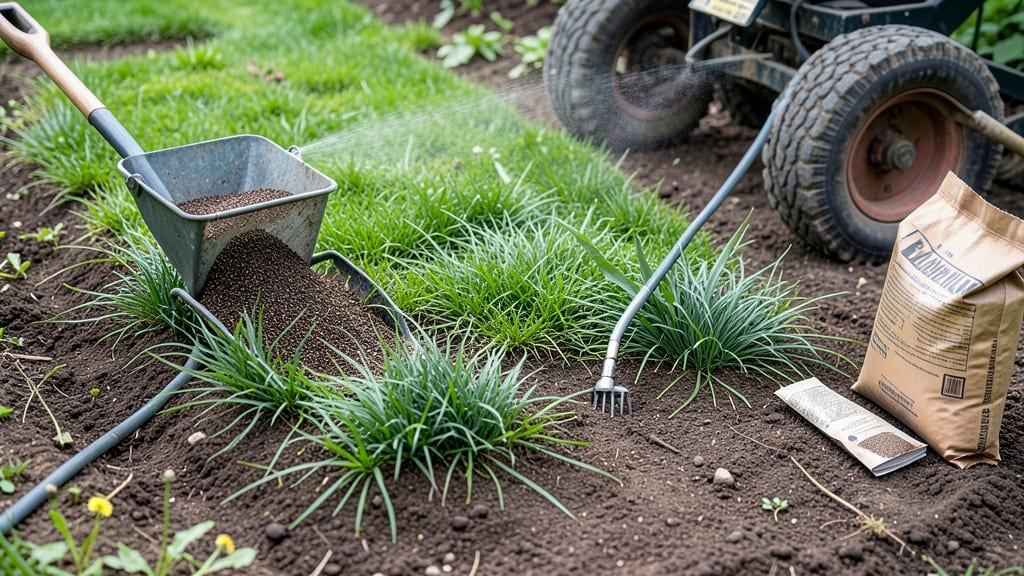
Planting a new lawn in fall gives grass roots a three-month head start before winter dormancy—my lawn went from bare patches to thick, green carpet by spring. ✨ The secret? Cool soil temperatures and fewer weeds mean seeds germinate faster and establish deeper roots than spring planting ever could. You’ll need a rake, seed, and a watering schedule that keeps soil moist but not soggy. Most people overwater, drowning the seeds instead of encouraging them to root. I learned that the hard way—my first fall lawn had more fungus than grass! By late November, your grass should be thatch-free and frost-hardy, ready to ride out winter. The payoff? Spring mowing starts a full month earlier than lawns planted in spring, and the roots are tough enough to handle summer heat. Works for cool-season grasses (like fescue or ryegrass) in both hemispheres—just adjust timing for your local frost dates. Here’s how to nail it every time.
📚 In This Guide
- What you need
- Instructions
- Tips and common mistakes
- Wrapping up and next steps
What you need
- ● Seeds: High-quality cool-season grass seed (e.g., Kentucky Bluegrass, Fescue, or Ryegrass). Calculate 5–8 lbs per 1,000 sq ft for new lawns; 10–12 lbs if overseeding thin areas.
- ● Topsoil: 2–4 inches of screened, nutrient-rich topsoil (pH 6.0–7.0). Aim for 1 cubic yard per 100 sq ft.
- ● Lawn Rake: A bow rake with ¼-inch tines for leveling soil and spreading seed evenly.
- ● Spreaders: Broadcast spreader for seeds (rent or buy; $50–$150 range).
- ● Drop spreader for fertilizer (adjustable settings for even coverage).
- ● Fertilizer: High-phosphorus starter fertilizer (e.g., 10-20-10 ratio). Apply ½ lb per 100 sq ft at planting.
- ● Watering Supplies: Garden hose with adjustable nozzle (for gentle misting).
- ● Sprinkler (oscillating or rotary) for larger areas.
- ○ Soil Test Kit: Optional but highly recommended to check pH and nutrient levels ($10–$20).
- ● Erosion Control Blankets: For sloped areas to hold seed in place ($1–$3 per sq ft).
- ● Lawn Roller: 100–150 lb for compacting soil lightly after seeding.
- ● Pre-Emergent Herbicide: If weeds are a concern, apply 2–4 weeks before seeding.
- ● Organic Mulch: Straw or peat moss (¼-inch layer) to retain moisture and protect seeds.
- ● Soil Amendments: Compost (1–2 inches) or mycorrhizal fungi to boost root growth.
Step-by-Step instructions for planting new lawn in fall
Fall is your best chance for a lush, weed-free lawn—here's how to get roots deep before winter.
🪴 Step 1: Test and Prepare Your Soil
Start by testing your soil's pH and nutrient levels using a home kit or send a sample to your local extension office. Ideal lawn soil should have a pH between 6.0 and 7.0—most home tests come with lime or sulfur recommendations to adjust it. I like to test in early fall because it gives me time to amend the soil before planting.
Once you know what your soil needs, spread 1 inch of compost evenly over the area and work it into the top 4-6 inches of soil using a garden fork. This loosens compacted soil and provides organic matter for strong root development. Avoid tilling too deeply—just break up the top layer enough for roots to penetrate easily.
🌱 Step 2: Choose and Spread Grass Seed
Select a cool-season grass mix suited to your climate zone—Kentucky bluegrass, tall fescue, or perennial ryegrass are tough choices for fall planting. For a 4,000 square foot lawn, you'll need about 12-15 pounds of seed. I like to spread seed in two directions for even coverage: first north-south, then east-west.
Use a broadcast spreader for large areas or a hand spreader for smaller sections. Lightly rake the seed into the soil with a stiff-bristled rake, pressing it just enough to make contact with the soil but not burying it. This ensures good seed-to-soil contact while keeping light accessible for germination.
💧 Step 3: Water Consistently for Germination
The first 2-3 weeks are critical—keep the soil surface moist but not soggy. Water lightly twice daily (morning and evening) for the first week, applying about ¼ inch of water each time. You'll know you're doing it right when the top ½ inch of soil stays damp but not wet.
After the first week, gradually reduce watering to once daily but increase the amount to ½ inch per watering. This encourages deep root growth rather than shallow, weak roots. Avoid walking on the new lawn until the grass reaches 3-4 inches tall—this prevents seed displacement and compaction.
☀️ Step 4: Maintain Through Establishment
Once the grass reaches 3-4 inches tall, it's time to mow—set your mower blade to 3-4 inches high to encourage deep root growth. Never remove more than ⅓ of the blade height at once. I like to mow when the grass is dry to avoid spreading disease through the lawn.
Continue watering 1-1½ inches per week (including rainfall) until the lawn is fully established, which typically takes 6-8 weeks in fall. Fertilize with a slow-release, low-nitrogen fertilizer (like 16-4-8) about 4-6 weeks after planting to support root development without encouraging top growth too soon.
⏰ Step 5: Winterize for Spring Success
As temperatures drop below 40°F at night, reduce watering to ½ inch per week unless there's been recent rainfall. This helps the grass harden off naturally. Avoid fertilizing after October 1 in most climates—this prevents tender new growth from being damaged by frost.
Leave leaf litter on the lawn if possible—it acts as natural mulch, protecting the soil and grass crowns over winter. In spring, you'll see your lawn emerge stronger and more uniform than if you'd planted in summer. That's the power of fall planting!
Tips & tricks for perfect fall lawn planting
Avoid these common mistakes—and get that thick, weed-resistant lawn you've been dreaming of.
Soil Prep Secret: In Step 1, don't just spread compost—work it into the top 4-6 inches using a garden fork. This breaks up compaction and creates the perfect environment for deep root growth. I've seen lawns fail because the soil was only amended on the surface, leaving roots struggling to penetrate. Think of it like fluffing a pillow—roots need that air and organic matter to establish properly.
Seed Spreading Technique: When you're spreading that 12-15 pounds of seed in Step 2, walk in a crisscross pattern (north-south then east-west) for even coverage. I've measured lawns where one section had twice as much seed as another—this method prevents those bare spots. Walk slowly and overlap your passes by about 12 inches for consistency.
Watering Watch: During the critical 2-3 week germination period in Step 3, check soil moisture before each watering. Stick your finger about ½ inch deep—if it's dry, water lightly. Overwatering causes seed rot, while underwatering means poor germination. I set a timer for my twice-daily waterings to avoid forgetting, especially when mornings get busy.
Mowing Mastery: In Step 4, when your grass reaches 3-4 inches, set your mower to that height and never cut more than ⅓ of the blade at once. I've seen people scalp their lawns after planting, which stresses the young grass. Also, mow when grass is dry—wet clippings can spread disease. Think of it like giving your lawn a haircut—short, gentle cuts build strength.
Pro Tips for Planting New Lawn In Fall
- Avoid these common mistakes—and get that thick, weed-resistant lawn you've been dreaming of.
- Soil Prep Secret: In Step 1, don't just spread compost—work it into the top 4-6 inches using a garden fork. This brea...
- Seed Spreading Technique: When you're spreading that 12-15 pounds of seed in Step 2, walk in a crisscross pattern (no...
Frequently asked questions
Got questions about planting a new lawn in the fall? You’re not alone! Here are some of the most common concerns—and their answers—to help you get started with confidence.
Why is fall the best time to plant a new lawn?
Fall offers perfect conditions for seed germination and root growth: cooler air, warm soil, and fewer weeds. With less competition and stress, your grass establishes deeper roots before winter, giving it a head start in spring. Plus, fewer pests and diseases thrive in fall!
How long does it take for a fall-planted lawn to fully grow in?
Expect visible growth within 7–14 days, but full establishment takes 3–6 months. Cool-season grasses (like fescue or ryegrass) thrive fastest in fall, while warm-season grasses (like Bermuda) may need a spring start. Patience pays off—thicker grass comes with time!
How often should I water my new lawn after planting?
Keep soil consistently moist (not soggy) for the first 2–3 weeks, watering lightly 1–2 times daily. After germination, switch to 1 inch per week (including rain). Use a sprinkler for even coverage—avoid puddles to prevent disease.
What if frost hits before my grass grows?
Don’t panic! Most cool-season grasses survive light frost, but avoid planting 4–6 weeks before your first hard freeze. If frost arrives early, cover seeds with straw or a breathable tarp to protect them. Warm spells in late fall can still kickstart growth—just monitor soil temps!
Can I plant grass seed over an existing lawn?
Yes, but prep is key! Mow low, rake out dead patches, and aerate compacted soil. For thin spots, spread seed and top with a thin layer of compost. Avoid overseeding thick turf—focus on bare or patchy areas. Fall is ideal for this too!
Wrapping up and next steps
Fall is the perfect time to lay down a fresh, thriving lawn—cool temps and ample moisture help grass roots establish before winter sets in. By skipping the thatch layer and focusing on proper prep, you’ll enjoy a lush, resilient yard come spring. 🌱
Ready to take the next step? Grab your tools, mark your calendar, and start prepping your soil this weekend. Your future lawn will thank you!