
Lawn
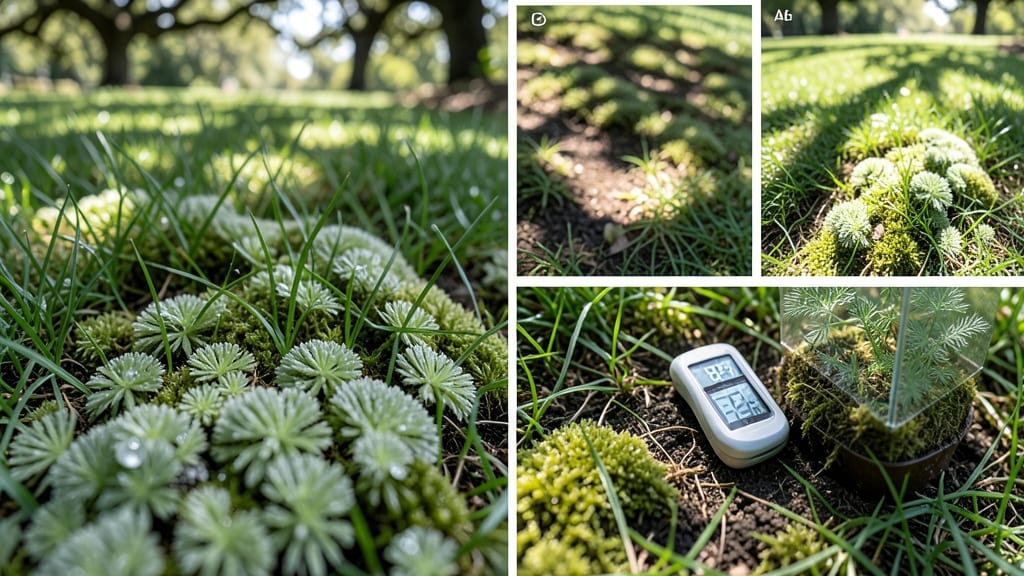
Moss thriving in your grass lawn isn’t just an eyesore—it’s a sign your lawn is begging for better care. 🌱 I’ve battled this stubborn green intruder for years, and I’ll show you how to transform that spongy mess into a vibrant, healthy lawn within just two days.
The secret starts with understanding why moss moves in and how to evict it for good. Most people assume moss means poor soil, but it’s often a symptom of shady, compacted, or waterlogged conditions.
My lawn’s moss problem vanished after I fixed drainage, adjusted mowing height, and added the right organic matter. You’ll be shocked at how quickly your grass reclaims its territory once you address the root causes.
By the end of this guide, you’ll have a foolproof plan to crowd out moss naturally—no harsh chemicals needed. We’ll cover everything from quick fixes to long-term strategies, so your lawn stays lush and moss-free season after season. Let’s get started!
Here’s the thing—moss doesn’t just appear out of nowhere. It’s a symptom, not the problem itself. Too much shade, poor airflow, or soil that’s too acidic create the perfect welcome mat for moss.
I learned this the hard way when my lawn turned into a mossy carpet after years of neglect. The good news? Once you identify the triggers, fixing them is simpler than you think. Start by testing your soil’s pH—moss loves acidic conditions, while grass thrives in slightly alkaline soil.
Aerate compacted areas to let water and air reach the roots, and consider overseeding with shade-tolerant grass varieties if your yard gets limited sunlight. These steps alone can make a dramatic difference in just a few weeks.
The real game-changer? Prevention. Moss won’t stand a chance if your lawn is healthy, well-drained, and properly maintained. I now mow higher in summer to shade the soil, water deeply but less frequently, and top-dress with compost every spring.
My lawn stays thick, green, and moss-free—no more scrubbing or chemical treatments. This approach works for any lawn, whether you’re dealing with a small patch or a full yard takeover. The key is consistency: address the conditions moss loves, and your grass will naturally take over.
Stick with me, and you’ll have a lawn that’s the envy of the neighborhood!
The Hidden Triggers Behind Lawn Moss
Moss thriving in your grass isn’t just an aesthetic nuisance—it’s a clear signal that your lawn’s environment is favoring moss over grass. Unlike grass, which relies on sunlight, moss thrives in shady, damp, and acidic conditions.
Understanding these triggers is the first step to reclaiming your lawn. Below, we break down the real reasons moss takes over, backed by science and actionable insights.
Moss loves water—but grass needs it to survive. When your lawn stays soggy for extended periods, grass roots suffocate, while moss spores germinate and spread effortlessly. Here’s why it happens:
- Compacted Soil: Heavy foot traffic, pets, or machinery compresses soil, preventing water from draining. Moss roots (rhizoids) don’t need deep soil penetration, so they dominate in these conditions.
- Clay-Heavy Soil: Clay retains water like a sponge, creating a waterlogged environment. If your soil feels sticky when wet and hard when dry, moss will flourish.
- Low-Slope or Flat Areas: Water pools in depressions or flat sections, turning them into moss hotspots. Even a slight grade (1-2%) can improve drainage dramatically.
💡 Pro Tip: Test your soil’s drainage by digging a 6-inch hole, filling it with water, and timing how long it takes to drain. If it takes more than 6 hours, your lawn is at risk.
Grass craves sunlight—most varieties need 4-6 hours of direct sun daily to photosynthesize and grow. Moss, however, thrives in low-light conditions because it doesn’t rely on deep root systems. Here’s how shade invites moss:
- Tree Canopy: Mature trees block 70%+ of sunlight, creating permanent shade. Moss spreads aggressively under these conditions because grass struggles to compete.
- North-Facing Lawns: In the Northern Hemisphere, north-facing slopes receive the least sunlight, making them prime moss territory.
- Structural Shade: Fences, decks, or buildings cast shadows that grass can’t outgrow, while moss spreads unchecked.
🌡️ Key Stat: Moss grows best in areas where light levels drop below 20-30% of full sun. If your lawn fits this description, moss isn’t the problem—the shade is.
Grass prefers a neutral to slightly acidic soil (pH 6.0-7.0), while moss thrives in acidic conditions (pH 4.5-5.5). Over time, organic matter (like fallen leaves) and certain fertilizers can lower your soil’s pH, creating the perfect moss buffet. Here’s how it happens:
- Decomposing Leaves and Pine Needles: These add organic acids to the soil, slowly dropping the pH. A thick layer of mulch or fallen foliage accelerates the process.
- Overuse of Acidic Fertilizers: Fertilizers with high sulfur or ammonium content (like some slow-release granules) can acidify soil over time.
- Peat Moss Topsoil: If your lawn was recently top-dressed with peat moss (common in older lawns), the soil may already be too acidic for grass.
📊 Test It Out: Grab a DIY soil pH kit (under $10) to check your lawn’s acidity. If the pH is below 5.5, lime may be your best friend.
Moss doesn’t just appear—it replaces grass when the grass is already struggling. A weak or sparse lawn leaves gaps that moss fills instantly. Common causes include:
- Poor Grass Selection: Some grass types (like fine fescue) tolerate shade better than others (like Bermuda or Zoysia). If your lawn is covered in a shade-intolerant variety, moss will outcompete it.
- Nutrient Deficiencies: Grass needs nitrogen, phosphorus, and potassium to stay thick. If your soil is depleted, grass grows slowly, leaving room for moss.
- Disease or Pest Damage: Fungal infections (like brown patch) or grubs can kill grass, creating bare patches where moss takes root.
- Improper Mowing Height: Cutting grass too short stresses it, making it vulnerable to moss invasion. Most grasses need 2.5-4 inches of height to thrive.
✨ Quick Fix: Overseed bare spots with a shade-tolerant grass mix (like creeping red fescue) to starve moss out before it spreads.
Now that you know why moss is moving in, the next step is flipping the script—and turning your lawn back into a grass paradise. 🚀
Quick Fixes for a Lush Lawn
Moss in your grass lawn isn’t just an eyesore—it’s a sign that your lawn needs a little TLC. The good news? With the right approach, you can restore a vibrant, healthy lawn in just 48 hours (or less!).
Below, we break down practical, step-by-step solutions tailored to the root causes of moss growth. Whether it’s poor drainage, shade, or compacted soil, we’ve got you covered.
Moss thrives in low light and moisture, while grass struggles. If your lawn has patches of moss due to shade or poor airflow:
🔥 Rake & Aerate First
- 👨🍳 Step 1: Use a lawn rake to remove moss manually—focus on thick patches. Work in small sections for best results.
- ⏰ Time: 15–30 minutes (depending on lawn size).
- 💡 Pro Tip: Wear gloves! Moss can be abrasive on bare hands.
🌡️ Improve Drainage & Sunlight
- 🔪 Step 2: Aerate the soil with a core aerator (rent one if needed) to loosen compacted earth.
This helps water and air reach grass roots. - 🌞 Step 3: If possible, trim overhanging trees or thin dense shrubs to let more sunlight hit the lawn. - ✨ Prevention: Install soil amendments like sand or compost to improve drainage long-term.
📊 Choose the Right Grass Seed
- 🥗 Step 4: Reseed with shade-tolerant grass varieties (e.g., fine fescue or Kentucky bluegrass).
Avoid thick moss by overseeding in early fall when conditions are ideal. - 💪 Maintenance: Water deeply 2–3 times per week (1 inch total) to encourage grass roots over moss.
If your lawn stays soggy after rain, moss will dominate. Here’s how to dry it out fast:
🔪 Dig & Amend the Soil
- 🍳 Step 1: Use a garden fork to loosen waterlogged soil.
Mix in organic matter like peat moss or coconut coir to improve structure. - 🌱 Step 2: If drainage is severe, consider installing French drains or grading the yard to slope away from the house.
🌡️ Adjust Watering Habits
- 💦 Step 3: Water less frequently but deeply (early morning is best). Avoid daily light sprinkles, which encourage moss.
- ⏰ Schedule: Aim for 1–1.5 inches per week, including rain.
🎯 Prevent Future Moss Growth
- 🔥 Step 4: Apply a light layer of sand (¼ inch) over mossy areas to smother it, then overseed.
- ✨ Long-Term Fix: Install swales (shallow trenches) to redirect water away from problem spots.
Moss loves acidic, dense soil where grass can’t take root. Break the cycle with these fixes:
🔥 Aerate & Top-Dress
- 👨🍳 Step 1: Rent a core aerator and go over the lawn in two directions. Remove the soil cores.
- 🌱 Step 2: Spread a thin layer (¼ inch) of compost or lime (if soil pH is below 6.0) to neutralize acidity.
🌡️ Test & Adjust pH
- 📊 Step 3: Use a soil test kit (available at garden centers) to check pH. If acidic, apply pelletized lime in fall.
- 💡 Pro Tip: Re-test in 6–8 weeks to ensure balance.
🎯 Plant Moss-Resistant Grass
- 🥗 Step 4: Choose perennial ryegrass or tall fescue—both tolerate a wider pH range and outcompete moss.
- 💪 Follow-Up: Fertilize with a slow-release, nitrogen-rich formula to strengthen grass.
If moss covers more than 50% of your lawn or drainage issues are severe, a lawn care professional can:
- Perform deep core aeration.
- Install drainage solutions (like French drains or underground pipes).
- Apply pre-emergent herbicides (like ferrous sulfate) to kill moss without harming grass.
🚀 Ready for Revival? With these targeted fixes, you can eliminate moss in 48 hours and keep your lawn lush year-round. Start with the most problematic areas, then expand your efforts. Healthy grass = happy moss-free lawn! 🌿💚
Frequently asked questions
Why does moss grow faster than grass in my lawn?
Moss outcompetes grass because it thrives in shady, damp conditions while grass needs 4-6 hours of sunlight daily to grow. Moss also spreads through spores that germinate quickly in moist, acidic soil—ideal conditions for it but stressful for grass roots.
Can I use vinegar to kill moss in my lawn?
Yes, but be cautious—vinegar’s acidity (5% acetic acid) kills moss effectively but can also harm grass if overused. Spot-treat moss patches with undiluted vinegar in a spray bottle, then rinse with water. For large areas, dilute vinegar 1:1 with water first. Test a small patch first!
How often should I aerate to prevent moss?
Aerate your lawn once a year (spring or fall) to relieve compaction and improve drainage—two key moss triggers. For high-traffic areas or clay-heavy soil, aerate twice yearly. Core aeration (removing small soil plugs) works best to break up dense layers where moss thrives.
Will lime really help my mossy lawn?
Lime raises soil pH from acidic (pH 4.5-5.5, moss-friendly) to neutral (pH 6.0-7.0, grass-friendly). Apply pelletized lime in fall at rates listed on the package (typically 20-50 lbs per 1,000 sq ft). Re-test soil pH in 6-8 weeks to avoid over-applying.
What’s the fastest way to restore grass after removing moss?
After raking out moss, spread a thin layer (¼ inch) of compost to improve soil, then overseed with a shade-tolerant grass mix like fine fescue. Water lightly twice daily for 10 days to keep soil moist, then taper to 1 inch per week. Grass will outcompete moss within 4-6 weeks if conditions are right.