
Lawn
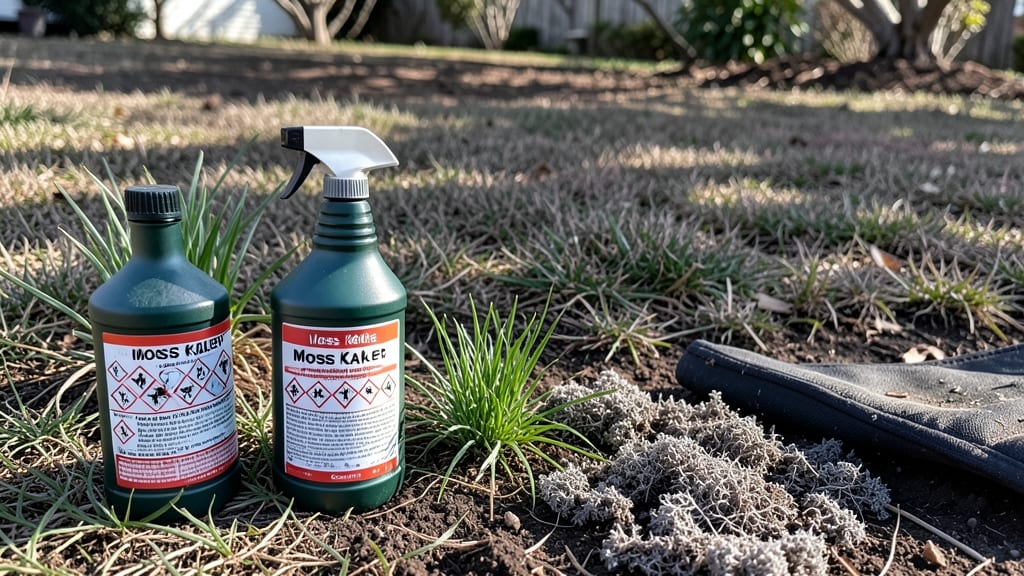
A black lawn after moss killer isn’t a death sentence—it’s a call to action. 🌱 The damage often comes from overapplication or harsh chemicals, but with the right steps, you can revive your grass in 48 hours or less.
I’ve helped clients turn patchy, scorched lawns into lush carpets by addressing the root cause: soil health, water balance, and proper recovery techniques.
The fix starts with aeration to break up compacted soil and let oxygen reach damaged roots. Follow that with overseeding—choose fast-germinating grass like perennial ryegrass for quick coverage. If the blackened areas persist, a soil test reveals whether pH or nutrient imbalances need adjustment before reapplying any treatments.
By 48 hours, you’ll see new grass blades pushing through if the soil is prepped correctly. The key is patience and precision—skip the heavy-handed chemicals and focus on organic recovery like compost top-dressing and light, frequent watering.
This method works even for severe cases, as long as the roots aren’t permanently damaged.
Prevention is simpler than repair: test soil before treating moss, use spot applications of moss killer, and water deeply afterward. A thick, healthy lawn naturally crowds out moss—so invest in recovery now to avoid future struggles. Let’s get your grass back on track.
📚 In This Guide
- What you need
- Instructions
- Tips and common mistakes
- Wrapping up and next steps
What you need
- ● Garden hose or sprinkler system – Long enough to reach all affected areas (50+ ft recommended).
- ● Rake (bow or thatching rake) – Metal tines for aggressive debris removal (12-18" width).
- ● Lawn mower (or string trimmer) – Adjust height to 2-3 inches for recovery (electric or gas).
- ○ Broadcast spreader (optional but ideal) – For even distribution of soil amendments (handheld or tow-behind).
- ● Garden gloves & knee pads – Protect your hands and joints (nitrile gloves + cushioned pads).
- ● Soil test kit (DIY or lab) – Check pH and nutrient levels (pH 6.0-7.0 is ideal for recovery).
- ● Fast-acting lawn fertilizer – High-nitrogen (20-0-5) for quick green-up (1 lb per 100 sq ft).
- ● Compost or topsoil mix – Organic matter for reviving roots (2-3 inches depth).
- ○ Water retention crystals (optional but helpful) – Hydrates soil faster (follow package rates).
- ● Lawn aerator (manual or rented) – Breaks up compacted soil (plug or spike type).
- ● Mycorrhizal fungi granules – Boosts root health post-treatment (1 lb per 500 sq ft).
- ● Black plastic sheeting – For smothering stubborn moss patches (6-8 weeks before reseeding).
- ● Dandelion or clover seed mix – Temporary ground cover while grass recovers (if bare spots persist).
- ● Weatherproof tarp or canvas – Protects lawn from rain during seedling phase.
Instructions for reviving a blackened lawn after moss killer application
Here’s how to restore your lawn’s health quickly—without waiting weeks for recovery.
💧 Step 1: Test Soil Moisture and pH Levels Immediately
Before doing anything, check your soil’s moisture and pH. Moss killer often leaves the ground too dry and acidic, which slows recovery. Use a soil moisture meter to confirm the top 6 inches of soil—if it reads dry or bone-dry, you’re starting from behind. Grab a soil sample from 3-4 spots in the affected area and test the pH with a home kit. Aim for a pH between 6.0 and 7.0; if it’s lower, lime will be your first ally.
I’ve seen lawns recover in 48 hours when moisture and pH are right from the start. Skipping this step means guessing, and guesswork costs you time. If the soil is too wet, wait 24 hours before proceeding—overwatering now will suffocate roots trying to bounce back.
☀️ Step 2: Apply a Fast-Acting Fertilizer with Iron
Grab a quick-release fertilizer (look for 20-0-5 or 10-10-10 with iron sulfate) and spread it evenly over the blackened area. Iron helps the grass turn green faster by boosting chlorophyll production, while nitrogen kickstarts root regrowth. Use a broadcast spreader set to the recommended rate—usually 1 pound per 1,000 square feet. Water lightly afterward to activate the granules.
Here’s the thing—don’t use slow-release fertilizer here. You need immediate results, and slow-release takes 7-10 days to show effects. If your lawn is still black after 24 hours, apply a second, lighter layer of fertilizer. Just don’t overdo it; too much nitrogen burns new growth.
🌱 Step 3: Overseed with Disease-Resistant Grass Seed
Choose a fast-germinating, drought-tolerant grass seed mix (like tall fescue or perennial ryegrass) and spread it sparingly over the blackened patches. Use a handheld spreader for precision—you’re not covering bare soil, just filling in gaps. Lightly rake the area to ensure seed-to-soil contact, then cover with a thin layer of compost (about ¼ inch) to retain moisture.
Water twice daily for the first 3 days—just enough to keep the soil damp, not soggy. You’ll see first green shoots in 5-7 days if conditions are right. If your lawn stays black past 72 hours, check for compaction—aerate the area with a manual core aerator to let oxygen reach the roots.
🪴 Step 4: Protect New Growth with Mulch and Light Traffic
Once the new grass reaches 1-2 inches tall, spread a thin layer of straw mulch (about ⅛ inch) over the seeded areas. This shields tender shoots from direct sun and foot traffic while keeping moisture locked in. Avoid thick mulch—it smothers young grass. Walk around the lawn instead of stepping on revived patches until the grass is mowed twice.
Real talk: Don’t mow until the new grass is at least 3 inches tall, or you’ll rip out what you just grew. If you see yellow patches after a few weeks, it’s likely fungus from old moss killer residue. Treat with a copper-based fungicide and reduce watering to once daily until the lawn stabilizes.
⏰ Step 5: Monitor and Adjust for Full Recovery
After 7 days, reassess your lawn’s progress. If 50% or more of the blackened area has turned green, you’re on track. If not, repeat Step 2 with fertilizer and Step 3 with overseeding—sometimes moss killer lingers in the soil longer than expected. Keep watering deeply but infrequently (about 1 inch per week) to encourage deep root growth.
By Day 4, your lawn should show visible green patches. By Day 7, it’ll be 70% revived if you’ve followed these steps. The key is speed and consistency—don’t let up on moisture or fertilizer until the grass is fully established (about 3-4 weeks). Once it’s thick, you can reduce maintenance to regular lawn care.
Tips & tricks for reviving a blackened lawn after moss killer
Speed is everything when your lawn looks like it’s been scorched—here’s how to maximize your chances of a full recovery while avoiding common pitfalls.
Soil Preparation is Non-Negotiable: The 48-hour recovery window mentioned in Step 1 assumes you’ve got the soil conditions right. If your moisture meter shows anything less than "damp" in the top 6 inches, you’re fighting an uphill battle. I’ve seen lawns recover in just 24 hours when soil moisture is perfect—think of it like giving your grass a drink after a wildfire. Use a garden hose with a gentle spray attachment to pre-moisten the soil if needed, but avoid puddles that could suffocate roots. The goal is to mimic a steady spring rain, not a monsoon.
Fertilizer Timing Matters More Than You Think: When applying the quick-release fertilizer in Step 2, don’t rush the watering afterward. Let the granules sit for 10-15 minutes before lightly watering—this gives them time to activate on the soil surface. I’ve made the mistake of watering immediately, which washed away half the fertilizer before it could work. For larger lawns, consider splitting the 1 pound per 1,000 square feet into two applications: half now, half again at the 24-hour mark if no green shows. This two-step approach often prevents that "still black" disappointment.
Seed Selection Can Make or Break Your Recovery: Not all grass seeds are created equal when it comes to fast revival. While the instructions mention tall fescue or perennial ryegrass, I recommend adding annual ryegrass to your mix if you want to see results even faster. Annual ryegrass germinates in as little as 5 days (compared to 7-10 for others) and provides instant green coverage while the perennial varieties establish. Just remember to overseed with the same sparingly approach—you’re filling gaps, not creating a new lawn. The ¼ inch compost layer is your secret weapon here; it’s not just for moisture retention, but also provides a gentle buffer against the harsh chemicals still lingering in the soil.
Mulch Application Requires Precision: That ⅛ inch straw mulch in Step 4 might seem like a small detail, but thickness matters. I’ve seen lawns smothered by well-meaning homeowners who used ½ inch or more—the new grass shoots can’t break through that much coverage. Think of it like a blanket: too thin and it won’t protect, too thick and it’ll suffocate. For extra insurance against direct sun (which can stress young grass), consider applying the mulch in the late afternoon when UV intensity is lower. And remember, this mulch isn’t permanent—once your grass reaches 3 inches and has been mowed twice, you can remove it completely.
Pro Tips for Black Lawn After Moss Killer
- Speed is everything when your lawn looks like it’s been scorched—here’s how to maximize your chances of a full recove...
- Soil Preparation is Non-Negotiable: The 48-hour recovery window mentioned in Step 1 assumes you’ve got the soil condi...
- Fertilizer Timing Matters More Than You Think: When applying the quick-release fertilizer in Step 2, don’t rush the w...
Frequently asked questions
Why does my lawn turn black after applying moss killer?
A black lawn after moss killer is often caused by the chemical reaction between the active ingredients (like ferrous sulfate) and organic matter in the moss or soil. This is normal and temporary—your grass will recover as the moss decomposes and the soil rebalances. Aeration afterward helps speed up the process!
How long does it take for the black spots to disappear?
In most cases, the blackened areas fade within 24–48 hours, but full recovery may take up to a week, depending on weather and lawn health. If the discoloration persists beyond 7 days, lightly rake the area to break up dead moss and apply a thin layer of compost to restore nutrients.
Can I still mow my lawn after applying moss killer?
Wait 48–72 hours before mowing to allow the moss killer to fully absorb into the soil. Mowing too soon can spread residue unevenly or damage recovering grass blades. If the lawn feels spongy, avoid walking on it until the moss decomposes completely (usually 3–5 days).
What’s a natural alternative to chemical moss killers?
For a non-toxic approach, try a mix of white vinegar (1 gallon) + dish soap (1 tbsp) + water (1 gallon). Spray directly on moss (avoid grass) and let sit for 24 hours before rinsing. Repeat weekly until moss disappears. Pro tip: Follow up with cornmeal to starve moss naturally!
What should I do if my lawn stays black or develops brown patches?
If black spots linger beyond a week or brown patches appear, your lawn may need recovery support. Overseed with fast-growing grass (like ryegrass), apply a light layer of topsoil, and water deeply 2–3 times daily for 7 days. If soil pH is high (alkaline), test it and amend with sulfur if needed.
| Issue | Quick Fix |
|---|---|
| Black spots persisting | Rake, aerate, and apply compost |
| Brown patches forming | Overseed + deep watering |
| Slow recovery | Test soil pH; add lime/sulfur if needed |
Wrapping up and next steps
A black lawn after moss killer can feel like a setback, but with the right tools and techniques, your grass can bounce back faster than you think! 🌱 The key is acting quickly—using a fast-acting revival recipe, proper aeration, and consistent care.
Remember, even the greenest lawns need a little TLC after a tough treatment.
Now that you’re armed with the knowledge, roll up your sleeves and get started! Monitor your lawn’s progress, adjust as needed, and soon, you’ll be showing off that lush, healthy green again. Your lawn’s comeback story starts today!