
Lawn
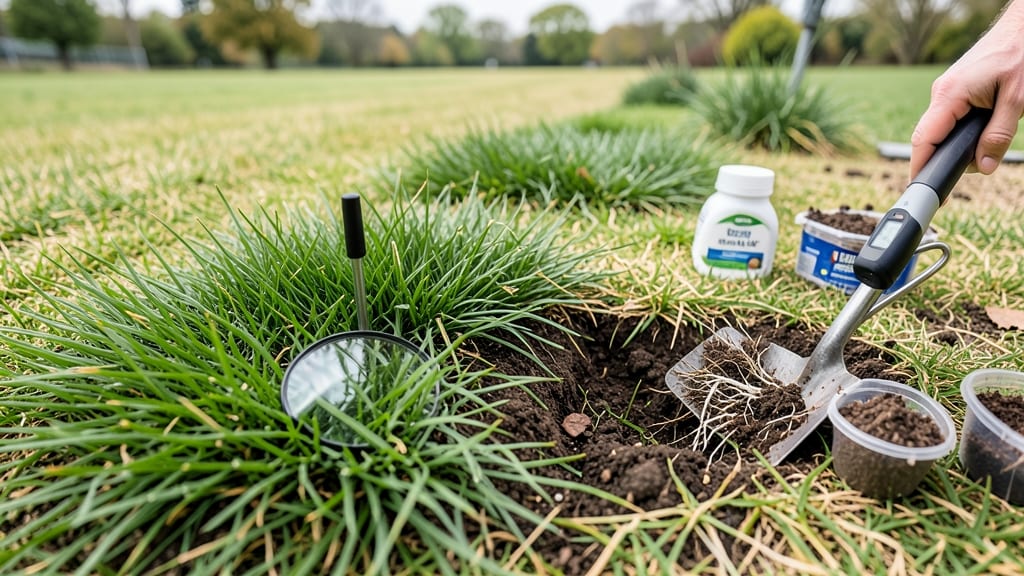
Why does my lawn have those dark green patches?—they’re not just an eyesore, they’re a sign your grass is crying for help. 🌱 Overwatering, fungal infections, or too much nitrogen can turn lush grass into a soggy, patchy mess, and I’ve seen it all. The good news? Most causes have simple fixes that restore your lawn to vibrant, even green in just a few weeks.
Think about your watering schedule first—dark patches often mean you’re drowning your grass. Then check for fungus (like dollar spot) or soil issues, as these can mimic overwatering symptoms. I’ve rescued lawns like this by adjusting irrigation, aerating compacted soil, and even spot-treating with fungicide when needed.
By the end, you’ll have a lawn that’s not just green but uniformly healthy, with no more mysterious patches ruining the view. The key is acting fast—before the problem spreads or worsens. Let’s get your grass back to its best.
Works for any grass type, from Kentucky bluegrass to fescue, and fits any yard size. Here’s how to diagnose and fix it step by step.
The Real Culprits Behind Dark Spots
Dark green patches on your lawn aren’t just an eyesore—they’re a sign your grass is sending distress signals. Understanding the root causes helps you fix the problem before it spreads. Here’s why those lush, mysterious spots might be appearing, broken down by science-backed explanations and actionable insights.
---
Dark green patches often mean your lawn is drowning in water, whether from overzealous watering or soil that can’t drain properly.
When grass roots sit in soggy conditions, they struggle to breathe, leading to: - Thatch buildup: A thick layer of organic debris traps moisture, suffocating roots. - Fungal growth: Excess water creates the perfect humid environment for diseases like dollar spot or brown patch, which can leave dark, velvety patches as they spread. - Root rot: Grass roots deprived of oxygen weaken, turning patches spongy and discolored.
How to check: Stick a screwdriver into the soil after watering. If it comes out damp within 1–2 inches, you’re overwatering. For drainage issues, dig a small hole—if water pools after 30 minutes, your soil is compacted or clay-heavy.
Fix it: - Adjust your watering schedule: Deep and infrequent (1–1.5 inches per week, including rain) encourages roots to grow deeper. - Aerate compacted soil in spring or fall to improve airflow and drainage. - Consider sand topdressing for heavy clay soils to break up compaction.
---
Too much of a good thing—like nitrogen, phosphorus, or synthetic fertilizers—can burn grass blades, leaving dark green (or even blackened) patches.
Here’s how it happens: - Salt buildup: Many fertilizers contain salts that draw moisture out of grass cells, causing osmotic stress. - Imbalanced nutrients: A spike in one nutrient (like nitrogen) without proper ratios can disrupt the grass’s natural growth cycle. - Slow-release overload: Granular fertilizers that release too quickly can scorch roots before they absorb nutrients.
Signs to watch for: Patches turn dark green then brown, with crispy edges. Soil near the patch may look white or crusty (a sign of salt buildup).
Fix it: - Flush the soil with water to dilute salts (1–2 inches of water over the affected area). - Test your soil (DIY kits or a local extension office) to adjust fertilizer ratios. - Switch to slow-release organic fertilizers (like compost or manure) for a gentler nutrient boost.
---
Dark green patches with a velvety or fuzzy texture? That’s often a fungal party crashing your lawn.
Common culprits include: - Dollar spot: Tiny straw-colored spots with dark green borders, caused by Sclerotinia homoeocarpa. - Brown patch: Circular dark green/yellow patches (common in warm-season grasses like Bermuda). - Rust or leaf spot: Dark orange or purple patches with green fringes, caused by Puccinia fungi.
Why it spreads: Fungi thrive in warm, humid conditions (70–90°F) and poor airflow (thick thatch or dense grass).
Fix it: - Improve airflow: Mow high (3–4 inches) and avoid heavy foot traffic on wet grass. - Apply fungicide: Use a copper-based or propiconazole treatment for severe cases (follow label rates). - Water in the morning to reduce evening moisture that fuels fungi.
---
A thatch layer over ½ inch thick blocks water, air, and nutrients from reaching roots, creating dark, suffocated patches. Thatch is made of: - Dead grass clippings - Crowns and stems - Root fragments
How it happens: Frequent light watering, over-fertilizing, or not dethatching every 1–2 years lets thatch pile up.
Fix it: - Dethatch in early fall with a vertical mower or rake (for small lawns). - Aerate to break up compacted thatch and improve root access. - Reduce clippings by mowing high and leaving grass clippings (they decompose into nitrogen).
--- Grass needs 4–6 hours of sunlight daily to photosynthesize properly. Dark green patches in shady spots mean: - Weakened chlorophyll: Less sunlight = grass struggles to produce energy, leading to thinner, darker blades. - Moss takeover: Shady, moist areas invite moss, which outcompetes grass for space.
Fix it: - Thin trees to allow more light (prune branches in late winter). - Choose shade-tolerant grasses like fine fescue or Kentucky bluegrass. - Overseed bare spots with shade-friendly grass seed in early fall.
How to Fix Dark Green Lawn Spots
Now that you’ve identified the cause of those unsightly dark green patches, it’s time to take action! Whether it’s overwatering, fungus, or nutrient overload, each issue has a targeted fix.
Below, we’ll break down step-by-step solutions for the most common culprits—plus prevention tips to keep your lawn lush and healthy long-term. Let’s get your grass back to its best!
---
Fix: If your lawn is suffering from excess moisture, the first step is to reduce watering immediately. Dark green patches from overwatering often improve within 3–7 days once drainage improves.
1. 🔥 Stop Watering Temporarily - Pause irrigation or sprinklers for 24–48 hours to let the soil dry out. - If the ground is soggy to the touch, wait until the top 1–2 inches feel dry before resuming.
2. 👨🍳 Improve Drainage - Aerate compacted soil with a core aerator (rent one if needed) to help water absorb better. - Add sand or compost to heavy clay soil to improve drainage—mix in ½ inch of compost and rake evenly. - Check for low spots where water pools; level them with topsoil or redirect downspouts.
3. ⏰ Adjust Your Watering Schedule - Water deeply but infrequently: Aim for 1–1.5 inches per week (including rain), split into 2–3 sessions. - Morning is best (before 10 AM) to reduce evaporation and fungal risks. - Test soil moisture with a screwdriver—if it goes in easily, you’re good!
💡 Prevention Tip: - Install a rain gauge or smart sprinkler timer to track water usage. - Consider soil moisture sensors for automated, data-driven watering.
---
Fix: Dark green patches from fungus (like dollar spot or brown patch) need fungicides + environmental adjustments to heal.
1. 🔪 Remove Severely Affected Grass - Cut out large, dead patches (at least 6 inches beyond the dark area) and dispose of them (don’t compost—fungus can spread). - For small spots, brush off excess thatch to improve airflow.
2. 🌡️ Adjust Lawn Care for Fungus Resistance - Mow high (3–4 inches) to shade the soil and reduce stress. - Aerate and overseed thin areas to crowd out fungus-loving conditions. - Avoid nighttime watering (fungus thrives in damp, cool evenings).
3. 🎯 Apply Fungicide (If Needed) - For stubborn patches, use a systemic fungicide (like propiconazole or myclobutanil) following label instructions. - Organic options: Mix 1 tbsp baking soda + 1 gallon water and spray lightly (repeat weekly for 2 weeks).
💡 Prevention Tip: - Test your soil (pH 6.0–7.0 is ideal for most grasses). - Improve airflow by spacing plants and avoiding thick thatch layers.
---
Fix: If too much fertilizer (especially nitrogen) caused dark, spongy patches, flush the soil and adjust feeding.
1. 🥗 Flush the Lawn - Water the area deeply for 15–20 minutes to leach out excess nutrients. - Repeat 2–3 times over a week to prevent burn.
2. 📊 Test and Correct Soil - Get a soil test kit (available at garden centers) to check nitrogen, phosphorus, and potassium (NPK) levels. - If nitrogen is high, switch to a low-nitrogen, slow-release fertilizer (like a 5-10-10 blend).
3. 🍎 Feed Smartly - Split applications: Use half the recommended dose every 6–8 weeks instead of one heavy dose. - Avoid fall nitrogen (it promotes late growth, inviting fungus).
💡 Prevention Tip: - Follow the "less is more" rule—over-fertilizing is a common mistake! - Use organic matter (compost or worm castings) for slow, steady nutrient release.
--- No matter the cause, these quick fixes help any struggling lawn bounce back: - 🌿 Overseed bare spots with disease-resistant grass seed (like tall fescue or Kentucky bluegrass). - 🔄 Rake lightly to improve air circulation in thick patches. - 🚫 Avoid foot traffic on wet or recovering areas for 2–3 weeks.
--- Final Thought: Dark green patches don’t have to be permanent! With the right diagnosis + action, your lawn can recover in weeks—and stay healthy for seasons to come. Start with one fix, monitor progress, and adjust as needed.
Soon, you’ll have a uniform, vibrant lawn that’s the envy of the neighborhood! 🌿💚
Frequently asked questions
Why do dark green patches feel spongy when I walk on them?
Spongy dark patches usually mean root rot or thatch buildup from overwatering. When grass roots can't breathe, they weaken and turn mushy. Press your finger into the patch—if it leaves a deep imprint, your soil is waterlogged. This often happens in clay-heavy soils or after heavy rain. The fix? Stop watering temporarily and aerate to improve drainage.
Can dark green patches turn brown if I stop watering?
Yes! If overwatering caused the patches, they may temporarily turn brown as the grass recovers. This is normal—it means roots are getting oxygen again. Brown edges often appear first, then fade to healthy green in 1–2 weeks if you adjust watering. Just avoid watering until the top 1–2 inches of soil feel dry.
How do I tell if dark green patches are fungus vs. overwatering?
Fungal patches often have a velvety texture or dark green borders with straw-colored centers (like dollar spot). Overwatered patches feel soggy and may have no distinct edges. Check for tiny black dots (fungal spores) or a musty smell—if present, it's likely fungus. Overwatered areas also stay damp for days after rain.
Will lawn fungicide harm pets or kids if applied?
Most pet-safe fungicides exist, but always check labels for warnings. Avoid synthetic fungicides like propiconazole near pets/kids for 24–48 hours after application. Organic options (like neem oil or baking soda sprays) are safer but may require 2–3 applications. Keep kids/pets off treated areas until dry, and water lightly afterward to dilute residue.
Can I fix dark green patches in winter?
Winter is the best time to address soil issues (like compaction or thatch) since grass isn't growing. Focus on aerating, overseeding, or adjusting irrigation systems. Avoid fungicides or fertilizers—grass is dormant. Spring is better for active fixes like spot-treating fungus or flushing excess salts. Use winter to prep the soil for recovery.