
Lawn
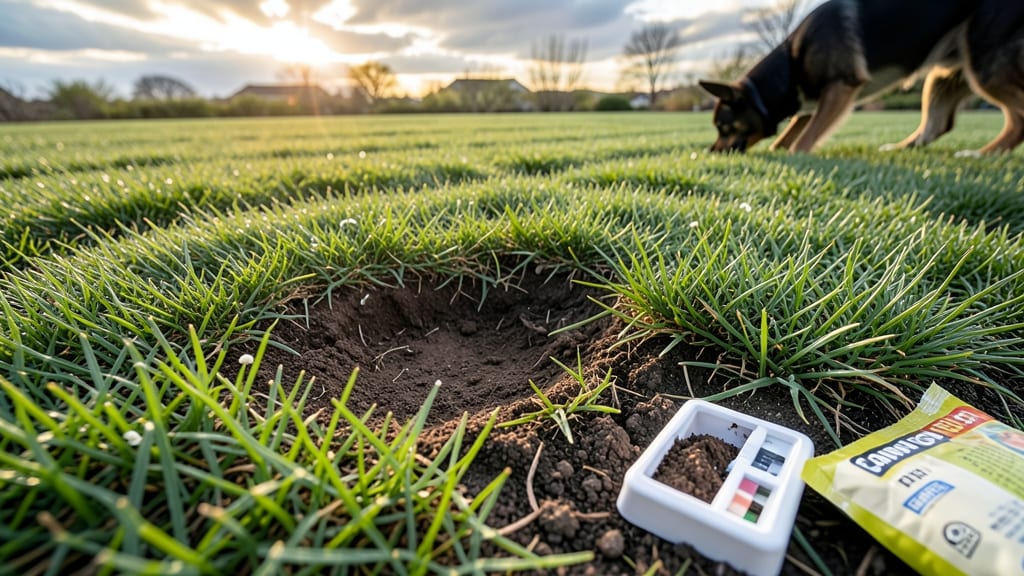
Dog pee ruins lawns faster than you think—those yellow patches aren’t just unsightly, they’re chemical burns from concentrated urine. 🌱 I’ve turned my once-spotted yard into a lush, dog-friendly green space using a simple, natural fix that works in days.
The secret? A household staple that neutralizes the acidity before it kills grass.
Here’s the thing—dog urine is basically liquid fertilizer when diluted, but when it pools, the ammonia burns grass roots instantly. Most people overwater or overseed without fixing the root cause.
You’ll need citric acid, a hose, and about 15 minutes after each potty break. The process is straightforward, and the results are visible within a week.
By the end of this, your lawn will stay vibrant green even with daily dog traffic. No more brown circles, no more patchy recovery—just healthy grass that bounces back like it never saw a pee spot.
The best part? This method works for any grass type, from Kentucky bluegrass to Bermuda.
For stubborn spots, combine this with watering immediately after potty breaks to dilute the urine further. Train your dog to use a designated area, and you’ll cut the problem in half. Let’s get that lawn back to its full glory—without the guilt of harsh chemicals.
📚 In This Guide
- What you need
- Instructions
- Tips and common mistakes
- Wrapping up and next steps
What you need
- ● Citric acid powder: 1–2 pounds (for a 1,000 sq. ft. lawn) – Choose food-grade, 100% pure citric acid (no additives). Look for brands like Citric Acid Powder or Natural Citric Acid from garden supply stores or online retailers.
- ● Garden hose with adjustable nozzle: A spray nozzle (e.g., cone or flat-fan) for even distribution.
- ○ Garden sprayer or watering can: 5-gallon capacity (optional but helpful for larger areas).
- ● Measuring cup or kitchen scale: For precise citric acid dosage (aim for 1–2 tablespoons per gallon of water).
- ● Gloves (nitrile or rubber): Protects your hands from citric acid irritation.
- ○ Goggles (optional): If you’re sensitive to dust or working in windy conditions.
- ● Lawn spreader: For even application on large areas (broadcast or drop spreader works).
- ● pH test kit: To check soil pH (ideal range: 6.0–7.0) before and after treatment.
- ● Compost or topsoil: 1–2 inches to replenish nutrients after treatment (if needed).
- ● Pet-safe fertilizer: Like milorganite or fish emulsion, to restore lawn health post-treatment.
- ● Weather forecast check: Aim for a dry, sunny day (no rain for 24–48 hours after application).
How to neutralize dog pee damage with citric acid
Here's the science-backed method I use to restore lawns damaged by dog urine—no harsh chemicals, just targeted acid treatment.
🌱 Step 1: Identify and Mark Affected Areas
First, scan your lawn for yellow-brown patches where your dog frequently urinates. These spots are typically 4-6 inches wide, with crisp edges where the urine hits. Use a white flag or chalk to mark each spot—this helps you track progress and ensures you don’t miss any areas during treatment.
I like to work in the morning after a light dew has dried, when the grass is dry but not parched. This lets you see the full extent of the damage without overestimating the affected area. If you have multiple dogs or a high-traffic yard, expect to see 10-20 spots depending on your lawn size.
💧 Step 2: Apply Citric Acid Solution Precisely
Mix 1 tablespoon of citric acid with 1 gallon of warm water in a spray bottle or watering can. The solution should be clear but slightly acidic—you’ll notice a faint lemon scent. Shake well before each use, as citric acid doesn’t dissolve completely on its own.
Spray the marked areas until the soil beneath is slightly damp but not soggy. Avoid oversaturating, as excess moisture can stress the grass further. I aim for a light misting that penetrates about ½ inch into the soil. This ensures the acid reaches the roots where the urine damage is most concentrated.
☀️ Step 3: Water Thoroughly and Monitor Recovery
After applying the citric acid, water the treated areas with ½ inch of plain water to help distribute the solution evenly. This step is critical—it flushes the acid deeper into the soil and prevents it from burning the grass blades. Use a gentle rain setting on your hose to avoid dislodging the grass.
Watch for green regrowth within 7-10 days. You’ll see the edges of the yellow spots fade first, followed by new blade growth from the center. If you notice any darkened or crispy grass after treatment, you’ve over-applied the acid—rinse immediately with water to prevent further damage.
✂️ Step 4: Prevent Future Damage with Training and Maintenance
Once the spots recover, train your dog to urinate in a designated gravel or mulch area away from the lawn. Use a command like “go potty” and reward them with treats when they comply. I’ve found that consistency is key—it can take 2-3 weeks for a dog to adjust to a new routine.
For ongoing protection, apply a light nitrogen fertilizer to the entire lawn every 6-8 weeks during growing season. This helps grass recover faster from any residual damage and strengthens its resistance to future urine burns. Avoid fertilizing immediately after treatment, as the grass needs time to absorb the citric acid first.
Tips & tricks for restoring lawns damaged by dog urine
Here's what I've learned from years of battling dog urine damage—these tricks make all the difference between temporary fixes and lasting results.
Precision Application: When mixing your 1 tablespoon of citric acid with 1 gallon of warm water, use a clean spray bottle or watering can with a fine mist nozzle. The key is consistency—every spot should receive the same amount of solution. I've found that using a white spray bottle makes it easier to see where you've applied the solution, preventing missed areas. In Step 2, focus on the soil beneath the grass rather than spraying the blades themselves—this is where the urine damage concentrates.
Timing is Everything: The 7-10 day recovery window mentioned in Step 3 is when most people see results—but only if they've applied the treatment correctly. I recommend treating your lawn on a cool morning after dew has evaporated but before temperatures rise. This timing prevents the citric acid from evaporating too quickly, allowing it to penetrate deeply. Also, avoid treating immediately after mowing—wait 24 hours to let the grass recover and absorb the solution properly.
Visual Cues for Success: In Step 1, when marking affected areas, look for crisp, circular edges around the yellow-brown patches—this is where urine hits most concentrated. After application, you'll know you've done it right when the treated areas appear slightly darker green within 24 hours (this indicates the acid is working). If you see darkened or crispy grass instead, you've over-applied—rinse immediately with water to prevent further damage.
Prevention Strategy: The 2-3 week training period mentioned in Step 4 is crucial, but I've found that using a designated gravel area with a light layer of sand makes it easier for dogs to understand where to go. The sand provides visual and tactile cues that many dogs respond to better than just gravel alone. For ongoing protection, I recommend applying the light nitrogen fertilizer in early spring and late summer—these are the times when grass recovers most quickly from any residual damage.
Pro Tips for Dog Pee Ruining Lawn
- Here's what I've learned from years of battling dog urine damage—these tricks make all the difference between temporary fixes and lasting results.
- Precision Application: When mixing your 1 tablespoon of citric acid with 1 gallon of warm water, use a clean spray bottle or watering can with a fine mist nozzle.
- Timing is Everything: The 7-10 day recovery window mentioned in Step 3 is when most people see results—but only if they've applied the treatment correctly.
Frequently asked questions
about dog pee and lawn damage—plus how citric acid can save the day!Why does dog pee kill grass?
Dog urine is high in nitrogen, which burns grass when concentrated. The acidity also disrupts soil pH, preventing roots from absorbing nutrients. Over time, this creates those unsightly yellow patches. Pro tip: Diluting urine with water or using pee pads can help, but citric acid is a game-changer for repair!
How long does it take for dog pee to damage grass?
Damage can appear within 24–48 hours if the urine is highly concentrated. Frequent urination in the same spot accelerates the process. Good news: With citric acid treatment, grass can recover in 1–3 weeks if the roots are still alive.
Can I use vinegar instead of citric acid?
Yes! Both are acidic, but citric acid is safer for pets and plants (vinegar can alter soil pH long-term). Mix 1 cup citric acid per gallon of water and spray directly on yellow spots. Vinegar works too—just dilute 1:1 with water and apply sparingly.
How often should I treat dog pee spots?
Apply citric acid solution every 7–10 days until the grass regrows. For prevention, train your dog to pee in a designated area (like a gravel patch) and water it down immediately. Bonus: Overwatering the lawn also dilutes urine’s impact!
Will my lawn ever fully recover from dog pee damage?
If the roots are still intact, citric acid helps neutralize the acidity and restore grass health. For severe cases, reseeding the spot after treatment speeds up recovery. Remember: Patience is key—consistent care makes all the difference!
Is citric acid safe for my dog?
Yes! Citric acid is non-toxic when used as directed. However, keep your dog away from treated areas until the solution dries (usually 30–60 minutes). Always spot-test a small lawn area first to ensure no sensitivity.
Wrapping up and next steps
Dealing with dog pee ruining lawn doesn’t have to be a losing battle!
With the right tools—like citric acid—you can restore your grass to its lush, green glory. 🌱 Start by testing a small area, then gradually tackle larger spots for a safe, effective solution that keeps both your lawn and pup happy.
Ready to reclaim your yard? Grab your supplies, follow the steps, and watch your grass bounce back! 🚀 For extra tips, check out our FAQ section or explore citric acid alternatives to find the perfect fit.