
Lawn
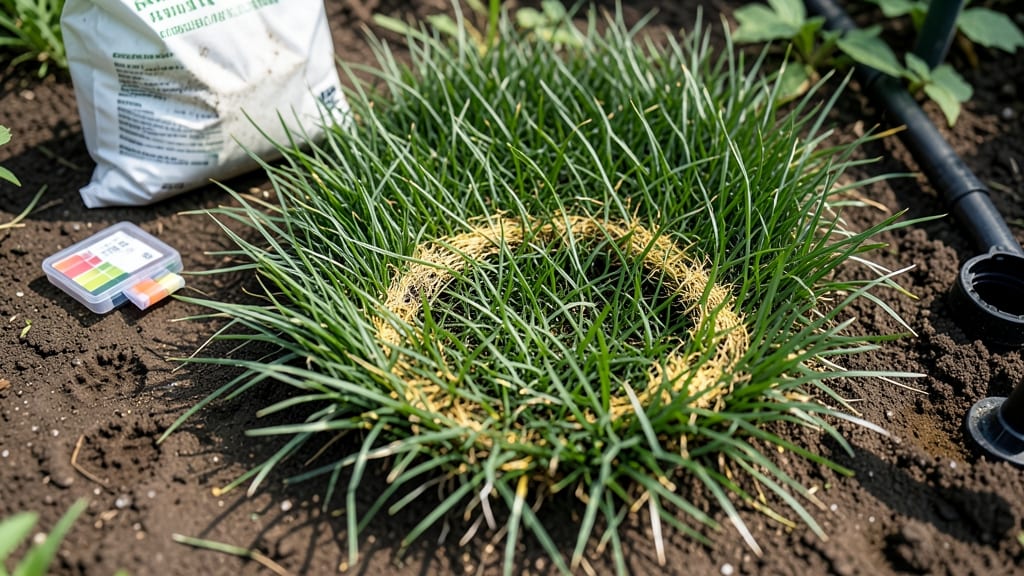
Dog urine ruining your lawn isn’t just unsightly—it’s a common problem that kills grass roots in minutes, leaving brown patches that take weeks to recover. 🌱 I’ve seen firsthand how a few pees a day can turn a lush green yard into a patchwork of dead spots, but the good news? A simple 48-hour fix can bring it back to life.
The damage happens fast because dog urine is packed with nitrogen, which burns grass when concentrated. You’ll spot it as yellowed or crispy patches that feel dry to the touch.
The key is acting immediately—diluting the urine, rinsing the area, and giving your grass a chance to recover before the roots rot completely.
Within two days, you can revive those spots with the right care: water deeply, apply a natural fertilizer, and consider overseeding bare patches. The results? Grass that bounces back faster than you’d expect—no more guessing whether those brown circles will ever green up again.
For long-term success, train your pup to potty in one spot, use mulch or pea gravel to dilute urine, or even explore synthetic turf if your yard just can’t handle the strain. The fix is simple, but the payoff—a lawn that stays vibrant—is worth it.
The Science Behind Dog Urine Damage
Dog urine may seem harmless, but it’s actually a potent mix of chemicals that can wreak havoc on your lawn. Understanding the why behind the damage is the first step to protecting your grass.
Here’s a breakdown of the key culprits and how they turn your green space into a patchy wasteland.
Dog urine is extremely high in nitrogen—often 10 to 20 times more concentrated than synthetic fertilizers. When urine hits the grass, the nitrogen rapidly breaks down into ammonium, which lowers the soil’s pH temporarily. This creates a chemical burn that kills grass blades on contact.
- How it works: The sudden nitrogen spike overwhelms the grass’s ability to absorb nutrients, causing cell death in the blades.
- Visible signs: Yellow or brown patches that appear within hours, especially in dry or thin grass.
- Worst offenders: Small, frequent urinations (like those from puppies or small dogs) deliver the most concentrated doses.
Pro tip: 💡 Diluting urine with water (even rain) can reduce damage—this is why frequent potty breaks on the same spot create "hot spots."
Beyond chemical burns, dog urine contributes to soil compaction and root stress. Here’s how:
- Foot traffic + urine: Dogs often circle or dig before urinating, compacting the soil and reducing oxygen flow to roots.
- Salt buildup: Urine contains urea, which converts to ammonia and then nitrates—but the process leaves behind salt residues that disrupt soil microbes and root growth.
- Long-term effects: Compacted, salty soil struggles to retain moisture, leading to dormant or dead grass even if the surface looks green.
Key insight: 🌡️ Areas with heavy dog traffic often show superficial green grass but shallow roots, making them vulnerable to drought or disease.
Healthy lawns rely on a delicate balance of beneficial soil microbes (like nitrogen-fixing bacteria and mycorrhizal fungi). Dog urine disrupts this ecosystem in two ways:
- Ammonia shock: The high pH from ammonia can kill off helpful microbes, reducing the soil’s ability to break down organic matter.
- Antibacterial compounds: Urine contains uric acid and other metabolites that act as natural disinfectants—great for hygiene, terrible for soil health.
Result: The soil becomes less fertile over time, even if you fertilize. The grass may recover temporarily but stays weak and prone to pests.
Fix it: ✨ Adding compost or mycorrhizal fungi can help restore microbial balance after urine damage.
If your dog urinates on grass that’s already stressed by heat or drought, the damage is exponential. Here’s why:
- Dehydrated grass: Dry blades have less water to dilute the nitrogen, making burns worse.
- UV exposure: Sunlight accelerates the oxidation of urine compounds, creating more aggressive chemical reactions in the soil.
- Heat stress: Hot soil amplifies the ammonia volatility, increasing the risk of leaf scorch.
Solution: 🌿 Water the area immediately after your dog urinates to dilute the nitrogen and cool the soil.
Now that you know the science behind the damage, the next step is how to reverse it—without toxic chemicals. Stay tuned!
Quick Fixes for Dog Urine Damage
If your lawn is suffering from dog urine damage, don’t panic—there are fast, natural ways to revive your grass while keeping your pup happy. The key is acting quickly and addressing the root cause (literally!).
Below are targeted solutions based on the most common issues, from immediate patches to long-term prevention.
When dog urine burns grass, it leaves behind unsightly brown or yellow spots. Here’s how to restore those areas:
💦 Dilute the Urine First
- How: If you catch your dog mid-pee, gently dilute the urine with water (about 1:1 ratio) using a hose or watering can.
This reduces the concentration of ammonia and nitrogen, which are the real culprits behind the damage. - When: Do this within 30 minutes of your dog going—timing is everything! - Pro Tip: 💡 Train your dog to pee in a specific area (like a gravel patch or mulch bed) to minimize lawn exposure.
🌿 Overseed the Damaged Area
- How: Once the urine has been diluted, rake the dead grass gently to loosen the soil. Sprinkle fresh grass seed over the spot and lightly cover it with a thin layer of compost or topsoil.
Water gently but consistently for 7–10 days. - Best Grass Types: Choose fast-growing, dog-friendly grasses like Kentucky Bluegrass or Fescue, which recover well from stress. - Pro Tip: ✨ Use a lawn repair kit with seed and fertilizer for faster results.
🍄 Apply a Natural Fertilizer
- How: After reseeding, feed the area with a low-nitrogen, organic fertilizer (like compost tea or fish emulsion). Avoid synthetic fertilizers—they can worsen the burn.
- When: Wait until new grass sprouts (about 2–3 weeks) before fertilizing.
Stopping the damage before it starts is the best defense. Here’s how to protect your lawn long-term:
💧 Water the Lawn Regularly
- How: Keep your grass hydrated by watering deeply 2–3 times per week (early morning is best).
Well-watered grass can better absorb and dilute urine before it causes damage. - Pro Tip: 🌡️ Aim for 1–1.5 inches of water per week—this keeps roots strong and resilient.
🐕 Train Your Dog to Pee in Safe Zones
- How: Redirect your dog to pee on gravel, mulch, or a designated "potty patch" away from the lawn.
Use positive reinforcement (treats and praise) to encourage good habits. - Bonus: 🎯 If your dog has a favorite spot, place a pee pad or artificial turf there to train them away from grass.
🌿 Use a Natural Urine Neutralizer
- How: Sprinkle a vinegar or baking soda solution (1:1 ratio) over urine spots after your dog goes.
This balances the pH and reduces ammonia buildup. - DIY Recipe:
Ingredient
Amount
White vinegar
1 cup
Water
1 gallon
Baking soda
½ cup (optional)
- Pro Tip: 🔥 Store the mix in a spray bottle for easy application.
Even with the best intentions, some fixes can backfire. Steer clear of these:
- ❌ Overwatering immediately after urine exposure—this can wash away nutrients but won’t neutralize the burn.
- ❌ Using high-nitrogen fertilizers on damaged grass—it can worsen the problem by feeding weeds instead of recovery.
- ❌ Ignoring the problem—yellow patches will spread if left untreated.
With these steps, your lawn can bounce back in 48 hours to a week, depending on the damage. Consistency is key—combine quick fixes with prevention to keep your grass lush and your pup’s potty habits in check! 🐾
Frequently asked questions
Why does dog urine turn grass yellow so quickly?
The high nitrogen concentration in dog urine (10-20x stronger than fertilizer) creates a chemical burn that kills grass cells in minutes. The ammonia lowers soil pH, causing immediate yellowing or browning. Small dogs and puppies do the most damage because their urine is most concentrated.
Can I just water the spot after my dog pees?
Watering helps, but timing matters! Dilute the urine immediately (within 30 minutes) with a 1:1 water mix to reduce damage. Waiting too long lets the ammonia burn the grass before it can be neutralized. For best results, water the area again 24 hours later to flush out remaining salts.
How long until grass recovers from urine damage?
With proper care, grass can recover in 48 hours to 2 weeks. Superficial burns (just the blades) may regrow in days, while deeper damage (root stress) takes longer. Overseeding damaged spots with fast-growing grass like Kentucky Bluegrass speeds up recovery. Avoid fertilizing until new growth appears.
What's the best spot for my dog to pee instead of the lawn?
Create a designated area with gravel, mulch, or artificial turf—these materials dilute urine naturally. For puppies, use pee pads or train them to a specific corner. Avoid concrete (it can stain) and place the area where your dog naturally circles before urinating. Positive reinforcement works best!
Will vinegar really help neutralize dog urine?
Yes! A 1:1 vinegar-water solution (with optional baking soda) balances soil pH and reduces ammonia buildup. Spray it on urine spots after your dog goes. The acidity helps break down urea, preventing long-term soil damage. Just avoid overusing it—once a week is plenty for most lawns.