
Lawn
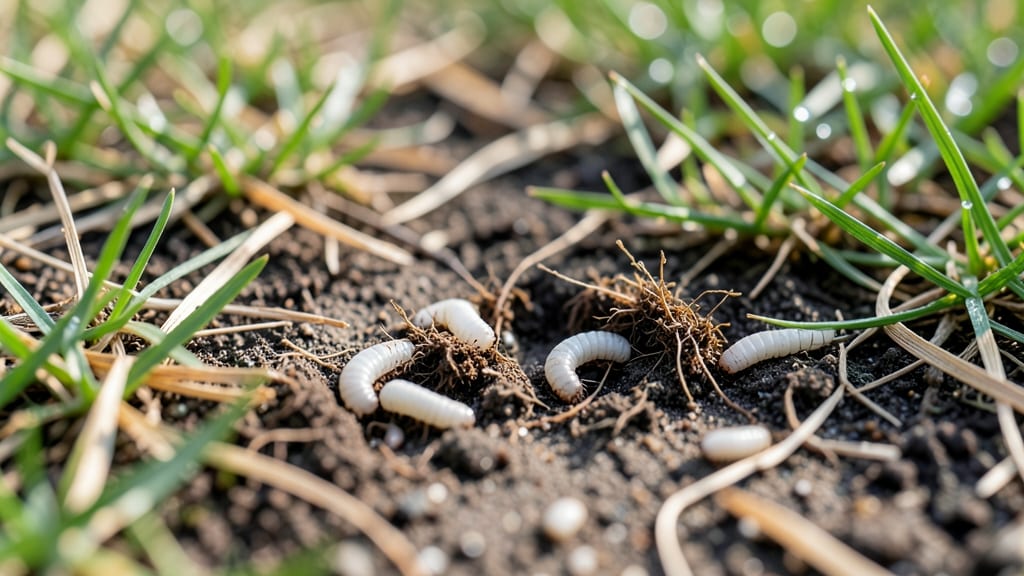
Your lawn’s looking like a golf course after a sandstorm—those grub worm lawn damage patches won’t heal without intervention. 🌱 I’ve seen firsthand how these sneaky beetle larvae turn lush grass into a chewed-up mess overnight, and the fix starts with knowing exactly what you’re dealing with.
The damage isn’t random: grubs feast on roots, creating irregular brown patches that roll up like carpet when you walk on them. Add skunks or moles digging up the soil, and you’ve got a full-blown lawn crisis. The good news?
This problem has solutions—organic, chemical, and preventive—that actually work if you act at the right time. By the end of this guide, you’ll know how to identify the damage, target the grubs with the right treatment, and prevent next year’s infestation before it starts.
No more guessing—just a lawn that stays green and strong. We’ll cover everything from nematode applications to milky spore for long-term control, plus the best times to treat for maximum impact. Let’s get your grass back to its best.
Why it happens
Grub worms—those sneaky, soil-dwelling larvae of beetles—are the uninvited guests wreaking havoc on your lawn. But why do they suddenly turn your lush green carpet into a patchwork of brown, spongy mess?
The answer lies in their biology, your lawn’s health, and even the weather. Let’s break down the key triggers that turn your yard into a grub buffet.
🌱 Overwatered or Over-Fertilized Grass
Grub worms thrive in lawns that are too moist and nutrient-rich. When you overwater or over-apply nitrogen-based fertilizers, you’re essentially sending out a neon sign: "Free food here!"
- Why it happens: Grubs prefer soft, moist soil where they can burrow easily. Excess water loosens the soil, making it ideal for egg-laying and feeding. Fertilizers (especially those high in nitrogen) stimulate grass growth, which attracts adult beetles to lay eggs.
- Actionable insight: Test your soil’s moisture levels—stick your finger 2-3 inches deep. If it’s damp, hold off on watering. For fertilizers, follow the 3-1-2 rule: 3 times a year, 1 pound of nitrogen per 1,000 sq. ft., in small doses.
🐞 Adult Beetles Invade During Warm Months
Grub worms start as eggs laid by adult beetles like Japanese beetles, June bugs, or European chafer beetles. Timing is everything—and these pests are master opportunists.
- Why it happens: Adult beetles emerge in late spring to early summer (peak: June-July) when temperatures hit 75–85°F. They feast on leaves and flowers before laying eggs in the top 2 inches of soil. Eggs hatch in 10–14 days, releasing hungry grubs that devour grass roots.
- Actionable insight: Monitor beetle activity in nearby trees/shrubs. If you spot swarms, treat with neem oil or pyrethrin-based sprays to reduce egg-laying. Mow high (3–4 inches) to disrupt egg-laying sites.
🌡️ Perfect Weather Conditions
Grub worms are weather-dependent. Too hot? Too cold? Just right? They’re picky—and your lawn pays the price.
| Factor | Grub Activity | Risk Level |
|---|---|---|
| Warm soil (60–85°F) | Eggs hatch, grubs feed aggressively | ⚠️ High |
| Drought stress | Grass weakens; grubs eat roots faster | ⚠️ High |
| Cool/wet fall | Grubs mature, prepare for winter | ⚠️ Moderate |
| Frost or freeze | Grubs go dormant; damage slows | ❄️ Low |
Pro tip: 🌡️ Use a soil thermometer to track temperatures. If it’s consistently warm and moist, grubs are likely feasting. Adjust watering to deep but infrequent sessions (1 inch per week) to dry out the topsoil slightly.
🌿 Thatch and Compaction Issues
A thick layer of thatch (dead grass buildup) or compacted soil creates the perfect hiding spot for grubs—and a smorgasbord of roots.
- Why it happens: Thatch (>0.5 inches thick) traps moisture and organic matter, creating a grub-friendly microclimate. Compacted soil restricts root growth, making grass vulnerable to grub attacks.
- Actionable insight:
- 🔥 Dethatch in early spring with a rake or vertical mower (if layer >0.5 inches).
- ✨ Aerate compacted soil in fall to improve drainage and root access to nutrients.
🍽️ Weak or Stressed Grass
Healthy grass is grub-resistant. But when your lawn is struggling, grubs see it as an all-you-can-eat buffet.
- Why it happens: Grubs target lawns with:
- Poor drainage (waterlogged or soggy patches)
- Low nutrient levels (yellowing or sparse growth)
- Disease or pest damage (e.g., fungal infections, chinch bugs)
- Actionable insight: Boost lawn resilience with:
- 💪 Core aeration + compost top-dressing to improve soil health.
- 🌱 Seed bare spots with grub-resistant grasses like tall fescue or Kentucky bluegrass.
- 🚫 Avoid broadleaf herbicides (like 2,4-D) in early summer—they stress grass, making it grubs’ next meal.
How to Fix Your Lawn After Grub Worms
Grub worms may be tiny, but their damage can feel like a full-blown lawn disaster. The good news? With the right approach, you can revive your grass and prevent future invasions.
Below, we break down targeted solutions based on the root cause of your grub worm problem—whether it’s active damage, brown patches, or long-term recovery. Plus, we’ll share prevention tips to keep your lawn lush and grub-free for good.
If your lawn is already under siege, time is of the essence. Grub worms thrive in moist soil, so act quickly to starve them out and break their life cycle.
🍳 Step 1: Confirm the Problem
Before treating, verify it’s grub worms (not chinch bugs, drought, or disease). Dig up a small patch of sod—if you find white, C-shaped larvae (1–1.5 inches long), you’ve got grubs. 🪲
👨🍳 Step 2: Choose Your Treatment
| Method | How It Works | Best For | When to Apply |
|---|---|---|---|
| Nematodes (Beneficial) | Microscopic worms that paralyze and kill grubs naturally. | Organic, long-term control. | Spring or early fall (when grubs are young). |
| Grub-Select Insecticide | Fast-acting chemical (imidacloprid) absorbed by grass roots. | Severe infestations (follow label!). | Late summer/early fall. |
| Milky Spore (Bacillus popilliae) | Biological control—spores infect and kill Japanese beetle grubs over time. | Long-term prevention (takes 2–3 years). | Spring or fall, mixed into soil. |
| Neem Oil (Early Stages) | Disrupts feeding but won’t kill established grubs. | Mild infestations or prevention. | Spring (before eggs hatch). |
Pro Tip: 💡 Water deeply after applying nematodes or milky spore to help them penetrate the soil.
⏰ Step 3: Reapply if Needed
Grub worms have one-year life cycles, so re-treat in 30–60 days if you see new damage. For chemical treatments, follow label instructions—overuse can harm beneficial insects.
Even after killing grubs, your lawn may look patchy or weak. Here’s how to restore it without breaking the bank.
🔪 Step 1: Aerate & Overseed
Grub worms leave bare spots—give your grass a fighting chance by:
- Aerating (rent a core aerator or hire a pro) to loosen compacted soil and help roots grow.
- Overseeding with tall fescue, Kentucky bluegrass, or ryegrass (choose a mix for your climate).
- Top-dress with compost or a thin layer of sand to improve soil texture.
Pro Tip: 🌡️ Seed in early fall—cooler temps = higher germination rates!
🌱 Step 2: Fertilize Smartly
Grubs deplete soil nutrients—give your lawn a boost with:
- High-nitrogen fertilizer (like 24-0-4) to green up thin areas.
- Slow-release organic options (like fish emulsion) for long-term health.
- Avoid over-fertilizing—this can attract more grubs (they love rich soil!).
Pro Tip: ✨ Test your soil first—a simple kit (or lab test) tells you if you need phosphorus, potassium, or lime too.
💪 Step 3: Strengthen Grass Resilience Healthy grass resists grubs better.
To future-proof your lawn: - Mow high (3–4 inches) to shade out weeds and encourage deep roots. - Water deeply but infrequently (1–1.5 inches per week) to deter grubs (they love soggy soil). - Dethatch if your lawn has a thick layer of debris—grubs hide there!
The best cure? A grub-free lawn. Here’s how to break their life cycle for good.
🎯 Long-Term Grub Control Strategies
| Prevention Method | How It Works | Best Time to Act |
|---|---|---|
| Milky Spore Application | Natural bacteria that spreads in soil, killing grubs for years. | Early fall (best) or spring. |
| Beneficial Nematodes | Reapply annually in spring/fall to keep grub populations low. | Before eggs hatch (check local beetle activity). |
| Grub-Resistant Grass Seed | Tall fescue & perennial ryegrass tolerate grubs better than St. Augustine. | When overseeding or re-sodding. |
| Reduce Irrigation | Grubs hate dry soil—water deeply 2–3x/week instead of daily. | Year-round, but critical in summer. |
| Encourage Predators | Birds, toads, and ground beetles eat grubs—leave some "wild" areas in your yard. | Always! (Skip pesticides that harm them.) |
Pro Tip: 🔥 Japanese beetles lay eggs in late summer—treat in August/September to catch grubs before they hatch!
Final Reminder: Patience is key! Recovery takes 3–6 months, but with the right steps, your lawn can bounce back stronger than ever. 🌿💚
Frequently asked questions about grub worm lawn damage
How do I know if my lawn damage is from grubs and not drought or disease?
Look for these telltale signs: sponge-like patches that roll up easily when you walk on them, and skunks or moles digging up your yard. To confirm, dig up a small section of sod—if you find white, C-shaped larvae (1–1.5 inches long), those are grubs. Drought damage usually starts at the edges, while fungal diseases often have a powdery coating.
What’s the best time of year to treat for grubs?
The optimal window is late summer (August-September) when Japanese beetles lay eggs, or early fall when grubs are young and vulnerable. For organic options like nematodes, apply in spring or early fall when soil temps are between 55–85°F. Chemical treatments work best when grubs are actively feeding but before they mature.
Will milky spore really work for long-term grub control?
Yes! Milky spore (Bacillus popilliae) is a biological weapon against grubs—it spreads naturally in your soil and can provide 5–10 years of protection once established. It works best against Japanese beetle grubs, but requires 2–3 years to fully colonize. Apply it in early fall mixed with compost or topsoil for best results.
Can I use neem oil to kill established grubs in my lawn?
Neem oil is not effective against mature grubs—it only works on newly hatched larvae or eggs. For existing infestations, use beneficial nematodes or grub-specific insecticides like imidacloprid. If you want to prevent future grubs, apply neem oil in late spring when adult beetles are active and laying eggs.
How long does it take to see results after treating for grubs?
With chemical treatments, you may see immediate feeding stoppage in 24–48 hours, but full recovery takes 3–6 months as grass regrows. Organic options like nematodes work slower—expect 2–4 weeks for visible improvement. For severe damage, combine treatment with aeration and overseeding to speed up lawn recovery.