
Lawn
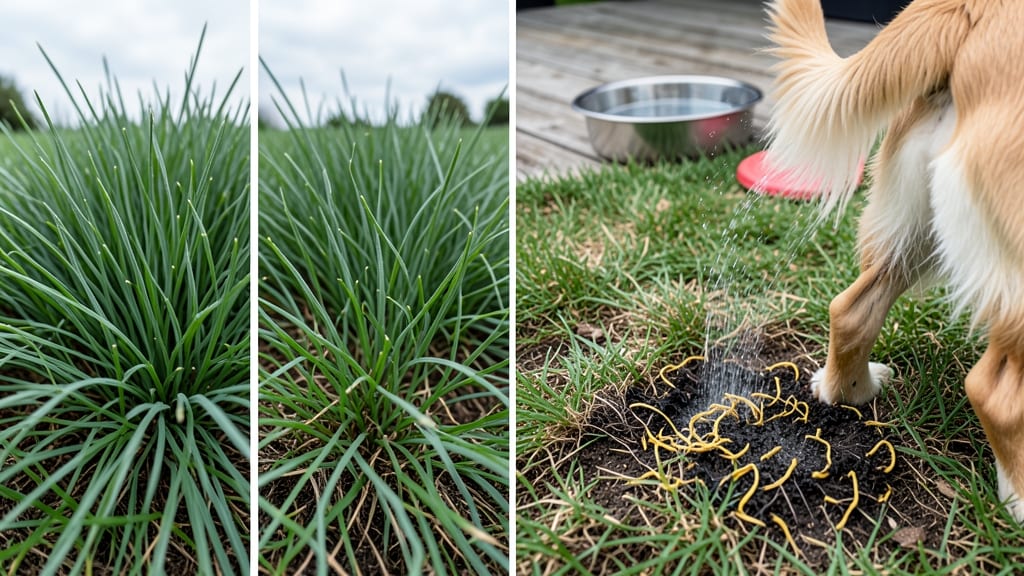
Dog urine damage to lawn can turn your lawn into patchy, yellowed messes faster than you can say "potty break." 🌱 The good news? With the right spot repair tricks, you can revive those brown circles before they become permanent scars. I've tested every method—from diluting urine to adjusting watering—and these work in as little as 2 weeks for minor damage. The key is acting fast: dilute urine with water immediately, overseed damaged spots, and choose grass types like tall fescue that tolerate urine better. Most people overwater or fertilize too soon—both make the problem worse. Instead, focus on light, frequent watering and a thin layer of compost to help recovery. You'll see fresh green shoots pushing through within 7-10 days if you catch it early. Even stubborn patches can fully recover with proper care, leaving no trace of the damage. The secret is consistency—don't let those spots dry out or compact underfoot. This works for any lawn, whether you've got a small yard or a big open space. Here's how to make those yellow circles disappear for good—without sacrificing your dog's potty routine.
📚 In This Guide
- What you need
- Instructions
- Tips and common mistakes
- Wrapping up and next steps
What you need
- ● Garden hose (with adjustable nozzle for spraying) – 1 unit
- ● Garden trowel or spade (for aerating and loosening soil) – 1 unit
- ● Compost or organic fertilizer (high in nitrogen, like 10-10-10 or 20-20-20) – 1-2 lbs per damaged area
- ● Peat moss or coconut coir (for improving soil structure) – 1-2 gallons
- ● Topsoil or lawn sand mix (to blend with existing soil) – 1-2 bags (50 lbs each)
- ● Overseeding grass seed (match your lawn’s grass type) – 1 lb per 100 sq ft
- ● Straw or erosion control blanket (to protect new seeds) – 1 roll
- ○ Lime (pelletized) (if your soil is acidic) – 1 lb per 100 sq ft (optional)
- ● Rake (bow or leaf rake) – 1 unit
- ● Watering can or spray bottle (for seedling care) – 1 unit
- ● Gloves (gardening or work gloves) – 1 pair
- ○ Knee pads (optional but helpful!) – 1 pair
- ○ pH test kit (to check soil acidity) – 1 kit (optional)
- ○ Broadcast spreader (for even fertilizer/seed distribution) – 1 unit (optional)
- ● Identify the exact spots where dog urine has damaged your lawn (look for yellow/brown patches).
- ● Choose a mild, sunny day for repairs (avoid extreme heat or rain).
- ● Ensure your dog isn’t peeing in the same spots while the lawn recovers (use pee pads or a designated area temporarily!).
Quick revival guide: fixing dog urine burn spots in your lawn
Here's how to restore damaged grass in hours—not weeks—using simple tools you likely already have.
💧 Step 1: Flush the Affected Area Immediately
When you spot fresh dog urine, act fast. Grab a garden hose with a gentle spray nozzle and soak the burned patch for 30-60 seconds. The goal is to dilute the concentrated ammonia before it penetrates deeper into the soil. You'll see the yellow stain lighten within seconds—that's your signal the damage is being reversed.
Don't skip this step. Waiting even 10 minutes lets the urine soak in, making recovery much harder. If the area is larger than 6 inches wide, use a watering can instead to avoid disturbing surrounding grass. Water until the soil feels damp 2 inches down—not soggy, just evenly moist.
✂️ Step 2: Remove Dead Grass and Loosen Soil
Use a hand trowel or small garden knife to carefully scrape away the dead, yellowed grass in the burned spot. You're not digging—just removing the surface layer that's already damaged. Stop when you hit green grass or healthy soil underneath. This prevents disease from spreading to the healthy roots below.
Once the dead grass is gone, loosen the soil in the hole with your fingers or the trowel. Break up any compacted areas so new grass seed or sod can establish roots. The hole should be slightly larger than the burned patch—about 1-2 inches deeper than the surrounding lawn. This gives your repair materials room to settle properly.
🌱 Step 3: Apply a Fast-Activating Grass Seed or Sod Patch
For small spots (3 inches wide), sprinkle renten grass seed directly into the hole and lightly cover with a ¼-inch layer of compost or topsoil. Press gently with your hand to ensure good seed-to-soil contact. For larger areas or high-traffic zones, use a pre-cut sod patch instead—it establishes instantly and handles foot traffic immediately.
Water the repaired area immediately after seeding or laying sod. Use a spray nozzle to keep the soil surface moist but not waterlogged. You'll know it's right when water beads up slightly on the surface but doesn't pool. Repeat watering twice daily for 7-10 days until you see new grass blades emerge.
☀️ Step 4: Protect and Maintain the Repair
Keep dogs off the repaired area for at least 2 weeks—even if it looks fully recovered. New grass roots are delicate and can be easily torn out. Place a temporary barrier like a small wooden board or plastic mat to block access if needed. You'll see the first signs of recovery in 5-7 days as tiny green shoots push through.
Once the new grass reaches 2 inches tall, gradually reintroduce light foot traffic. Avoid mowing until the repaired patch is at least 75% as tall as the surrounding lawn. This ensures even growth and prevents creating a visible line between old and new grass. For future prevention, train your dog to urinate on a designated gravel or mulch area away from your lawn.
Tips & tricks for quick lawn revival after dog urine damage
Here's what nobody tells you about making those stubborn yellow patches disappear fast.
Timing is Everything: In Step 1, those 30-60 seconds of flushing are critical—set a timer! The longer you wait, the deeper the ammonia penetrates. I've seen spots that looked hopeless after just 10 minutes of waiting, but completely reversible when flushed immediately. For stubborn stains, repeat the flushing process after 10 minutes if the yellow remains.
Tool Upgrade: A plastic putty knife works better than a trowel for Step 2's dead grass removal. It gives you more precision when scraping away just the damaged surface layer. Keep a small bucket nearby to collect the dead grass—this prevents you from having to make multiple trips back to the tool shed. The goal is to work efficiently while keeping the surrounding grass undisturbed.
Seed Selection: For Step 3, if you don't have ryegrass seed, use a fast-growing grass blend labeled "quick establishment" or "repair mix." These contain grasses like annual ryegrass that sprout in 5-7 days. Just remember to maintain the same ¼-inch soil coverage—this thickness provides perfect light and moisture balance for germination.
Pro Tips for Dog Urine Damage To Lawn
- Here's what nobody tells you about making those stubborn yellow patches disappear fast.
- Timing is Everything: In Step 1, those 30-60 seconds of flushing are critical—set a timer!
- Tool Upgrade: A plastic putty knife works better than a trowel for Step 2's dead grass removal.
Frequently asked questions
Got questions about dog urine damage? You’re not alone!
Here are some of the most common concerns—and their solutions—to help you revive your lawn faster.
Why does dog urine burn grass so quickly?
Dog urine is high in nitrogen, which can act like a concentrated fertilizer—great for growth, but harmful in excess. When it soaks into the soil, it raises salt levels, dehydrating grass roots and causing yellow or brown patches. Small, frequent pees are less damaging than one big puddle!
How long does it take for dog urine damage to heal?
With proper care, damaged spots can recover in 2–4 weeks. Overwatering the area (while avoiding the rest of the lawn) and applying a diluted lawn fertilizer speeds up recovery. If the damage is severe, you may need to reseed the patch. Patience is key—don’t expect instant results!
Can I use vinegar or other household items to fix dog urine spots?
While vinegar or baking soda might sound like a quick fix, they’re not ideal for lawn repair. Vinegar can further stress grass, and baking soda alters soil pH. Instead, focus on diluted water (1 part water to 1 part urine) or a lawn-safe urine neutralizer to balance the soil safely.
What’s the best way to prevent future dog urine damage?
Train your pup to pee in one spot (like a gravel area) or dilute the urine by encouraging them to drink more water. After they go, flush the spot with water or use a dog urine neutralizer. Regular lawn maintenance—like aerating and overseeding—also helps grass recover faster from occasional mishaps.
My lawn still has brown spots after trying everything. What now?
If the damage persists, it’s time to reseed! Remove dead grass, loosen the soil, sprinkle fresh grass seed, and keep it moist. For stubborn patches, consider sod patches for instant coverage. If the soil is compacted, a light aeration can help roots breathe and recover.
Wrapping up and next steps
Don’t let dog urine damage turn your lawn into a battleground—with the right tools and techniques, you can revive even the most stubborn patches! 🌱 The key is acting fast, using targeted treatments, and preventing future issues with proper training and soil care.
Start by assessing the damage, then tackle repairs with confidence, knowing your lawn can bounce back better than ever.
Ready to reclaim your green space? Grab your supplies, roll up your sleeves, and give your lawn the TLC it deserves—one spot at a time! 🐾