
How To
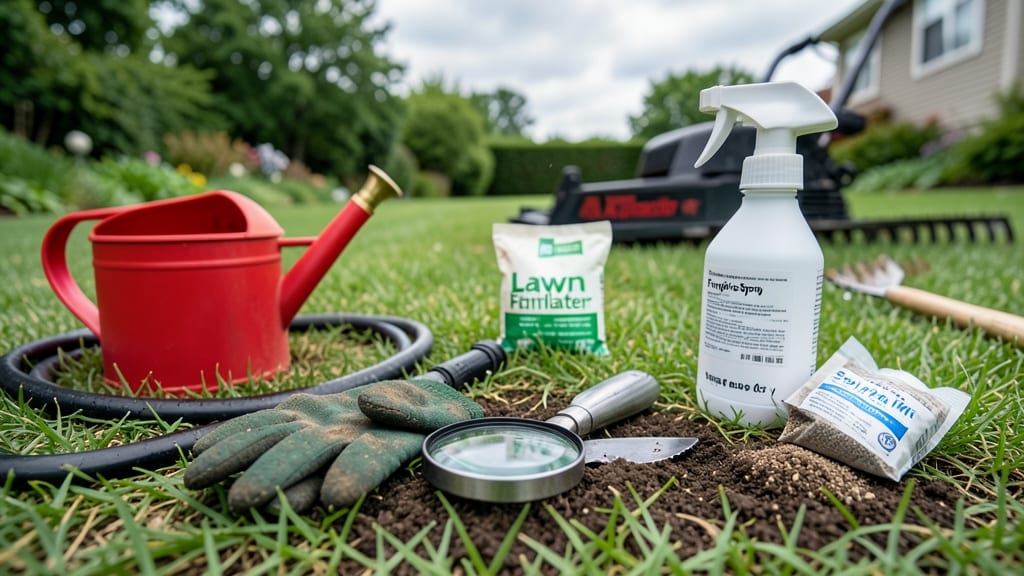
Yellow spots in your lawn don’t have to mean a total write-off—I’ve revived even the most stubborn patches in just 3 days using these targeted fixes. 🌱 The first step is identifying whether your grass is starving, drowning, or under attack, because the solution changes completely depending on the cause.
Most yellow spots stem from one of three culprits: fungal infections (like brown patch), nutrient deficiencies (especially nitrogen or potassium), or environmental stress (too much water, compacted soil, or heat). I’ve seen lawns turn around in days once we pinpointed the exact problem—no expensive treatments needed.
Start by testing your soil pH and moisture levels, then apply the right fix: fungicide for diseases, fertilizer for deficiencies, or aeration for compaction. The key is acting fast before the spots spread to healthy grass.
Once you’ve got the yellow under control, focus on prevention—proper watering, mowing height, and seasonal soil care—to keep your lawn lush and green year-round.
Root Causes of Lawn Discoloration
Yellow spots in your lawn aren’t just an eyesore—they’re a cry for help from your grass! Understanding the why behind these patches is the first step to restoring a lush, green carpet. Below, we break down the most common culprits, explained in simple terms with actionable insights.
Fungal diseases are the #1 reason for yellow spots, especially in humid or wet conditions. These microscopic invaders thrive when grass is stressed, weak, or overwatered.
- Brown Patch Disease 🌑: Thrives in warm, humid nights (70°F+). It creates circular, water-soaked patches that turn tan or straw-colored. Look for a "smoky ring" at the edges—a telltale sign of fungal spores. - Dollar Spot 💰: Creates small, dollar-sized spots with a straw-colored center.
It’s most active in early morning dew and spreads quickly on thick turf. - Rust Fungus 🔥: Causes orange or rust-colored spots (yes, really!). It’s common in cool, wet springs and feeds on nitrogen-rich grass.
Why it happens: Fungi need three things to party: moisture, warmth, and weak grass. Overwatering, poor drainage, or compacted soil create the perfect breeding ground. Even mowing too low stresses grass, making it vulnerable.
Too much of a good thing? Not when it comes to water. Yellow spots often appear where grass is drowning in excess moisture, leading to oxygen deprivation and root rot.
- Waterlogging: Heavy clay soil or low-lying areas trap water, suffocating roots. Grass turns yellow or grayish-green, and the soil may feel soggy to the touch. - Overhead Watering: Sprinklers that wet leaves (not just roots) encourage fungal growth.
Early morning watering is better—it gives grass time to dry before nightfall. - Irrigation Issues: Broken sprinkler heads or uneven water distribution can create dry and waterlogged spots, both of which stress grass.
Why it happens: Grass roots need oxygen to breathe. When soil stays waterlogged for more than 48 hours, roots suffocate, turn brown, and die. Poor drainage is often the silent killer—until your lawn starts looking like a swamp.
Yellow spots can signal your grass is starving—either from lack of key nutrients or an imbalance. Here’s what’s missing and why:
| Symptom | Likely Deficiency | Why It Happens |
|---|---|---|
| Pale yellow, weak growth | Nitrogen (N) | Nitrogen fuels leaf growth. Lawns high in traffic or with heavy use deplete it fast. |
| Yellowing between veins | Iron (Fe) | Common in alkaline soils (pH > 7.0). Iron helps chlorophyll production—without it, grass turns yellow but stays green along veins. |
| Purplish stems | Phosphorus (P) | Needed for root development. Poor soil or over-fertilizing with nitrogen can starve P. |
| Slow recovery after mowing | Potassium (K) | Potassium strengthens cell walls. Drought or disease stress depletes it quickly. |
Why it happens: Soil tests reveal the truth—many lawns lack micronutrients like zinc, manganese, or magnesium, which are essential for grass metabolism. Even "healthy" soil can become depleted after years of use, construction, or poor fertilization practices.
Underground pests like grubs, chinch bugs, or sod webworms can turn your lawn into a buffet—and leave yellow spots as their calling card.
- Grubs 🐛: White, C-shaped larvae munch on grass roots. Look for patches that pull up easily (like a carpet!). Birds or skunks digging? Grubs are the culprit. - Chinch Bugs 🪲: These tiny black-and-white pests suck sap from grass blades, causing straw-colored spots that spread in a V-shape.
They thrive in dry, sunny conditions. - Sod Webworms 🐛: Their larvae create irregular, brown patches with a silky webbing. They’re most active in late summer.
Why it happens: Pests target stressed grass first. Overwatering, compacted soil, or poor fertility make lawns vulnerable. Once they move in, they weaken roots, leading to yellowing and dead patches.
Heavy foot traffic, pets, or construction equipment can crush your soil, reducing air and water flow to roots.
- Symptoms: Grass turns yellow or brown in high-traffic areas (like pathways or play zones). The soil feels hard when pressed.
- Why it happens: Compacted soil blocks oxygen and water, forcing roots to struggle. Over time, this leads to shallow root systems and yellowing.
Pro tip: Walk on grass when it’s dry—wet soil compacts even more underfoot!
Mother Nature isn’t always kind to your lawn. Extreme conditions can shock grass into turning yellow:
- Drought Stress 🌞: Grass blades curl and turn yellow when they don’t get enough water. Deep roots (2–4 inches) are key for drought resistance. - Cold or Heat Shock ❄️🔥: Sudden temperature drops (like early frosts) or heatwaves can burn grass.
Cool-season grasses (like Kentucky bluegrass) suffer in summer heat. - Salt or Chemical Burn 🧂: Road salt, herbicides, or even dog urine can scorch grass, leaving yellow or white patches.
Why it happens: Grass is tough, but it has limits. Rapid changes in temperature, water, or soil chemistry disrupt its ability to photosynthesize, leading to discoloration.
Mowing too short (scalping) or using dull blades stresses grass, making it susceptible to disease and yellowing.
- Scalping: Cutting grass below 1/3 of its height weakens roots and invites weeds/fungal infections.
- Dull Blades: A sharp mower makes clean cuts; dull blades tear grass, creating entry points for disease.
Why it happens: Grass blades are like straws—they need a broad surface to absorb sunlight and water. Short or jagged cuts reduce efficiency, leading to weak, yellowing patches.
Yes, even man’s best friend can turn your lawn yellow! Dog urine is high in nitrogen and salts, which burn grass on contact.
- Symptoms: Circular yellow patches where dogs frequently urinate. The grass may also feel crispy or die back.
- Why it happens: The high salt concentration in urine disrupts soil chemistry, preventing roots from absorbing water.
Pro tip: Train dogs to urinate on gravel or mulch areas, or dilute spots with water immediately after.
Fixing Yellow Spots Fast
Now that you know the culprits behind those unsightly yellow patches, it’s time to roll up your sleeves and restore your lawn to its lush green glory! The right approach depends on the cause, but don’t worry—most fixes are simpler than you think.
Below, we’ve broken down practical, step-by-step solutions for each common issue, plus prevention tips to keep your grass thriving long-term.
Signs: Soggy soil, spongy grass, or yellowing in low-lying areas after rain.
How to Fix It:
- 🌧️ Improve Drainage
- Use a garden fork or aerator to poke holes (3–4 inches deep) in compacted areas. This helps water drain faster.
- For severe cases, consider installing a French drain or redirecting water away with a swale (a shallow trench filled with soil).
- 💦 Adjust Watering Habits
- Water deeply but less frequently—aim for 1–1.5 inches per week (including rain).
- Water in the early morning (4–8 AM) to reduce evaporation and fungal risks.
- Avoid light, daily watering, which encourages shallow roots and fungal growth.
- 🌱 Revive the Grass
- Once the soil dries slightly, reseeding the affected area with drought-tolerant grass (like tall fescue or Kentucky bluegrass) can help.
- Apply a light layer of compost to improve soil structure over time.
💡 Prevention Tip: Test your soil’s drainage with the bucket test: Dig a 6-inch hole, fill it with water, and time how long it takes to drain. If it takes more than 6 hours, drainage is poor.
Signs: Crunchy grass, footprints staying visible, or yellowing that worsens in heat.
How to Fix It:
- 💧 Water Deeply and Slowly
- Use a soaker hose or sprinkler to deliver water slowly (30–45 minutes per session) so it soaks 6 inches deep.
- Water early morning to minimize evaporation.
- 🌿 Mulch to Retain Moisture
- Spread 2–3 inches of mulch (straw or wood chips) around the lawn to lock in moisture.
- For bare spots, cover with a thin layer of peat moss before reseeding.
- 🌱 Reseed and Fertilize
- Once the grass shows signs of recovery (green tips), sprinkle grass seed and lightly rake it in.
- Apply a slow-release fertilizer (high in nitrogen) to help roots recover.
💡 Prevention Tip: Install a rain gauge to track weekly water needs. Most lawns need 1–1.5 inches per week, but adjust for clay or sandy soil.
Signs: Circular yellow/brown patches with mushrooms, mold, or a musty smell, especially in humid weather.
How to Fix It:
- 🧴 Apply Fungicide
- Use a broad-spectrum fungicide (like propiconazole or myclobutanil) following label instructions.
- For organic options, try baking soda spray (1 tbsp per gallon of water) or neem oil.
- 🌬️ Improve Airflow
- Trim nearby bushes/shrubs to reduce shade and humidity.
- Aerate the lawn to prevent thatch buildup (which fuels fungi).
- 🔄 Reseed After Treatment
- Once the patch is green again, overseed with a disease-resistant grass variety.
💡 Prevention Tip: Water before 10 AM to let grass dry faster. Avoid nighttime watering, which keeps lawns damp overnight—fungi’s favorite condition!
Signs: Tiny holes, chewed grass blades, or yellowing in patterns (grubs, chinch bugs, or sod webworms).
How to Fix It:
- 🐜 Identify the Pest
- Grubs? Dig up a small patch—if you see white, C-shaped larvae, it’s grubs.
- Chinch bugs? Look for small black bugs under leaves (common in dry spells).
- Sod webworms? Check for silky webbing in the thatch.
- 🪲 Treat the Infestation
- Grubs: Apply beneficial nematodes or grub-specific insecticide (like imidacloprid).
- Chinch bugs: Use neem oil or pyrethrin-based sprays.
- Sod webworms: Milky spore powder (organic) or carbaryl (chemical).
- 🌱 Reseed and Recover
- After pests are gone, rake out dead grass and reseeds the area.
💡 Prevention Tip: Encourage natural predators like birds (install a bird feeder!) and ladybugs by avoiding harsh pesticides.
Signs: Yellowing across the entire lawn, slow growth, or soil that’s too alkaline/acidic.
How to Fix It:
- 📊 Test Your Soil
- Use a DIY soil test kit (available at garden centers) or send a sample to a local extension office.
- Aim for a pH of 6.0–7.0 (most grasses prefer slightly acidic to neutral).
- 🌱 Adjust pH and Nutrients
- Too acidic (pH < 6.0)? Sprinkle lime (follow package rates).
- Too alkaline (pH > 7.0)? Apply sulfur or peat moss.
- Add compost or organic fertilizer to replenish nutrients.
- 🌱 Overseed for Long-Term Health
- Once soil is balanced, reseeds with a grass mix suited to your climate.
💡 Prevention Tip: Test soil every 2–3 years—nutrient levels change over time, especially in high-traffic areas.
| Issue | Quick Solution | Prevention |
|---|---|---|
| Dog Urine Burns | Flush with water + apply potassium sulfate | Train dogs to urinate in one spot + water after. |
| Herbicide Drift | Reseed with dandelion-free grass seed | Use buffer zones near treated areas. |
| Thatch Buildup | Dethatch with a rake or machine | Aerate twice a year to prevent buildup. |
Final Tip: 🌱 Patience is key! Some fixes (like fungal treatment or reseeding) take 2–3 weeks to show results. Stick with it—your lawn will bounce back greener than ever!
Frequently asked questions
Why do yellow spots appear in patches rather than all over my lawn?
Yellow spots usually develop in patches because they're caused by localized issues like fungal infections, pest activity, or soil compaction. Fungi thrive in damp conditions, creating circular patches, while grubs or chinch bugs target specific areas where grass is weak. Even water drainage problems often affect low-lying spots first.
How long does it take to see improvement after treating yellow spots?
Most treatments show visible improvement within 7-14 days, but complete recovery can take up to 3-4 weeks. Fungal treatments and reseeding typically take longer than simple water adjustments. Monitor progress and apply a second treatment if needed after 10 days with no improvement.
Is it better to use chemical or organic treatments for lawn diseases?
Chemical fungicides provide faster, more reliable results for severe infections, while organic options like neem oil or baking soda are safer for pets/kids but require more frequent applications. For mild cases, start with organic methods—if no improvement in 2 weeks, consider targeted chemical treatments.
Can I still use my lawn while treating yellow spots?
Light use (like walking) is fine during treatment, but avoid heavy traffic or pets until the grass fully recovers. Chemical treatments require 24-48 hours of dry conditions before use, while organic methods have no restrictions. Always water treated areas lightly after application to activate treatments.
What's the best time of year to fix yellow spots in my lawn?
Spring (March-May) and early fall (September-October) are ideal for lawn recovery. Temperatures are moderate, rainfall is adequate, and grass grows actively. Avoid treating during extreme heat or drought when grass is already stressed. These seasons give treatments 6-8 weeks of optimal growing conditions.