
Lawn
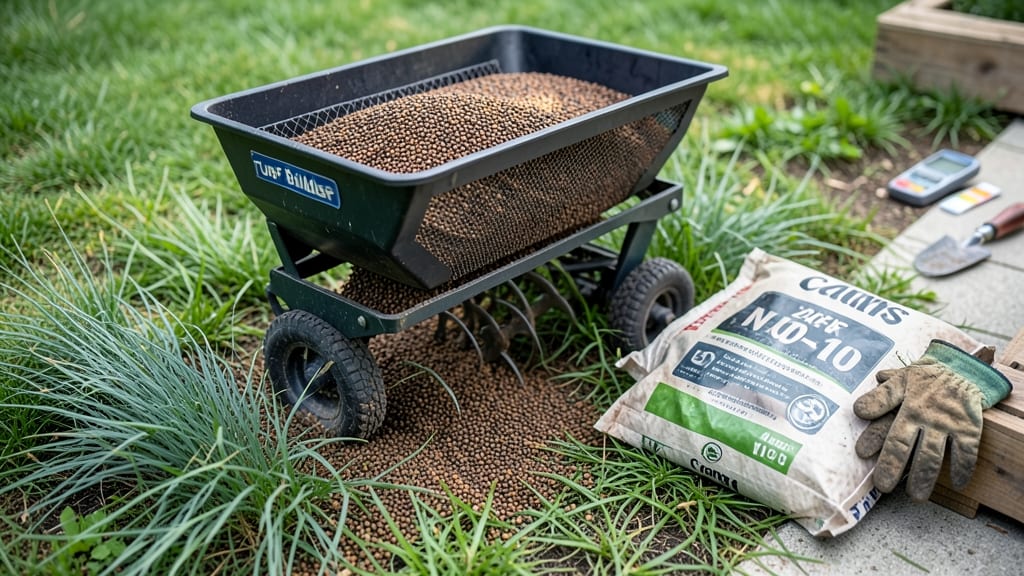
To fertilize your lawn at the right time means the difference between a thick, vibrant carpet and a patchy, struggling yard that never quite recovers.
Picture this: You’ve just seeded your lawn in early spring, and the grass is finally taking hold—until you fertilize too early and watch it burn under the sun. Or you wait until summer, only to see weeds take over while your grass wilts. Timing isn’t just important; it’s everything.
Most homeowners fertilize once or twice a year, but the best schedules depend on your grass type—cool-season grasses like fescue need feeding in early spring and fall, while warm-season grasses like Bermuda thrive with summer applications. Soil tests and regional climate play a role too, and skipping these steps can leave your lawn weak or even invite pests.
In this guide, I’ll walk you through the exact seasonal schedule for your grass type, how to adjust for drought or heavy rain, and the three biggest mistakes that ruin lawns every year—so you can finally get the green, healthy yard you’ve been dreaming of.

Best fertilization timeline by grass type: cool-season vs warm-season schedules
Understanding when to fertilize lawn depends entirely on your grass type. Cool-season grasses like fescue, bluegrass, and ryegrass thrive in temperate climates, while warm-season grasses such as Bermuda, Zoysia, and St. Augustine prefer heat. Each type has a unique fertilization schedule that aligns with its natural growth cycles.
For cool-season grasses, the best time to fertilize is during early spring and fall, when temperatures are mild. This timing supports root growth and prepares the lawn for winter dormancy.
Meanwhile, warm-season grasses need fertilization in late spring through summer, as they grow most actively during hot months.
Skipping the right timing can lead to weak grass, brown patches, or weed invasion. Let’s break down the exact month-by-month fertilization schedule for both grass types to keep your lawn lush year-round.
For cool-season grasses, the fall fertilization is often the most critical. A high-nitrogen feed 6-8 weeks before frost helps roots store energy for spring. I always apply my last feeding in September or early October to ensure the grass has time to absorb nutrients before winter.
Meanwhile, warm-season grasses like Bermuda grass need their heaviest feeding in late spring as they emerge from dormancy. A slow-release fertilizer in May or June promotes thick growth before summer heat sets in. I’ve found that monthly light feedings through July keep Zoysia grass vibrant.
One common mistake I see is fertilizing at the wrong time of year. For example, applying high-nitrogen fertilizer in summer to cool-season grass can burn the blades, while skipping fall feeding leaves it vulnerable to winter stress. Always match your fertilizer schedule to your grass type’s natural growth cycle.
If you’re unsure which grass type you have, check the leaf blade texture and growth pattern. Cool-season grasses have thin, blade-like leaves and grow best in 50-75°F temperatures, while warm-season grasses have broad, coarse blades and thrive in 80-95°F conditions.
Pro tip: Test your soil pH before fertilizing. Most grasses prefer a pH between 6.0 and 7.0. If your soil is too acidic or alkaline, adjust it with lime or sulfur before applying fertilizer for better nutrient absorption.
Finally, always water your lawn thoroughly after fertilizing to help nutrients penetrate the soil. I use a slow, deep watering in the early morning to minimize runoff and maximize absorption.
How to adjust your fertilization plan based on climate and soil conditions
Your lawn’s fertilization schedule isn’t one-size-fits-all—it depends on where you live and what your soil says. In humid climates like the Southeast, excess rainfall can leach nutrients faster, while drought-prone areas in the Southwest may need less frequent feeding.
Even within a single region, microclimates (like shaded spots or windy corners) can change the game. Ignoring these factors often leads to over-fertilizing, which burns grass, or under-fertilizing, which leaves it weak and patchy.
Start with a soil test (kits cost $10–$20) to check pH and nutrient levels. Most lawns thrive in pH 6.0–7.0, but sandy soils drain quickly, requiring more frequent light feedings, while clay soils hold nutrients longer, so you can space applications further apart.
Pair this with your USDA hardiness zone—Zone 5’s cooler springs delay fertilization by 2–3 weeks compared to Zone 8’s early starts.
In rainy regions, like the Pacific Northwest, split your spring feeding into two lighter applications, 3–4 weeks apart, to prevent nutrient runoff. For arid zones, such as Arizona or Nevada, fertilize only in early fall (September–October) to encourage root growth before winter dormancy.
Even in the same zone, a south-facing lawn may need an extra feeding in late summer to combat heat stress, while a north-facing area might skip summer feeding entirely.
🌱 Key Adjustments by Climate
| Climate Type | Soil Factor | Fertilization Rule |
|---|---|---|
| Humid (Southeast) | Fast-draining | Use slow-release fertilizer; feed every 6 weeks |
| Arid (Southwest) | Clay-heavy | Fertilize once in fall; avoid summer heat |
| Temperate (Midwest) | Balanced loam | Follow spring/fall schedule; test pH annually |
💡 Pro Tip: Always water deeply after fertilizing to activate nutrients and prevent burn.
Temperature swings also play a role. In cool-season zones (USDA 3–6), fertilize in early spring (as soon as soil thaws) and late summer (August) to boost fall growth. For warm-season grasses (Zones 7–10), hold off until late spring (May–June) and focus on fall feedings to strengthen roots before winter.
Even within a zone, elevation matters—a Denver lawn (Zone 5) at 5,000 feet may need a 2-week delay compared to one at 6,000 feet due to cooler temps.
Watch for seasonal cues too. If your lawn turns lighter green after rain, it’s thirsty for nutrients—time for a light feeding. But if it develops brown patches after fertilizing, you’ve overdone it.
In high-traffic areas, like near play zones, increase nitrogen by 20% to compensate for wear, but reduce phosphorus if your soil test shows high levels (common in suburban areas with old lawns). Always pair adjustments with proper watering—1 inch per week—especially after fertilizing.
Finally, organic matter changes everything. If your soil is sandy, mix in 1–2 inches of compost before fertilizing to improve nutrient retention. For clay soils, aerate first to break up compaction, then apply a balanced fertilizer (like 10-10-10) to avoid salt buildup.
By tuning your plan to your local conditions, you’ll skip the guesswork and grow a lawn that’s thicker, greener, and more resilient—no matter where you live. 🌿