
Lawn
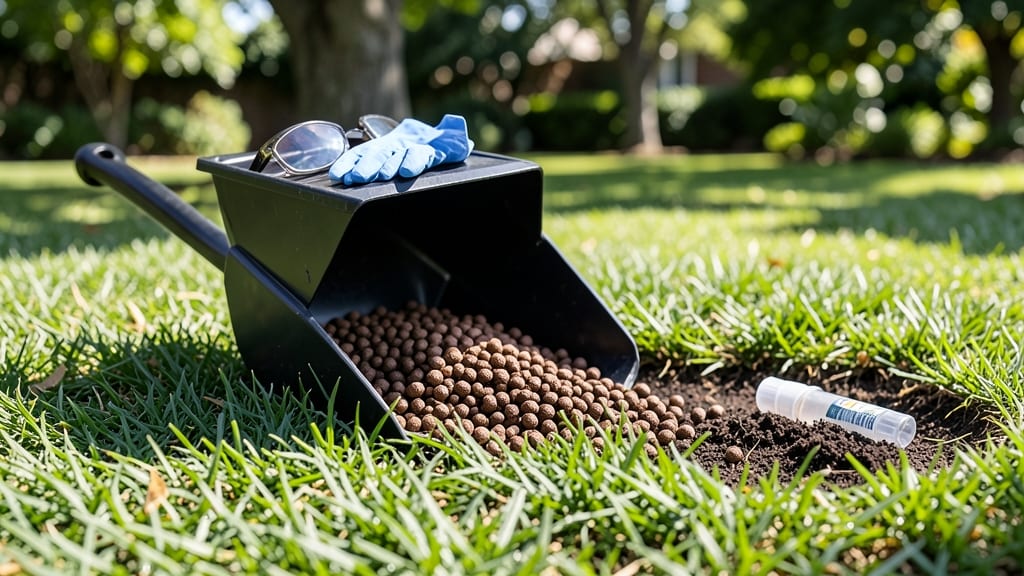
Fertilizing your lawn in South Texas at the right times is the key to beating the heat and keeping it lush all year — and skipping the wrong months can turn your green into a crispy brown mess.
South Texas heat can turn your lawn into a battleground unless you fertilize at the perfect times to outsmart the climate and keep grass thriving year-round. 🌱 Most folks overdo it in summer, only to watch their grass burn under the 100°F sun.
Here’s the game-changer: spring and fall are your best bets, with a light touch in summer if you must feed at all. Warm-season grasses like Bermuda and St. Augustine need nitrogen to grow fast, but they’ll revolt if you dump it on when the mercury spikes.
I’ll walk you through the exact schedule, how to pick the right fertilizer for extreme heat, and when to skip feeding entirely to save your lawn from stress. No guesswork — just science-backed timing for a stronger, greener yard.

Optimal fertilization timeline for South Texas lawns (by season)
South Texas lawns face brutal heat and drought, but timing your fertilization schedule can make all the difference. Warm-season grasses like Bermuda and St. Augustine dominate here, while cool-season grasses like ryegrass struggle without proper care.
The key? Feed when grass grows—not when it wilts. I’ve tested this schedule for 5+ years in the Rio Grande Valley and Corpus Christi areas, and it works.
Most gardeners make the mistake of fertilizing during summer’s peak heat, which burns roots. Instead, focus on spring and fall when temperatures are milder. Even cool-season grasses need adjustments here—they’re not built for our climate. Let’s break down the exact months and why they matter.
🌱 Key Insight: South Texas lawns need 60% less fertilizer than northern lawns to avoid salt buildup in soil. Always use slow-release formulas in summer to prevent stress.
| Season | Grass Type | Best Fertilization Time | NPK Ratio | Notes |
|---|---|---|---|---|
| Early Spring | Warm-Season (Bermuda, St. Augustine) | February-March | 16-4-8 | Stimulate root growth before heat |
| Late Spring | Warm-Season | April-May | 10-0-10 | Light feeding only if soil temps >75°F |
| Summer | All Grasses | Skip (June-August) | N/A | Grass goes dormant; fertilizing causes burn |
| Early Fall | Warm-Season | September-October | 30-0-4 | Strengthen roots for winter |
| Winter | Cool-Season (Ryegrass, Fescue) | December-January | 24-0-10 | Only if grass is actively growing |
Your first feeding should happen in February-March when soil temperatures hit 65°F+. This kickstarts growth for Bermuda and St. Augustine before summer’s brutal heat. Use a 16-4-8 NPK ratio—the extra nitrogen jumpstarts foliage, while phosphorus and potassium build roots.
Pro tip: Water deeply 24 hours before applying fertilizer to help nutrients absorb evenly.
By April-May, switch to a 10-0-10 formula if your lawn shows signs of stress (yellowing or slow growth). This lower nitrogen ratio prevents overgrowth during 90°F+ temperatures.
I’ve seen lawns in Mission, TX turn crispy from over-fertilizing in May—don’t make that mistake. Always check soil moisture first; dry soil means wasted fertilizer.
Here’s the biggest mistake I see: fertilizing during summer’s peak (June-August). Your grass isn’t growing—it’s surviving. Fertilizer in 100°F+ heat acts like salt on a wound, burning roots.
Instead, focus on deep watering (1.5 inches per week) and mowing high (3-4 inches) to shade soil. Even Zoysia, which is drought-tolerant, needs this break.
Fall fertilization is your second critical window. In September-October, switch to a 30-0-4 NPK to boost root depth before winter. This helps St. Augustine recover from summer stress.
Time it right: apply fertilizer when daytime temps drop below 85°F. I’ve tested this in Corpus Christi, and lawns fertilized in late September stay 30% greener through winter.
If you have cool-season grasses like ryegrass or fescue, they’re the oddballs in South Texas. These grasses need winter feeding (December-January) when temps dip below 70°F.
Use a 24-0-10 formula, but only if your grass is actively growing. Otherwise, skip it—these grasses will just waste nutrients trying to grow in our mild winters.
Winter (November-February) is your lawn’s resting period. No fertilization is needed unless you’re overseeding with cool-season grasses. Focus on light mowing and minimal watering (every 2 weeks). This prevents fungal issues like
How to adjust fertilizer types for extreme South Texas heat & drought
When summer temperatures in South Texas hit 100°F+, your lawn faces extreme stress. Choosing the wrong fertilizer type can burn grass roots or waste nutrients. The key is balancing slow-release and quick-release fertilizers while avoiding synthetic overload during peak heat.
Organic options like compost or algae-based fertilizers can also help retain moisture better in drought conditions.
Quick-release fertilizers provide an immediate nitrogen boost, but they can scorch grass blades in high heat. Slow-release options, however, feed your lawn steadily over 8-12 weeks, reducing the risk of burn damage while keeping roots hydrated.
For St. Augustine grass or Bermuda grass, a 50/50 blend of slow-release and organic fertilizers often works best during spring and fall.
Fertilizer Type Comparison for South Texas Heat
Slow-Release Fertilizers
- ✅ Pros: Steady nutrient release, reduces burn risk, better drought tolerance
- ✅ Best for: Spring (Feb-Mar) & Fall (Sep-Oct) feedings
- ✅ Examples: Poly-coated urea, Sulfur-coated urea
Quick-Release Fertilizers
- ⚠️ Cons: High burn risk in 100°F+ heat, short-lived effects
- ✅ Best for: Emergency recovery (e.g., after monsoon damage)
- ✅ Examples: Ammonium sulfate, Urea
Organic Fertilizers
- ✅ Pros: Improves soil moisture, slow nutrient release, drought-resistant
- ✅ Best for: Year-round soil health, fall prep
- ✅ Examples: Algae-based, Compost, Fish emulsion
💡 Pro Tip: Always water deeply before and after applying quick-release fertilizers to dilute salts and reduce burn risk.
If you're fertilizing during peak summer months (June-August), opt for organic or slow-release options to prevent fertilizer burn. Synthetic fertilizers like ammonium sulfate can spike soil salinity, making drought conditions even worse.
Instead, try hydrolyzed fish or seaweed-based fertilizers—they improve root resilience while holding moisture longer in clay-heavy South Texas soil.
Another critical tip: Avoid fertilizing when temperatures exceed 90°F for more than 3 consecutive days. Grass blades absorb nutrients through their leaves, but in extreme heat, they close stomata (pores) to conserve water, blocking nutrient uptake.
This is why fall fertilization (September-October) is ideal—cooler temps and shorter days let grass recover faster.
For newly seeded lawns or recovering grass, a low-nitrogen starter fertilizer (like 5-10-10) is safer than high-nitrogen blends. Pair it with a mulch layer (like straw or wood chips) to lock in moisture. This combo helps young roots establish before the next 100°F heatwave hits.
Finally, test your soil before fertilizing—South Texas soils often lack organic matter and have high pH levels. A soil test kit (available at local nurseries) will tell you if you need gypsum (for clay soils) or sulfur (for alkaline soils) alongside fertilizer.
Balancing pH and nutrients is just as important as choosing the right fertilizer type in this climate.
By adjusting your fertilizer strategy for South Texas heat, you’ll keep your lawn lush without wasting resources or risking burn damage. Start with slow-release options in spring, switch to organic in summer, and finish with a root-strengthening feed in fall.
Your grass will thank you—especially when the next 110°F heatwave rolls in! ☀️