
Lawn
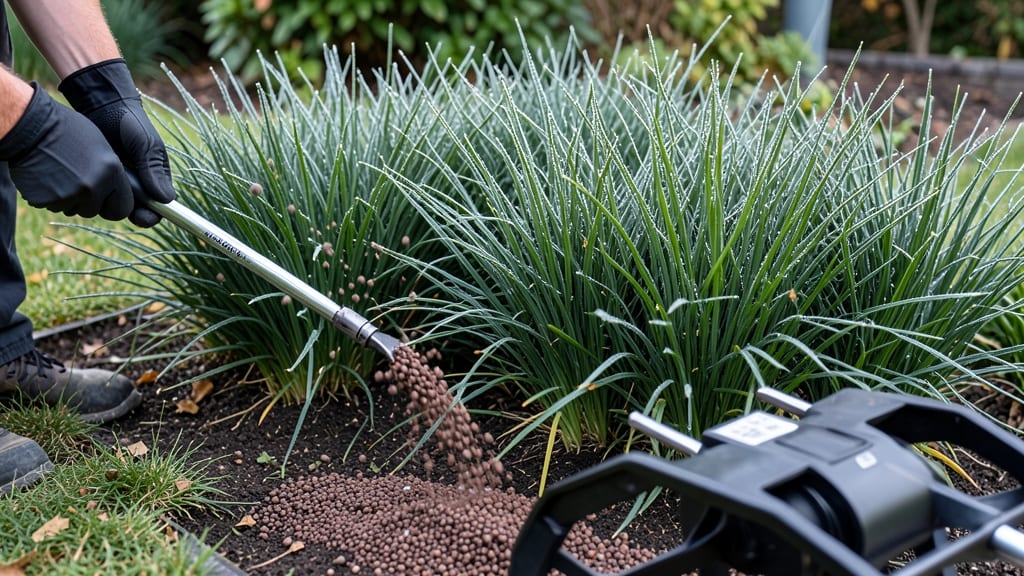
Fertilizing lawn for winter around 6-8 weeks before the first frost is the key to a stronger root system and fewer weeds next spring.
Picture this: You’ve spent all summer keeping your 🌱 lawn grass lush, only to watch it turn brown and brittle as winter sets in. That’s because winter isn’t just about dormancy—it’s when your grass builds resilience for the next growing season.
But timing matters, and applying fertilizer too early or too late can backfire, leaving your lawn vulnerable to cold or even disease.
Whether you’re in a Zone 6 climate or a milder region, the right late-fall feeding can make all the difference. Cool-season grasses like fescue and ryegrass thrive with a winter boost, while warm-season types like Bermuda grass may not need it at all.
The trick? Knowing when to feed—and when to skip it entirely to avoid overstimulating growth before dormancy.
In this guide, I’ll break down the exact timing by region, the best fertilizers to use, and how to apply them without risking winter burn. You’ll learn how to read your lawn’s signals, choose the right product, and set it up for a head start in spring.

Optimal late fall fertilization timeline by region and grass type
A late fall fertilizer application strengthens grass roots before winter dormancy, but the timing varies dramatically based on your USDA hardiness zone and whether you have cool-season or warm-season grass. In northern climates, this means fertilizing in October, while southern regions may wait until November or December.
The goal is to give grass the nutrients it needs to survive cold stress and rebound quickly in spring.
Cool-season grasses like Kentucky bluegrass and fescue thrive with fall fertilization because they grow most actively in cool weather. Warm-season grasses like Bermuda or Zoysia, however, should only receive light feeding in early fall—never late—since they’re already entering dormancy.
The key is to fertilize 6-8 weeks before the first frost for cool-season types and avoid late-season feeding for warm-season varieties.
Here’s how to match your regional climate and grass type to the perfect fertilization window:
| Region & Zone | Grass Type | Ideal Fertilization Window | Key Notes |
|---|---|---|---|
| Northern (Zones 3-5) | Cool-Season (Fescue, Bluegrass) | Mid-September to October 15 | Avoid fertilizing after first frost—grass won’t absorb nutrients. |
| Mid-Atlantic (Zones 6-7) | Cool-Season (Ryegrass, Tall Fescue) | Late September to November 1 | Use a slow-release fertilizer to prevent winter burn. |
| Southern (Zones 8-10) | Warm-Season (Bermuda, Zoysia) | Early September (light feed only) | Skip late fall fertilization—warm-season grass is dormant by October. |
| Pacific Northwest (Zones 7-9) | Cool-Season (Fine Fescue) | October 1 to November 15 | Check for mildew risk—fertilize after rain-free days. |
| Southwest (Zones 9-11) | Warm-Season (St. Augustine) | Skip fall fertilization | Focus on irrigation to prevent drought stress. |
For cool-season grasses, the 6-8 week rule before frost is critical. For example, in Zone 5, aim for mid-October fertilization, while Zone 8 might extend it to early November.
Always use a winterizing fertilizer with low nitrogen (e.g., 24-0-10) to avoid promoting tender new growth that won’t survive cold snaps.
If you’re unsure about your first frost date, check local weather forecasts or use the USDA Plant Hardiness Zone Map. Pro tip: Fertilize on a cool, overcast day to reduce stress on the grass.
This timing ensures roots harden off before winter without encouraging late-season growth that could be damaged by frost.
Warm-season grasses, like Bermuda or Zoysia, should never receive fall fertilization after early September. These grasses go dormant by October, and feeding them later can lead to winter kill or fungal diseases. Instead, focus on light aeration and watering deeply to prepare for dormancy.
One common mistake is fertilizing too late in fall, which can result in winter burn or thatch buildup. Always follow the 6-8 week window and adjust based on your local climate.
For example, New England lawns need fertilization by early October, while Texas lawns should skip it entirely after September.
To maximize success, pair fertilization with core aeration and light overseeding (for cool-season grasses) in early fall. This combo ensures nutrients reach the root zone and strengthens the lawn’s overall resilience. Always water deeply after applying fertilizer to help it penetrate the soil.
If you’re in a transition zone (like Zone 7), where winters are mild but summers are hot, opt for a split application: fertilize in early September and again in late October. This two-step approach mimics the needs of both cool-season and warm-season grasses without overdoing it.
Remember, the goal of late fall fertilization isn’t to make your lawn greener—it’s to strengthen roots so your grass bounces back faster in spring. By following these region-specific timelines, you’ll set your lawn up for a healthier, more resilient growing season ahead. 🌱
Signs your lawn needs winter fertilizer (and when to skip it)
Your lawn whispers clues about its health long before winter sets in. Pale or thinning grass in late summer is often the first sign it’s running low on nutrients.
Cool-season grasses like Kentucky bluegrass and fescue need a nutrient boost 6-8 weeks before the first frost to strengthen roots for winter. But how do you know if your lawn truly needs fertilizer—or if you’re risking over-application?
Look for uneven color patches or increased weed pressure, especially crabgrass or dandelions. These weeds thrive when grass is weak, signaling a nutrient deficiency. However, don’t fertilize if your lawn already looks lush and green—it might just need a light mowing and proper watering instead.
⚠️ callout-warning
- Soil test shows high nutrients (skip if phosphorus/potassium levels are already optimal)
- Frost predicted within 2 weeks (grass won’t absorb nutrients before dormancy)
- Lawn appears healthy (no thinning, discoloration, or weed invasion)
- Drought-stressed grass (fertilizer can worsen moisture loss)
Another red flag is slow recovery after summer stress. If your lawn took a hit from heat, foot traffic, or pests, a low-nitrogen winterizer (like a 24-0-10 blend) can help.
But avoid high-nitrogen fertilizers—they promote top growth, which weakens grass before winter. Instead, focus on root-feeding fertilizers with slow-release nitrogen.
Check for thatch buildup (that spongy layer between grass and soil). If it’s over ½ inch thick, aerate first—fertilizer won’t penetrate properly. Thatch acts as a barrier, trapping nutrients where roots can’t access them. Pair aeration with a light top-dressing of compost for even better results.
Timing matters just as much as the fertilizer type. Apply it when daytime temps are 50–65°F and nights dip below 40°F. This ensures grass can absorb nutrients before slowing down for winter.
In USDA Zone 6, aim for mid-September to early October. But if your area gets early frosts, push it to late October.
Finally, watch for fungal signs like brown patches or mushroom growth. These indicate poor soil health, not just nutrient deficiency. In this case, focus on soil amendments (like compost or mycorrhizal fungi) rather than fertilizer.
A healthy lawn starts with healthy soil—test it first to avoid wasting time and money on the wrong fix.