
Lawn
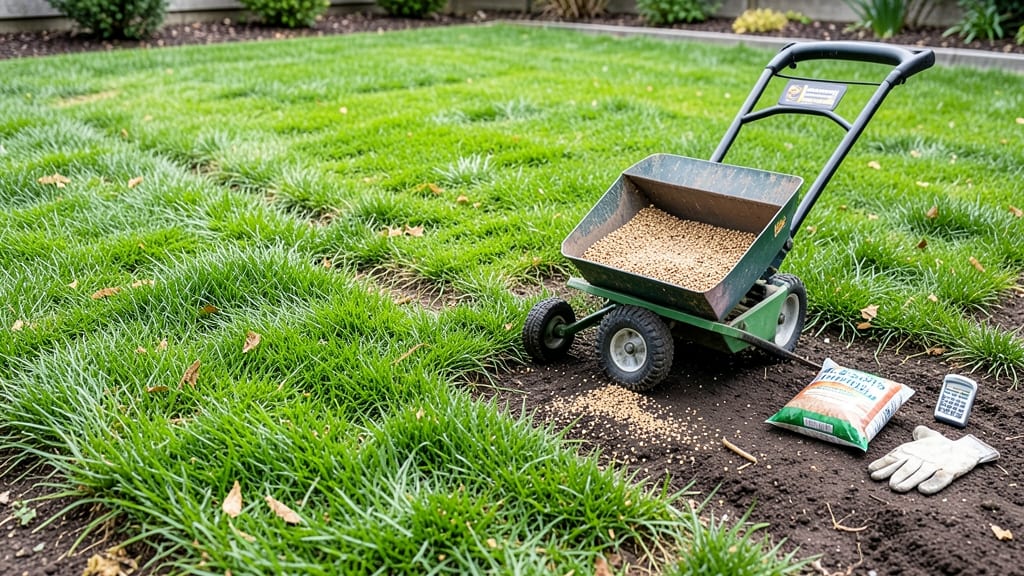
Fertilizing your lawn in spring at the right time—early April after the first mowing—is the key to stronger roots and that deep green look you’re after 🌱.
Spring is the golden window for lawn fertilization—but timing it wrong can waste money and weaken grass growth. Learn the exact window to maximize root strength and vibrant green grass this season.
In USDA Zone 6, where most homeowners live, soil temperatures hit the sweet spot for feeding in early April. That’s when your lawn grass wakes up from winter dormancy and starts its growth spurt.
Here’s how to nail the timing, choose the right fertilizer, and keep your lawn lush all season long—without overdoing it.

Optimal spring fertilization timeline: early April after first mowing for maximum root growth
Timing your lawn fertilizer application in spring can make the difference between a lush green lawn and one that struggles to recover. The critical window begins in early April, right after your first mowing of the season, when soil temperatures hit 40-50°F.
This period aligns perfectly with when cool-season grasses like Kentucky Bluegrass and Fescue wake from dormancy and start actively growing.
Why early April? Because this is when your grass's root system begins its rapid expansion phase. Fertilizing too early—when soil is still cold—can lead to nutrient runoff and wasted money. Waiting too late risks missing the peak growth window, leaving your lawn vulnerable to weeds and stress.
Here's the key: fertilize within 7-10 days after your first spring mowing, when grass blades are 3-4 inches tall and soil is workably moist. This timing ensures nutrients are absorbed efficiently, fueling both above-ground growth and deep root development.
🌱
For most regions in USDA Zone 6 (like much of the Midwest and Northeast), early April aligns with when soil temperatures consistently reach 50°F—the sweet spot for cool-season grasses.
Use a soil thermometer to confirm before applying fertilizer. If you're in a warmer southern climate, aim for late March to early April instead.
Pro tip: Pair your fertilization with overseeding if your lawn has thin patches. Spread cool-season grass seed immediately after fertilizing to take advantage of the moisture and nutrients already in the soil. This two-step process can double your lawn's density within a season.
After fertilizing, maintain consistent watering—apply 1 inch of water over 24 hours to help nutrients penetrate the soil. Avoid fertilizing when rain is forecasted within 48 hours, as this increases runoff and pollution risks.
💧
Remember, the goal of spring fertilization isn't just green color—it's building a strong root system that can withstand summer heat and drought. By following this April timeline, you'll give your lawn the competitive edge it needs to outperform weeds and stay healthy all season long.
For warm-season grasses like Bermuda or Zoysia, delay fertilization until late spring (May-June) when soil temps hit 65°F consistently. These grasses follow a different growth cycle, so timing is everything!
✂️
Signs your lawn is ready for fertilizer: 5 key indicators to apply at the right time
Fertilizing your lawn at the wrong time can actually harm your grass instead of helping it. Cool-season grasses like Kentucky Bluegrass and Fescue need precise timing, while warm-season grasses like Bermuda have different cues. The key is watching your lawn's natural signals rather than relying solely on a calendar.
Before grabbing that fertilizer spreader, check for these 5 clear indicators that your lawn is ready for nutrients. Missing these signs often leads to over-fertilization, which burns grass or causes excessive growth that requires more mowing. Let's break down what healthy grass looks like when it's truly ready.
5 Signs Your Lawn Needs Fertilizer
- 🌱 Green shoot growth appears after dormancy
- 💧 Soil is moist but not soggy (1-2 inches deep)
- ✂️ Grass reaches 3-4 inches tall after first mowing
- 🌡️ Soil temperature stays above 55°F (13°C) for 5+ days
- 🟢 No frost forecasted for 10 days
Pro Tip: Test soil moisture by squeezing a handful - it should hold shape but not be sticky. This is your perfect fertilization window!
Let's examine the first sign more closely: green shoot growth after winter dormancy is the most reliable indicator. When your lawn breaks dormancy, it's signaling that roots are actively growing and ready to absorb nutrients.
Look for 1-2 inch green blades pushing through brown patches - this means your grass is metabolically active and primed for fertilization.
Another crucial factor is soil temperature. Most cool-season grasses need soil temps between 55-65°F (13-18°C) for optimal nutrient uptake. Use a soil thermometer to check - if it's consistently above 55°F for at least 5 days, your lawn is ready.
Warm-season grasses like Bermuda prefer 75-85°F (24-29°C) soil temps, which typically arrive in late spring.
Pay attention to pest activity as well. If you notice increased ant hills, grubs, or chinch bugs, these pests thrive when grass is nutrient-deficient. A light application of fertilizer can help strengthen your lawn's defenses against these invaders.
However, wait until after the first mowing of the season to apply - this ensures the grass has established some new growth.
Finally, check your local frost dates. Fertilizing too early risks damage from late frosts. Aim to fertilize at least 2 weeks before the last expected frost date in your area.
For USDA Zone 6 (like much of the Midwest), this typically means early to mid-April for cool-season grasses. Always verify your specific frost dates using your local cooperative extension service.
Remember, the goal is to fertilize when your lawn is actively growing but hasn't yet reached its peak growth phase. This timing ensures nutrients are used for root development rather than just top growth.
When done right, you'll see deeper green color and thicker blades within 7-10 days of application. Happy fertilizing! 🌱