
Lawn
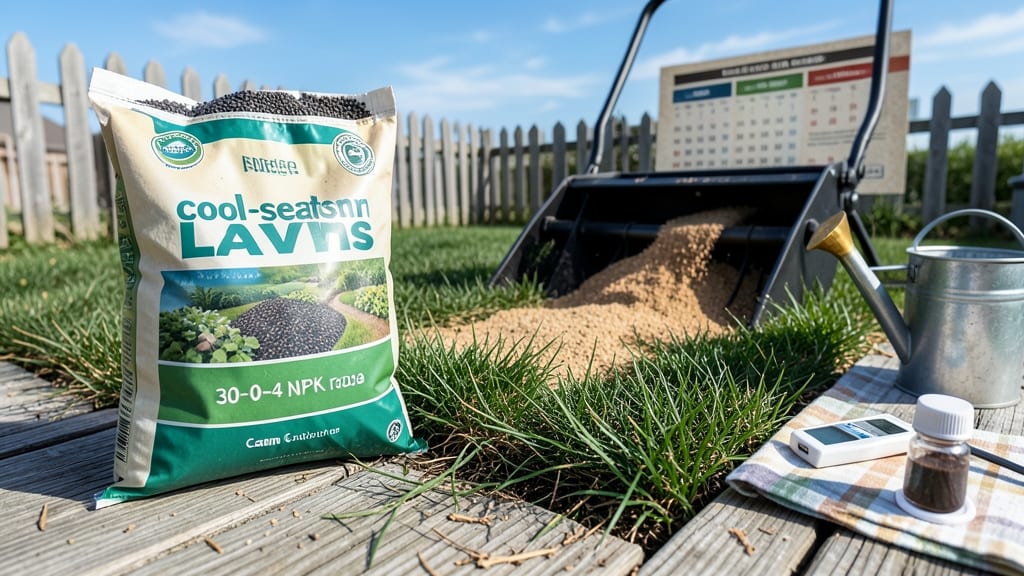
To fertilize lawn in Nebraska at the right time means timing it with the grass’s growth cycle—cool-season varieties like Kentucky bluegrass need feeding in early spring and fall to thrive in 5a-6b zones.
Nebraska’s unpredictable weather—from scorching summers to harsh winters—demands a precise fertilization schedule to keep your cool-season grass lush, resilient, and drought-resistant. Get it wrong, and you’ll waste money or even harm your lawn. Timing is everything.
Most homeowners in Nebraska skip the spring feeding after the last frost (around April 15), but that’s the most critical window for strong root development. A light summer application helps during drought, while a fall feed preps grass for winter.
Below, I break down the exact months to fertilize, how to adjust for Nebraska’s soil types, and the best products for drought-prone yards—so you never over- or under-feed again.

Optimal fertilization timeline for Nebraska cool-season lawns
Nebraska’s cool-season grasses like Kentucky bluegrass and tall fescue thrive when fertilized at precise times tied to temperature triggers and growth cycles. Unlike warm-season grasses, they grow actively in spring and fall, with dormancy in summer and winter.
Missing these windows means weaker roots, patchy growth, or even wasted fertilizer that leaches into soil or burns grass.
Your fertilization schedule should align with Nebraska’s average last frost date (April 15) and first frost (October 15). These dates mark the boundaries for when grass is actively growing and absorbing nutrients.
For example, applying fertilizer in July or August can stress grass during summer dormancy, while skipping fall applications leaves roots vulnerable to winter freeze.
Here’s the Nebraska-specific fertilization timeline broken down by season, including temperature thresholds and grass type considerations:
In early spring (April), your lawn’s first fertilization should happen 2-4 weeks after last frost when soil temperatures consistently stay above 50°F. This kickstarts growth after winter dormancy.
Use a high-nitrogen fertilizer (24-0-5) to promote leafy blades, but avoid applying if rain is forecasted within 48 hours—this prevents nutrient runoff.
By late spring (May-June), your grass should be growing 1-2 inches per week. This is the time for a second, moderate feed using a slow-release fertilizer to prevent overstimulation.
Nebraska’s variable rainfall means you may need to adjust: water deeply after fertilizing to help nutrients penetrate the soil, especially in sandy soils common in the Panhandle region.
Many homeowners skip late summer fertilization, but a light feed in August (when soil temps drop below 80°F) helps tall fescue recover from summer stress.
Use a low-nitrogen formula (10-0-10) to focus on root strengthening rather than top growth. This prepares your lawn for fall’s final push and winter survival.
The most critical fertilization window is early fall (September), when Kentucky bluegrass enters its second growth cycle. Apply a third heavy feed with high nitrogen to thicken blades before winter.
This timing ensures your lawn enters dormancy with stored energy for spring regrowth. Stop fertilizing by October 15 to avoid encouraging tender new growth that can’t survive frost.
Nebraska’s USDA Zones 5a-6b mean your lawn’s dormancy period varies by region. In eastern Nebraska (Zone 6a), grass may stay green longer, while western areas (Zone 5a) see earlier frosts.
Adjust your schedule by 1-2 weeks based on local frost dates. For example, if your last frost is April 30, delay spring fertilization until May 15.
Pro tip: Pair fertilization with soil testing (available through University of Nebraska-Lincoln Extension) to check pH and nutrient levels. Most Nebraska soils are slightly alkaline (7.0-8.0), so a lime application every 3-5 years may be needed to maintain optimal pH 6.0-7.5 for cool-season grasses
How to adjust fertilization for Nebraska’s drought and soil conditions
Nebraska’s variable soil types—from sandy loam in the Panhandle to clay-heavy soils in East Central—directly impact how your lawn absorbs nutrients. Drought conditions further complicate fertilization, making it critical to choose the right fertilizer type and application schedule.
Without adjustments, you risk nutrient runoff, grass burn, or wasted money. Let’s break down how to tailor your approach for Nebraska’s unique challenges.
Start with a soil test from the University of Nebraska-Lincoln Extension, which costs around $15-$20 and reveals pH, organic matter, and nutrient levels. Sandy soils drain quickly and need more frequent, lighter applications, while clay soils retain moisture and nutrients longer, requiring less frequent, slower-release fertilizers.
Ignoring these differences can lead to uneven growth or fertilizer waste.
🌱 PROS & CONS BOX: Drought vs. Soil-Specific Fertilization
- ✅ Slow-release fertilizers reduce watering needs by feeding grass gradually.
- ✅ Deep root fertilization (like liquid injectants) helps grass access nutrients in dry soil.
- ✅ Mulch top-dressing retains moisture and slowly releases nutrients.
- ❌ Quick-release fertilizers can burn grass if applied during drought.
- ❌ Over-fertilizing wastes nutrients and increases runoff risk.
- ❌ Skipping fall fertilization weakens roots before winter drought stress.
- ✅ Frequent light applications (every 4-6 weeks) prevent nutrient loss.
- ✅ Organic matter amendments (compost, peat moss) improve water retention.
- ❌ Slow-release fertilizers may not release fast enough for sandy soil needs.
- ❌ Lack of organic matter leads to poor nutrient retention.
- ✅ Slow-release fertilizers prevent nutrient buildup and runoff.
- ✅ Less frequent applications (every 6-8 weeks) reduce compaction risks.
- ❌ Quick-release fertilizers can cause nutrient runoff in heavy rains.
- ❌ Over-application leads to thatch buildup and poor drainage.
For drought-prone areas, opt for slow-release fertilizers like poly-coated urea or organic options such as alfalfa meal. These release nutrients over 3-6 months, reducing watering demands. In contrast, quick-release fertilizers (like ammonium sulfate) should be avoided during drought—they can burn grass and increase water needs.
Pair fertilization with deep watering (1-1.5 inches per week) to help roots access nutrients.
In the Panhandle’s sandy soils, where water drains rapidly, split your fertilizer applications into smaller doses every 4-6 weeks. Add 1-2 inches of compost annually to improve water retention.
Meanwhile, East Central’s clay soils benefit from larger, less frequent applications every 6-8 weeks. Aerate clay soil in early fall to reduce compaction and improve nutrient absorption.
Adjust your schedule based on rainfall patterns. In dry years, skip summer fertilization entirely and focus on fall and spring applications. Use a soil moisture sensor ($20-$30) to monitor conditions—if the top 2 inches of soil are dry, hold off on fertilizing until you’ve watered deeply.
Nebraska’s variable climate means flexibility is key.
Finally, consider liquid injectants for drought-stressed lawns. Products like humic acid or seaweed extract improve root growth and nutrient uptake without overloading the soil. Apply these in early spring or late summer to give your grass a resilience boost before extreme heat or cold sets in.