
Lawn
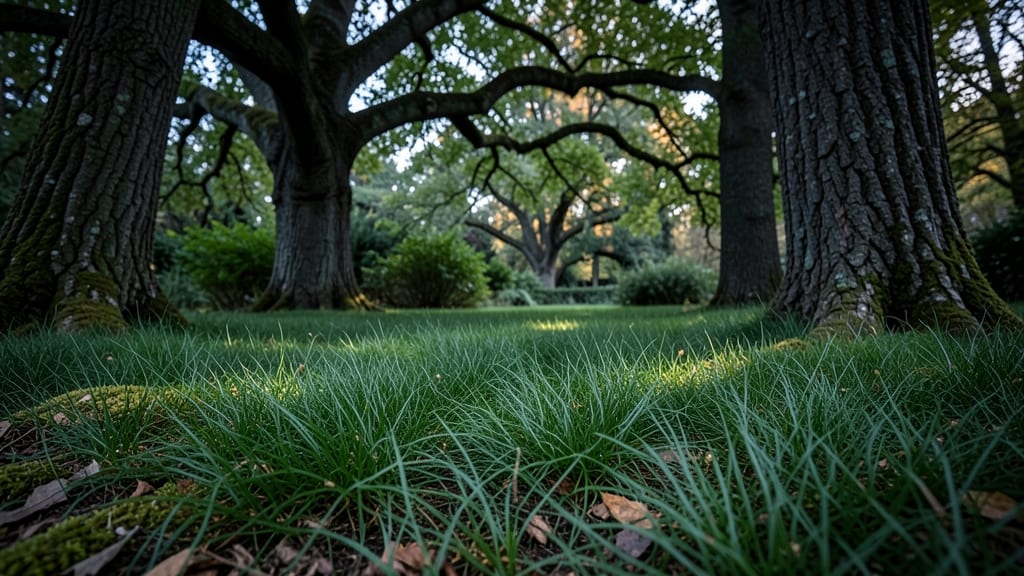
Struggling to find the perfect grass for your yard? These 10 resilient grass types thrive in specific climates and soil conditions, ensuring a lush lawn with minimal maintenance—no matter where you live or what challenges your landscape faces.
Kentucky Bluegrass For Cool Northern Climates
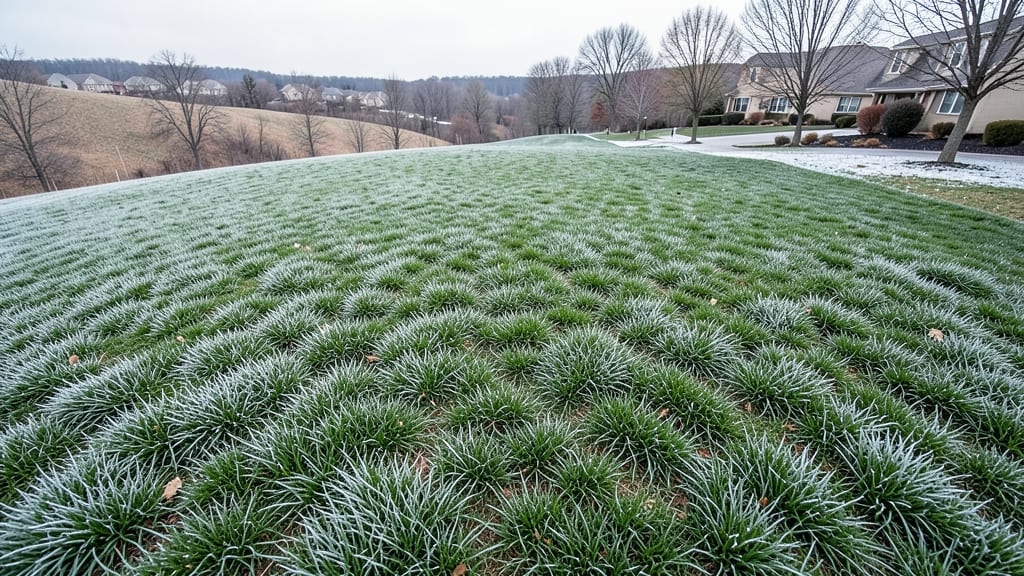
If you live in a northern climate where winters linger and lawns struggle to stay green, Kentucky Bluegrass might be your secret weapon. This cool-season grass thrives in temperatures from 60°F to 75°F and can handle light frosts, making it perfect for regions like the Midwest and Northeast.
What sets it apart is its aggressive spread—it fills bare spots quickly through rhizomes, creating a dense, durable lawn that recovers well from foot traffic. Unlike other grasses, it stays green longer into fall and bounces back faster in spring, giving you a vibrant yard even in cooler months. Just be prepared for some thatch buildup and occasional weed competition, which can be managed with regular mowing and overseeding.
This grass is ideal for homeowners who want a lush, traditional lawn without the high maintenance of other varieties. It’s especially great for families with kids or pets who need a resilient surface that stays green year-round. 🌱
Bermuda Grass For Hot Southern Lawns
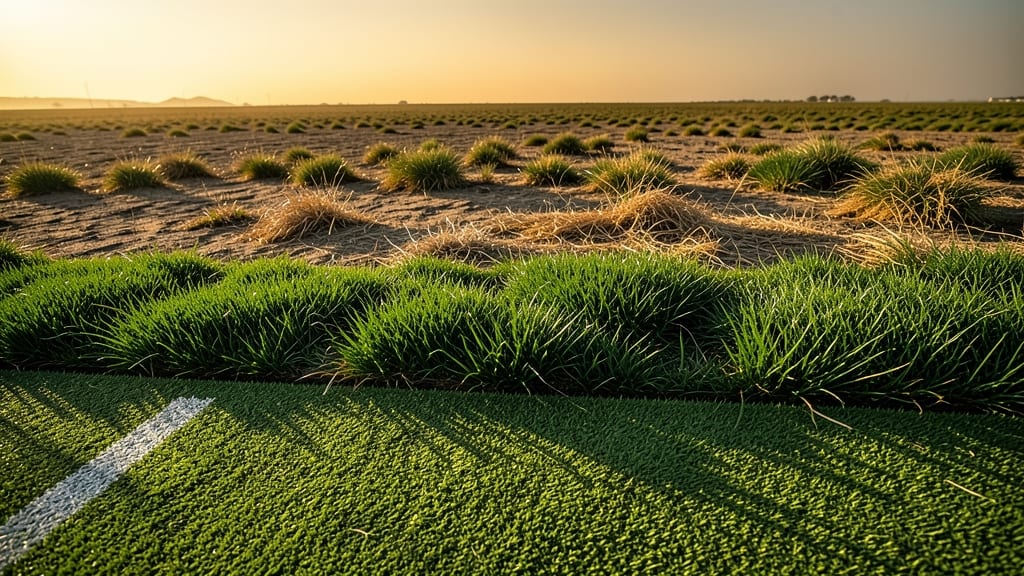
When summer heat turns your lawn into a crispy brown desert, Bermuda grass stays lush and resilient—it’s the secret weapon for southern states where temperatures soar and droughts are common. This grass doesn’t just survive extreme heat; it thrives in it, making it the top choice for sports fields, golf courses, and high-traffic family lawns.
Bermuda grass spreads aggressively through rhizomes and stolons, creating a dense, durable carpet that recovers quickly from damage. It needs full sun (6+ hours daily) and tolerates poor soil, but it hates shade—so plant it where it can soak up those southern rays. For best results, mow regularly to maintain a height of 1 to 2 inches, and water deeply but infrequently to encourage deep root growth.
Perfect for homeowners in USDA Zones 7-10, this grass is also a favorite for eco-conscious gardeners because it requires less water than many alternatives once established. If you’re tired of patchy lawns in the heat, Bermuda grass delivers year-round durability with minimal fuss. 🌻
Fescue Grass For Shady Backyard Spots
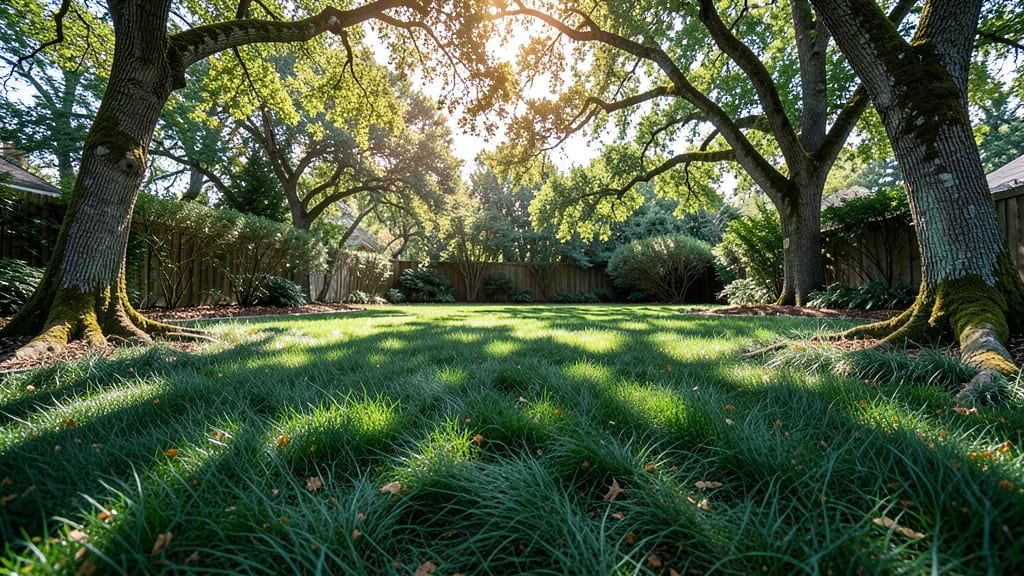
If your backyard is more shade than sun, fescue grass is the unsung hero you’ve been missing. Unlike sun-loving grasses like Bermuda, this variety thrives in low-light conditions, making it perfect for wooded areas, north-facing yards, or spots under large trees where other grasses struggle to survive.
With its deep root system, fescue stays green year-round, even in winter, and requires less water than many alternatives. It’s also disease-resistant and handles foot traffic better than you’d expect for a shade-tolerant grass. For homeowners with heavily shaded lawns, this is the grass that finally delivers the lush look you’ve been dreaming of. 🌿
Zoysia Grass For Low-Maintenance Lawns
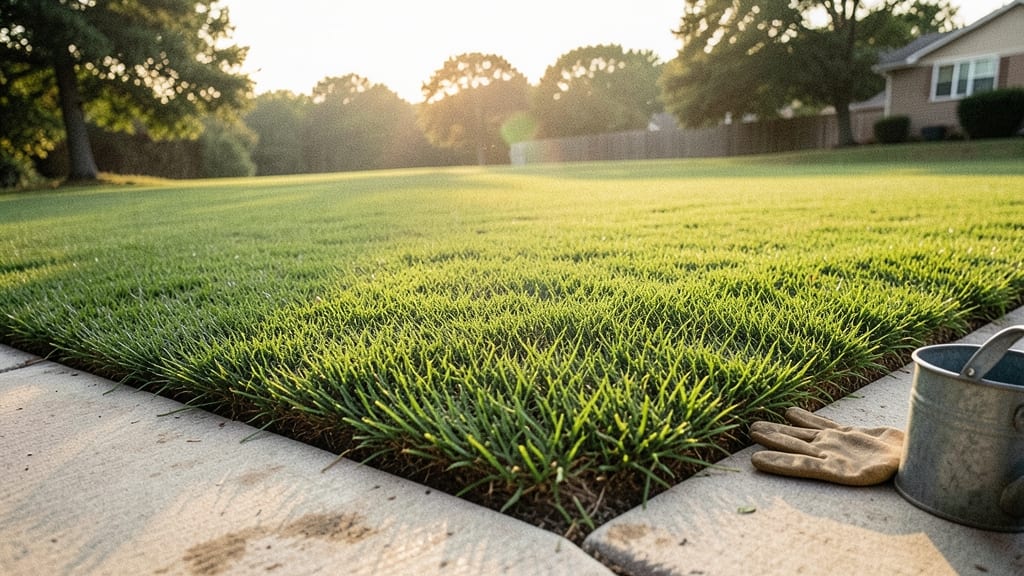
Tired of spending weekends mowing and watering your lawn? Zoysia grass is the answer for homeowners who want a stunning lawn without the upkeep. Unlike fast-growing grasses that demand constant attention, Zoysia grows slowly, meaning you'll mow less frequently—and when you do, the clippings stay green, reducing thatch buildup.
This drought-resistant grass thrives in full sun to partial shade and handles heat better than most varieties. Once established, it only needs one inch of water per week during dry spells, making it ideal for water-conscious gardeners. Its deep roots also help prevent soil erosion, giving you a resilient lawn that stays lush even in tough conditions.
Perfect for busy professionals or retirees, Zoysia transforms your yard into a low-maintenance masterpiece with minimal effort. 🌱
St. Augustine Grass For Humid Coastal Areas
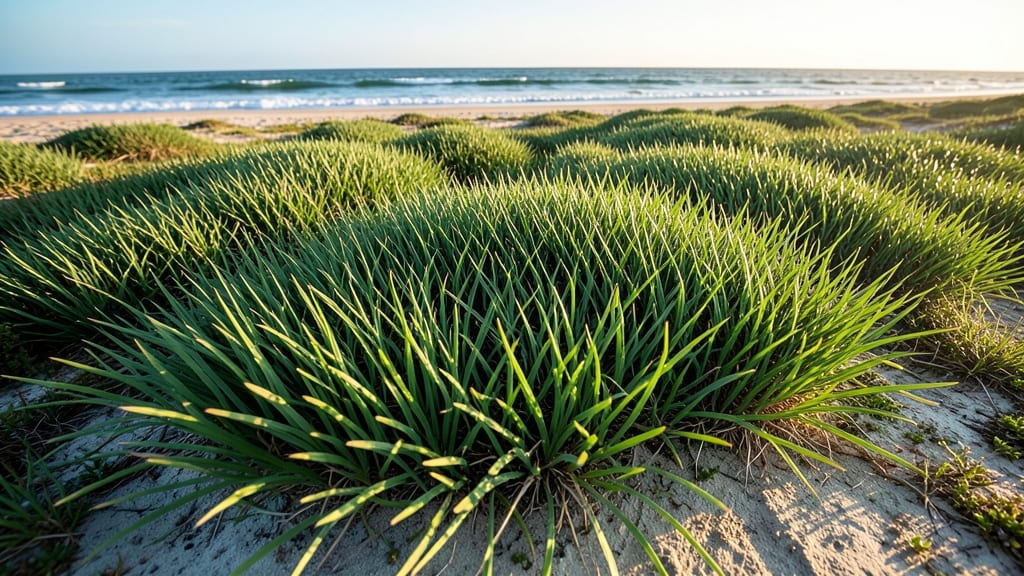
If you live near the coast and dread patchy lawns from salt spray and sandy soil, St. Augustine grass is your secret weapon. This broad-bladed beauty thrives where others wilt, turning humid climates into its personal paradise—especially in Florida, Texas, and the Gulf Coast.
Its velvety texture and deep green color create a lush carpet that handles salt spray, sandy soil, and high humidity like a champ. For best results, plant in spring or early summer when temperatures are mild, and keep it well-watered during establishment. Once established, it only needs 1-1.5 inches of water per week—perfect for coastal areas with unpredictable rainfall. Just avoid mowing too short to protect its roots.
Homeowners in coastal cities will love how it stays green year-round with minimal fertilizer, making it the ultimate low-maintenance choice for salty, sandy yards. 🌿
Ryegrass For Fast-Growing Temporary Cover
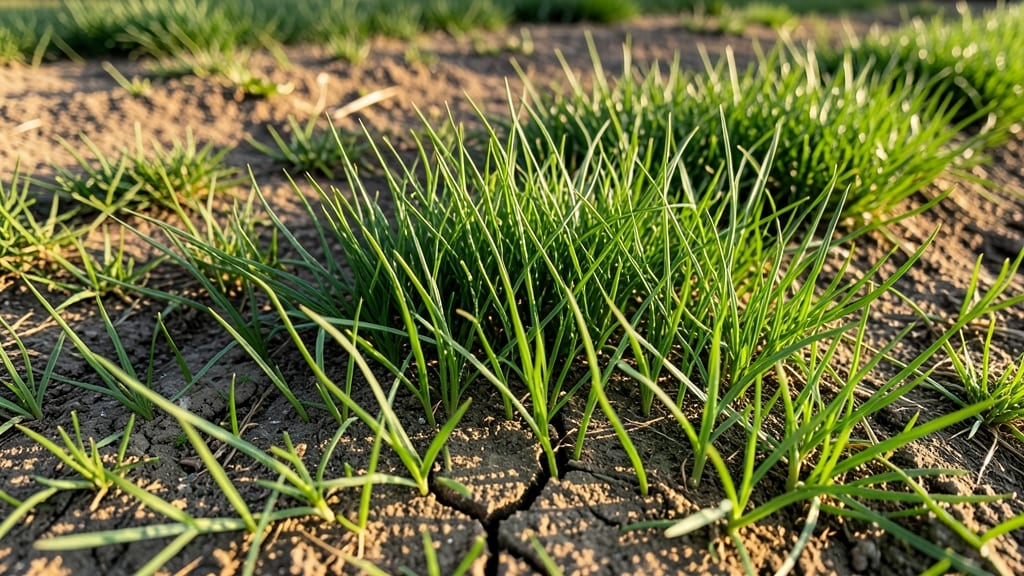
When you need a quick fix for patchy lawns or want to establish a temporary cover before permanent grass seeds germinate, annual ryegrass is your secret weapon. This cool-season grass sprouts within 5-10 days and reaches full height in just 3-4 weeks, making it ideal for overseeding in fall or repairing damaged areas before winter dormancy.
Ryegrass thrives in moderate sunlight and tolerates a wide range of soil types, though it prefers well-drained conditions. It’s often used as a nurse crop—plant it alongside your preferred grass variety to protect the soil and suppress weeds until the slower-growing grass establishes. Once the permanent grass is rooted, ryegrass will naturally die out in warmer months, leaving no trace behind.
Perfect for homeowners who want instant results without long-term commitment, ryegrass is also a favorite among landscapers for temporary erosion control and quick green-up before seasonal transitions. 🌱
Centipede Grass For Acidic Southern Soils
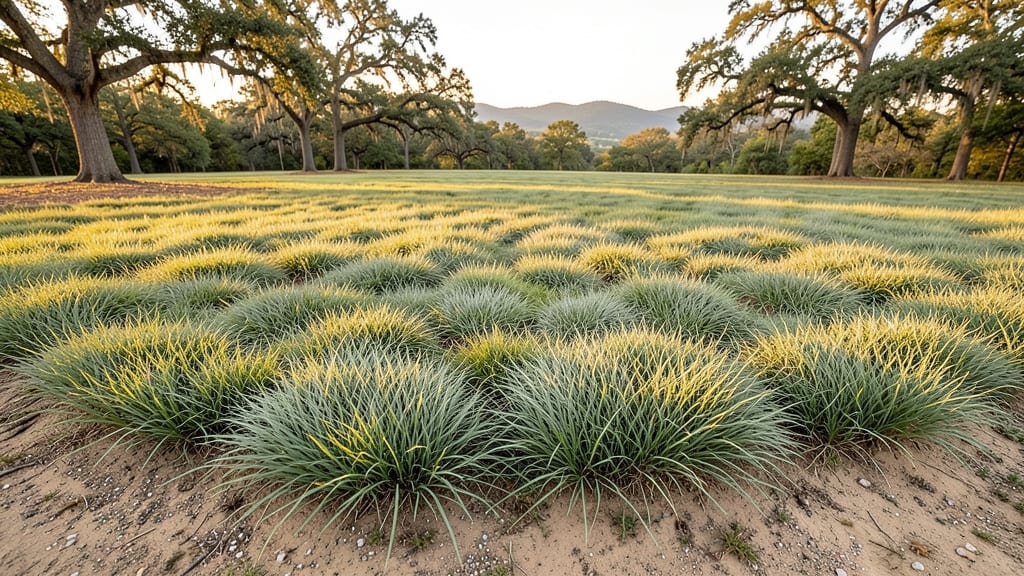
If you live in the Southeast and dread battling alkaline soil or high-maintenance lawns, centipede grass could be your new best friend. This native grass thrives in the acidic, sandy soils common across Georgia, Alabama, and the Carolinas—where other grasses often struggle.
Unlike many lawn grasses, centipede requires minimal fertilization (just a light nitrogen boost annually) and less water once established, making it perfect for hot climates. Its fine texture and slow growth mean fewer mowings, and it naturally resists many pests and diseases. For homeowners tired of battling weeds or overwatering, this is the ultimate low-effort solution. 🌱
Tall Fescue For Drought-Tolerant Northern Lawns
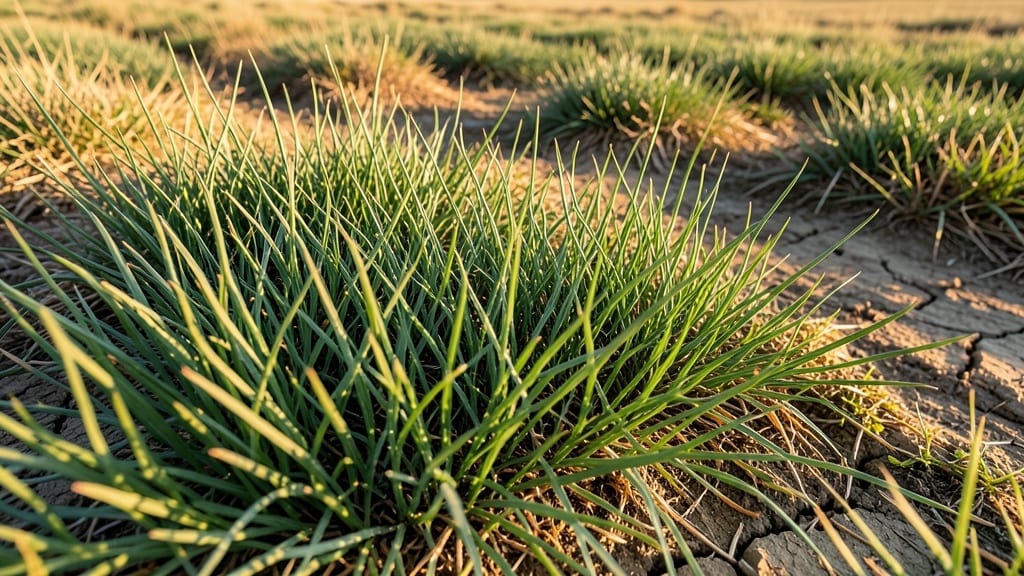
If your northern lawn endures unpredictable droughts and sudden heat spikes, tall fescue is your secret weapon. Unlike delicate grasses that wilt under stress, its deep root system (up to 6 inches) taps into moisture deep underground, while its coarse texture shrugs off foot traffic and recovers faster than Kentucky Bluegrass.
This resilient grass thrives in USDA zones 3-8, handling both cold winters and summer heat better than most cool-season options. Plant seeds in early fall for best results, and mow at 3-4 inches to encourage deeper roots. It also resists pests and diseases, making it a low-maintenance choice for busy homeowners.
Perfect for urban yards or family lawns where durability matters, tall fescue delivers year-round greenery without the fuss of constant watering. 💪
Buffalo Grass For Eco-Friendly Prairies
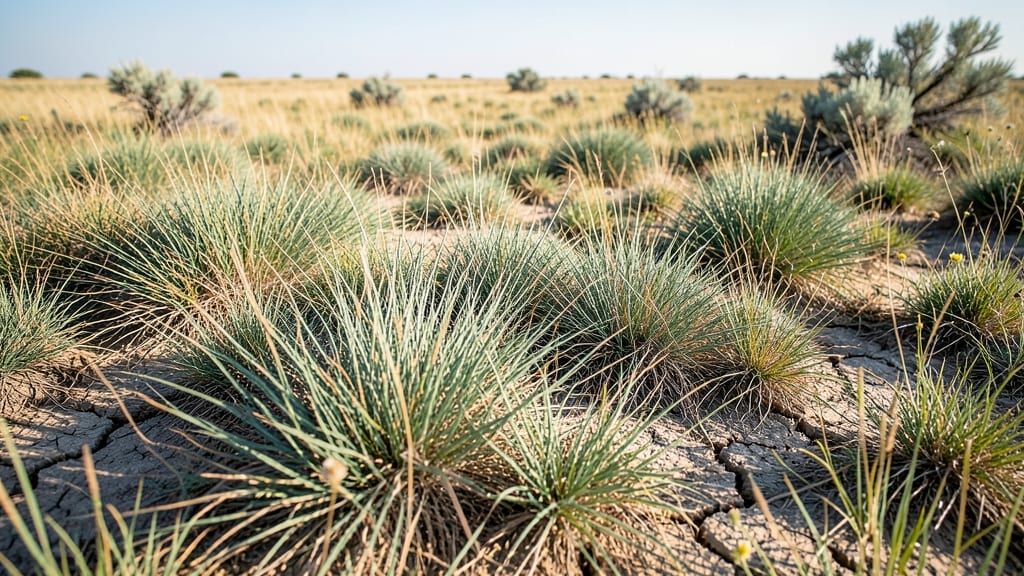
If you're looking for a zero-water lawn that still looks natural and supports local ecosystems, buffalo grass is your answer. This native prairie grass thrives in arid regions with less than 12 inches of annual rainfall—making it perfect for drought-prone areas where traditional lawns struggle.
Unlike high-maintenance grasses, buffalo grass forms dense mats that crowd out weeds naturally, while its silvery-blue-green blades create a soft, textured look. It also stays green longer than many drought-tolerant alternatives and requires no fertilization once established. Plant it in full sun for best results, and watch it transform your yard into a wildlife-friendly habitat.
This is the ideal choice for eco-conscious gardeners in the Great Plains, Southwest, or other dry climates who want a sustainable lawn without sacrificing beauty. 🌱
Fine Fescue For Cool-Season Shade Gardens

Tired of patchy lawns under towering trees? Fine fescue thrives where others fail—deep shade gardens where sunlight barely touches the ground. Unlike other grasses that yellow or thin out, fine fescue maintains its vibrant green color even in winter, making it the ultimate choice for heavily shaded yards.
This cool-season grass tolerates less than 2 hours of direct sun daily and resists disease better than most varieties. Its ultra-fine blades create a soft, velvety texture perfect for play areas or relaxing under trees. Water deeply but infrequently—once per week in dry spells—to encourage deep root growth without encouraging fungal issues.
Ideal for homeowners in USDA zones 3-9, fine fescue is especially rewarding for those with wooded properties or north-facing yards. It’s the secret to a lush, low-maintenance lawn where others give up. 🌿