
Lawn
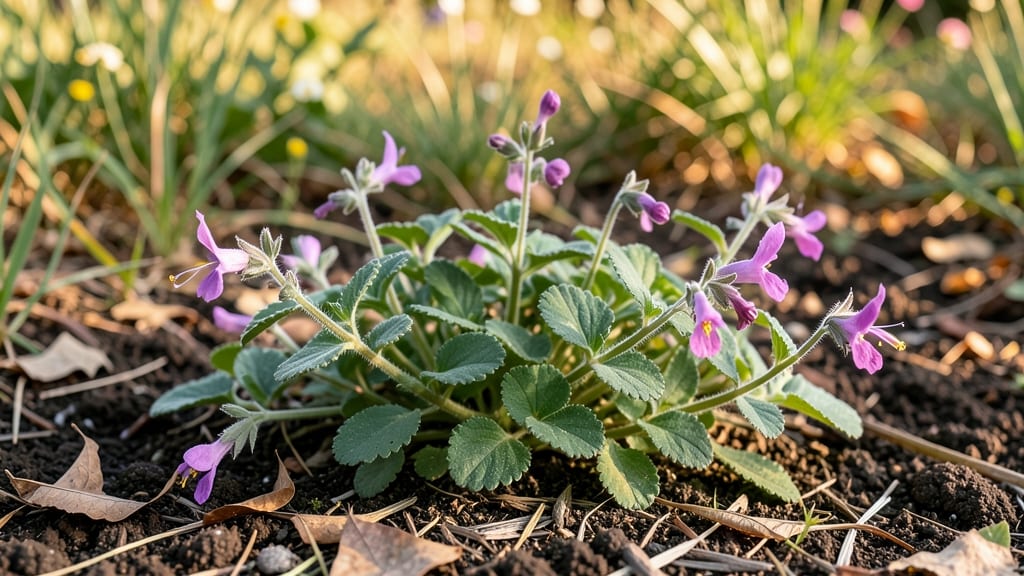
That small purple flower lawn weed popping up in your grass isn’t a wildflower—it’s likely henbit, a pesky winter annual that turns your yard into a purple carpet before disappearing by summer. 🌿 I’ve pulled enough of these stubborn stems to know the frustration of seeing them back the next week, no matter how many times you yank them.
The good news? Henbit thrives in cool weather but dies off when temperatures rise, giving you a natural window to tackle it before it spreads. The trick is pulling it early—when the plants are young and the roots are shallow—before they go to seed and create next year’s infestation.
A quick tug (roots and all) beats waiting for it to multiply.
By late spring, your lawn will look like it never had an interruption, with thick grass crowding out any stragglers. The key is staying one step ahead: pull, rake, and repeat until the heat waves arrive. No chemicals needed—just elbow grease and timing.
This method works for other purple-flowered weeds too, like chickweed or purple deadnettle. The same early action principle applies: catch them young, and your lawn stays lush and weed-free all season.
Root Causes Of Purple Blooms
Understanding why these tiny purple invaders take over your lawn starts with science—and a little detective work. Most small purple-flowered weeds (like henbit, chickweed, or purple deadnettle) thrive due to a mix of environmental triggers, lawn weaknesses, and even human habits.
Let’s break down the real reasons they pop up uninvited.
Weeds love what your grass hates—nutrient-poor, compacted, or overly acidic soil. Here’s why:
- Lack of Organic Matter 🌱➡️💀 Purple-flowering weeds often dominate when soil lacks nitrogen, phosphorus, and organic material. They’re opportunistic, sprouting in thin spots where grass struggles to grow back. A soil test revealing low nitrogen (N) or potassium (K) is a red flag.
- Compacted Soil = Stress for Grass 🪨😫 Heavy foot traffic, machinery, or clay-heavy soil compresses the root zone, suffocating grass roots. Weeds, with shallow but aggressive root systems, fill the gaps. Test: Stick a screwdriver in—if it won’t go past 2 inches, compaction is likely.
- pH Imbalance 🧪🔄 Most lawn grasses prefer a pH of 6.0–7.0. Purple weeds (like henbit) thrive in acidic soil (pH < 6.0) or alkaline extremes (pH > 7.5). A simple home pH test kit ($10) can confirm if your soil is off-balance.
💡 Pro Tip: Aerate in fall to loosen soil, then top-dress with compost to boost organic matter. Lime (for acidity) or sulfur (for alkalinity) can adjust pH—just follow package rates!
Purple-flowering weeds are seasonal strategists. They exploit timing, temperature, and moisture like a master gardener.
- Cool, Wet Springs ❄️💧 Many purple weeds (e.g., henbit) germinate in late fall or early spring when soil temps hover between 50–65°F. Overwatering or heavy spring rains create the perfect germination cocktail.
- Drought Stress Weakens Grass 🌞🔥 When grass wilts from heat or drought, it stops competing for sunlight and nutrients—leaving room for weeds. Purple deadnettle, for example, thrives in moist but not soggy conditions, often appearing after summer dry spells.
- Thin Snow Cover ❄️🌱 In colder climates, patchy snow lets sunlight reach bare soil, signaling weeds to germinate. Even a 3-inch snow layer can break enough to let chickweed seeds sprout.
⏰ Action Step: Water deeply but infrequently (1–1.5 inches per week) to encourage deep grass roots. Avoid spring overwatering—weeds love it.
Even the best-intentioned lawn care can backfire. Here’s how common errors help purple weeds win:
- Over-Fertilizing (Especially Nitrogen) 💥🌱 Too much quick-release nitrogen (like synthetic fertilizers) burns grass roots, creating bare spots. Weeds like henbit germinate in disturbed soil—so if your lawn looks like a patchwork quilt, expect purple blooms.
- Skipping Overseeding 🌾🚫 Thin grass = weed paradise. If you don’t overseed in fall, bare patches invite weeds. Purple deadnettle, for instance, spreads via seed and creeping stems, filling gaps faster than grass can recover.
- Mowing Too Short ✂️😱 Scalping your lawn (mowing below 2–3 inches) stresses grass, exposing soil to sunlight and weeds. Purple-flowered weeds compete for light—short grass = their growth spurt.
🎯 Fix It: Mow high (3–4 inches), fertilize slow-release organic options (like compost tea), and overseed in early fall when weeds are still dormant.
Weeds don’t just appear—they hibernate and ambush your lawn.
- Dormant Seeds in Soil 🌱💤 Many purple weeds (like chickweed) produce thousands of seeds that stay viable for years. Disturbing soil (tilling, aerating, or even digging) wakes them up.
- Creeping or Running Growth 🔄🌿 Some weeds (e.g., purple deadnettle) spread via stolons (horizontal stems). One plant can become dozens if left unchecked.
- Animal & Wind Dispersal 🐦💨 Birds eat weed seeds, then poop them elsewhere (free fertilizer + planting service). Wind carries lightweight seeds (like henbit) into thin grass areas.
🔥 Prevention: Remove weeds before they seed (pull by hand or spot-treat). Mulch grass clippings to smother seeds and reduce wind spread.
Yes, even your daily routine might be helping purple invaders.
- Leaving Leaf Litter 🍂🚫 Thick leaf layers block sunlight from grass but create moist, shaded microclimates—perfect for chickweed.
- Using Herbicides Improperly 💊⚠️ Pre-emergent herbicides (like preen) can prevent grass from filling gaps, leaving room for weeds. Post-emergent sprays might miss small purple sprouts if applied too late.
- Ignoring Thatch Buildup 🧵🌱 A thatch layer thicker than ½ inch blocks water and nutrients, weakening grass. Weeds thrive in this dead zone.
👨🍳 Quick Fix: Rake leaves into compost, dethatch in early spring, and calibrate your mower to avoid scalping.
Quick Fixes for Stubborn Purple Blooms
Got those pesky small purple flowers popping up where they don’t belong? Don’t let them take over your lawn—here’s how to tackle them without harming your grass. The key is understanding why they’re there and matching the right solution to the problem.
Let’s break it down by cause and fix, plus some pro tips to keep your lawn looking lush and weed-free.
If your lawn is soggy or packed down, purple-flowered weeds like henbit or chickweed thrive in damp, dense conditions. Here’s how to outsmart them:
- 🔥 Hand-Pull When Soil is Wet Wait for a rainy day or water the area first—soil will loosen, making weeds easier to uproot.
Grab a pair of gloves and pull weeds at the base (roots and all!). Pro tip: Use a weed-popping tool for stubborn roots—it’s like a mini lawn surgery without the mess! 🔪
- 👨🍳 Aerate to Break Up Compacted Soil Rent a core aerator (or spike the lawn with a garden fork) to let water and air circulate. This weakens weed roots while giving your grass a fighting chance. Do this in fall or spring for best results.
- 🌡️ Adjust Your Watering Routine Purple-flowered weeds love moisture—so cut back on frequent light watering. Instead, deep-water 1–2 times per week (early morning is best). Aim for 1 inch of water per session to encourage grass roots to grow deeper.
If your lawn has bare patches or shady areas, weeds like violet (Johnny-jump-ups) or ground ivy sneak in where grass struggles. Fix it with these steps:
- 🍳 Overseed Thin Areas Spread high-quality grass seed (choose a shade-tolerant blend if needed) over bare spots. Lightly rake the soil, then cover with a thin layer of compost. Water gently for 2–3 weeks until new grass sprouts.
- 💡 Add a Mulch Layer (Organic Only!) Spread straw or shredded leaves (¼ inch thick) over seeded areas to protect seeds and retain moisture. Skip inorganic mulch like rocks—it can smother grass.
- ✨ Use a Pre-Emergent Herbicide (Carefully!) If weeds keep returning, apply a grass-safe pre-emergent in early spring (before weed seeds germinate). Look for products with pendimethalin or dithiopyr—they block weeds without hurting established grass. Reapply after rain or heavy watering.
Purple flowers often pop up when grass lacks nitrogen, phosphorus, or potassium. A quick soil test (from a garden center) can confirm, but here’s a general fix:
- 📊 Apply a Balanced Fertilizer Use a slow-release, 10-10-10 or 16-4-8 formula in early fall or spring. Follow package rates—overdoing it can burn grass and attract weeds! Pro tip: Pair with iron sulfate if your lawn has yellowing patches (a sign of weak grass).
- 🥗 Boost Soil Health with Compost Spread 1–2 inches of compost over the lawn in fall, then lightly rake it in. This improves soil structure, helps grass outcompete weeds, and adds natural nutrients.
- 🍎 Mow High to Crowd Out Weeds Set your mower to 3–4 inches in summer (higher for shady areas). Taller grass blocks sunlight to weed seeds and develops deeper roots—making your lawn tougher!
Once you’ve got the upper hand, stop weeds before they start with these habits:
- 🎯 Regular Mowing & Edging Mow weekly in growing season (spring–fall) and keep edges sharp to prevent weeds from creeping in from driveways or sidewalks.
- 🔥 Spot-Treat New Weeds Immediately The second you see a purple bloom, pull it before it seeds. Even a few weeds can drop thousands of seeds—don’t let them spread!
- 🌡️ Monitor Soil pH Most lawn weeds prefer slightly acidic soil (pH 6.0–7.0). Test your soil and amend with lime (to raise pH) or sulfur (to lower it) if needed. Happy grass = fewer weed snacks!
- 🌱 Plant a Weed-Resistant Grass Mix If your current grass is weak, consider switching to a tougher variety like tall fescue, Kentucky bluegrass, or fine fescue—they outcompete weeds naturally.
Remember: Patience is key! It can take 1–2 seasons to fully transform a weed-prone lawn, but with consistent care, those purple blooms will be a thing of the past. 🚀
Frequently asked questions
What are the most common small purple-flowered weeds in lawns?
The three most likely culprits are henbit, chickweed, and purple deadnettle. Henbit has jagged leaves and grows in dense mats, while chickweed has smooth, oval leaves and spreads quickly. Purple deadnettle has square stems (like mint) and small purple flowers. All three thrive in cool weather and disappear when summer heat arrives.
Are these purple weeds harmful to my lawn or garden?
While they won’t kill your grass, they compete aggressively for nutrients and sunlight. Their shallow roots can weaken grass over time, creating more space for future weeds. The real danger comes when they go to seed—one henbit plant can produce 40,000 seeds! Removing them early prevents next year’s infestation.
How do I tell the difference between henbit and chickweed?
Henbit has hairy, jagged leaves and grows in dense clusters, while chickweed has smooth, oval leaves and sprawls along the ground. Henbit’s flowers grow in clusters at the stem tips, while chickweed’s flowers appear singly along the stems. Both have purple blooms, but henbit’s are slightly larger and more rounded.
Can I use vinegar to kill these purple weeds?
Yes, but with caution! A mix of 1 gallon white vinegar + 1 cup dish soap works as a natural herbicide. Spray directly on weeds (avoid grass) on a sunny day. It kills by dehydrating plants, but may require 2-3 applications for stubborn weeds. For large lawns, this method is labor-intensive compared to targeted pulling.
Why do these weeds keep coming back even after I remove them?
Most purple-flowered weeds produce thousands of seeds that lie dormant in soil for years. Even small pieces of root left behind can regrow. The key is removing weeds before they flower (when seeds form) and improving your lawn’s health through proper watering, mowing, and fertilizing to crowd out future weeds.