
Lawn
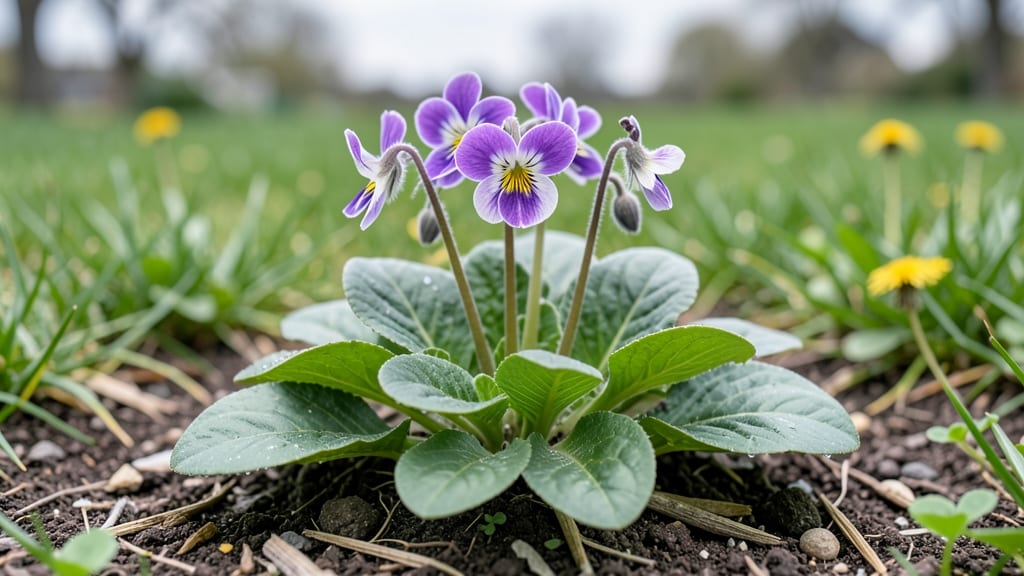
Those little purple flowers popping up in your lawn aren't weeds—they're clover, and they're secretly supercharging your soil. 🌱 I used to yank them out, but after learning how they fix nitrogen and attract pollinators, I now let them bloom freely in patches.
The result? A lawn that stays green longer, resists drought better, and looks intentionally wild rather than perfectly manicured.
The best part is how easy it is to encourage them naturally. Just stop mowing in small sections during spring, and you'll get a carpet of tiny white or purple blooms by early summer.
If you want more control, try planting white Dutch clover seeds—it spreads faster than wild varieties but stays just as beneficial. These flowers thrive in full sun to partial shade, making them perfect for most lawns.
By late summer, you'll have a lawn that's not just green but alive with color and texture. The clover's deep roots prevent erosion, and its blooms provide nectar for bees when other lawns are bare.
Plus, the purple flowers create that coveted "meadow" look without requiring any extra work—just let nature take its course.
For best results, mow clover patches when flowers fade to keep them tidy but not so short that you kill the roots. In fall, the leaves turn golden and add another layer of seasonal interest.
It's the kind of low-maintenance beauty that makes gardening feel effortless—once you stop fighting the flowers.
📚 In This Guide
- What you need
- Instructions
- Tips and common mistakes
- Wrapping up and next steps
What you need
- ● Garden gloves – A pair to protect your hands from dirt and sharp grass blades.
- ● Hand trowel or small garden fork – For gently lifting soil or clover plants (6-inch length recommended).
- ● Watering can or hose with a gentle spray nozzle – Clovers love moisture but hate soggy roots!
- ○ Magnifying glass (optional but helpful) – To inspect tiny clover flowers or identify them up close.
- ● Notebook & pen – For tracking clover spots, growth progress, or soil notes.
- ● Soil pH test kit – Clovers thrive in slightly acidic to neutral soil (pH 6.0–7.0).
- ● Organic compost or clover seed mix – If you want to encourage more clovers in bare patches.
- ● Lawn aerator (handheld or rental) – Helps roots breathe if your soil is compacted.
- ● Pruning shears – For trimming overgrown grass around clover clusters.
- ● Camera or smartphone – To document your lawn’s clover transformation!
- ● A lawn with existing clovers (or a willingness to plant them!).
- ● Mild weather – Best to work on dry, sunny days (avoid rain for 24 hours after planting/seeding).
- ● Patience – Clovers grow slowly but reward you with resilience and beauty!
How to encourage clovers in your lawn for natural beauty and soil health
Turn those tiny purple blooms into a thriving, eco-friendly lawn feature with these simple steps.
🌱 Step 1: Identify and Understand Your Existing Clovers
First, take a closer look at those little purple flowers—chances are they're white clover (Trifolium repens) or Dutch white clover. These hardy plants thrive in lawns because they're shallow-rooted, drought-tolerant, and fix nitrogen in the soil. Grab a small trowel and gently dig up a few plants to examine their roots. You'll notice their trifoliate leaves (three leaflets per stem) and the distinctive purple flower clusters that appear in spring and early summer.
Real talk: If your lawn has mostly grass with scattered clovers, you're already halfway there. Clovers spread naturally through seed and underground runners, so no extra planting is needed. Just give them the right conditions, and they'll take over the spaces where grass struggles.
☀️ Step 2: Adjust Your Mowing and Watering Habits
Here's the thing—clovers hate being mowed too short or too frequently. Set your mower to 3-4 inches height and mow only when the grass reaches 4-5 inches tall. This gives clovers room to establish and flower. You'll see them pop up most vibrantly in lawns that aren't scalped every week.
Watering is where most lawns go wrong. Clovers are drought-resistant once established, but they need deep watering once a week (about 1 inch total) during their first growing season. Water in the early morning so the foliage dries quickly—this prevents fungal diseases that can harm both grass and clovers. You'll know you're doing it right when you see the clover leaves stay plump and green, not wilting or turning yellow.
🪴 Step 3: Reduce or Eliminate Synthetic Fertilizers
Clovers are nitrogen-fixers, meaning they pull nitrogen from the air and store it in the soil. If you're using synthetic nitrogen fertilizers, you're essentially starving your clovers. Switch to a low-nitrogen, organic fertilizer (like compost or a balanced 5-5-5 formula) or stop fertilizing altogether. This gives clovers the competitive edge they need to spread.
I know it seems counterintuitive—after all, don't we want lush green lawns? But clovers bring their own lushness. Their deep green leaves and purple flowers create natural contrast, and their nitrogen-fixing benefits make your soil richer over time. You'll notice within a few weeks that the areas where clovers thrive stay greener longer, even in drought.
✂️ Step 4: Overseed with a Clover-Friendly Grass Mix
If your lawn has large bare patches, overseed with a clover-tolerant grass mix that includes fine fescue or creeping red fescue. These grasses grow well in partial shade and at lower heights, giving clovers space to coexist. Spread the seed in late summer or early fall when temperatures are cooler and moisture is more consistent.
Don't use ryegrass or Kentucky bluegrass—they outcompete clovers and require heavy nitrogen inputs. After seeding, lightly rake the area to ensure good seed-to-soil contact, then water gently twice daily for the first week to keep the soil moist but not soggy. You'll see new grass blades emerge in 10-14 days, and clovers will gradually fill in the gaps as they spread.
🌿 Step 5: Embrace the Natural Cycle and Enjoy the Benefits
Once clovers are established, let them flower and go to seed. Those purple blooms aren't just pretty—they attract pollinators like bees and butterflies, turning your lawn into a mini ecosystem. In late summer, you can mow the clover flowers down to encourage a second flush of blooms in early fall.
This is the moment that matters: Watch as your lawn transforms from a uniform green carpet to a vibrant, textured landscape with natural beauty. Clovers reduce soil erosion, improve water retention, and even crowd out weeds. You'll spend less time fertilizing and more time enjoying a lawn that's working with nature, not against it.
Tips & tricks for perfect clovers in your lawn
These little purple flowers aren't just weeds—they're nature's secret weapon for a healthier lawn. Here's how to give them the perfect conditions to thrive.
Lawn Height Matters: The 3-4 inch mowing height in Step 2 is your best friend. Clovers need that extra space to spread their runners and establish strong roots. If you've been mowing too short, start raising your mower blade gradually—don't shock the lawn by changing it all at once. You'll notice the difference within a few weeks as those purple blooms start popping up more consistently.
Watering Wisdom: That 1 inch of water per week during the first growing season is crucial, but timing matters just as much. Early morning watering prevents fungal diseases that can harm both grass and clovers. I've seen clover patches die off because of evening watering—always let the foliage dry completely before nightfall. A simple rain gauge or tuna can (filled with water) makes tracking that 1 inch easy.
Fertilizer Strategy: The moment you stop using synthetic nitrogen fertilizers is when clovers really take off. I recommend switching to compost or a balanced 5-5-5 formula immediately. The nitrogen-fixing benefits of clovers work best when they're not competing with artificial inputs. You'll know you're on the right track when you see new clover growth in areas that were previously sparse.
Seasonal Timing: Late summer or early fall for overseeding (Step 4) is perfect because cooler temperatures reduce stress on new plants. I've found that seeding in August gives you the best results—you get established plants before winter, and they're ready to spread aggressively in spring. If you miss this window, spring seeding is your second-best option, but be prepared for more maintenance.
Pro Tips for Little Purple Flowers In Lawn
- These little purple flowers aren't just weeds—they're nature's secret weapon for a healthier lawn. Here's how to give...
- Lawn Height Matters: The 3-4 inch mowing height in Step 2 is your best friend. Clovers need that extra space to sprea...
- Watering Wisdom: That 1 inch of water per week during the first growing season is crucial, but timing matters just as...
Frequently asked questions
Got questions about those charming little purple flowers popping up in your lawn? You’re not alone! Here are some of the most common queries—plus straightforward answers to help you embrace (or manage) these clover blooms with confidence.
Are little purple flowers in my lawn clover or weeds?
Most likely, those tiny purple flowers are white clover (Trifolium repens) or red clover (Trifolium pratense)—both are beneficial plants, not weeds! Clovers add nitrogen to the soil, support pollinators, and even crowd out true weeds. If they’re not clover, they might be creeping phlox or violets, which are also harmless (or even desirable!).
When do these purple flowers bloom in the lawn?
Timing depends on the type:
- White clover: Blooms spring through fall, often peaking in late spring to early summer.
- Red clover: Typically flowers May to July, with a second flush in late summer.
- Creeping phlox: Blooms early spring (March–April) before grass greens up.
Should I remove these flowers if they’re taking over my lawn?
Not necessarily! Clovers are low-maintenance allies—they tolerate foot traffic, thrive in poor soil, and reduce watering needs. If you must remove them, mow high (3–4 inches) to weaken them or spot-treat with vinegar (50/50 vinegar/water) in small areas. For a greener look, overseed with grass in early fall while keeping some clover for soil health.
Can I use these flowers for anything besides lawn decor?
Clovers (especially red) are edible and useful:
- Culinary: Young clover leaves add a mild, slightly sweet flavor to salads or sandwiches.
- Pollinator magnet: Their flowers attract bees and butterflies—great for gardens!
- Herbal uses: Red clover has been used in teas for centuries (check local guidelines first).
Why do I have more purple flowers this year than before?
Several factors can cause a clover explosion:
- Rainfall: Clovers thrive in moist conditions—recent wet springs or summers may have triggered growth.
- Soil health: Compacted or nutrient-poor soil can make grass struggle, giving clovers an edge.
- Less mowing: Tall grass shades clover out, so shorter cuts (or drought) let them spread.
- Grass pests: If your lawn has brown patches, clovers might be filling the gaps.
Wrapping up and next steps
Discovering those tiny purple flowers in your lawn isn’t just a charming surprise—it’s nature’s way of telling you your soil is thriving! Clovers enrich the earth, reduce weeds, and even support pollinators, making them a gardener’s secret weapon. 🌱✨
Ready to turn your lawn into a lush, eco-friendly haven? Start by embracing these little blooms—whether you’re intentionally planting them or simply letting them grow naturally.
Next, share your newfound love for clovers with fellow green thumbs or dive deeper into soil health tips. Every small step makes a big difference!