
Flowers
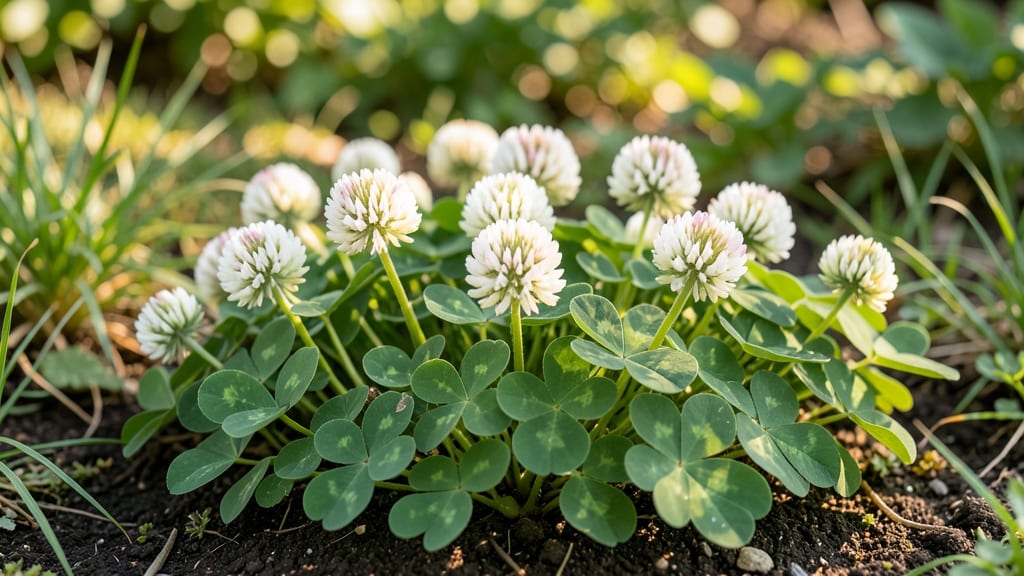
Those stubborn tiny white flowers popping up in your lawn might be clover, chickweed, or even wild violets—all of which I’ve wrestled with in my own yard. 🌱 The good news? Most aren’t harmful, but they can compete with grass if left unchecked.
Before you reach for harsh chemicals, let’s figure out what you’re dealing with and how to manage them without sacrificing your lawn.
Clover and chickweed thrive in thin or compacted soil, while wildflowers often appear when grass struggles. The key is identifying them: clover has three leaflets, chickweed grows low to the ground with smooth stems, and wild violets have heart-shaped leaves.
None are invasive, but their spread can weaken your grass if you’re not careful.
Removing them is easier than you think—hand-pulling works for small patches, while spot-treating with vinegar (for weeds) or overseeding (for thin grass) keeps your lawn healthy.
I’ve found that a sharp rake and a little patience go a long way, especially in early spring when weeds are young and easy to remove.
Prevention starts with strong grass: mow high, aerate annually, and water deeply but infrequently. A thick lawn crowds out weeds naturally, so focus on keeping your grass lush.
If you’re dealing with a stubborn patch, a mix of manual removal and targeted care will keep your lawn looking sharp without harming the environment.
Common Causes of Unexpected Blooms
Tiny white flowers popping up in your lawn aren’t just a surprise—they’re often a sign that your grass is sending up seed heads or that unwanted plants are taking over.
Understanding the root causes helps you tackle the problem effectively without harming your lawn. Here’s why these blooms appear and how to address them:
---
Grass spreads through seeds, and when conditions are right, it sends up delicate white flower spikes (called seed heads) to reproduce.
This is most common in: - Cool-season grasses (like Kentucky bluegrass, fescue, or ryegrass), which bloom in spring or fall. - Stressed or thin lawns, where grass compensates by producing more seeds to fill gaps.
Why it happens: Grass triggers seed production when it detects: - Daylight changes (longer days in spring or shorter days in fall). - Moisture fluctuations (drought stress or sudden watering). - Nutrient deficiencies (low nitrogen or phosphorus signals the grass to focus on reproduction).
Actionable fix: - Mow higher (3–4 inches) to shade out seed heads and reduce stress. - Water deeply but less often to encourage deep roots and discourage seed production. - Fertilize with nitrogen (like a slow-release 24-0-6) to promote growth over seeding.
---
White flower clusters often belong to weeds like: - Chickweed (tiny star-shaped blooms, thrives in moist soil). - Clover (white or pink flower clusters, fixes nitrogen but crowds grass). - Dandelions (bright yellow flowers followed by white seed puffs).
Why it happens: Weeds exploit: - Compacted or bare soil (where grass roots struggle to compete). - Overwatering or poor drainage (creates ideal conditions for weed seeds to germinate). - Lack of fertilization (weeds outcompete weak grass for nutrients).
Actionable fix: - Aerate your lawn to relieve compaction and help grass roots access nutrients. - Apply pre-emergent herbicide in early spring to block weed seeds (choose one safe for your grass type). - Hand-pull weeds when soil is moist (grips roots better) and dispose of them in trash (not compost).
---
Some grasses and weeds follow a seasonal rhythm: - Spring bloomers: Fescue, ryegrass, or chickweed capitalize on warming soil and longer days. - Fall bloomers: Kentucky bluegrass or creeping charlie (a ground-hugging weed) may send up flowers as temps drop.
Why it happens: - Temperature shifts trigger hormonal changes in plants, signaling them to flower. - Rainfall patterns (e.g., dry spells followed by sudden rain) can spur rapid germination of weed seeds.
Actionable fix: - Adjust mowing height seasonally: Keep grass taller in summer to retain moisture and shorter in fall to discourage weed growth. - Test your soil (pH and nutrient levels) to rule out deficiencies that might stress grass and invite weeds. - Overseed bare patches in early fall with a shade-tolerant grass mix to outcompete weeds.
--- Sometimes, lawn care products or soil issues cause unintended blooms: - Overuse of herbicides can kill grass but leave weed seeds dormant until conditions improve. - High soil pH (alkaline conditions) may prevent grass from absorbing nutrients, leading to seed production. - Fungal infections (like brown patch) can stress grass, prompting it to flower as a survival tactic.
Why it happens: - Imbalanced nutrients (too much potassium or phosphorus) can shift grass energy toward reproduction. - Fungal spores thrive in humid, shaded lawns, weakening grass and inviting weeds.
Actionable fix: - Reseed affected areas with disease-resistant grass varieties. - Apply lime or sulfur to adjust pH (aim for 6.0–7.0 for most grasses). - Improve airflow by thinning tree branches or trimming overgrown plants shading your lawn.
--- Pro Tip: 💡 If you’re unsure whether the white flowers are grass seed heads or weeds, snap a photo and compare it to a [lawn weed identification guide](https://www.gardeners.com/how-to/identify-weeds-in-your-lawn/). Early identification saves time and protects your lawn!
Quick Fixes for Unwanted Blooms
Spotting tiny white flowers popping up in your lawn can be frustrating, but the good news is that most of these intruders are manageable with the right approach. Below, we’ve broken down practical solutions tailored to the most common causes—whether it’s weeds, wildflowers, or even grass gone rogue.
Follow these steps to reclaim your lawn without harming the grass or your sanity.
Cause: Clover and similar broadleaf weeds thrive in sunny, well-drained lawns, often mistaken for tiny white flowers. Fix:Start by identifying the culprit—clover leaves are trifoliate (three-leaf clusters), while grass has long, narrow blades. Once confirmed, here’s how to tackle it:
- 🔥 Manual Removal (Best for Small Patches) - Wait for a damp day when the soil is soft. - Use a weed puller or your hands to grasp the weed at the base and tug gently. Avoid breaking the stem—this can leave roots behind. - Pro Tip: 💡 Pull weeds when they’re young (before they seed) to make the job easier. - 🍳 Vinegar Spray (Organic Option) - Mix 1 gallon of white vinegar with 1 ounce of dish soap in a spray bottle. - Spray directly on the leaves (avoid grass—vinegar will kill it too!). - Reapply every 3–5 days until the weeds die. Works best on sunny days. - 👨🍳 Pre-Emergent Herbicide (For Large Areas) - Apply a corn gluten meal or iron-based herbicide in early spring to prevent seeds from germinating. - Follow label instructions carefully—some products require reapplication. Prevention: - ✨ Overseed bare spots with grass seed to crowd out weeds. - 🌡️ Mow high (3–4 inches) to shade the soil and discourage weed growth. Cause: Some "tiny white flowers" are actually beneficial wildflowers (like creeping Charlie or chickweed) or self-seeding plants (e.g., oxalis). Fix:If you’re okay with a few wildflowers but want to control their spread, try these targeted methods:
- 🔪 Hand-Weeding with a Knife - Use a horticulture knife to slice through the roots of stubborn plants like oxalis (which has a deep taproot). - For creeping Charlie, dig out rhizomes (underground stems) to prevent regrowth. - 🥘 Solarization (For Stubborn Patches) - Cover the affected area with clear plastic sheeting for 4–6 weeks in hot weather. - The sun’s heat will kill weeds and seeds without chemicals. - 🎯 Spot-Treatment with Herbicide - Use a selective herbicide like 2,4-D (for broadleaf weeds) or trimec (for mixed weed types). - Apply on a calm day and water lightly afterward to activate the product. Prevention: - 🌱 Mulch bare soil with straw or wood chips to block sunlight from weed seeds. - 💪 Improve soil health with compost—thick, healthy grass outcompetes weeds naturally. Cause: If your "white flowers" are actually grass seedlings (e.g., from neighboring lawns or wind-blown seed), they’re not weeds—but they can still look out of place. Fix:Let them grow if you want a denser lawn, but if they’re disrupting your mowing pattern, thin them out:
- ⏰ Mow Early and Often - Keep grass at 3–4 inches to prevent seed heads from forming. - Bag the clippings to remove excess seed before it spreads. - 🌡️ Adjust Watering - Water deeply but infrequently (1–1.5 inches per week) to encourage deep roots in your desired grass, not weeds. - 🔄 Reseed Strategically - If you have bare spots, overseed with your preferred grass type (e.g., Kentucky bluegrass, fescue) to fill gaps. Prevention: - 🎯 Edge your lawn regularly to prevent grass from encroaching on flower beds or sidewalks. - 🌱 Test your soil—imbalanced pH or nutrients can lead to patchy grass, inviting unwanted seedlings.Most tiny white flowers in your lawn are easy to manage with a little elbow grease and the right tools. Start with manual removal for small areas, then graduate to targeted treatments if needed. Remember: A healthy lawn is your best defense against intruders! 🌿
Frequently asked questions
Are tiny white flowers in my lawn always weeds?
Not necessarily! Many tiny white blooms are harmless or even beneficial. Clover adds nitrogen to soil, wild violets attract pollinators, and some grass varieties (like fescue) produce seed heads. Only broadleaf plants like chickweed or creeping Charlie typically qualify as weeds—look for three-leaf clusters or spreading stems to confirm.
Why do these flowers appear suddenly after rain?
Rain triggers weed seeds that have been dormant in the soil for years. Moisture softens compacted soil, allowing seeds to germinate quickly. Grass seed heads also respond to sudden watering by producing more flowers as a survival mechanism. The key is to maintain consistent moisture (1-1.5 inches per week) to prevent this cycle.
Will removing tiny white flowers kill my grass?
Only if you use the wrong method! Manual removal (hand-pulling or a weeding knife) is safe. Chemical options like vinegar or selective herbicides can harm grass if misapplied. Always spot-treat weeds and avoid products containing glyphosate near your lawn. For best results, pull weeds when soil is moist and grass is actively growing.
How can I prevent these flowers from coming back?
Focus on strengthening your grass first! Mow at 3-4 inches to shade soil, aerate annually to relieve compaction, and fertilize with nitrogen-rich products in early spring. Overseeding bare patches in fall creates a dense turf that naturally crowds out weeds. For stubborn areas, apply corn gluten meal in late winter as a natural pre-emergent.
Are there any beneficial tiny white flowers I should keep?
Clover, wild violets, and even some native grasses support pollinators and improve soil health. If you want to preserve them, simply mow around their edges and avoid chemical treatments. These plants often indicate healthy soil—just monitor their spread. For a balanced approach, leave 10-20% of your lawn "wild" as pollinator habitat.