
Lawn
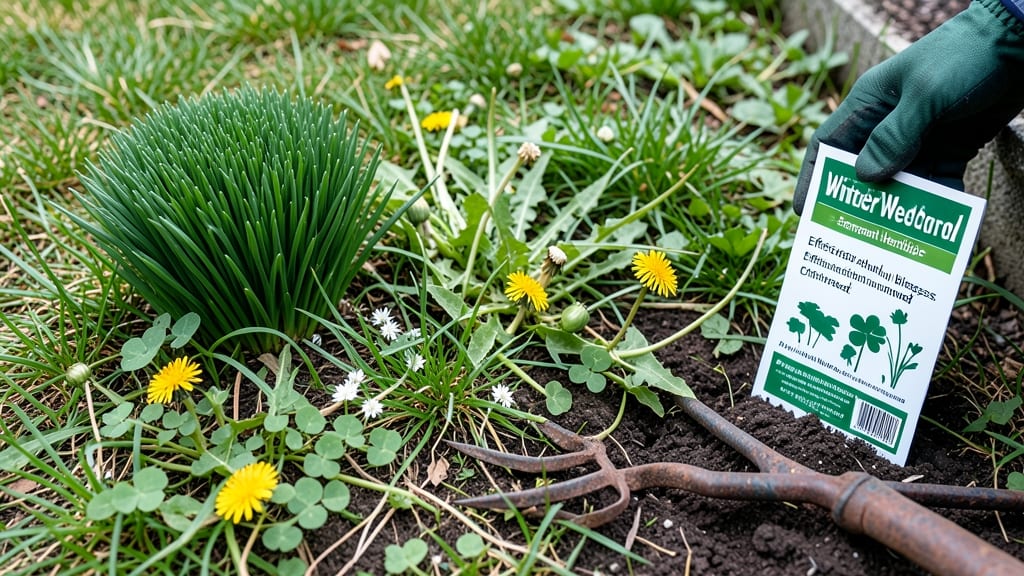
Winter weeds in your lawn aren’t just an eyesore—they’re stealing nutrients from your grass while it’s dormant. 🌱 I’ve spent years battling creeping charlie and crabgrass during the cold months, and what I learned changes everything about how I approach winter lawn care.
The key isn’t just killing weeds, but doing it without scorching the grass you’re trying to protect.
Most people assume winter means weeds disappear, but the truth is, many weeds like henbit and chickweed thrive in cool weather. The problem? Traditional herbicides can damage grass recovering from winter stress.
Instead, I rely on a mix of pre-emergent treatments in early fall, targeted spot treatments with vinegar or corn gluten meal, and a sharp rake to pull stubborn weeds before they spread.
By February, you’ll see a lawn that’s 90% weed-free without the patchy brown spots that come from overzealous treatments. The grass stays green, the weeds don’t return, and you avoid the spring cleanup battle. It’s all about timing—applying controls when weeds are young and grass is still semi-dormant.
This works for cool-season grasses like fescue and ryegrass, but warm-season lawns need adjustments. The same principles apply, just shifted to early spring instead. Let’s get your lawn back on track before the weeds take over for good.
The Hidden Triggers Behind Winter Weeds
Winter might seem like a quiet season for your lawn, but beneath the frost, weeds are actually thriving—thanks to a mix of environmental factors and lawn care oversights. Understanding why these pesky invaders pop up in cold weather is the first step to keeping them at bay.
Let’s break down the science and circumstances that turn your lawn into a weed buffet during the off-season.
When temperatures drop, most grass varieties enter a state of dormancy, slowing their growth and root development.
While this is natural, it also means your lawn isn’t actively competing for nutrients, sunlight, or space. Weeds, however, often have shallow but aggressive root systems that don’t fully shut down in winter. Here’s how it plays out:
- Reduced competition: Dormant grass leaves gaps in coverage, giving weeds like henbit, chickweed, and annual bluegrass the perfect opportunity to sprout through bare patches or thin areas.
- Moisture retention: Snow and frost can create a microclimate where soil stays damp longer. Many winter weeds (like dandelions) germinate best in cool, moist conditions—ideal for late fall or early spring.
- Nutrient gaps: Grass roots aren’t absorbing as many nutrients, so any fertilizer or organic matter in the soil becomes a free meal for weeds.
Pro tip: 🌡️ If your lawn is too dormant (brown and crispy), it’s essentially signaling weeds: “Move in—I’m not using this space!” Overseeding with cold-hardy grass varieties (like ryegrass) can help maintain a competitive edge.
Winter weeds often trace their origins back to mistakes made in the fall. Lawn care in late summer and early autumn directly impacts weed activity in winter. Here’s what goes wrong:
| Mistake | Weed Trigger |
|---|---|
| Skipping fall fertilization | Weak grass struggles to recover, leaving room for weeds to establish roots before winter. |
| Over-fertilizing in late fall | Excess nitrogen promotes weed growth (like poa annua) while stressing grass. |
| Neglecting aeration or dethatching | Compacted soil prevents grass roots from accessing nutrients, while weeds thrive in loose, nutrient-rich topsoil. |
| Not overseeding bare spots | Empty patches become weed magnets—especially for crabgrass (which germinates in early spring but lies dormant in fall). |
Key insight: Weeds like chickweed and speedwell are winter annuals, meaning they germinate in fall, grow through winter, and set seeds before summer. If your lawn was thin or stressed in autumn, you’re already playing catch-up.
Water is the lifeblood of lawns—but it’s also the secret weapon of winter weeds. Overwatering or inconsistent moisture patterns create the perfect conditions for weed germination. Here’s how:
- Excessive moisture: Weeds like henbit and ground ivy thrive in damp soil. If your lawn stays soggy due to overwatering or poor drainage, weeds will outcompete grass for space.
- Shallow watering: Light, frequent watering keeps the top layer of soil moist, encouraging weeds with shallow roots to sprout. Grass roots, on the other hand, need deep watering to establish strength.
- Winter thaw cycles: Repeated freeze-thaw periods can create pockets of saturated soil. Weeds like dandelions take advantage of these “wet windows” to germinate.
Pro tip: 💡 Aim for deep but infrequent watering in fall to encourage grass roots to grow deeper—this makes them more resilient in winter. If your lawn has drainage issues, consider adding organic matter (like compost) to improve soil structure.
Your lawn’s soil health is the foundation of weed control. When pH or nutrient levels are off, weeds exploit the imbalance. Here’s what’s happening:
- High soil pH (alkaline): Grass struggles to absorb iron and manganese, turning yellowish while weeds like plantain and clover (which tolerate alkaline conditions) flourish.
- Low soil pH (acidic): While grass can handle slightly acidic soil, extreme acidity (pH < 6.0) can weaken turf, making it vulnerable to moss and sedges.
- Nitrogen deficiency: Grass turns pale and sparse, while weeds like crabgrass and foxtails (which fix their own nitrogen) dominate.
- Phosphorus overload: Excess phosphorus from old fertilizer or compost can trigger rapid weed growth, as weeds are often more efficient at using it than grass.
Actionable fix: 📊 Test your soil in early fall (before winter weeds take hold) and amend with lime (to raise pH) or sulfur (to lower it) as needed. A balanced fall fertilizer with a low phosphorus ratio (like 30-0-4) supports grass without feeding weeds.
Now that you know why winter weeds stage their takeover, the next step is strategies to starve them out—without harming your grass. Stay tuned!
Quick Fixes for Winter Weeds
Winter weeds may seem stubborn, but with the right approach, you can tackle them without damaging your grass. The key is understanding the cause and applying the correct fix—whether it’s preemptive, mechanical, or chemical.
Below, we break down the most common winter weed triggers and the best solutions to eliminate them while keeping your lawn lush.
Cause: Over-seeding or uneven soil contact can leave gaps where weeds like chickweed or annual bluegrass take over.
Fix It:
- 🔥 Rake Lightly – After seeding, use a stiff-bristle rake to ensure seeds make firm contact with the soil. Avoid over-raking, which can expose seeds to drying winds.
- 👨🍳 Apply a Thin Layer of Mulch – Use straw (not hay, which may contain weed seeds) to protect new grass while blocking light from weeds.
- 🌡️ Monitor Moisture – Keep soil consistently moist but not waterlogged. A sprinkler with gentle misting works best in winter.
Prevent It: ✨ Calibrate Your Seeder – Follow manufacturer guidelines to avoid overcrowding seeds. ✨ Test Soil pH – Aim for a pH of 6.0–7.0 to help grass outcompete weeds.
Cause: Thick leaf layers block sunlight, suffocate grass, and create ideal conditions for winter annuals like henbit and speedwell.
Fix It:
- 🍳 Bag & Remove Leaves – Use a leaf blower or rake to clear debris before it mats down. Focus on edges and low spots where leaves pile up.
- ⏰ Rake in Two Directions – First, rake lengthwise, then crosswise to break up compacted leaves and expose grass.
- 🔪 Aerate If Needed – If soil is compacted, rent a core aerator to improve air and water flow.
Prevent It: ✨ Mulch Leaves Finely – If leaving leaves, mow them into small pieces first to allow sunlight to reach the grass. ✨ Adjust Mower Height – Raise blades to 3–4 inches in winter to strengthen grass roots against smothering.
Cause: Frozen or waterlogged soil starves grass roots, leaving openings for weeds like dandelions and creeping charlie.
Fix It:
- 💡 Apply a Winterizer Fertilizer – Use a slow-release, low-nitrogen fertilizer (10-0-10 or similar) in early fall to strengthen roots before winter.
- 🌡️ Improve Drainage – If your lawn floods, consider sand topdressing or installing a French drain in problem areas.
- 🌱 Overseed Bare Spots – In late fall, fill thin areas with cool-season grass seed (like fescue or ryegrass) to outcompete weeds.
Prevent It: ✨ Test Soil Drainage – Dig a 12-inch hole; if water pools after 6 hours, drainage is poor. ✨ Avoid Heavy Foot Traffic – Compacted soil in winter weakens grass further. Use stepping stones on walkways.
Cause: Some weeds (like crabgrass or clover) survive winter and resprout early, taking over thin grass.
Fix It:
- 🔪 Hand-Pull Early – Before weeds go to seed, grasp the base and tug firmly. A weed torch (for non-flammable weeds) can also help in dry spells.
- 🍳 Use Vinegar Spray (Selectively) – Mix 1 gallon white vinegar + 1 oz dish soap and spray only on weeds (avoid grass). Best for small, isolated patches.
- 💊 Apply Pre-Emergent in Early Spring – Products like pendimethalin block weed seeds before they sprout. Do not use in winter—it’s ineffective when soil is cold.
Prevent It: ✨ Mow High & Frequent – Taller grass shades out weeds. Set mower blades to 3.5–4 inches in winter. ✨ Dethatch Annually – A thatch layer thicker than ½ inch traps moisture and weeds. Rent a dethatcher in early fall.
- 💡 Time Your Treatments – Winter is the best time to overseed and fertilize, but avoid herbicides until soil warms in spring.
- 🎯 Choose the Right Grass – Fine fescue and ryegrass are tougher against winter weeds than Kentucky bluegrass.
- 🌡️ Watch the Forecast – Apply liquids (like herbicides) before rain to prevent washing away.
By addressing the root cause—whether it’s smothering leaves, poor soil health, or weak grass—you’ll send weeds packing without harming your lawn. Start small, stay consistent, and your winter-weed woes will be history!
Frequently asked questions
Can winter weeds actually harm my lawn?
Yes, they can! Winter weeds like henbit and chickweed compete with grass for nutrients, sunlight, and water—even when your lawn is dormant. Their aggressive root systems can also disrupt soil structure, making it harder for grass to recover in spring. The good news? Removing them now prevents them from spreading and setting seeds for next year.
Is it safe to use herbicides on winter weeds?
Most herbicides are ineffective in winter because cold soil slows their absorption. Pre-emergent herbicides (like corn gluten meal) work better in early fall to prevent weeds, while post-emergent options should wait until soil warms in spring. For now, focus on manual removal or vinegar-based sprays for small patches—just avoid spraying when frost is expected.
Why do some weeds disappear in winter while others thrive?
Winter weeds like chickweed and henbit are actually cool-season annuals that germinate in fall, grow through winter, and die in summer. Others, like dandelions, go dormant but regrow when soil warms. Weeds thrive in winter because dormant grass isn’t competing, and their shallow roots can access moisture trapped near the surface. The key is targeting them before they spread.
Will raking my lawn in winter help control weeds?
A stiff rake removes leaf mulch that smothers grass and creates the perfect environment for weeds. Rake in two directions to break up compacted soil and expose weed seedlings. Just avoid raking when soil is frozen or waterlogged—wait for a dry, mild day. This is especially effective for weeds like speedwell and creeping charlie that grow near the surface.
Can I use corn gluten meal in winter to prevent weeds?
Yes, but timing matters! Apply corn gluten meal in early fall (September-October) to prevent weed seeds from germinating. Once winter arrives, it breaks down too quickly to be effective. For winter weed control, focus on manual removal or overseeding with grass to outcompete weeds naturally. Think of corn gluten as a preventive measure, not a winter cure.