
Lawn
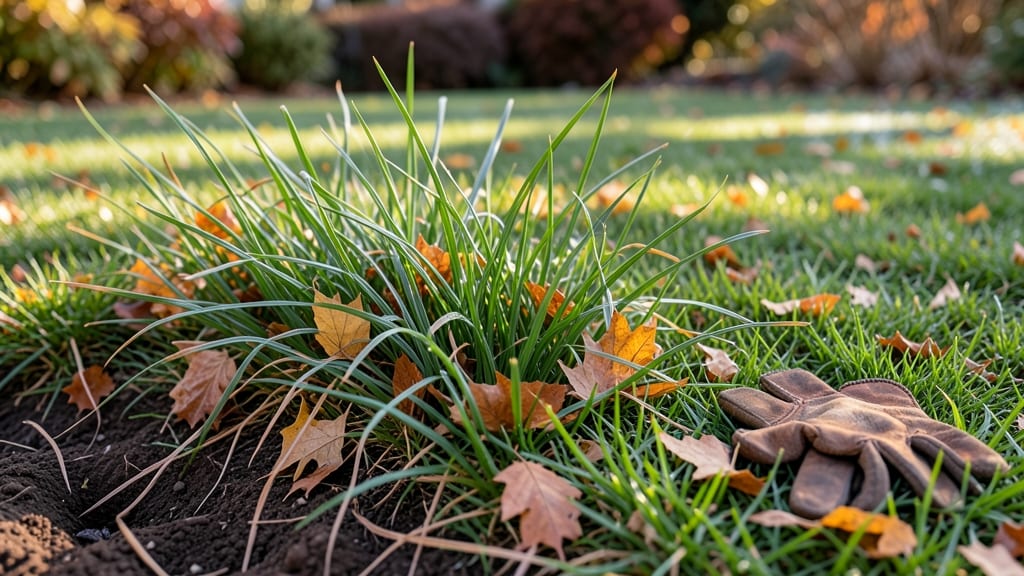
Leaving leaves on your lawn over winter isn’t just lazy—it’s a smart strategy that protects soil, reduces spring work, and even boosts next year’s grass. 🌱 I’ve watched my lawn recover faster every spring since I stopped raking, and the science backs up why this works better than you’d think.
The biggest win? Leaves act like a natural blanket, insulating soil and roots from extreme cold while keeping moisture locked in. That means less winter stress on your grass and fewer brown patches when spring arrives. Plus, leaves break down slowly, adding organic matter that improves soil structure over time.
Of course, there’s a catch: thick, matted leaves can smother grass if left unchecked. The fix is simple—lightly chop them with a mower first, then spread them evenly.
In colder climates, this layer can mean the difference between a lawn that recovers in weeks and one that takes months to bounce back. For mild winters, you might need to remove leaves entirely to prevent fungal growth.
But in most cases, this low-effort approach saves time, cuts waste, and sets your lawn up for a stronger start. Ready to try it?
📚 In This Guide
- What you need
- Instructions
- Tips and common mistakes
- Wrapping up and next steps
What you need
- ● Lawn leaves: A thick, even layer (about 3–4 inches) of dry, fallen leaves—oak, maple, or pine work best.
- ● Rake: A sturdy bow rake (18–24" wide) to spread leaves evenly.
- ○ Leaf blower (optional): For quick cleanup if leaves are scattered unevenly.
- ● Garden gloves: Heavy-duty, water-resistant gloves to protect your hands.
- ● Water source: A garden hose with a soaker nozzle (to lightly moisten leaves if needed).
- ● Mulching mower: If you prefer shredding leaves into smaller pieces for faster decomposition.
- ● Soil test kit: To check pH/fertility before spring (for proactive gardeners!).
- ○ Winter grass seed (optional): If patchy spots appear, use cool-season grass seed (like fescue or ryegrass).
How to leave lawn leaves over winter for soil protection
Here’s my go-to method for turning fall’s leaf pile into free winter mulch that feeds your lawn and saves time.
🌿 Step 1: Time the Leaf Drop and Mow Strategically
Wait until leaves are fully crisp and brown before mowing—this usually happens after 2-3 weeks of dry, cold weather. If you mow too early, you’ll just spread wet leaves that clump and smother grass. I aim for late October to early November in most climates, but check your local freeze dates.
Use your mower’s highest setting to shred leaves into ¼-inch to ½-inch pieces. This creates a fine mulch that won’t block sunlight to the grass. If you have a bagger, skip this step—just leave the clippings behind. The goal is a uniform layer that looks like lightly dusted mulch, not a thick blanket.
🌱 Step 2: Spread Leaves Evenly Across the Lawn
Rake or blow the shredded leaves into an even layer—about ½ inch thick—across the entire lawn. This thickness protects grass roots from freeze-thaw cycles while still allowing sunlight to reach the grass. If you have thick patches, thin them out with a rake so you’re never deeper than ½ inch anywhere.
Focus on high-traffic areas first, where grass is most vulnerable to winter damage. Avoid piling leaves near sidewalks or driveways, where they can create slip hazards. A light, even layer is the key—think of it as a natural winter blanket, not a snowdrift.
⏰ Step 3: Monitor and Adjust Through Winter
Check your lawn every 4-6 weeks during winter to ensure leaves haven’t compacted or blown into thick piles. If you notice bare spots where sunlight is hitting the grass directly, redistribute the leaves with a rake. The layer should stay light and fluffy, not mat down like a wet carpet.
If heavy snowfall buries the leaves, brush them off the grass in early spring before new growth emerges. The leaves will break down naturally, releasing nutrients back into the soil as they decompose—no extra work needed. This is where the magic happens: your lawn gets a slow-release fertilizer and protection, all at once.
☀️ Step 4: Spring Cleanup and Transition
When temperatures consistently stay above 40°F (usually late March to early April, depending on your zone), it’s time to remove the leaves. Use a rake to gather them into piles and compost them—this feeds your garden while keeping your lawn tidy. The decomposing leaves will have already enriched the soil, so you’ll see greener grass sooner than if you’d removed them in fall.
After cleanup, give your lawn a light mowing to remove any remaining leaf debris and encourage fresh growth. The grass will reward you with a lush, early spring green-up because the leaves acted as a natural mulch all winter long. No chemicals, no extra work—just smarter lawn care.
Tips & tricks for perfect winter lawn care with leaves
These simple tricks will help you maximize the benefits of leaving leaves on your lawn all winter long.
Timing Secret: The 2-3 weeks of dry, cold weather before mowing is crucial—this ensures leaves are fully crisp and brown, not damp. I learned this the hard way after spreading wet leaves that clumped together and smothered my grass. If you're unsure, do a quick test: crush a leaf between your fingers. If it shatters easily, it's ready.
Shredding Technique: When using your mower's highest setting, aim for that ¼-inch to ½-inch range. Too fine? You'll miss the mulch benefits. Too coarse? You risk blocking sunlight. I find that mowing over dry leaves twice—once lengthwise, once crosswise—gives the most consistent texture. Think of it like making leaf confetti for your lawn.
Winter Monitoring: Those 4-6 week checks during winter are where the magic happens. I set a reminder on my phone for December and February to do a quick walkthrough. If you spot bare patches where sunlight is hitting, grab a rake and redistribute the leaves. The goal is to keep that ½-inch blanket even—no thick piles that could suffocate grass or thin spots that leave roots exposed.
Pro Tips for Leaving Leaves On Lawn Over Winter
- These simple tricks will help you maximize the benefits of leaving leaves on your lawn all winter long.
- Timing Secret: The 2-3 weeks of dry, cold weather before mowing is crucial—this ensures leaves are fully crisp and br...
- Shredding Technique: When using your mower's highest setting, aim for that ¼-inch to ½-inch range. Too fine? You'll m...
Frequently asked questions
Got questions about leaving leaves on your lawn through winter? You’re not alone! Here are some of the most common concerns—and their answers—to help you make the best decision for your yard.
Is it safe to leave leaves on my lawn all winter?
Yes! A thick layer of leaves (about 3 inches or less) acts as natural mulch, protecting soil from erosion, retaining moisture, and insulating grass roots from harsh winter temperatures. Just avoid piles that suffocate grass or attract pests.
When should I stop raking leaves before winter?
Once temperatures consistently drop below freezing, it’s safe to leave leaves. Aim to finish raking by late fall (October/November, depending on your climate). This gives them time to break down naturally over winter.
Will leaving leaves harm my lawn in spring?
Not if managed properly! Lightly rake or mow leaves in early spring (before new growth) to prevent matting. A thin layer even boosts soil health by adding organic matter—just avoid thick clumps that block sunlight.
Can leaves attract pests or diseases over winter?
Thick piles of leaves can harbor slugs, rodents, or fungal spores, but a uniform layer (not piles) minimizes risks. If pests are a concern, shred leaves first or remove them in fall. Healthy lawns with good airflow rarely face issues.
What’s a good alternative if I don’t want to leave leaves?
Consider mulching with a lawn mower (shredding leaves into fine clippings) or composting them. You can also use straw or wood chips as a temporary winter mulch. Just avoid plastic or thick cardboard, which can harm soil.
What if my leaves turn moldy or smelly?
Mold or odors usually mean leaves are too wet or compacted. Break up thick layers with a rake, improve drainage (if needed), or remove excess leaves. A light layer of compost or nitrogen-rich fertilizer can also help balance decomposition.
Wrapping up and next steps
Leaving leaves on your lawn over winter isn’t just a shortcut—it’s a powerful, eco-friendly strategy that protects your soil, boosts spring growth, and saves you time. By embracing this natural mulch, you’re nurturing a healthier lawn while reducing waste and effort. 🌱
Ready to put this into action? Start by lightly raking (or not at all!) after the first frost, then let nature do the rest. Your lawn—and the planet—will thank you!