
Lawn
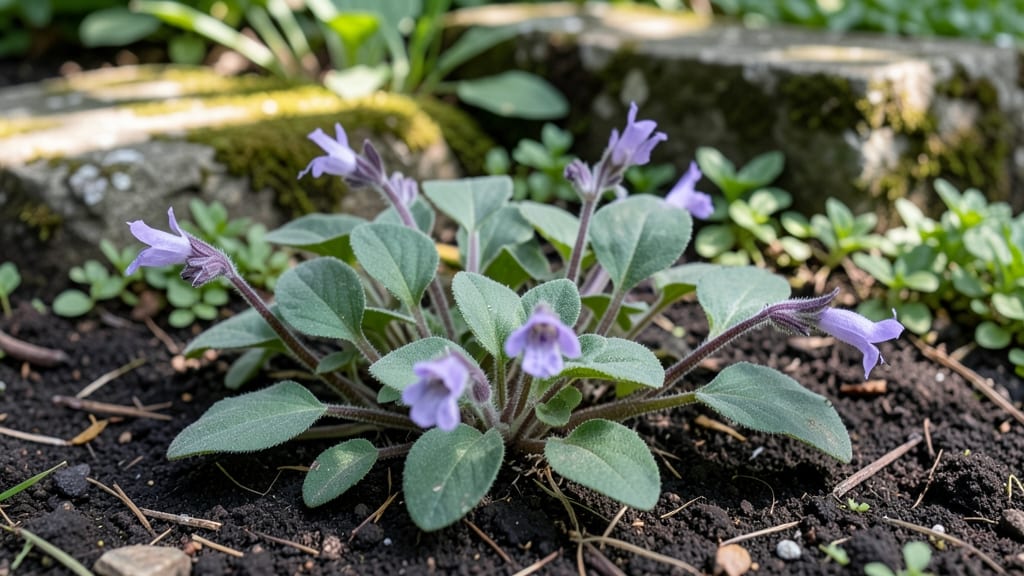
That purple-flowered lawn weed creeping into your grass isn't just unsightly—it's stealing nutrients from your lawn. 🌱 I've battled clover, oxalis, and chickweed in my own yard, and I know how frustrating it can be to see those vibrant blooms take over where green should be.
The good news? You can tackle this without harming your grass. Start by identifying the exact weed (clover has trifoliate leaves, oxalis forms a clover-like shape but with purple flowers).
Once you know what you're dealing with, you can choose the right removal method—manual pulling works for small patches, while targeted organic sprays handle larger areas. By the end of this process, your lawn will look thicker and more vibrant.
The key is consistency: pull weeds before they seed, and apply pre-emergent treatments in early spring to stop new growth before it starts. This approach works for any lawn type, from sunny backyards to shady patches. Let's get your grass back to looking its best!
Root Causes Of Purple Blooms
Those vibrant purple flowers popping up in your lawn aren’t just an eyesore—they’re a sign your yard’s ecosystem is out of balance. Understanding why these weeds thrive helps you tackle the problem at its source.
Below, we break down the key factors that turn your lawn into a purple paradise for unwanted plants.
Weeds like purple-flowered henbit or chickweed often dominate because your soil lacks the nutrients or structure to support healthy grass. Here’s why:
- Low nitrogen levels: Grass needs nitrogen to grow thick and dense, but weeds like henbit (a cool-season invader) thrive in nitrogen-poor soil. If your lawn looks thin or patchy, it’s signaling a deficiency that weeds exploit.
- Compacted or clay-heavy soil: Heavy foot traffic, construction, or natural soil composition can create a dense, water-resistant layer. Weeds with shallow roots (like chickweed) take advantage of this by germinating in the topsoil where grass struggles.
- pH imbalances: Purple-flowered weeds often prefer slightly acidic to neutral soil (pH 6.0–7.0). If your lawn’s pH is too high (>7.5) or too low (<5.5), grass weakens while weeds flourish.
💡 Pro Tip: Test your soil with a DIY kit or send a sample to a local extension office. Amending with compost or sulfur (for high pH) can restore balance and crowd out weeds naturally.
Purple-flowered weeds aren’t just stubborn—they’re opportunistic. They capitalize on weather conditions that stress grass but suit their growth habits:
- Cool, wet springs/falls: Many purple bloomers (e.g., henbit, violet) germinate in temperatures between 50–65°F. If your region has mild winters or frequent rain, these weeds get a head start while warm-season grasses like Bermuda or Zoysia are dormant.
- Drought stress: When grass wilts under heat or dry spells, weeds like purple deadnettle fill the gaps. Their deep or sprawling roots help them survive moisture fluctuations better than shallow grass roots.
- Excessive moisture: Overwatering or poor drainage creates soggy spots where weeds like creeping Charlie (with its purple flowers) thrive. Their tolerance for wet conditions makes them persistent in low-lying areas.
🌡️ Actionable Fix: Adjust your watering schedule to 1–1.5 inches per week (deep and infrequent). Use a rain gauge to monitor soil moisture—weeds often indicate your grass isn’t getting enough (or too much) water.
Even the hardiest grass can’t compete if you’re not giving it the right care. Here’s how neglect invites purple invaders:
- Infrequent mowing: Tall grass shades the soil, reducing germination of grass seeds but creating ideal conditions for weeds. Purple-flowered weeds like henbit germinate in full sun but grow aggressively in partial shade created by uncut grass.
- Skipping overseeding: Thin lawns (from old age, pests, or disease) leave bare spots where weeds take root. Purple deadnettle, for example, spreads via seeds and thrives in disturbed soil.
- Over-fertilizing with weed-and-feed: Some granular fertilizers contain pre-emergent herbicides that can harm grass if applied incorrectly. Weeds adapt faster, leading to a cycle of suppression followed by purple blooms.
✨ Maintenance Reset:
- Mow at 3–4 inches in summer, 2–3 inches in cooler months to block sunlight from weed seeds.
- Overseed bare patches in early fall with a high-quality grass mix (e.g., fescue or ryegrass).
- Use slow-release fertilizer in early spring/fall to avoid chemical imbalances.
When grass is weakened by pests or pathogens, purple-flowered weeds move in like vultures. Common culprits include:
- Grub infestations: Japanese beetle grubs or white grubs eat grass roots, creating dead patches where weeds like purple loosestrife (in wet areas) or dandelions (in dry spots) sprout.
- Fungal diseases (e.g., brown patch, dollar spot): These create circular dead zones where weeds gain a foothold. Purple-flowered weeds like creeping Charlie often follow fungal outbreaks.
- Rodent or animal damage: Rabbits, deer, or even pets can trample or eat grass, leaving open soil for weeds to colonize.
🔥 Prevention Tip: Treat grub infestations with beneficial nematodes or fungicides in early summer. Repair damaged areas with sod or hydroseed to outcompete weeds before they establish.
Ironically, some herbicides can cause the purple weed problem they’re meant to solve. Here’s how:
- Overusing post-emergent herbicides: Chemicals like 2,4-D or dicamba can kill grass roots, leaving gaps for weeds. Purple-flowered broadleaf weeds often survive because they’re less susceptible to these herbicides.
- Skipping pre-emergent timing: Applying pre-emergent after weed seeds have sprouted (e.g., henbit in early spring) wastes money and leaves weeds to mature and spread.
- Resistant weed strains: Repeated use of the same herbicide can create superweeds that ignore treatments. Purple-flowered weeds like henbit are developing resistance in some regions.
🎯 Smart Herbicide Strategy:
- Apply pre-emergent in late summer/early fall (for cool-season weeds) and spring (for warm-season weeds).
- Use selective herbicides (e.g., triclopyr for broadleaf weeds) only on identified weeds, not the whole lawn.
- Rotate herbicide active ingredients annually to prevent resistance.
Banish Purple Flowered Weeds Naturally
Now that you know why those stubborn purple blooms keep popping up in your lawn, it’s time to tackle them—without sacrificing your grass. The good news? Most purple-flowered weeds (like clover, henbit, or creeping charlie) respond well to targeted, eco-friendly fixes.
Below, we’ll match common causes to the best solutions, plus pro tips to keep your lawn weed-free long-term.
Cause: Weak, sparse grass leaves gaps for weeds to thrive. Fix: 🔥 Aerate First – Rent a core aerator (or hire a pro) to pull out soil plugs and loosen compacted areas. This lets air, water, and nutrients reach grass roots, helping them outcompete weeds. 🍳 Reseed Bare Spots – After aerating, spread high-quality grass seed (match it to your lawn type) and top with a thin layer of compost. Water lightly daily for 2 weeks. 👨🍳 Fertilize Smartly – Use a slow-release, nitrogen-rich fertilizer (like 24-0-4) in early spring or fall. Avoid over-fertilizing—it can burn grass and invite weeds.
Prevention Tip: 💡 Mow at 3–4 inches high to shade out weeds and promote thick grass growth.
Cause: Overwatering creates ideal conditions for moisture-loving weeds like henbit. Fix: 🥘 Water Deeply, Less Often – Switch to 1–1.5 inches of water per week (including rain). Use a rain gauge or tuna can to measure. Early morning is best to reduce fungal risks. ⏰ Check Soil Moisture – Stick your finger 2–3 inches into the soil. If it’s damp, skip watering. Weeds often die off if the lawn dries slightly between waterings. 🔪 Fix Irrigation Issues – Adjust sprinklers to avoid overspray on sidewalks or driveways, where weeds love to take root.
Prevention Tip: 🌡️ Install a soil moisture sensor to automate watering and avoid guesswork.
Cause: Compacted, nutrient-poor soil lets weeds dominate. Fix: 📊 Test Your Soil – Send a sample to your local extension office (or use a DIY kit). Results will tell you if your lawn needs lime, compost, or specific fertilizers. 🥗 Add Organic Matter – Spread ¼-inch of compost over the lawn in early spring or fall, then lightly rake it in. For tough spots, use a core aerator first. 💪 Use a Pre-Emergent – Apply a corn gluten meal (a natural pre-emergent) in early spring to block weed seeds from germinating. Reapply after rain or heavy watering.
Prevention Tip: ✨ Top-dress with compost annually to maintain healthy soil—weeds hate competition!
Cause: Some weeds (like creeping charlie) spread aggressively. Fix: 🔪 Hand-Pull Early – Grab weeds (like henbit or chickweed) when soil is moist—they’ll pull out easier. For deep roots (creeping charlie), use a weeding knife or dig out chunks. 🧴 Vinegar Spray (For Driveways/Paths) – Mix 1 gallon of white vinegar + 1 oz dish soap + 1 oz horticultural oil. Spray directly on weeds (avoid grass!). Reapply after rain. 🌱 Salt-Based Solutions (Use Sparingly) – For stubborn weeds in non-lawn areas, sprinkle rock salt or a commercial weed killer with iron (like iron sulfate). Avoid on grass—it can harm roots.
Prevention Tip: 🎯 Monitor your lawn weekly in spring—early intervention stops weeds before they spread.
Final Reminder: Consistency is key! Combine these fixes over 1–2 seasons for the best results. Soon, your lawn will be thick, green, and weed-free—without harsh chemicals. 🌿✨
Frequently asked questions
What are the most common purple-flowered weeds in lawns?
Look for these troublemakers: henbit (small purple flowers, low-growing), creeping Charlie (purple clover-like blooms), oxalischickweed (tiny white/purple flowers). Each has distinct leaf shapes—oxalis forms a shamrock pattern while henbit has oval leaves.
Can I safely use vinegar to kill purple-flowered weeds?
Yes, but with caution! Mix 1 gallon white vinegar + 1 oz dish soap and spray directly on weeds (avoid grass). Reapply after rain. For stubborn weeds like creeping Charlie, add 1 oz horticultural oil. Test on a small area first—vinegar can burn grass if oversprayed.
Why do these weeds keep coming back after I pull them?
Most purple-flowered weeds spread via seeds or underground runners. Henbit produces thousands of seeds that stay dormant for years. Creeping Charlie spreads via creeping stems. Pull weeds before they flower and remove all roots to prevent regrowth. For large areas, use pre-emergent corn gluten meal in early spring.
Is it better to use chemical herbicides or natural methods?
Natural methods work well for small patches, but chemicals offer faster results for large infestations. For selective control (targeting only weeds), use triclopyr-based herbicides like Ortho Weed B Gon. Always follow label instructions and avoid windy days. For organic lawns, combine hand-pulling with corn gluten meal and regular aeration.
How can I prevent purple-flowered weeds from spreading to my garden beds?
Create a 3-inch mulch barrier of wood chips or straw around garden edges. This blocks weed seeds from drifting in. For existing weeds, pull them before they flower and dispose of them in sealed bags (don't compost!). Regularly inspect lawn edges and remove any purple blooms you spot.